


 पूर्वावलोकन देखें
 साझा करें
 साझा करें
 विस्तृत विवरण

 डाउनलोड करें
 समान कलाकृतियाँ
 एक्स-रे
 स्लाइड शो देखें
Standing Nude (Nude Study)
 कैनवस पर एक्रिलिक पेंट
- वॉल आर्ट
- Fauvism
 1907
1907 92.0 x 65.0 cm
 पूरा देखें
गिक्ली / आर्ट प्रिंट
तेज़ उत्पादन और विभिन्न फिनिश विकल्पों के साथ म्यूजियम-क्वालिटी गिकली (giclée) या कैनवस प्रिंट। ( हाथ से बनी पेंटिंग खरीदें छवि खरीदें)




P118B $10

P118H $10

P118W $10

P438Z $10

P508JH $12

P508YH $12

P805H $10

P805Z $10

P919BZ $10

P919G $10

P919XJ $10

P959ZH $10

P968JZ $12

W106C $8

W218G $10

W218JH $8

W218Y $10

W307PJ $10

W316G $10

W316PJ $8

W316Y $10

W398PJ $8

W4111J $10

W500HY $15

W500JH $15

W692G $12

W849H $8

W940BG $15

W953PJ $8




कलाकृति के मूल अनुपात से मेल खाने वाले हमारे पूर्व निर्धारित आकारों में से चुनें।

आप किसी विशिष्ट फ्रेम या स्थान के अनुसार अपने स्वयं के आयाम (dimensions) दर्ज कर सकते हैं। यदि आपके द्वारा चुना गया आकार मूल छवि के अनुपात से मेल नहीं खाता है, तो हम कलाकृति को क्रॉप कर देंगे या मिरर किए गए या सॉलिड-फिल किनारे के साथ छवि का विस्तार करेंगे। उत्पादन शुरू होने से पहले आपकी स्वीकृति के लिए एक डिजिटल मॉकअप भेजा जाएगा।
कृपया ध्यान दें कि स्क्रीन पर दिखने वाला प्रीव्यू वास्तविक क्रॉपिंग या विस्तार को नहीं दर्शाता है। केवल मॉकअप ही अंतिम संरचना को सटीक रूप से दिखाएगा।
हालाँकि कस्टम आकार उपलब्ध हैं, फिर भी हम मूल अनुपात बनाए रखने के लिए पूर्व-निर्धारित सूची में से एक आयाम चुनने की सलाह देते हैं।
विश्वव्यापी डिलीवरी (), मानक 4/5 सप्ताह के बजाय मात्र 2 सप्ताह में। (5 सितमबर)

दुनिया भर में मुफ़्त एक्सप्रेस शिपिंग

उच्च गुणवत्ता वाला लिनेन कैनवास

पूर्ण शिपिंग बीमा

सीमा शुल्क और आयात कर वापसी की गारंटी

सटीक रंग मिलान की गारंटी

60-दिन की वापसी नीति (केवल दोषों के लिए)

100% पैसे वापसी की गारंटी

थोक छूट का लाभ
 ग्लास का विकल्प केवल 110 सेमी से कम आकार में ही उपलब्ध है।

Standing Nude (Nude Study)
गिक्ली / आर्ट प्रिंट
प्रतिकृति का आकार
-


कुल देय राशि
$ 62
A Fauvist Vision of the Human Form
Henri Matisse’s *Standing Nude (Nude Study)* from 1907 is a landmark achievement in early modern art, embodying the revolutionary spirit of Fauvism. This captivating oil on canvas (92 x 65 cm) isn't merely a depiction of the female figure; it’s an exploration of color, form, and emotional expression that challenged artistic conventions of the time.Deconstructing Tradition: Style & Technique
Matisse boldly departs from traditional representational painting. The artwork is characterized by its vibrant, non-naturalistic colors – a hallmark of Fauvism (“wild beasts”). Instead of faithfully recreating skin tones or background hues, Matisse employs bold oranges, blues, and greens to convey feeling and create visual energy. His energetic brushstrokes are visible and deliberate, adding texture and dynamism to the composition. The figure is rendered with simplified forms, prioritizing essential shapes over meticulous detail. This reduction isn’t about inaccuracy; it's a conscious choice to emphasize the essence of the human form and its relationship to space. The impasto technique – thick application of paint – further enhances the tactile quality of the work, inviting viewers to appreciate the materiality of the medium itself.Historical Context: The Dawn of Modernism
Emerging in the early 20th century as a reaction against the Impressionistic focus on capturing fleeting moments of light and color, Fauvism sought to liberate art from representational constraints. Artists like Matisse, André Derain, and Maurice de Vlaminck aimed to express emotions directly through color and form. *Standing Nude* reflects this ambition, pushing boundaries and paving the way for subsequent movements like Cubism. It also exists within a broader artistic conversation around Proto-Cubism, sharing an interest in geometric simplification but retaining Fauvism’s intense chromatic palette.Symbolism & Interpretation
While not overtly symbolic, *Standing Nude* invites contemplation on the nature of perception and representation. The figure's pose – a study in balance and form – suggests introspection and quiet strength. The deliberate flattening of perspective and lack of detailed background elements draw attention to the body itself, transforming it into an object of artistic investigation rather than idealized beauty. Considering the historical context, the nude also engages with centuries of tradition, reinterpreting this classic subject through a distinctly modern lens. The interplay between warm and cool colors can be interpreted as representing contrasting energies – perhaps the tension between sensuality and intellect.Emotional Resonance & Lasting Legacy
*Standing Nude (Nude Study)* evokes a sense of both vitality and serenity. The bold colors and dynamic brushwork create an energetic atmosphere, while the simplified forms lend a timeless quality to the figure. Matisse’s work profoundly influenced generations of artists, including Pablo Picasso and Juan Gris, shaping the course of modern art. It remains a powerful example of how color and form can be used to express emotion and challenge conventional ways of seeing.Collecting & Interior Design
A reproduction of this iconic artwork adds a touch of sophisticated modernity to any space. Its bold colors make it a striking focal point, while its simplified forms complement a variety of interior design styles – from minimalist to eclectic. The painting’s emotional depth and historical significance ensure it will continue to inspire conversation and appreciation for years to come. Consider pairing it with neutral tones to allow the artwork's vibrancy to truly shine or incorporating complementary colors found within the piece into your existing décor.संबद्ध कलाकृतियाँ


कलाकार का जीवन परिचय
हेनरी मैटिस: रंग और रूप के जादूगर
हेनरी मैटिस, जिनका जन्म 31 दिसंबर 1869 को ले काटो-कैम्ब्रेसीस, फ्रांस में हुआ था, आधुनिक कला के इतिहास में एक अद्वितीय स्थान रखते हैं। उन्होंने अपने जीवनकाल में रंगों और आकारों के साथ जो प्रयोग किए, उन्होंने कला की दुनिया को हमेशा के लिए बदल दिया। मैटिस ने कानून की पढ़ाई शुरू की थी, लेकिन एक बीमारी के दौरान उन्हें चित्रकला का शौक लगा और फिर उन्होंने पीछे मुड़कर नहीं देखा। उनका शुरुआती जीवन बोहाइन-एन-वर्मंडोइस में बीता, जहाँ उनके माता-पिता अनाज व्यापारी थे। उनकी कला यात्रा पारंपरिक शिक्षा से शुरू हुई, लेकिन जल्द ही उन्होंने अपनी अनूठी शैली विकसित कर ली जो उन्हें अन्य कलाकारों से अलग करती थी।फाविज़्म का उदय और रंग का विस्फोट
1905 में मैटिस के जीवन में एक महत्वपूर्ण मोड़ आया जब उन्होंने बेले आइल की यात्रा की और जॉन रसेल जैसे कलाकारों से मुलाकात की। इस मुलाकात ने उन्हें प्रभाववाद और विशेष रूप से विन्सेंट वैन गॉग के भावपूर्ण चित्रों से परिचित कराया। वैन गॉग के रंगों का प्रयोग मैटिस के मन पर गहरा प्रभाव पड़ा, जिससे वे अपने पहले के संयमित रंग पैलेट को त्यागकर अधिक साहसी और व्यक्तिपरक दृष्टिकोण अपनाने लगे। इसी खोज ने फाविज़्म नामक कला आंदोलन को जन्म दिया, जिसमें मैटिस एक प्रमुख व्यक्ति बन गए। "फाव" शब्द का अर्थ है "जंगली जानवर," जो उनके चित्रों में रंगों की तीव्र और अपरंपरागत प्रकृति को दर्शाता है। इस दौर में उन्होंने द gourds जैसे उत्कृष्ट कृतियों के माध्यम से रंगों का विस्फोट किया, जहाँ उन्होंने पारंपरिक परिप्रेक्ष्य और यथार्थवादी चित्रण को त्यागकर भावनाओं को व्यक्त करने पर ध्यान केंद्रित किया। उनकी शैली की मुख्य विशेषताओं में गहन रूप से संतृप्त रंग पैलेट, सरलीकृत आकार, अभिव्यंजक ब्रशस्ट्रोक और पारंपरिक प्रतिनिधित्व को अस्वीकार करना शामिल था।सजावटी सामंजस्य की ओर विकास
फाविज़्म के शुरुआती उत्साह के बाद, मैटिस की शैली में एक सूक्ष्म लेकिन महत्वपूर्ण बदलाव आया। उन्होंने रंगों के प्रति अपने प्रेम को त्यागना नहीं चाहा, बल्कि उनके काम में अधिक परिष्कार और सजावटी सौंदर्यशास्त्र का समावेश किया। उन्होंने शांत वातावरण में अवकाश, घरेलू जीवन और मानव आकृति जैसे विषयों का पता लगाया, जिससे ऐसी रचनाएँ बनीं जो सामंजस्यपूर्ण और भावनात्मक रूप से गूंजती थीं। 1917 में नीस में फ्रांसीसी रिवेरा में स्थानांतरित होने से इस बदलाव को और बढ़ावा मिला, जिससे उनके काम में शांति और शास्त्रीय संतुलन की भावना आ गई। मैटिस ने विभिन्न माध्यमों, जैसे कि सिरेमिक्स और टेक्सटाइल के साथ प्रयोग करके अपनी कलात्मक दृष्टि का विस्तार किया, एक ऐसा वातावरण बनाया जो दर्शकों को सौंदर्य और शांति के अनुभव में डुबो देता था।सीमितता से नवाचार: कट-आउट तकनीक
जैसे-जैसे बढ़ती उम्र के कारण मैटिस की शारीरिक क्षमताएँ कम होने लगीं, उन्होंने अपने कलात्मक जीवन के एक नए अध्याय की शुरुआत की - कागज के कट-आउट (découpages) का निर्माण। 1947 के आसपास शुरू हुई यह तकनीक आवश्यकता से प्रेरित थी। व्हीलचेयर पर रहने के बाद, वे पारंपरिक रूप से पेंट करने में असमर्थ थे, लेकिन कागज को कैंची से काटकर कलात्मक अभिव्यक्ति जारी रख सकते थे। इस व्यावहारिक समाधान ने एक अभूतपूर्व कलात्मक तकनीक का जन्म दिया। उन्होंने चमकीले रंगों में बड़े कागज़ की शीटें रंगा करती थीं और फिर उन्हें आकारों में काटती थीं - जैविक रूप, पत्तियाँ, आकृतियाँ - और उन्हें कैनवास पर व्यवस्थित करती थीं, जिससे गतिशील और दिखने में सरल रचनाएँ बनती थीं। ये कट-आउट पेंटिंग के लिए सिर्फ़ विकल्प नहीं थे; वे रंग, आकार और संरचना के बारे में सोचने का एक नया तरीका थे। उन्होंने अपनी कलात्मक दृष्टि को शारीरिक सीमाओं के सामने भी विकसित करने की क्षमता का प्रदर्शन किया।- कट-आउट तकनीक ने उन्हें ऐसे रूपों और रंगों की शुद्धता प्राप्त करने की अनुमति दी जो पेंट से हासिल करना मुश्किल था।
- इन कार्यों में अक्सर उनके चित्रों के पहले के विषयों और रूपांकनों को संदर्भित किया जाता था, लेकिन एक नए और नवीन तरीके से प्रस्तुत किया गया था।
- उन्होंने अपने पूरे करियर में कलाकार के रूप में अनुकूलन और विकास करने की अपनी क्षमता का प्रदर्शन किया।
आधुनिक कला पर स्थायी प्रभाव
3 नवंबर 1954 को नीस में हेनरी मैटिस का निधन हो गया, लेकिन उन्होंने एक ऐसी विरासत छोड़ दी जो दुनिया भर के दर्शकों को प्रेरित करती और मोहित करती रहती है। उनकी कलात्मक दुनिया पर प्रभाव निर्विवाद है; उन्होंने प्रतिनिधित्व की पारंपरिक धारणाओं को चुनौती दी, रंग की अभिव्यंजक शक्ति का समर्थन किया और भविष्य की पीढ़ियों के कलाकारों के लिए मार्ग प्रशस्त किया। पाब्लो पिकासो के साथ मिलकर आधुनिक कला के सबसे प्रभावशाली शख्सियतों में से एक माने जाने वाले मैटिस ने आधुनिकता को मौलिक रूप से आकार दिया है। उनकी विरासत उनके कलाकृतियों तक ही सीमित नहीं है - यह आनंद, सौंदर्य और रंग की परिवर्तनकारी क्षमता का जश्न मनाने वाली दर्शनशास्त्र को समाहित करती है। मैटिस केवल वही चित्रित नहीं कर रहे थे जो वे देखते थे; वे दर्शकों के लिए एक भावनात्मक अनुभव बना रहे थे, उन्हें अपने रंगों से भरे दुनिया के दृष्टिकोण को साझा करने के लिए आमंत्रित कर रहे थे।
हेनरी मातिस
1869 - 1954 , फ्रांस
मुख्य तथ्य
- Artistic Movement Or Style: फौविज़्म, आधुनिक कला
- Artists Or Movements Influenced By This Artist:
- आधुनिकतावाद
- अभिव्यक्तिवाद
- Artists Who Influenced This Artist:
- विनसेंट वैन गॉग
- चार्डेन
- जॉन रसेल
- Date Of Birth: 31 दिसंबर 1869
- Date Of Death: 3 नवंबर 1954
- Full Name: हेनरी एमील बेनोइट मैटिस
- Nationality: फ्रांसीसी
- Notable Artworks:
- द गर्ड्स
- लॉरेट्टे इन अ व्हाइट टर्बन
- Place Of Birth: ले काटो-कैम्ब्रेसीस, फ्रांस
संबंधित लेख

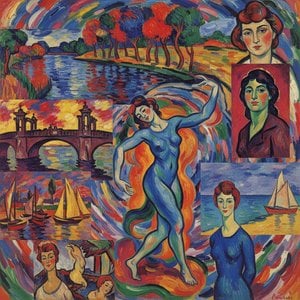
हेनरी मैटिस की शीर्ष 25 उत्कृष्ट कृतियाँ: कला और सजावट का अद्भुत संग्रह | ArtsDot
हेनरी मैटिस की शीर्ष 25 उत्कृष्ट कृतियों का अन्वेषण करें! फ़ौविज़्म, आधुनिक कला और रंगीन चित्रों के माध्यम से उनकी जीवन यात्रा जानें। ArtsDot.com पर उच्च गुणवत्ता वाले आर्ट प्रिंट और दीवार सजावट खरीदें।
Fauvism's Boldest Visions: 10 Masterpieces That Revolutionized Modern Art | ArtsDot
Explore 10 Fauvist masterpieces by Matisse, Derain & Vlaminck that ignited Modern Art! Discover bold colors, expressionist landscapes & the history of this revolutionary movement. Find museum-quality prints at ArtsDot.com.
फ़ॉविज़्म के शीर्ष 10 उत्कृष्ट कृतियाँ: कला और घर में रंग का विस्फोट | ArtsDot
फ़ॉविज़्म के 10 उत्कृष्ट कृतियाँ जानें! हेनरी मातीस और आंद्रे डेरैन जैसे कलाकारों की रंगीन दुनिया में डूबें। कला इतिहास, आधुनिक कला और घर की सजावट के लिए प्रेरणा पाएं। ArtsDot.com पर सभी उत्कृष्ट कृतियाँ देखें!

The Enduring Legacy of Oil on Canvas: Technique, History & Aesthetic Impact
Explore the rich history & techniques of oil painting – from Renaissance masters to Impressionism. Discover pigments, layering methods, and why this timeless medium endures. Expert insights for artists & art enthusiasts.
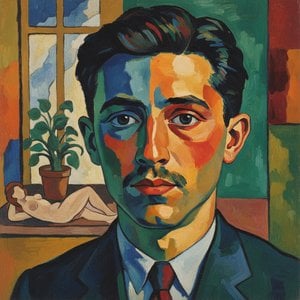
Henri Matisse: A Revolutionary Use of Color and Form in Modern Art
Explore the revolutionary art of Henri Matisse! Discover his bold use of color, Fauvist origins, and lasting impact on modern painting. A comprehensive guide for art enthusiasts.



