


 पूर्वावलोकन देखें
 भेजें
भेजें साझा करें
 विवरण देखें
 मार्गदर्शिका

 डाउनलोड करें
 समान वस्तुएं
 एक्स-रे
 स्लाइड शो देखें
 आंकड़े
Leda

 और पढ़ें
गिक्ली / आर्ट प्रिंट
तेज़ उत्पादन और विभिन्न फिनिश विकल्पों के साथ म्यूजियम-क्वालिटी गिकली (giclée) या कैनवस प्रिंट। ( हाथ से बनी पेंटिंग खरीदें डिजिटल इमेज पर जाएँ)




P118B ₹10

P118H ₹10

P118W ₹10

P438Z ₹10

P508JH ₹12

P508YH ₹12

P805H ₹10

P805Z ₹10

P919BZ ₹10

P919G ₹10

P919XJ ₹10

P959ZH ₹10

P968JZ ₹12

W106C ₹8

W218G ₹10

W218JH ₹8

W218Y ₹10

W307PJ ₹10

W316G ₹10

W316PJ ₹8

W316Y ₹10

W398PJ ₹8

W4111J ₹10

W500HY ₹15

W500JH ₹15

W692G ₹12

W849H ₹8

W940BG ₹15

W953PJ ₹8




कलाकृति के मूल अनुपात से मेल खाने वाले हमारे पूर्व निर्धारित आकारों में से चुनें।

अपने फ्रेम या अपनी दीवार के अनुसार आवश्यक चौड़ाई और ऊंचाई दर्ज करें। प्रिंट को केवल काटा जा सकता है, चित्र से बड़ा कभी नहीं बनाया जा सकता, इसलिए अलग आकार का साइज चित्र का एक हिस्सा खो देता है। किसी भी चीज़ को प्रिंट करने से पहले हम आपकी स्वीकृति के लिए आपको एक डिजिटल मॉकअप भेजते हैं। इस पृष्ठ पर दिखाया गया चित्र वास्तविक कटिंग नहीं दिखाता है — केवल मॉकअप ही इसे दर्शाता है।
विश्वव्यापी डिलीवरी (), मानक 4/5 सप्ताह के बजाय मात्र 2 सप्ताह में। (22 अक्टूबर)

दुनिया भर में मुफ़्त एक्सप्रेस शिपिंग

प्रीमियम ग्रेड लिनेन कैनवास

पूर्ण शिपिंग बीमा

सीमा शुल्क और आयात कर वापसी की गारंटी

सटीक रंग मिलान की गारंटी

100 दिनों की वापसी नीति (केवल निर्माण दोष होने पर)

100% पैसे वापसी की गारंटी

थोक छूट का अवसर
 ग्लास का विकल्प केवल 110 सेमी से कम आकार में ही उपलब्ध है।

Leda
गिक्ली / आर्ट प्रिंट
प्रतिकृति का आकार
-


कुल मूल्य
₹ 5931
A Dream Woven in Paint: Unveiling Gustave Moreau’s ‘Leda’
Gustave Moreau's ‘Leda’ is not merely a painting; it’s an immersion into a realm where myth breathes, sorrow lingers, and the subconscious unfolds. Created between 1865 and 1875, this evocative work stands as a cornerstone of Symbolism, rejecting the literal in favor of emotional resonance and archetypal storytelling. The scene depicts a reclining female figure, bathed in an ethereal glow, amidst a lush tapestry of vegetation. While rooted in classical mythology – specifically resonating with the tale of Cyane and Callirhoe, nymphs transformed by despair – Moreau transcends simple illustration, offering instead a profound exploration of grief, fate, and the elusive nature of hope. The painting doesn’t *tell* a story; it *evokes* a feeling, a melancholic beauty that resonates deep within the viewer's soul.The Language of Symbols: Deciphering Moreau’s Vision
Moreau masterfully employs symbolism to amplify the emotional weight of his composition. A majestic swan, traditionally representing purity, takes on a more ambiguous role here, hinting at mortality and transformation – a poignant foreshadowing of the nymphs’ tragic fate. Flanking the central figure are two enigmatic winged beings: one proffering a crown, perhaps symbolizing an unattainable ideal or the inescapable decree of destiny; the other radiating light, offering a fragile glimmer of divine intervention amidst overwhelming sorrow. The reclining woman herself embodies vulnerability and acceptance, her pose conveying a profound sense of loss. These symbols aren’t arbitrary decorations but integral components of Moreau's visual language, inviting contemplation on universal themes of love, loss, and the human condition. The artist doesn’t offer answers; he presents questions, prompting viewers to engage with the artwork on a deeply personal level and discover their own meaning within its evocative imagery.Technique as Expression: A Symphony of Brushwork and Light
Moreau's technique is inextricably linked to his Symbolist aesthetic. He eschews precise realism in favor of *expressive Romanticism*, prioritizing emotional impact over meticulous detail. The brushwork is loose and fluid, creating a sense of movement and turbulence that mirrors the inner turmoil of the subject. This isn’t a static scene but a dynamic expression of feeling. The application of paint itself becomes expressive; Moreau utilizes *impasto* – thick layers of pigment – particularly in the background and around the figure, adding textural richness and enhancing the painting's theatrical quality. Atmospheric perspective further deepens the sense of space while maintaining an air of dreamlike ambiguity, with cooler tones and diminished detail receding into the distance. The overall effect is one of shimmering, ethereal beauty—a testament to Moreau’s masterful control of light and color.A Legacy of Influence: Moreau and the Symbolist Movement
Gustave Moreau (1826-1898) was a pivotal figure in the Symbolist movement, a reaction against the prevailing Realism and Impressionism of his time. Symbolists sought to express subjective experiences, spiritual truths, and psychological states through evocative imagery rather than objective representation. Moreau’s work, steeped in mythology and biblical narratives, became emblematic of this artistic shift. Though initially overlooked by some critics, his influence grew exponentially, impacting artists such as Henri Matisse and Georges Rouault. Today, ‘Leda’ stands not only as a masterpiece of Symbolism but also as a testament to the enduring power of art to explore the depths of the human psyche. For collectors and interior designers, this painting offers a striking focal point—its rich color palette of deep greens, blues, and golds lending itself beautifully to both traditional and contemporary spaces. A high-quality reproduction captures the essence of Moreau’s technique, bringing a touch of sophisticated intrigue and lasting inspiration to any environment.प्रश्न और उत्तर
गुस्ताव मोरो द्वारा "Leda" किस कमरे के लिए उपयुक्त है?
गुस्ताव मोरो द्वारा "Leda" के लिए अनुशंसित स्थान एक Living Room है। बेशक, इस सुझाव को आपके इंटीरियर के अनुसार बदला जा सकता है।
क्या "Leda" एक प्रसिद्ध Symbolist Painting कलाकृति है?
Symbolist Painting आंदोलन के भीतर, "Leda" का लोकप्रियता स्तर Recognized है।
"Leda" को कितने लोग देखते हैं?
गुस्ताव मोरो द्वारा "Leda" के बारे में आँकड़े कलाकृति के आंकड़े पृष्ठ पर उपलब्ध हैं: कलाकृति की मासिक यात्राएँ, कलाकार की कृतियों की यात्राएँ, और हाल के आगंतुकों का देश और भाषा के आधार पर विवरण।
समान कलाकृतियाँ


कलाकार का परिचय
गुस्ताव मोरो: प्रतीकवाद के स्वप्न बुनकर
गुस्ताव मोरो, एक ऐसा नाम जो 19वीं सदी के पेरिस से उभरे प्रतीकवादी चित्रकला की रहस्यमय गहराई और अलौकिक सुंदरता का पर्याय है। 1826 में एक बुर्जुआ परिवार में जन्मे—उनके पिता एक वास्तुकार और अभिलेखागार थे—मोरो के शुरुआती जीवन को बौद्धिक जिज्ञासा और सौंदर्य संबंधी संवेदनशीलता से भरा हुआ था। कम उम्र से ही उन्होंने रेखाचित्र बनाने की असाधारण प्रतिभा का प्रदर्शन किया, जिसे फ्रांस्वा-एडोर्ड पिको जैसे शख्सियतों के अधीन École des Beaux-Arts में पारंपरिक अकादमिक प्रशिक्षण के माध्यम से पोषित किया गया। फिर भी, मोरो का कलात्मक मार्ग अपने समय के प्रचलित यथार्थवादी और प्रभाववादी धाराओं से अलग हो जाएगा। उनका उद्देश्य क्षणभंगुर क्षणों या वस्तुनिष्ठ वास्तविकता को कैद करना नहीं था; इसके बजाय उन्होंने अपनी गहरी व्यक्तिगत और प्रतीकात्मक दृश्य भाषा के माध्यम से पौराणिक कथाओं, धर्म और मानव मन की छिपी हुई दुनिया को उजागर करने का प्रयास किया। उनकी यात्रा आंतरिक अन्वेषण की थी, जो अपने जुनून और आध्यात्मिक आकांक्षाओं को अत्यधिक विस्तार पर ध्यान देने और अक्सर भव्य रंग पैलेट के साथ कैनवास पर अनुवाद करती थी।प्रभावों और कलात्मक विकास का भट्टी
मोरो का कलात्मक विकास शून्य में नहीं हुआ था। अपने युग के प्रमुख रुझानों को अस्वीकार करते हुए भी, उन्होंने विविध स्रोतों से प्रेरणा ली। यूजीन डेलाक्रोइक्स के कार्यों में रंग के नाटकीय उपयोग और विदेशी विषय वस्तु ने उनके भीतर गहरे प्रतिध्वनि पैदा की, जिससे भावनात्मक तीव्रता से भरे कथा चित्रकला के लिए एक जुनून भड़क उठा। उन्होंने माइकल एंजेलो और लियोनार्डो दा विंची जैसे पुनर्जागरण के महान कलाकारों को भी अत्यधिक सम्मान दिया, उनकी रचना, शरीर रचना विज्ञान और मनोवैज्ञानिक अंतर्दृष्टि में महारत की प्रशंसा करते हुए। फिर भी, मोरो केवल इन कलाकारों की नकल नहीं कर रहे थे; वे अपने प्रभावों को पूरी तरह से नई चीज़ में संश्लेषित कर रहे थे। 1850 के दशक में इटली की उनकी यात्राएँ निर्णायक साबित हुईं, उन्हें प्राचीनता और पुनर्जागरण की कला में डुबो दिया गया, जिससे उनके भविष्य के कार्यों को भरने वाले रूपांकनों और शैलीगत संकेतों का खजाना प्राप्त हुआ। उन्होंने पुराने स्वामी चित्रों की सावधानीपूर्वक प्रतिलिपि बनाई, न कि प्रतिकृति के अभ्यास के रूप में, बल्कि उनकी तकनीकों को अवशोषित करने और उनके रहस्यों को उजागर करने के साधन के रूप में। यह शिल्प के प्रति समर्पण, उनकी पौराणिक कथाओं और साहित्य में बढ़ती रुचि के साथ मिलकर, उनके अद्वितीय कलात्मक दृष्टिकोण की नींव रखी।प्रतीकों की दुनिया: विषय और तकनीकें
मोरो के चित्रों को केवल मिथकों या बाइबिल की कहानियों का चित्रण नहीं माना जा सकता है; वे जटिल रूप से प्रतीकात्मक रचनाएँ हैं जो चिंतन और व्याख्या को आमंत्रित करती हैं। उन्होंने सालोम, ओर्फियस, जुपिटर और सेमिला जैसे कथाओं में गहराई से उतरकर उन्हें शाब्दिक रूप से बताने के बजाय उनके अंतर्निहित मनोवैज्ञानिक और आध्यात्मिक सत्यों का पता लगाया। उनके कैनवासों पर सर्प जैसे प्रतीकात्मक कल्पना से भरे हुए हैं जो प्रलोभन का प्रतिनिधित्व करते हैं, रत्न सांसारिक इच्छाओं को दर्शाते हैं, और शोक, हानि या मोचन जैसी अमूर्त अवधारणाओं को मूर्त रूप देते हैं। उन्होंने जटिल विवरण, समृद्ध बनावट और प्रकाश और छाया के अक्सर परेशान करने वाले संयोजन के माध्यम से एक स्वप्निल वातावरण बनाने में महारत हासिल की। मोरो की तकनीक का चित्रण पेंट की सावधानीपूर्वक परतदारियों द्वारा चिह्नित किया गया था, जिससे सतहें चमकदार रंगों के साथ चमकती हैं और अलौकिक सुंदरता की भावना पैदा करती हैं। उन्होंने सोने की पत्ती के अपने उपयोग ने इस प्रभाव को बढ़ाया, उनके कार्यों को एक बीजान्टिन गुणवत्ता प्रदान की जिसने उनके आध्यात्मिक आयाम को रेखांकित किया। उनका उद्देश्य यथार्थवादी बनावट या परिप्रेक्ष्य को कैद करना नहीं था; इसके बजाय उन्होंने मूड और अर्थ व्यक्त करने के लिए रंग और रूप की अभिव्यंजक शक्ति को प्राथमिकता दी।विरासत और प्रभाव: प्रतीकवाद की स्थायी शक्ति
हालांकि शुरू में मिश्रित प्रतिक्रियाओं का सामना करना पड़ा, मोरो 1890 के दशक में उभरते प्रतीकवादी आंदोलन में एक केंद्रीय व्यक्ति बन गए। अपने कुछ समकालीनों के विपरीत जिन्होंने सक्रिय रूप से सार्वजनिक ध्यान आकर्षित करने की मांग की, वह अपेक्षाकृत एकांत में रहे, स्वतंत्र रूप से काम करना और कलात्मक बहसों से बचना पसंद करते थे। फिर भी, उनका प्रभाव निर्विवाद था। 1893 में, उन्होंने École des Beaux-Arts में एक प्रोफेसरशिप स्वीकार की, जहाँ उन्होंने हेनरी मैटिस और जॉर्ज रूओल्ट सहित कई पीढ़ियों के कलाकारों को गहराई से प्रभावित किया। उन्होंने अपने छात्रों को कल्पना, प्रतीकवाद और व्यक्तिगत अभिव्यक्ति को अपनाने के लिए प्रोत्साहित किया, उन्हें पारंपरिक कलात्मक मानदंडों से मुक्त होने के लिए प्रेरित किया। यद्यपि प्रतीकवाद 20वीं सदी के उत्तरार्ध में मोरो की मृत्यु (1898) के बाद लोकप्रियता खो बैठा, उनके काम का महत्वपूर्ण पुनर्मूल्यांकन हुआ। आज, उन्हें व्यापक रूप से आंदोलन के सबसे महत्वपूर्ण आंकड़ों में से एक और आधुनिक कला के अग्रदूत के रूप में माना जाता है। पेरिस में स्थित Musée Gustave Moreau, उनके पूर्व स्टूडियो और घर में स्थित, उनकी स्थायी विरासत का प्रमाण है—एक ऐसा अभयारण्य जहाँ आगंतुक इस असाधारण कलाकार की मनोरम दुनिया में खुद को डुबो सकते हैं। उनके चित्र आज भी दर्शकों को प्रतिध्वनित करते रहते हैं, मानव आत्मा की छिपी हुई गहराई में झलकियाँ प्रदान करते हैं और हमें याद दिलाते हैं कि कला की वास्तविकता की सीमाओं को पार करने की शक्ति है।प्रमुख कार्य
- हेरोद के सामने सालोम नृत्य: उनका सबसे प्रसिद्ध काम शायद, यह पेंटिंग मोरो की भव्य शैली और बाइबिल संबंधी कथाओं के प्रति आकर्षण का प्रतीक है।
- जुपीटर और सेमिला: ग्रीक मिथक के एक नाटकीय चित्रण, जो मोरो की रचना और रंग में महारत को प्रदर्शित करता है।
- ओर्फियस: मोरो ने ओर्फियस के मिथक का पता लगाने वाले कई चित्रों ने हानि, शोक और कलात्मक प्रेरणा के विषयों को दर्शाया।
- द अपियरेंस: उनकी अलौकिक और अलौकिक दृश्यों को बनाने की क्षमता का प्रदर्शन करता है।
- डेस्डेमोना: शेक्सपियर की दुखद नायिका का एक मार्मिक चित्रण।

गुस्ताव मोरो
1826 - 1898 , फ्रांस
संक्षिप्त जानकारी
- कलात्मक शैली: प्रतीकात्मकता
- जन्म तिथि: 6 अप्रैल 1826
- जन्म स्थान: पेरिस, फ्रांस
- पूरा नाम: गुस्ताव मोरो
- प्रभावित आंदोलन:
- हेनरी मैटिस
- जॉर्ज रूओल्ट
- प्रभावित कलाकार:
- यूजीन डेलाक्रोइक्स
- मिकेलेंजो
- लियोनार्डो दा विंची
- प्रमुख कलाकृतियाँ:
- सलोम डांसिंग बिफोर हेरोड
- जुपिटर एंड सेमेले
- ऑर्फियस
- द अपैरिशन
- डेस्डेमोना
- मृत्यु तिथि: 18 अप्रैल 1898
- राष्ट्रीयता: फ्रांसीसी
संबंधित लेखों की सूची

कला का स्वर्ग: आर्ट नोव्यू को परिभाषित करने वाले शीर्ष 10 उत्कृष्ट कृतियाँ | ArtsDot
आर्ट नोव्यू के शीर्ष 10 उत्कृष्ट कृतियाँ जानें! मुचा, क्लिम्ट और अन्य महान कलाकारों की दुनिया में कदम रखें। ArtsDot.com पर कला इतिहास और प्रेरणादायक सजावट खोजें। अब संग्रह देखें!

प्रतीकवाद की उत्कृष्ट कृतियाँ: शीर्ष 10 कलाकृतियाँ जो युग को परिभाषित करती हैं | ArtsDot
प्रतीकवाद की दुनिया में कदम रखें! शीर्ष 10 उत्कृष्ट कलाकृतियाँ जो इस रहस्यमय कला आंदोलन को परिभाषित करती हैं। कलाकारों, तकनीकों और कालातीत सौंदर्य का अन्वेषण करें। ArtsDot.com पर संग्रहालय-गुणवत्ता वाले आर्ट रिप्रोडक्शन और सजावट के विचार खोजें।

Gustave Moreau: Symbolism's Enigmatic Visionary & Precursors of Modern Fantasy Art
Explore the captivating world of Gustave Moreau, the leading Symbolist painter. Discover his iconic masterpieces, influences, and lasting legacy. Expert analysis for collectors & art enthusiasts.

Echoes of Olympus: Mythological Narratives in Western Art Through the Ages
Explore the captivating history of mythological narratives in Western art! From ancient Greece to modern masterpieces, discover iconic artworks & symbolism. Expert analysis and high-quality reproductions at ArtsDot.
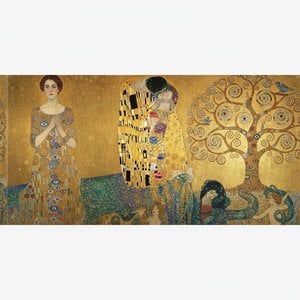
गुस्ताव क्लिम्ट की शीर्ष 25 उत्कृष्ट कृतियाँ: कला और सजावट का संगम
गुस्ताव क्लिम्ट की शीर्ष 25 कलाकृतियों में खो जाएं! आर्ट नोव्यू, सुनहरा काल और प्रेम से भरी पेंटिंग का अनुभव करें। उच्च गुणवत्ता वाले कला प्रिंट और सजावट के विचार ArtsDot.com पर खोजें।


