पूर्वावलोकन देखें
 साझा करें
 साझा करें
 विस्तृत विवरण

 डाउनलोड करें
 समान कलाकृतियाँ
 एक्स-रे
 स्लाइड शो देखें
Study for
 Acrylic On Canvas
- WallArt
- Art Nouveau
 1906
1906 44.0 x 31.0 cm
 नेशनल गैलरी ऑफ़ कनाडा
 पूरा देखें
गिक्ली / आर्ट प्रिंट
तेज़ उत्पादन और विभिन्न फिनिश विकल्पों के साथ म्यूजियम-क्वालिटी गिकली (giclée) या कैनवस प्रिंट। ( हाथ से बनी पेंटिंग खरीदें छवि खरीदें)




P118B $10

P118H $10

P118W $10

P438Z $10

P508JH $12

P508YH $12

P805H $10

P805Z $10

P919BZ $10

P919G $10

P919XJ $10

P959ZH $10

P968JZ $12

W106C $8

W218G $10

W218JH $8

W218Y $10

W307PJ $10

W316G $10

W316PJ $8

W316Y $10

W398PJ $8

W4111J $10

W500HY $15

W500JH $15

W692G $12

W849H $8

W940BG $15

W953PJ $8




कलाकृति के मूल अनुपात से मेल खाने वाले हमारे पूर्व निर्धारित आकारों में से चुनें।

आप किसी विशिष्ट फ्रेम या स्थान के अनुसार अपने स्वयं के आयाम (dimensions) दर्ज कर सकते हैं। यदि आपके द्वारा चुना गया आकार मूल छवि के अनुपात से मेल नहीं खाता है, तो हम कलाकृति को क्रॉप कर देंगे या मिरर किए गए या सॉलिड-फिल किनारे के साथ छवि का विस्तार करेंगे। उत्पादन शुरू होने से पहले आपकी स्वीकृति के लिए एक डिजिटल मॉकअप भेजा जाएगा।
कृपया ध्यान दें कि स्क्रीन पर दिखने वाला प्रीव्यू वास्तविक क्रॉपिंग या विस्तार को नहीं दर्शाता है। केवल मॉकअप ही अंतिम संरचना को सटीक रूप से दिखाएगा।
हालाँकि कस्टम आकार उपलब्ध हैं, फिर भी हम मूल अनुपात बनाए रखने के लिए पूर्व-निर्धारित सूची में से एक आयाम चुनने की सलाह देते हैं।
विश्वव्यापी डिलीवरी (), मानक 4/5 सप्ताह के बजाय मात्र 2 सप्ताह में। (16 अगस्त)

दुनिया भर में मुफ़्त एक्सप्रेस शिपिंग

उच्च गुणवत्ता वाला लिनेन कैनवास

पूर्ण शिपिंग बीमा

सीमा शुल्क और आयात कर वापसी की गारंटी

सटीक रंग मिलान की गारंटी

60-दिन की वापसी नीति (केवल दोषों के लिए)

100% पैसे वापसी की गारंटी

थोक छूट का लाभ
 ग्लास का विकल्प केवल 110 सेमी से कम आकार में ही उपलब्ध है।

Study for
गिक्ली / आर्ट प्रिंट
प्रतिकृति का आकार
-


कुल देय राशि
$ 62
संग्रहणीय वस्तु का विवरण
A Moment of Quiet Contemplation: Klimt’s Intimate Study
This exquisite study, executed in 1906 by the Austrian Symbolist painter Gustav Klimt, offers a rare glimpse into the artist's process and a poignant meditation on domesticity and introspection. The drawing captures a woman seated comfortably in bed, her posture relaxed yet alert, a book resting gently upon her lap. The scene is deceptively simple, yet brimming with subtle details that speak volumes about Klimt’s evolving artistic vision and his fascination with the human psyche. It's not merely a portrait; it’s a carefully constructed tableau designed to evoke a specific mood – one of quiet contemplation, perhaps even melancholy.
- Subject Matter: The central figure embodies a sense of private intimacy, removed from the bustling world outside. Her attire, though understated, hints at a certain elegance and suggests a life lived within comfortable means.
- Composition: Klimt’s masterful use of space draws our eye to the woman as the focal point, while the surrounding furniture – a chair, couches, and a clock – subtly frame her and establish a domestic setting. The placement of these elements creates a sense of depth and anchors the scene within a recognizable, yet idealized, interior.
- Preliminary Sketch: As a study, this piece reveals Klimt’s initial explorations before committing to the larger, more elaborate works that would define his mature style. Notice the loose lines and expressive shading – evidence of the artist wrestling with form and capturing the essence of his subject.
The Language of Gold: Style and Technique
Klimt’s artistic journey was marked by a constant experimentation, culminating in his signature style that blended Symbolism, Art Nouveau, and elements of Byzantine art. This study demonstrates a crucial transitional phase. While still rooted in the realism of his earlier works, we begin to see the seeds of the opulent ornamentation and decorative patterns that would characterize his later masterpieces, particularly “The Kiss.” The use of charcoal is deliberate; it provides a foundation for layering and building up tonal values, allowing Klimt to capture both the softness of the woman’s skin and the texture of the fabrics. Crucially, this piece foreshadows the incorporation of gold leaf – a technique he would fully embrace in his final paintings—though its presence here is subtle, hinting at the richness that was to come.
Technique Notes:- Charcoal Rendering: Klimt’s skillful use of charcoal creates a remarkable sense of depth and volume.
- Loose Lines: The loose, expressive lines reflect the artist's intuitive approach to capturing the subject's mood and personality.
- Preliminary Study: This piece serves as a vital document in understanding Klimt’s creative development.
Symbolism and Context – A Window into Klimt’s World
To understand this study fully, we must consider the broader context of Klimt's life and artistic concerns during this period. Vienna at the turn of the century was a city undergoing rapid social and cultural change—a vibrant hub of art, music, and intellectual discourse. Klimt, like many artists of his generation, was deeply engaged with these developments, exploring themes of sexuality, mortality, and the search for meaning in a rapidly modernizing world. The woman in this drawing could be interpreted as representing the ideal of feminine beauty – a figure both vulnerable and strong, caught in a moment of quiet reflection. The clock, a recurring motif in Klimt’s work, often symbolizes the passage of time and the inevitability of death. It serves as a subtle reminder of life's fleeting nature.
Historical Context:- Fin de Siècle Vienna: The artwork reflects the artistic and intellectual ferment of Vienna at the turn of the century.
- Symbolism & Modernity: Klimt’s work engages with themes of beauty, mortality, and the complexities of modern life.
Emotional Resonance – A Portrait of Inner Life
Despite its seemingly simple subject matter, this study possesses a remarkable emotional depth. The woman's gaze is averted, suggesting a private world of thoughts and feelings. The arrangement of the room—the comfortable furniture, the book in her lap—creates an atmosphere of intimacy and tranquility. Klimt masterfully captures not just a physical likeness but also a sense of inner life – a quiet moment of contemplation that invites the viewer to share in the woman’s solitude. This reproduction offers a unique opportunity to connect with one of Klimt's most intimate and revealing works, bringing a touch of timeless beauty and profound introspection into your home or studio.
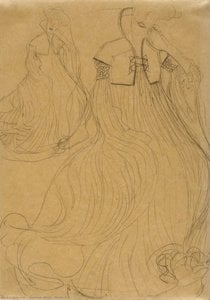
संबद्ध कलाकृतियाँ



कलाकार का जीवन परिचय
प्रारंभिक जीवन और कलात्मक शुरुआत
गुस्ताव क्लिमिट, जिनका जन्म 14 जुलाई 1862 को बामगार्टन, वियना के पास हुआ था, एक ऐसे परिवार से निकले थे जो कलात्मक रुझान और वित्तीय कठिनाई दोनों से प्रभावित थे। उनके पिता, अर्न्स्ट क्लिमिट, एक स्वर्ण नक्काशीकार थे, जिसका पेशा युवा गुस्ताव की सौंदर्य संबंधी समझ पर सूक्ष्म लेकिन गहरा प्रभाव डालेगा—स्वर्ण पत्र का आकर्षण, सावधानीपूर्वक विवरण, और पूर्ण वैभव। परिवार की संघर्षों के कारण वियना में बार-बार स्थानांतरित होना पड़ा, जिससे शायद क्लिमिट में अपने आस-पास के वातावरण का तीव्र अवलोकन और मानवीय अनुभव के प्रति संवेदनशीलता विकसित हुई। बचपन से ही उनकी ड्राइंग कौशल उल्लेखनीय थी, उनके पिता के पेशे और एक सहज प्रतिभा द्वारा पोषित जो जल्दी ही स्पष्ट हो गई। 1876 में, उन्होंने वियना कुन्स्टगेवेरबे Schule (अनुप्रयुक्त कला विद्यालय) में प्रवेश लिया, वास्तुकला चित्रकला में फर्डीनेंड लाउफबर्गर के अधीन औपचारिक प्रशिक्षण शुरू किया। इसने उन्हें एक ठोस तकनीकी नींव प्रदान की, लेकिन उन्हें प्रचलित अकादमिक शैलियों से भी अवगत कराया—शैलियाँ जिन्हें क्लिमिट ने अंततः चुनौती दी और पार कर लिया। यहीं पर उन्होंने अपने भाई अर्न्स्ट और फ्रांज वॉन मात्स के साथ एक महत्वपूर्ण कलात्मक साझेदारी भी बनाई, एक सहयोग जिसने सजावटी भित्ति चित्रों और छत के लिए शुरुआती कमीशन सुरक्षित किए, जिससे उनके भविष्य की सफलता का मार्ग प्रशस्त हुआ।वियना सेसेशन का उदय
1890 के दशक तक, क्लिमिट वियना की रूढ़िवादी कलात्मक प्रतिष्ठान से तेजी से निराश हो गए थे। वे अधिक रचनात्मक स्वतंत्रता, एक ऐसी जगह के लिए तरसते थे जहाँ परंपराओं की बाधाओं के बिना नवाचार फले-फूले। यह इच्छा 1897 में वियना सेसेशन के गठन में परिणत हुई, ऑस्ट्रियाई कला के इतिहास का एक महत्वपूर्ण क्षण। क्लिमिट को इसके पहले अध्यक्ष के रूप में चुना गया, जो आंदोलन का प्रतीक बन गए जिसने कठोर अकादमिक मानदंडों से दूर जाने और यूरोप में फैल रहे नए कलात्मक रुझानों—आर्ट नोव्यू, प्रतीकवाद और जापानीवाद को अपनाने की मांग की। सेसेशन के अपने प्रदर्शनी भवन, जो जोसेफ मारिया ओल्ब्रिच द्वारा डिजाइन किया गया था, इस विद्रोह का प्रतीक बन गया, आधुनिक कला को समर्पित एक मंदिर। क्लिमिट का काम सेसेशन के दर्शन का केंद्र था, जो पारंपरिक सौंदर्यशास्त्र के अस्वीकरण और सजावटी तत्वों, बोल्ड रंगों और प्रतीकात्मक कल्पना को अपनाने का प्रतिनिधित्व करता था। उनके चित्रों ने प्रेम, मृत्यु और कामुकता जैसे विषयों की अभूतपूर्व ईमानदारी के साथ अन्वेषण करना शुरू कर दिया, सामाजिक मानदंडों को चुनौती दी और प्रशंसा और आक्रोश दोनों को प्रेरित किया।स्वर्ण चरण और कलात्मक परिपक्वता
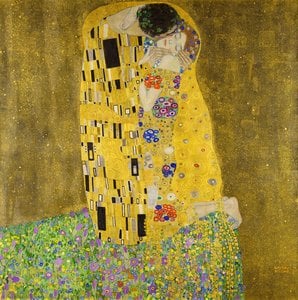
लगभग 1900 में, क्लिमिट ने उस समय "गोल्डन फेज" के रूप में जाना जाने वाला दौर अनुभव किया, जिसकी विशेषता सोने की पत्र का उदार उपयोग था, जो बीजान्टिन मोज़ेक और मध्ययुगीन प्रच्छन्न पांडुलिपियों से प्रेरित था। इस तकनीक ने उनके चित्रों को झिलमिलाते, अलौकिक दर्शनों में बदल दिया, जिसमें आध्यात्मिक गहराई और कामुक आकर्षण की भावना थी। *द किस* (1907-1908), शायद उनका सबसे प्रतिष्ठित कार्य, इस शैली का उदाहरण है—एक जोड़ा एक आलिंगन में बंद है, एक सुनहरा आभा में लिपटा हुआ है, उनके शरीर जटिल पैटर्न से सजे हुए हैं। इस अवधि ने क्लिमिट को *पोर्ट्रेट ऑफ एडेल ब्लच-बॉउर I* (1907) जैसी आश्चर्यजनक पोर्ट्रेट की एक श्रृंखला भी उत्पन्न करने के लिए प्रेरित किया, जिसने न केवल शारीरिक समानता बल्कि उनके विषयों की मनोवैज्ञानिक जटिलता को पकड़ने की उनकी क्षमता का प्रदर्शन किया। उन्होंने धीरे-धीरे चित्रकला और अलंकरण के बीच की रेखाओं को धुंधला कर दिया, अपने रचनाओं में सजावटी तत्वों को एकीकृत करके रूप और सामग्री के सामंजस्यपूर्ण संलयन बनाया। जापानी कला—जापानीवाद—का प्रभाव विशेष रूप से उनकी सपाट परिप्रेक्ष्य, रेखा पर जोर और सजावटी पैटर्न के उपयोग में स्पष्ट था।विवाद, प्रभाव और स्थायी विरासत
क्लिमिट का करियर विवादों से रहित नहीं था। 1900 में, उन्हें वियना विश्वविद्यालय की महान हॉल के लिए भित्ति चित्र पेंट करने के लिए एक प्रतिष्ठित कमीशन मिला, जो दर्शनशास्त्र, कानून और धर्मशास्त्र का प्रतिनिधित्व करते थे। हालाँकि, ये कार्य—विशेष रूप से *दर्शनशास्त्र*—रूढ़िवादी आलोचकों द्वारा उत्तेजक और यहां तक कि अश्लील भी माने गए, जिससे सार्वजनिक आक्रोश हुआ और अंततः क्लिमिट ने आगे सरकारी कमीशन स्वीकार करने से इनकार कर दिया। इस घटना ने उनके करियर में एक महत्वपूर्ण मोड़ चिह्नित किया, उन्हें अधिक निजी संरक्षण की ओर धकेल दिया और उन्हें अधिक कलात्मक स्वतंत्रता प्रदान की। अपने पूरे जीवन में, क्लिमिट को विविध प्रकार के कलाकारों और शैलियों से प्रभावित किया गया—हंस माकार्ट के ऐतिहासिक चित्रों से लेकर बीजान्टिन और जापान की सजावटी कलाओं तक। उन्होंने प्रतीकवाद आंदोलन से भी प्रेरणा ली, पौराणिक कथाओं, रूपकों और अवचेतन मन जैसे विषयों का पता लगाया। गुस्ताव क्लिमिट 6 फरवरी, 1918 को स्पेनिश फ्लू महामारी के दौरान स्ट्रोक से होने वाली मृत्यु तक विपुलता से चित्र बनाते रहे। उनके बाद के कार्यों ने अधिक अमूर्त रूपों और परिदृश्यों की खोज की, कलात्मक विकास को प्रदर्शित किया। अब उन्हें ऑस्ट्रियाई कला इतिहास में सबसे महत्वपूर्ण शख्सियतों में से एक, वियना सेसेशन का एक अग्रणी समर्थक और आर्ट नोव्यू की सुंदरता का एक स्थायी प्रतीक के रूप में पहचाना जाता है। उनकी पेंटिंग नीलामी में उच्च कीमतों पर बिकती हैं, और उनका प्रभाव समकालीन कला और डिजाइन में जारी रहता है।प्रमुख विशेषताएं और कलात्मक शैली
- प्रतीकवाद: क्लिमिट का काम गहराई से प्रतीकात्मक है, जो अक्सर प्रेम, मृत्यु, कामुकता और मानव स्थिति जैसे विषयों की खोज करता है।
- आर्ट नोव्यू: वह आर्ट नोव्यू आंदोलन के एक अग्रणी व्यक्ति थे, जिसकी विशेषता जैविक रेखाएँ, सजावटी पैटर्न और सुंदरता पर जोर दिया गया था।
- गोल्डन फेज: सोने की पत्र का उनका उपयोग झिलमिलाते, भव्य सतहें बनाता है जो उनकी हस्ताक्षर शैली बन गईं।
- सजावटी तत्व: क्लिमिट ने अपनी रचनाओं में सजावटी तत्वों को एकीकृत किया, जिससे चित्रकला और अलंकरण के बीच की रेखाएँ धुंधली हो गईं।
- महिला रूप: महिला शरीर उनके काम का एक केंद्रीय विषय था, अक्सर कामुकता और मनोवैज्ञानिक गहराई के साथ चित्रित किया जाता था।

गुस्ताव क्लिम्ट
1862 - 1918 , ऑस्ट्रिया
मुख्य तथ्य
- Artistic Movement Or Style: आर्ट नोव्यू, प्रतीकवाद
- Artists Or Movements Influenced By This Artist:
- एगन शिएले
- अभिव्यक्तिवाद
- Artists Who Influenced This Artist:
- हंस मकार्त
- जापानी कला
- Date Of Birth: 14 जुलाई 1862
- Date Of Death: 6 फरवरी 1918
- Full Name: गुस्ताव क्लिमिट
- Nationality: ऑस्ट्रियाई
- Notable Artworks:
- द किस
- पोर्ट्रेट ऑफ़ एडेल
- Place Of Birth: बाउमगार्टन, ऑस्ट्रिया
संबंधित लेख
गुस्ताव क्लिम्ट की शीर्ष 25 उत्कृष्ट कृतियाँ: कला और सजावट का संगम
गुस्ताव क्लिम्ट की शीर्ष 25 कलाकृतियों में खो जाएं! आर्ट नोव्यू, सुनहरा काल और प्रेम से भरी पेंटिंग का अनुभव करें। उच्च गुणवत्ता वाले कला प्रिंट और सजावट के विचार ArtsDot.com पर खोजें।

कला का स्वर्ग: आर्ट नोव्यू को परिभाषित करने वाले शीर्ष 10 उत्कृष्ट कृतियाँ | ArtsDot
आर्ट नोव्यू के शीर्ष 10 उत्कृष्ट कृतियाँ जानें! मुचा, क्लिम्ट और अन्य महान कलाकारों की दुनिया में कदम रखें। ArtsDot.com पर कला इतिहास और प्रेरणादायक सजावट खोजें। अब संग्रह देखें!

प्रतीकवाद की उत्कृष्ट कृतियाँ: शीर्ष 10 कलाकृतियाँ जो युग को परिभाषित करती हैं | ArtsDot
प्रतीकवाद की दुनिया में कदम रखें! शीर्ष 10 उत्कृष्ट कलाकृतियाँ जो इस रहस्यमय कला आंदोलन को परिभाषित करती हैं। कलाकारों, तकनीकों और कालातीत सौंदर्य का अन्वेषण करें। ArtsDot.com पर संग्रहालय-गुणवत्ता वाले आर्ट रिप्रोडक्शन और सजावट के विचार खोजें।

Gustav Klimt: A Golden Legacy of Sensuality & Symbolism in Viennese Art
Explore the captivating world of Gustav Klimt with ArtsDot. Discover his iconic paintings, the Vienna Secession movement, & enduring legacy. High-quality reproductions available.

लियोनार्डो दा विंची की 25 उत्कृष्ट कृतियाँ: कला, इतिहास और आपके घर के लिए प्रेरणा
लियोनार्डो दा विंची की 25 सर्वश्रेष्ठ कृतियों का अन्वेषण करें! मोनालिसा से लेकर अंतिम भोजन तक, पुनर्जागरण कला के रहस्यों को जानें। उच्च गुणवत्ता वाली कला प्रतिकृतियाँ और घर की सजावट के लिए प्रेरणा ArtsDot.com पर खोजें।