

 पूर्वावलोकन देखें
 साझा करें
 साझा करें
 विस्तृत विवरण
 मार्गदर्शिका

 डाउनलोड करें
 समान वस्तुएं
 एक्स-रे
 स्लाइड शो देखें
 प्रश्न और उत्तर
 आंकड़े
Goldfish

- 181.0 x 66.0 cm


 पूरा देखें
गिक्ली / आर्ट प्रिंट
तेज़ उत्पादन और विभिन्न फिनिश विकल्पों के साथ म्यूजियम-क्वालिटी गिकली (giclée) या कैनवस प्रिंट। ( इस संग्रहणीय वस्तु की हाथ से बनी प्रतिकृति मंगवाएं डिजिटल इमेज पर स्विच करें)




P118B ₹10

P118H ₹10

P118W ₹10

P438Z ₹10

P508JH ₹12

P508YH ₹12

P805H ₹10

P805Z ₹10

P919BZ ₹10

P919G ₹10

P919XJ ₹10

P959ZH ₹10

P968JZ ₹12

W106C ₹8

W218G ₹10

W218JH ₹8

W218Y ₹10

W307PJ ₹10

W316G ₹10

W316PJ ₹8

W316Y ₹10

W398PJ ₹8

W4111J ₹10

W500HY ₹15

W500JH ₹15

W692G ₹12

W849H ₹8

W940BG ₹15

W953PJ ₹8




कलाकृति के मूल अनुपात से मेल खाने वाले हमारे पूर्व निर्धारित आकारों में से चुनें।

अपने फ्रेम या अपनी दीवार के अनुसार आवश्यक चौड़ाई और ऊंचाई दर्ज करें। प्रिंट को केवल काटा जा सकता है, चित्र से बड़ा कभी नहीं बनाया जा सकता, इसलिए अलग आकार का साइज चित्र का एक हिस्सा खो देता है। किसी भी चीज़ को प्रिंट करने से पहले हम आपकी स्वीकृति के लिए आपको एक डिजिटल मॉकअप भेजते हैं। इस पृष्ठ पर दिखाया गया चित्र वास्तविक कटिंग नहीं दिखाता है — केवल मॉकअप ही इसे दर्शाता है।
विश्वव्यापी डिलीवरी (), मानक 4/5 सप्ताह के बजाय मात्र 2 सप्ताह में। (4 नवमबर)

दुनिया भर में मुफ़्त एक्सप्रेस शिपिंग

उच्च गुणवत्ता वाला लिनेन कैनवास

पूर्ण शिपिंग बीमा

सीमा शुल्क और आयात कर वापसी की गारंटी

सटीक रंग मिलान की गारंटी

100 दिनों की वापसी नीति (केवल दोष होने पर)

100% पैसे वापसी की गारंटी

थोक छूट का अवसर
 ग्लास का विकल्प केवल 110 सेमी से कम आकार में ही उपलब्ध है।

Goldfish
गिक्ली / आर्ट प्रिंट
प्रतिकृति का आकार
-


कुल देय राशि
₹ 6071
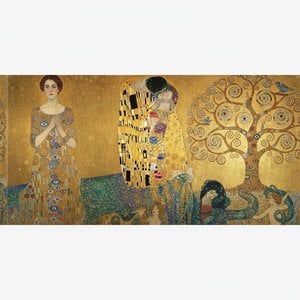
A Bold Statement Against Criticism: Gustav Klimt’s Goldfish
Gustav Klimt, born July 14, 1862, in Baumgarten near Vienna, emerged from a family touched by both artistic inclination and financial hardship. His father, Ernst Klimt, was a gold engraver, a profession that would subtly yet profoundly influence the young Gustav’s aesthetic sensibilities—the allure of gold leaf, the meticulous detail, the sheer opulence. The family's struggles meant frequent moves within Vienna, a transient upbringing that perhaps fostered in Klimt a keen observation of his surroundings and a sensitivity to human experience. Even as a child, his drawing skills were remarkable, nurtured by his father’s profession and an innate talent that quickly became apparent. In 1876, he entered the Vienna Kunstgewerbeschule (School of Applied Arts), embarking on formal training in architectural painting under Ferdinand Laufberger. This provided him with a solid technical foundation, but also exposed him to the prevailing academic styles—styles Klimt consciously rejected as he forged his own distinctive path.The Genesis of Defiance
Klimt’s artistic journey wasn't without its challenges. Three paintings preceding Goldfish had faced vehement disapproval from critics who deemed them excessively provocative, ultimately leading to their destruction. Driven by a desire to assert his artistic independence and respond directly to this censure, Klimt conceived Goldfish as an act of defiant creativity. The painting served as a powerful rebuttal to those voices questioning his vision and daring to challenge his stylistic choices.Composition and Symbolism: Layers of Meaning
The artwork’s composition is striking—four women draped in shimmering robes stand behind a central goldfish rendered in opulent gold leaf. This audacious image immediately drew considerable attention, particularly due to the deliberate positioning of one woman who playfully exposes her buttocks to the viewer – a gesture that fueled considerable controversy and debate. Klimt's inspiration stemmed from ancient myths and folklore, specifically tales of mermaids—figures embodying both beauty and danger—representing a core theme within the piece. The inclusion of animals—fish and birds—further reinforces this connection to nature and underscores Klimt’s belief in the interconnectedness between humanity and the natural world. The goldfish itself symbolizes not only visual splendor but also provocation, mirroring Klimt's intention to confront his detractors with an artwork that demanded contemplation and challenged conventional perceptions.Symbolic Technique: Embracing Ornamentation
Klimt’s artistic style is firmly rooted in Symbolism, prioritizing evocative imagery and conveying profound emotional resonance over literal representation. He skillfully employed gold leaf—a technique inherited from his father—to imbue the painting with a sense of grandeur and luxury. The intricate patterns adorning the women's robes are characteristic of Klimt’s decorative aesthetic, reflecting the influence of Byzantine mosaics and Islamic art – elements he deliberately incorporated to elevate the artwork beyond mere visual appeal. These patterns aren’t merely ornamental; they represent layers of psychological complexity and contribute significantly to the painting’s overall emotional impact.A Legacy of Bold Vision
Goldfish stands as a testament to Klimt's unwavering commitment to artistic innovation and his willingness to push boundaries. It exemplifies his mastery of Symbolism, his masterful use of technique—particularly gold leaf—and his profound engagement with themes of beauty, mythology, and human psychology. More than just a visually stunning artwork, Goldfish remains an enduring symbol of defiance against criticism and a celebration of Klimt’s visionary spirit. Its continued fascination speaks to the power of art to provoke thought and inspire contemplation – qualities that solidify its place as one of Gustav Klimt's most unforgettable creations.प्रश्न और उत्तर
"Goldfish" को किस तकनीक से बनाया गया है और इसका आकार क्या है?
मूल गुस्ताव क्लिम्ट द्वारा "Goldfish" एक Acrylic कृति है जिसका माप 181 x 66 cm है। तकनीक और आकार मूल कलाकृति का वर्णन करते हैं।
गुस्ताव क्लिम्ट द्वारा "Goldfish" के कलर पैलेट का वर्णन किस प्रकार किया गया है?
गुस्ताव क्लिम्ट द्वारा "Goldfish" में Dark रंगों का उपयोग किया गया है। यह रंग योजना कृति के समग्र रंग चरित्र को संक्षेप में प्रस्तुत करती है।
"Goldfish" गुस्ताव क्लिम्ट के करियर के किस काल की रचना है?
"Goldfish" गुस्ताव क्लिम्ट के करियर के Mature Style काल की रचना है। यह वर्गीकरण इस कृति को कलाकार के कलात्मक विकास से जोड़ता है।
समान कलाकृतियाँ


कलाकार की जीवनी
प्रारंभिक जीवन और कलात्मक शुरुआत
गुस्ताव क्लिमिट, जिनका जन्म 14 जुलाई 1862 को बामगार्टन, वियना के पास हुआ था, एक ऐसे परिवार से निकले थे जो कलात्मक रुझान और वित्तीय कठिनाई दोनों से प्रभावित थे। उनके पिता, अर्न्स्ट क्लिमिट, एक स्वर्ण नक्काशीकार थे, जिसका पेशा युवा गुस्ताव की सौंदर्य संबंधी समझ पर सूक्ष्म लेकिन गहरा प्रभाव डालेगा—स्वर्ण पत्र का आकर्षण, सावधानीपूर्वक विवरण, और पूर्ण वैभव। परिवार की संघर्षों के कारण वियना में बार-बार स्थानांतरित होना पड़ा, जिससे शायद क्लिमिट में अपने आस-पास के वातावरण का तीव्र अवलोकन और मानवीय अनुभव के प्रति संवेदनशीलता विकसित हुई। बचपन से ही उनकी ड्राइंग कौशल उल्लेखनीय थी, उनके पिता के पेशे और एक सहज प्रतिभा द्वारा पोषित जो जल्दी ही स्पष्ट हो गई। 1876 में, उन्होंने वियना कुन्स्टगेवेरबे Schule (अनुप्रयुक्त कला विद्यालय) में प्रवेश लिया, वास्तुकला चित्रकला में फर्डीनेंड लाउफबर्गर के अधीन औपचारिक प्रशिक्षण शुरू किया। इसने उन्हें एक ठोस तकनीकी नींव प्रदान की, लेकिन उन्हें प्रचलित अकादमिक शैलियों से भी अवगत कराया—शैलियाँ जिन्हें क्लिमिट ने अंततः चुनौती दी और पार कर लिया। यहीं पर उन्होंने अपने भाई अर्न्स्ट और फ्रांज वॉन मात्स के साथ एक महत्वपूर्ण कलात्मक साझेदारी भी बनाई, एक सहयोग जिसने सजावटी भित्ति चित्रों और छत के लिए शुरुआती कमीशन सुरक्षित किए, जिससे उनके भविष्य की सफलता का मार्ग प्रशस्त हुआ।वियना सेसेशन का उदय
1890 के दशक तक, क्लिमिट वियना की रूढ़िवादी कलात्मक प्रतिष्ठान से तेजी से निराश हो गए थे। वे अधिक रचनात्मक स्वतंत्रता, एक ऐसी जगह के लिए तरसते थे जहाँ परंपराओं की बाधाओं के बिना नवाचार फले-फूले। यह इच्छा 1897 में वियना सेसेशन के गठन में परिणत हुई, ऑस्ट्रियाई कला के इतिहास का एक महत्वपूर्ण क्षण। क्लिमिट को इसके पहले अध्यक्ष के रूप में चुना गया, जो आंदोलन का प्रतीक बन गए जिसने कठोर अकादमिक मानदंडों से दूर जाने और यूरोप में फैल रहे नए कलात्मक रुझानों—आर्ट नोव्यू, प्रतीकवाद और जापानीवाद को अपनाने की मांग की। सेसेशन के अपने प्रदर्शनी भवन, जो जोसेफ मारिया ओल्ब्रिच द्वारा डिजाइन किया गया था, इस विद्रोह का प्रतीक बन गया, आधुनिक कला को समर्पित एक मंदिर। क्लिमिट का काम सेसेशन के दर्शन का केंद्र था, जो पारंपरिक सौंदर्यशास्त्र के अस्वीकरण और सजावटी तत्वों, बोल्ड रंगों और प्रतीकात्मक कल्पना को अपनाने का प्रतिनिधित्व करता था। उनके चित्रों ने प्रेम, मृत्यु और कामुकता जैसे विषयों की अभूतपूर्व ईमानदारी के साथ अन्वेषण करना शुरू कर दिया, सामाजिक मानदंडों को चुनौती दी और प्रशंसा और आक्रोश दोनों को प्रेरित किया।स्वर्ण चरण और कलात्मक परिपक्वता
लगभग 1900 में, क्लिमिट ने उस समय "गोल्डन फेज" के रूप में जाना जाने वाला दौर अनुभव किया, जिसकी विशेषता सोने की पत्र का उदार उपयोग था, जो बीजान्टिन मोज़ेक और मध्ययुगीन प्रच्छन्न पांडुलिपियों से प्रेरित था। इस तकनीक ने उनके चित्रों को झिलमिलाते, अलौकिक दर्शनों में बदल दिया, जिसमें आध्यात्मिक गहराई और कामुक आकर्षण की भावना थी। *द किस* (1907-1908), शायद उनका सबसे प्रतिष्ठित कार्य, इस शैली का उदाहरण है—एक जोड़ा एक आलिंगन में बंद है, एक सुनहरा आभा में लिपटा हुआ है, उनके शरीर जटिल पैटर्न से सजे हुए हैं। इस अवधि ने क्लिमिट को *पोर्ट्रेट ऑफ एडेल ब्लच-बॉउर I* (1907) जैसी आश्चर्यजनक पोर्ट्रेट की एक श्रृंखला भी उत्पन्न करने के लिए प्रेरित किया, जिसने न केवल शारीरिक समानता बल्कि उनके विषयों की मनोवैज्ञानिक जटिलता को पकड़ने की उनकी क्षमता का प्रदर्शन किया। उन्होंने धीरे-धीरे चित्रकला और अलंकरण के बीच की रेखाओं को धुंधला कर दिया, अपने रचनाओं में सजावटी तत्वों को एकीकृत करके रूप और सामग्री के सामंजस्यपूर्ण संलयन बनाया। जापानी कला—जापानीवाद—का प्रभाव विशेष रूप से उनकी सपाट परिप्रेक्ष्य, रेखा पर जोर और सजावटी पैटर्न के उपयोग में स्पष्ट था।विवाद, प्रभाव और स्थायी विरासत
क्लिमिट का करियर विवादों से रहित नहीं था। 1900 में, उन्हें वियना विश्वविद्यालय की महान हॉल के लिए भित्ति चित्र पेंट करने के लिए एक प्रतिष्ठित कमीशन मिला, जो दर्शनशास्त्र, कानून और धर्मशास्त्र का प्रतिनिधित्व करते थे। हालाँकि, ये कार्य—विशेष रूप से *दर्शनशास्त्र*—रूढ़िवादी आलोचकों द्वारा उत्तेजक और यहां तक कि अश्लील भी माने गए, जिससे सार्वजनिक आक्रोश हुआ और अंततः क्लिमिट ने आगे सरकारी कमीशन स्वीकार करने से इनकार कर दिया। इस घटना ने उनके करियर में एक महत्वपूर्ण मोड़ चिह्नित किया, उन्हें अधिक निजी संरक्षण की ओर धकेल दिया और उन्हें अधिक कलात्मक स्वतंत्रता प्रदान की। अपने पूरे जीवन में, क्लिमिट को विविध प्रकार के कलाकारों और शैलियों से प्रभावित किया गया—हंस माकार्ट के ऐतिहासिक चित्रों से लेकर बीजान्टिन और जापान की सजावटी कलाओं तक। उन्होंने प्रतीकवाद आंदोलन से भी प्रेरणा ली, पौराणिक कथाओं, रूपकों और अवचेतन मन जैसे विषयों का पता लगाया। गुस्ताव क्लिमिट 6 फरवरी, 1918 को स्पेनिश फ्लू महामारी के दौरान स्ट्रोक से होने वाली मृत्यु तक विपुलता से चित्र बनाते रहे। उनके बाद के कार्यों ने अधिक अमूर्त रूपों और परिदृश्यों की खोज की, कलात्मक विकास को प्रदर्शित किया। अब उन्हें ऑस्ट्रियाई कला इतिहास में सबसे महत्वपूर्ण शख्सियतों में से एक, वियना सेसेशन का एक अग्रणी समर्थक और आर्ट नोव्यू की सुंदरता का एक स्थायी प्रतीक के रूप में पहचाना जाता है। उनकी पेंटिंग नीलामी में उच्च कीमतों पर बिकती हैं, और उनका प्रभाव समकालीन कला और डिजाइन में जारी रहता है।प्रमुख विशेषताएं और कलात्मक शैली
- प्रतीकवाद: क्लिमिट का काम गहराई से प्रतीकात्मक है, जो अक्सर प्रेम, मृत्यु, कामुकता और मानव स्थिति जैसे विषयों की खोज करता है।
- आर्ट नोव्यू: वह आर्ट नोव्यू आंदोलन के एक अग्रणी व्यक्ति थे, जिसकी विशेषता जैविक रेखाएँ, सजावटी पैटर्न और सुंदरता पर जोर दिया गया था।
- गोल्डन फेज: सोने की पत्र का उनका उपयोग झिलमिलाते, भव्य सतहें बनाता है जो उनकी हस्ताक्षर शैली बन गईं।
- सजावटी तत्व: क्लिमिट ने अपनी रचनाओं में सजावटी तत्वों को एकीकृत किया, जिससे चित्रकला और अलंकरण के बीच की रेखाएँ धुंधली हो गईं।
- महिला रूप: महिला शरीर उनके काम का एक केंद्रीय विषय था, अक्सर कामुकता और मनोवैज्ञानिक गहराई के साथ चित्रित किया जाता था।

गुस्ताव क्लिम्ट
1862 - 1918 , ऑस्ट्रिया
प्रमुख तथ्य
- Artistic Movement Or Style: आर्ट नोव्यू, प्रतीकवाद
- Artists Or Movements Influenced By This Artist:
- एगन शिएले
- अभिव्यक्तिवाद
- Artists Who Influenced This Artist:
- हंस मकार्त
- जापानी कला
- Date Of Birth: 14 जुलाई 1862
- Date Of Death: 6 फरवरी 1918
- Full Name: गुस्ताव क्लिमिट
- Nationality: ऑस्ट्रियाई
- Notable Artworks:
- द किस
- पोर्ट्रेट ऑफ़ एडेल
- Place Of Birth: बाउमगार्टन, ऑस्ट्रिया
संबंधित लेख

The Vienna Secession: A Rebellion of Form & Spirit in Fin-de-Siècle Art
Discover the revolutionary Vienna Secession art movement! Explore Klimt, Olbrich & more. Learn about its history, characteristics & lasting influence on modern art. High-quality reproductions available.

Golden Masterpieces: 10 Paintings That Define Art History | ArtsDot
Explore 10 breathtaking paintings where gold leaf shines! From Klimt to Byzantine icons, discover art history’s most gilded masterpieces. Find museum-quality reproductions & elevate your home decor with ArtsDot. Explore the full collection online.
गुस्ताव क्लिम्ट की शीर्ष 25 उत्कृष्ट कृतियाँ: कला और सजावट का संगम
गुस्ताव क्लिम्ट की शीर्ष 25 कलाकृतियों में खो जाएं! आर्ट नोव्यू, सुनहरा काल और प्रेम से भरी पेंटिंग का अनुभव करें। उच्च गुणवत्ता वाले कला प्रिंट और सजावट के विचार ArtsDot.com पर खोजें।

Golden Glow: How to Use Metallic Gold Artworks to Elevate Your Home Decor with Timeless Luxury
Discover how to elevate your home with the timeless elegance of metallic gold artworks. From sculptural metal pieces to gilded oil paintings, learn expert interior design tips for integrating luxurious gold accents into your space with sophistication and grace.

The Allure of Gold in Art History: Symbolism, Technique & Cultural Significance
Explore the rich history of gold in art! Discover symbolism, techniques & cultural significance from ancient civilizations to Klimt's masterpieces. Expert insights for collectors at ArtsDot.


