

 पूर्वावलोकन देखें
 साझा करें
 साझा करें
 विस्तृत विवरण
 मार्गदर्शिका

 डाउनलोड करें
 समान वस्तुएं
 एक्स-रे
 स्लाइड शो देखें
 प्रश्न और उत्तर
 आंकड़े
Der Neid


 पूरा देखें
गिक्ली / आर्ट प्रिंट
तेज़ उत्पादन और विभिन्न फिनिश विकल्पों के साथ म्यूजियम-क्वालिटी गिकली (giclée) या कैनवस प्रिंट। ( इस संग्रहणीय वस्तु की हाथ से बनी प्रतिकृति मंगवाएं डिजिटल इमेज पर स्विच करें)




P118B ₹10

P118H ₹10

P118W ₹10

P438Z ₹10

P508JH ₹12

P508YH ₹12

P805H ₹10

P805Z ₹10

P919BZ ₹10

P919G ₹10

P919XJ ₹10

P959ZH ₹10

P968JZ ₹12

W106C ₹8

W218G ₹10

W218JH ₹8

W218Y ₹10

W307PJ ₹10

W316G ₹10

W316PJ ₹8

W316Y ₹10

W398PJ ₹8

W4111J ₹10

W500HY ₹15

W500JH ₹15

W692G ₹12

W849H ₹8

W940BG ₹15

W953PJ ₹8




कलाकृति के मूल अनुपात से मेल खाने वाले हमारे पूर्व निर्धारित आकारों में से चुनें।

अपने फ्रेम या अपनी दीवार के अनुसार आवश्यक चौड़ाई और ऊंचाई दर्ज करें। प्रिंट को केवल काटा जा सकता है, चित्र से बड़ा कभी नहीं बनाया जा सकता, इसलिए अलग आकार का साइज चित्र का एक हिस्सा खो देता है। किसी भी चीज़ को प्रिंट करने से पहले हम आपकी स्वीकृति के लिए आपको एक डिजिटल मॉकअप भेजते हैं। इस पृष्ठ पर दिखाया गया चित्र वास्तविक कटिंग नहीं दिखाता है — केवल मॉकअप ही इसे दर्शाता है।
विश्वव्यापी डिलीवरी (), मानक 4/5 सप्ताह के बजाय मात्र 2 सप्ताह में। (4 नवमबर)

दुनिया भर में मुफ़्त एक्सप्रेस शिपिंग

उच्च गुणवत्ता वाला लिनेन कैनवास

पूर्ण शिपिंग बीमा

सीमा शुल्क और आयात कर वापसी की गारंटी

सटीक रंग मिलान की गारंटी

100 दिनों की वापसी नीति (केवल दोष होने पर)

100% पैसे वापसी की गारंटी

थोक छूट का अवसर
 ग्लास का विकल्प केवल 110 सेमी से कम आकार में ही उपलब्ध है।

Der Neid
गिक्ली / आर्ट प्रिंट
प्रतिकृति का आकार
-


कुल देय राशि
₹ 6077
Der Neid: A Study in Envy and Ornamentation by Gustav Klimt
Gustav Klimt’s “Der Neid” – "The Envy" – is more than just a painting; it's a profound meditation on the corrosive nature of jealousy, rendered with Klimt’s signature blend of decadent beauty and psychological depth. This evocative work, captured in this striking black-and-white photograph, immediately draws the viewer into its world of swirling patterns, stylized forms, and a central female figure consumed by an unspoken sorrow. The composition itself is masterful – a vertical emphasis directs our gaze to the woman, anchoring her within a landscape of shimmering reflection and intricate ornamentation that seems to both entrap and amplify her emotional state.
- Art Nouveau’s Embrace: “Der Neid” firmly establishes Klimt's place within the Art Nouveau movement. The flowing lines, organic shapes, and decorative elements are hallmarks of this style, reflecting a desire to move beyond the rigid formalism of academic art and embrace a more sensual, expressive approach.
- Mirror as Metaphor: The inclusion of a large mirror is crucial to understanding the painting’s symbolism. Mirrors have long represented self-reflection, but in Klimt's hands, it becomes something far more complex – a distorted reflection of not just the woman herself, but perhaps her own desires and insecurities.
Technique and Materials: A Masterclass in Decorative Painting
Klimt’s technique was as meticulously crafted as the decorative elements he employed. While this photograph captures the image in grayscale, it's clear that the original artwork utilized a sophisticated combination of materials and methods. The use of oil paint, likely layered with tempera for added durability and brilliance, allowed Klimt to achieve the rich textures and luminous effects characteristic of his work. Crucially, the incorporation of gold leaf – a signature element in Klimt’s oeuvre – would have elevated the painting to an almost otherworldly level, adding layers of shimmering luxury that further emphasized the themes of desire and illusion.
- Surface Texture: The photograph reveals subtle variations in tone, suggesting the artist's skillful manipulation of surface texture through layering and glazing techniques.
- Gold Leaf’s Significance: Klimt frequently employed gold leaf to create a sense of opulence and spiritual significance, often associating it with themes of fertility, rebirth, and divine beauty.
Symbolism and Emotional Resonance
“Der Neid” is steeped in symbolism, inviting viewers to contemplate the darker aspects of human emotion. The woman’s posture – a slight slump of the shoulders, a downward gaze – speaks volumes about her internal struggle. Her reflection within the mirror adds another layer of complexity, suggesting that envy isn't merely an external force but also something deeply rooted within our own psyche. The surrounding patterns, resembling stylized foliage or perhaps even tangled vines, could represent the entanglements and complexities of human relationships, further fueling the sense of entrapment.
- Melancholy Mood: The overall mood is one of profound melancholy, a feeling intensified by the muted color palette and Klimt’s masterful use of line.
- The Female Figure as Vessel: The central female figure can be interpreted as a vessel for these intense emotions, embodying both vulnerability and strength.
Historical Context and Artistic Legacy
Created during Klimt's most prolific period – the early 20th century – “Der Neid” reflects the broader cultural anxieties of the time. The rise of industrialization, urbanization, and social change contributed to a sense of unease and uncertainty, themes that frequently appear in Klimt’s work. As one of the leading figures of the Vienna Secession, Klimt challenged traditional artistic conventions and paved the way for modern art movements. “Der Neid” stands as a testament to his genius – a timeless exploration of human emotion rendered with unparalleled skill and artistry.
प्रश्न और उत्तर
"Der Neid" किस कला शैली से संबंधित है?
"Der Neid" Art Nouveau की एक कृति है। यह आंदोलन उस कलात्मक परंपरा को दर्शाता है जिसका यह कार्य हिस्सा है।
गुस्ताव क्लिम्ट द्वारा "Der Neid" का ओरिएंटेशन (orientation) क्या है?
गुस्ताव क्लिम्ट द्वारा "Der Neid" का स्वरूप Tall है। यह स्वरूप रचना के अनुपात को दर्शाता है।
"Der Neid" के रंग एक-दूसरे के साथ किस प्रकार मेल खाते हैं?
गुस्ताव क्लिम्ट द्वारा "Der Neid" में एक Unified Palette रंग सामंजस्य प्रदर्शित होता है।
समान कलाकृतियाँ


कलाकार की जीवनी
प्रारंभिक जीवन और कलात्मक शुरुआत
गुस्ताव क्लिमिट, जिनका जन्म 14 जुलाई 1862 को बामगार्टन, वियना के पास हुआ था, एक ऐसे परिवार से निकले थे जो कलात्मक रुझान और वित्तीय कठिनाई दोनों से प्रभावित थे। उनके पिता, अर्न्स्ट क्लिमिट, एक स्वर्ण नक्काशीकार थे, जिसका पेशा युवा गुस्ताव की सौंदर्य संबंधी समझ पर सूक्ष्म लेकिन गहरा प्रभाव डालेगा—स्वर्ण पत्र का आकर्षण, सावधानीपूर्वक विवरण, और पूर्ण वैभव। परिवार की संघर्षों के कारण वियना में बार-बार स्थानांतरित होना पड़ा, जिससे शायद क्लिमिट में अपने आस-पास के वातावरण का तीव्र अवलोकन और मानवीय अनुभव के प्रति संवेदनशीलता विकसित हुई। बचपन से ही उनकी ड्राइंग कौशल उल्लेखनीय थी, उनके पिता के पेशे और एक सहज प्रतिभा द्वारा पोषित जो जल्दी ही स्पष्ट हो गई। 1876 में, उन्होंने वियना कुन्स्टगेवेरबे Schule (अनुप्रयुक्त कला विद्यालय) में प्रवेश लिया, वास्तुकला चित्रकला में फर्डीनेंड लाउफबर्गर के अधीन औपचारिक प्रशिक्षण शुरू किया। इसने उन्हें एक ठोस तकनीकी नींव प्रदान की, लेकिन उन्हें प्रचलित अकादमिक शैलियों से भी अवगत कराया—शैलियाँ जिन्हें क्लिमिट ने अंततः चुनौती दी और पार कर लिया। यहीं पर उन्होंने अपने भाई अर्न्स्ट और फ्रांज वॉन मात्स के साथ एक महत्वपूर्ण कलात्मक साझेदारी भी बनाई, एक सहयोग जिसने सजावटी भित्ति चित्रों और छत के लिए शुरुआती कमीशन सुरक्षित किए, जिससे उनके भविष्य की सफलता का मार्ग प्रशस्त हुआ।वियना सेसेशन का उदय
1890 के दशक तक, क्लिमिट वियना की रूढ़िवादी कलात्मक प्रतिष्ठान से तेजी से निराश हो गए थे। वे अधिक रचनात्मक स्वतंत्रता, एक ऐसी जगह के लिए तरसते थे जहाँ परंपराओं की बाधाओं के बिना नवाचार फले-फूले। यह इच्छा 1897 में वियना सेसेशन के गठन में परिणत हुई, ऑस्ट्रियाई कला के इतिहास का एक महत्वपूर्ण क्षण। क्लिमिट को इसके पहले अध्यक्ष के रूप में चुना गया, जो आंदोलन का प्रतीक बन गए जिसने कठोर अकादमिक मानदंडों से दूर जाने और यूरोप में फैल रहे नए कलात्मक रुझानों—आर्ट नोव्यू, प्रतीकवाद और जापानीवाद को अपनाने की मांग की। सेसेशन के अपने प्रदर्शनी भवन, जो जोसेफ मारिया ओल्ब्रिच द्वारा डिजाइन किया गया था, इस विद्रोह का प्रतीक बन गया, आधुनिक कला को समर्पित एक मंदिर। क्लिमिट का काम सेसेशन के दर्शन का केंद्र था, जो पारंपरिक सौंदर्यशास्त्र के अस्वीकरण और सजावटी तत्वों, बोल्ड रंगों और प्रतीकात्मक कल्पना को अपनाने का प्रतिनिधित्व करता था। उनके चित्रों ने प्रेम, मृत्यु और कामुकता जैसे विषयों की अभूतपूर्व ईमानदारी के साथ अन्वेषण करना शुरू कर दिया, सामाजिक मानदंडों को चुनौती दी और प्रशंसा और आक्रोश दोनों को प्रेरित किया।स्वर्ण चरण और कलात्मक परिपक्वता
लगभग 1900 में, क्लिमिट ने उस समय "गोल्डन फेज" के रूप में जाना जाने वाला दौर अनुभव किया, जिसकी विशेषता सोने की पत्र का उदार उपयोग था, जो बीजान्टिन मोज़ेक और मध्ययुगीन प्रच्छन्न पांडुलिपियों से प्रेरित था। इस तकनीक ने उनके चित्रों को झिलमिलाते, अलौकिक दर्शनों में बदल दिया, जिसमें आध्यात्मिक गहराई और कामुक आकर्षण की भावना थी। *द किस* (1907-1908), शायद उनका सबसे प्रतिष्ठित कार्य, इस शैली का उदाहरण है—एक जोड़ा एक आलिंगन में बंद है, एक सुनहरा आभा में लिपटा हुआ है, उनके शरीर जटिल पैटर्न से सजे हुए हैं। इस अवधि ने क्लिमिट को *पोर्ट्रेट ऑफ एडेल ब्लच-बॉउर I* (1907) जैसी आश्चर्यजनक पोर्ट्रेट की एक श्रृंखला भी उत्पन्न करने के लिए प्रेरित किया, जिसने न केवल शारीरिक समानता बल्कि उनके विषयों की मनोवैज्ञानिक जटिलता को पकड़ने की उनकी क्षमता का प्रदर्शन किया। उन्होंने धीरे-धीरे चित्रकला और अलंकरण के बीच की रेखाओं को धुंधला कर दिया, अपने रचनाओं में सजावटी तत्वों को एकीकृत करके रूप और सामग्री के सामंजस्यपूर्ण संलयन बनाया। जापानी कला—जापानीवाद—का प्रभाव विशेष रूप से उनकी सपाट परिप्रेक्ष्य, रेखा पर जोर और सजावटी पैटर्न के उपयोग में स्पष्ट था।विवाद, प्रभाव और स्थायी विरासत
क्लिमिट का करियर विवादों से रहित नहीं था। 1900 में, उन्हें वियना विश्वविद्यालय की महान हॉल के लिए भित्ति चित्र पेंट करने के लिए एक प्रतिष्ठित कमीशन मिला, जो दर्शनशास्त्र, कानून और धर्मशास्त्र का प्रतिनिधित्व करते थे। हालाँकि, ये कार्य—विशेष रूप से *दर्शनशास्त्र*—रूढ़िवादी आलोचकों द्वारा उत्तेजक और यहां तक कि अश्लील भी माने गए, जिससे सार्वजनिक आक्रोश हुआ और अंततः क्लिमिट ने आगे सरकारी कमीशन स्वीकार करने से इनकार कर दिया। इस घटना ने उनके करियर में एक महत्वपूर्ण मोड़ चिह्नित किया, उन्हें अधिक निजी संरक्षण की ओर धकेल दिया और उन्हें अधिक कलात्मक स्वतंत्रता प्रदान की। अपने पूरे जीवन में, क्लिमिट को विविध प्रकार के कलाकारों और शैलियों से प्रभावित किया गया—हंस माकार्ट के ऐतिहासिक चित्रों से लेकर बीजान्टिन और जापान की सजावटी कलाओं तक। उन्होंने प्रतीकवाद आंदोलन से भी प्रेरणा ली, पौराणिक कथाओं, रूपकों और अवचेतन मन जैसे विषयों का पता लगाया। गुस्ताव क्लिमिट 6 फरवरी, 1918 को स्पेनिश फ्लू महामारी के दौरान स्ट्रोक से होने वाली मृत्यु तक विपुलता से चित्र बनाते रहे। उनके बाद के कार्यों ने अधिक अमूर्त रूपों और परिदृश्यों की खोज की, कलात्मक विकास को प्रदर्शित किया। अब उन्हें ऑस्ट्रियाई कला इतिहास में सबसे महत्वपूर्ण शख्सियतों में से एक, वियना सेसेशन का एक अग्रणी समर्थक और आर्ट नोव्यू की सुंदरता का एक स्थायी प्रतीक के रूप में पहचाना जाता है। उनकी पेंटिंग नीलामी में उच्च कीमतों पर बिकती हैं, और उनका प्रभाव समकालीन कला और डिजाइन में जारी रहता है।प्रमुख विशेषताएं और कलात्मक शैली
- प्रतीकवाद: क्लिमिट का काम गहराई से प्रतीकात्मक है, जो अक्सर प्रेम, मृत्यु, कामुकता और मानव स्थिति जैसे विषयों की खोज करता है।
- आर्ट नोव्यू: वह आर्ट नोव्यू आंदोलन के एक अग्रणी व्यक्ति थे, जिसकी विशेषता जैविक रेखाएँ, सजावटी पैटर्न और सुंदरता पर जोर दिया गया था।
- गोल्डन फेज: सोने की पत्र का उनका उपयोग झिलमिलाते, भव्य सतहें बनाता है जो उनकी हस्ताक्षर शैली बन गईं।
- सजावटी तत्व: क्लिमिट ने अपनी रचनाओं में सजावटी तत्वों को एकीकृत किया, जिससे चित्रकला और अलंकरण के बीच की रेखाएँ धुंधली हो गईं।
- महिला रूप: महिला शरीर उनके काम का एक केंद्रीय विषय था, अक्सर कामुकता और मनोवैज्ञानिक गहराई के साथ चित्रित किया जाता था।

गुस्ताव क्लिम्ट
1862 - 1918 , ऑस्ट्रिया
प्रमुख तथ्य
- Artistic Movement Or Style: आर्ट नोव्यू, प्रतीकवाद
- Artists Or Movements Influenced By This Artist:
- एगन शिएले
- अभिव्यक्तिवाद
- Artists Who Influenced This Artist:
- हंस मकार्त
- जापानी कला
- Date Of Birth: 14 जुलाई 1862
- Date Of Death: 6 फरवरी 1918
- Full Name: गुस्ताव क्लिमिट
- Nationality: ऑस्ट्रियाई
- Notable Artworks:
- द किस
- पोर्ट्रेट ऑफ़ एडेल
- Place Of Birth: बाउमगार्टन, ऑस्ट्रिया
संबंधित लेख

The Enduring Legacy of Fine Art Prints: Technique, History & Aesthetic Impact
Explore the rich history & techniques of fine art prints. Discover investment potential, assess authenticity, and learn how to preserve your collection with expert guidance. Trusted insights for discerning collectors.
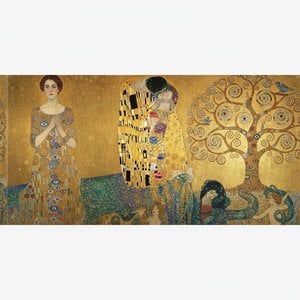
गुस्ताव क्लिम्ट की शीर्ष 25 उत्कृष्ट कृतियाँ: कला और सजावट का संगम
गुस्ताव क्लिम्ट की शीर्ष 25 कलाकृतियों में खो जाएं! आर्ट नोव्यू, सुनहरा काल और प्रेम से भरी पेंटिंग का अनुभव करें। उच्च गुणवत्ता वाले कला प्रिंट और सजावट के विचार ArtsDot.com पर खोजें।

कला पुनरुत्पादन: तेल, कैनवास और कागज – शैली, तकनीकें और संरक्षण की एक शैक्षणिक समीक्षा
तेल चित्रकला, कैनवास और कागज माध्यमों की गहन समीक्षा। तकनीकें, शैली, संरक्षण युक्तियाँ और ArtsDot द्वारा उच्च-गुणवत्ता पुनरुत्पादन प्राप्त करें। कला प्रेमियों के लिए विशेषज्ञ मार्गदर्शन।

Giclée Prints: Archival Quality & Aesthetic Nuances for the Discerning Collector
Explore the world of giclée prints with ArtsDot. Learn about archival quality, aesthetic nuances & investment potential. Expert guidance for discerning art collectors seeking museum-quality reproductions and lasting value.

कला का स्वर्ग: आर्ट नोव्यू को परिभाषित करने वाले शीर्ष 10 उत्कृष्ट कृतियाँ | ArtsDot
आर्ट नोव्यू के शीर्ष 10 उत्कृष्ट कृतियाँ जानें! मुचा, क्लिम्ट और अन्य महान कलाकारों की दुनिया में कदम रखें। ArtsDot.com पर कला इतिहास और प्रेरणादायक सजावट खोजें। अब संग्रह देखें!


