


 पूर्वावलोकन देखें
 भेजें
भेजें साझा करें
 विवरण देखें
 मार्गदर्शिका

 डाउनलोड करें
 समान वस्तुएं
 एक्स-रे
 स्लाइड शो देखें
 आंकड़े
Composition Design for


 और पढ़ें
गिक्ली / आर्ट प्रिंट
तेज़ उत्पादन और विभिन्न फिनिश विकल्पों के साथ म्यूजियम-क्वालिटी गिकली (giclée) या कैनवस प्रिंट। ( हाथ से बनी पेंटिंग खरीदें डिजिटल इमेज पर जाएँ)




P118B ₹10

P118H ₹10

P118W ₹10

P438Z ₹10

P508JH ₹12

P508YH ₹12

P805H ₹10

P805Z ₹10

P919BZ ₹10

P919G ₹10

P919XJ ₹10

P959ZH ₹10

P968JZ ₹12

W106C ₹8

W218G ₹10

W218JH ₹8

W218Y ₹10

W307PJ ₹10

W316G ₹10

W316PJ ₹8

W316Y ₹10

W398PJ ₹8

W4111J ₹10

W500HY ₹15

W500JH ₹15

W692G ₹12

W849H ₹8

W940BG ₹15

W953PJ ₹8




कलाकृति के मूल अनुपात से मेल खाने वाले हमारे पूर्व निर्धारित आकारों में से चुनें।

अपने फ्रेम या अपनी दीवार के अनुसार आवश्यक चौड़ाई और ऊंचाई दर्ज करें। प्रिंट को केवल काटा जा सकता है, चित्र से बड़ा कभी नहीं बनाया जा सकता, इसलिए अलग आकार का साइज चित्र का एक हिस्सा खो देता है। किसी भी चीज़ को प्रिंट करने से पहले हम आपकी स्वीकृति के लिए आपको एक डिजिटल मॉकअप भेजते हैं। इस पृष्ठ पर दिखाया गया चित्र वास्तविक कटिंग नहीं दिखाता है — केवल मॉकअप ही इसे दर्शाता है।
विश्वव्यापी डिलीवरी (), मानक 4/5 सप्ताह के बजाय मात्र 2 सप्ताह में। (22 अक्टूबर)

दुनिया भर में मुफ़्त एक्सप्रेस शिपिंग

प्रीमियम ग्रेड लिनेन कैनवास

पूर्ण शिपिंग बीमा

सीमा शुल्क और आयात कर वापसी की गारंटी

सटीक रंग मिलान की गारंटी

100 दिनों की वापसी नीति (केवल निर्माण दोष होने पर)

100% पैसे वापसी की गारंटी

थोक छूट का अवसर
 ग्लास का विकल्प केवल 110 सेमी से कम आकार में ही उपलब्ध है।

Composition Design for
गिक्ली / आर्ट प्रिंट
प्रतिकृति का आकार
-


कुल मूल्य
₹ 5940
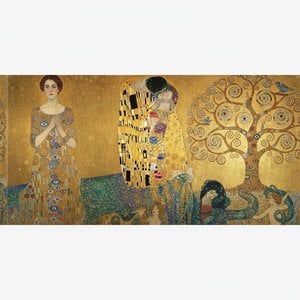
A Glimpse Behind the Veil: Gustav Klimt’s Composition Design for “Composition Design for”
Gustav Klimt's "Composition Design for," dated 1882, isn’t merely a preparatory sketch; it’s a tantalizing window into the genesis of one of his most iconic paintings. This drawing, rendered with a confident hand and a nascent understanding of the opulent style that would define his career, offers a remarkably intimate view of Klimt's creative process – a world of swirling patterns, veiled figures, and the shimmering promise of gold. The work itself is deceptively simple in its execution, yet brimming with the seeds of the complex symbolism and decorative intensity that would characterize his mature oeuvre. It’s a testament to Klimt’s early experimentation, a crucial stepping stone on his path toward revolutionizing Viennese art.
Born in Baumgarten near Vienna in 1862, Klimt's artistic lineage was inextricably linked to the world of craftsmanship. His father, Ernst Klimt, a gold engraver, instilled within young Gustav not just an appreciation for intricate detail and luxurious materials – qualities vividly reflected in the drawing’s subtle layering of charcoal – but also a deep understanding of how surfaces could be manipulated to create illusion and depth. This familial connection to the decorative arts would prove profoundly influential, shaping Klimt's later embrace of gold leaf and his exploration of patterns as vehicles for emotional expression. The transient upbringing that followed, marked by frequent moves within Vienna, undoubtedly sharpened his observational skills, allowing him to capture the nuances of human interaction with a remarkable sensitivity.
The Dance of Form and Figure
The drawing depicts a group of figures engaged in various activities – seated on a bench, standing in conversation, seemingly lost in their own thoughts. The arrangement is deliberately loose, prioritizing gesture and atmosphere over precise representation. Klimt isn’t striving for photographic realism; instead, he's capturing the *feeling* of a social gathering, the unspoken dynamics between individuals. Notice how he uses overlapping forms to create a sense of spatial ambiguity – figures seem to emerge from and recede into one another, blurring the boundaries between foreground and background. This technique anticipates Klimt’s later development of his signature flattened picture plane, where decorative elements become integral to the narrative.
The seated figure, positioned centrally, is particularly intriguing. Their posture suggests a moment of contemplation or perhaps even melancholy. The surrounding figures, though less defined, contribute to the overall mood of quiet intimacy. Klimt’s masterful use of shading and line work subtly reveals their forms, hinting at clothing, facial features, and body language without resorting to detailed rendering. This restraint is deliberate; it allows the viewer's imagination to fill in the gaps, creating a more personal connection with the scene.
Symbolism and the Dawn of Ornamentation
Even in this preliminary sketch, traces of Klimt’s future symbolic language begin to emerge. The use of geometric patterns – particularly evident in the suggestion of drapery and architectural elements – foreshadows his later obsession with ornamentation. These aren't merely decorative flourishes; they represent a deeper engagement with themes of sexuality, spirituality, and the duality of masculine and feminine energies. The potential for gold, so central to Klimt’s mature work, is already palpable in the drawing’s subtle tonal variations and the suggestion of shimmering surfaces.
Considering the historical context – Vienna at the turn of the 20th century was a hub of artistic innovation, grappling with issues of modernity, sexuality, and social change – “Composition Design for” can be seen as a reflection of these turbulent times. Klimt’s work challenged conventional notions of beauty and representation, paving the way for new forms of artistic expression. The drawing itself embodies this spirit of experimentation, offering a glimpse into an artist on the cusp of greatness.
Bringing Klimt to Your Space: A High-Quality Reproduction
ArtsDot offers meticulously crafted hand-painted reproductions of Gustav Klimt’s “Composition Design for,” capturing the essence of this pivotal work with unparalleled fidelity. Our artists utilize traditional techniques and archival-quality materials to ensure that each reproduction faithfully replicates the drawing's delicate details, nuanced tonal range, and atmospheric depth. Whether you are an art collector, interior designer seeking a touch of Viennese elegance, or simply an admirer of Klimt’s genius, our reproductions provide a beautiful and authentic way to experience this remarkable piece of art history. Explore the collection today and bring the captivating world of Gustav Klimt into your home.
प्रश्न और उत्तर
गुस्ताव क्लिम्ट द्वारा "Composition Design for" में किस स्तर की संतृप्ति (saturation) और तीव्रता दिखाई देती है?
गुस्ताव क्लिम्ट द्वारा "Composition Design for" के रंग Subtle Color संतृप्ति (saturation) और Balanced तीव्रता प्रदर्शित करते हैं।
गुस्ताव क्लिम्ट द्वारा "Composition Design for" के प्रिंट के लिए किस आकार और ओरिएंटेशन (orientation) की सिफारिश की जाती है?
गुस्ताव क्लिम्ट द्वारा "Composition Design for" की प्रिंटिंग के लिए Large आकार और Landscape ओरिएंटेशन (झुकाव) की सलाह दी जाती है।
"Composition Design for" के प्रिंट का अनुशंसित उपयोग क्या है?
गुस्ताव क्लिम्ट द्वारा "Composition Design for" के लिए सुझाया गया उपयोग Statement है। इसका अन्य उद्देश्यों के लिए भी उपयोग किया जा सकता है।
समान कलाकृतियाँ


कलाकार का परिचय
प्रारंभिक जीवन और कलात्मक शुरुआत
गुस्ताव क्लिमिट, जिनका जन्म 14 जुलाई 1862 को बामगार्टन, वियना के पास हुआ था, एक ऐसे परिवार से निकले थे जो कलात्मक रुझान और वित्तीय कठिनाई दोनों से प्रभावित थे। उनके पिता, अर्न्स्ट क्लिमिट, एक स्वर्ण नक्काशीकार थे, जिसका पेशा युवा गुस्ताव की सौंदर्य संबंधी समझ पर सूक्ष्म लेकिन गहरा प्रभाव डालेगा—स्वर्ण पत्र का आकर्षण, सावधानीपूर्वक विवरण, और पूर्ण वैभव। परिवार की संघर्षों के कारण वियना में बार-बार स्थानांतरित होना पड़ा, जिससे शायद क्लिमिट में अपने आस-पास के वातावरण का तीव्र अवलोकन और मानवीय अनुभव के प्रति संवेदनशीलता विकसित हुई। बचपन से ही उनकी ड्राइंग कौशल उल्लेखनीय थी, उनके पिता के पेशे और एक सहज प्रतिभा द्वारा पोषित जो जल्दी ही स्पष्ट हो गई। 1876 में, उन्होंने वियना कुन्स्टगेवेरबे Schule (अनुप्रयुक्त कला विद्यालय) में प्रवेश लिया, वास्तुकला चित्रकला में फर्डीनेंड लाउफबर्गर के अधीन औपचारिक प्रशिक्षण शुरू किया। इसने उन्हें एक ठोस तकनीकी नींव प्रदान की, लेकिन उन्हें प्रचलित अकादमिक शैलियों से भी अवगत कराया—शैलियाँ जिन्हें क्लिमिट ने अंततः चुनौती दी और पार कर लिया। यहीं पर उन्होंने अपने भाई अर्न्स्ट और फ्रांज वॉन मात्स के साथ एक महत्वपूर्ण कलात्मक साझेदारी भी बनाई, एक सहयोग जिसने सजावटी भित्ति चित्रों और छत के लिए शुरुआती कमीशन सुरक्षित किए, जिससे उनके भविष्य की सफलता का मार्ग प्रशस्त हुआ।वियना सेसेशन का उदय
1890 के दशक तक, क्लिमिट वियना की रूढ़िवादी कलात्मक प्रतिष्ठान से तेजी से निराश हो गए थे। वे अधिक रचनात्मक स्वतंत्रता, एक ऐसी जगह के लिए तरसते थे जहाँ परंपराओं की बाधाओं के बिना नवाचार फले-फूले। यह इच्छा 1897 में वियना सेसेशन के गठन में परिणत हुई, ऑस्ट्रियाई कला के इतिहास का एक महत्वपूर्ण क्षण। क्लिमिट को इसके पहले अध्यक्ष के रूप में चुना गया, जो आंदोलन का प्रतीक बन गए जिसने कठोर अकादमिक मानदंडों से दूर जाने और यूरोप में फैल रहे नए कलात्मक रुझानों—आर्ट नोव्यू, प्रतीकवाद और जापानीवाद को अपनाने की मांग की। सेसेशन के अपने प्रदर्शनी भवन, जो जोसेफ मारिया ओल्ब्रिच द्वारा डिजाइन किया गया था, इस विद्रोह का प्रतीक बन गया, आधुनिक कला को समर्पित एक मंदिर। क्लिमिट का काम सेसेशन के दर्शन का केंद्र था, जो पारंपरिक सौंदर्यशास्त्र के अस्वीकरण और सजावटी तत्वों, बोल्ड रंगों और प्रतीकात्मक कल्पना को अपनाने का प्रतिनिधित्व करता था। उनके चित्रों ने प्रेम, मृत्यु और कामुकता जैसे विषयों की अभूतपूर्व ईमानदारी के साथ अन्वेषण करना शुरू कर दिया, सामाजिक मानदंडों को चुनौती दी और प्रशंसा और आक्रोश दोनों को प्रेरित किया।स्वर्ण चरण और कलात्मक परिपक्वता
लगभग 1900 में, क्लिमिट ने उस समय "गोल्डन फेज" के रूप में जाना जाने वाला दौर अनुभव किया, जिसकी विशेषता सोने की पत्र का उदार उपयोग था, जो बीजान्टिन मोज़ेक और मध्ययुगीन प्रच्छन्न पांडुलिपियों से प्रेरित था। इस तकनीक ने उनके चित्रों को झिलमिलाते, अलौकिक दर्शनों में बदल दिया, जिसमें आध्यात्मिक गहराई और कामुक आकर्षण की भावना थी। *द किस* (1907-1908), शायद उनका सबसे प्रतिष्ठित कार्य, इस शैली का उदाहरण है—एक जोड़ा एक आलिंगन में बंद है, एक सुनहरा आभा में लिपटा हुआ है, उनके शरीर जटिल पैटर्न से सजे हुए हैं। इस अवधि ने क्लिमिट को *पोर्ट्रेट ऑफ एडेल ब्लच-बॉउर I* (1907) जैसी आश्चर्यजनक पोर्ट्रेट की एक श्रृंखला भी उत्पन्न करने के लिए प्रेरित किया, जिसने न केवल शारीरिक समानता बल्कि उनके विषयों की मनोवैज्ञानिक जटिलता को पकड़ने की उनकी क्षमता का प्रदर्शन किया। उन्होंने धीरे-धीरे चित्रकला और अलंकरण के बीच की रेखाओं को धुंधला कर दिया, अपने रचनाओं में सजावटी तत्वों को एकीकृत करके रूप और सामग्री के सामंजस्यपूर्ण संलयन बनाया। जापानी कला—जापानीवाद—का प्रभाव विशेष रूप से उनकी सपाट परिप्रेक्ष्य, रेखा पर जोर और सजावटी पैटर्न के उपयोग में स्पष्ट था।विवाद, प्रभाव और स्थायी विरासत
क्लिमिट का करियर विवादों से रहित नहीं था। 1900 में, उन्हें वियना विश्वविद्यालय की महान हॉल के लिए भित्ति चित्र पेंट करने के लिए एक प्रतिष्ठित कमीशन मिला, जो दर्शनशास्त्र, कानून और धर्मशास्त्र का प्रतिनिधित्व करते थे। हालाँकि, ये कार्य—विशेष रूप से *दर्शनशास्त्र*—रूढ़िवादी आलोचकों द्वारा उत्तेजक और यहां तक कि अश्लील भी माने गए, जिससे सार्वजनिक आक्रोश हुआ और अंततः क्लिमिट ने आगे सरकारी कमीशन स्वीकार करने से इनकार कर दिया। इस घटना ने उनके करियर में एक महत्वपूर्ण मोड़ चिह्नित किया, उन्हें अधिक निजी संरक्षण की ओर धकेल दिया और उन्हें अधिक कलात्मक स्वतंत्रता प्रदान की। अपने पूरे जीवन में, क्लिमिट को विविध प्रकार के कलाकारों और शैलियों से प्रभावित किया गया—हंस माकार्ट के ऐतिहासिक चित्रों से लेकर बीजान्टिन और जापान की सजावटी कलाओं तक। उन्होंने प्रतीकवाद आंदोलन से भी प्रेरणा ली, पौराणिक कथाओं, रूपकों और अवचेतन मन जैसे विषयों का पता लगाया। गुस्ताव क्लिमिट 6 फरवरी, 1918 को स्पेनिश फ्लू महामारी के दौरान स्ट्रोक से होने वाली मृत्यु तक विपुलता से चित्र बनाते रहे। उनके बाद के कार्यों ने अधिक अमूर्त रूपों और परिदृश्यों की खोज की, कलात्मक विकास को प्रदर्शित किया। अब उन्हें ऑस्ट्रियाई कला इतिहास में सबसे महत्वपूर्ण शख्सियतों में से एक, वियना सेसेशन का एक अग्रणी समर्थक और आर्ट नोव्यू की सुंदरता का एक स्थायी प्रतीक के रूप में पहचाना जाता है। उनकी पेंटिंग नीलामी में उच्च कीमतों पर बिकती हैं, और उनका प्रभाव समकालीन कला और डिजाइन में जारी रहता है।प्रमुख विशेषताएं और कलात्मक शैली
- प्रतीकवाद: क्लिमिट का काम गहराई से प्रतीकात्मक है, जो अक्सर प्रेम, मृत्यु, कामुकता और मानव स्थिति जैसे विषयों की खोज करता है।
- आर्ट नोव्यू: वह आर्ट नोव्यू आंदोलन के एक अग्रणी व्यक्ति थे, जिसकी विशेषता जैविक रेखाएँ, सजावटी पैटर्न और सुंदरता पर जोर दिया गया था।
- गोल्डन फेज: सोने की पत्र का उनका उपयोग झिलमिलाते, भव्य सतहें बनाता है जो उनकी हस्ताक्षर शैली बन गईं।
- सजावटी तत्व: क्लिमिट ने अपनी रचनाओं में सजावटी तत्वों को एकीकृत किया, जिससे चित्रकला और अलंकरण के बीच की रेखाएँ धुंधली हो गईं।
- महिला रूप: महिला शरीर उनके काम का एक केंद्रीय विषय था, अक्सर कामुकता और मनोवैज्ञानिक गहराई के साथ चित्रित किया जाता था।

गुस्ताव क्लिम्ट
1862 - 1918 , ऑस्ट्रिया
संक्षिप्त जानकारी
- Artistic Movement Or Style: आर्ट नोव्यू, प्रतीकवाद
- Artists Or Movements Influenced By This Artist:
- एगन शिएले
- अभिव्यक्तिवाद
- Artists Who Influenced This Artist:
- हंस मकार्त
- जापानी कला
- Date Of Birth: 14 जुलाई 1862
- Date Of Death: 6 फरवरी 1918
- Full Name: गुस्ताव क्लिमिट
- Nationality: ऑस्ट्रियाई
- Notable Artworks:
- द किस
- पोर्ट्रेट ऑफ़ एडेल
- Place Of Birth: बाउमगार्टन, ऑस्ट्रिया
संबंधित लेखों की सूची

Golden Masterpieces: 10 Paintings That Define Art History | ArtsDot
Explore 10 breathtaking paintings where gold leaf shines! From Klimt to Byzantine icons, discover art history’s most gilded masterpieces. Find museum-quality reproductions & elevate your home decor with ArtsDot. Explore the full collection online.

कला का स्वर्ग: आर्ट नोव्यू को परिभाषित करने वाले शीर्ष 10 उत्कृष्ट कृतियाँ | ArtsDot
आर्ट नोव्यू के शीर्ष 10 उत्कृष्ट कृतियाँ जानें! मुचा, क्लिम्ट और अन्य महान कलाकारों की दुनिया में कदम रखें। ArtsDot.com पर कला इतिहास और प्रेरणादायक सजावट खोजें। अब संग्रह देखें!

Gustav Klimt: A Golden Legacy of Sensuality & Symbolism in Viennese Art
Explore the captivating world of Gustav Klimt with ArtsDot. Discover his iconic paintings, the Vienna Secession movement, & enduring legacy. High-quality reproductions available.
गुस्ताव क्लिम्ट की शीर्ष 25 उत्कृष्ट कृतियाँ: कला और सजावट का संगम
गुस्ताव क्लिम्ट की शीर्ष 25 कलाकृतियों में खो जाएं! आर्ट नोव्यू, सुनहरा काल और प्रेम से भरी पेंटिंग का अनुभव करें। उच्च गुणवत्ता वाले कला प्रिंट और सजावट के विचार ArtsDot.com पर खोजें।

The Vienna Secession: A Rebellion of Form & Spirit in Fin-de-Siècle Art
Discover the revolutionary Vienna Secession art movement! Explore Klimt, Olbrich & more. Learn about its history, characteristics & lasting influence on modern art. High-quality reproductions available.


