

 पूर्वावलोकन देखें
 साझा करें
 साझा करें
 विस्तृत विवरण
 मार्गदर्शिका

 डाउनलोड करें
 समान वस्तुएं
 एक्स-रे
 स्लाइड शो देखें
 प्रश्न और उत्तर
 आंकड़े
The blue boats


 पूरा देखें
इस पृष्ठ पर प्रदर्शित कलाकृति कॉपीराइट कानून द्वारा संरक्षित है, जिसका अर्थ है कि हम कानूनी रूप से इसकी हूबहू प्रतिलिपि बनाने या बेचने का अधिकार नहीं रखते हैं। यह संरक्षण अंतर्राष्ट्रीय समझौतों के तहत लागू किया जाता है, जैसे कि बर्न कन्वेंशन और राष्ट्रीय कानूनों द्वारा, जिनमें % द्वारा निर्धारित कानून भी शामिल हैं। अमेरिकी कॉपीराइट कानून - शीर्षक 17।
यह विधि कॉपीराइट नियमों का पूरी तरह से पालन करती है क्योंकि इसमें संरक्षित कलाकृति की नकल या प्रतिलिपि बनाना शामिल नहीं है। इसके बजाय, यह एक रचनात्मक पुनर्व्याख्या है - एक ऐसी नई पेंटिंग जो मूल कृति से प्रेरित तो है, लेकिन उसके समान नहीं है।
गिक्ली / आर्ट प्रिंट
तेज़ उत्पादन और विभिन्न फिनिश विकल्पों के साथ म्यूजियम-क्वालिटी गिकली (giclée) या कैनवस प्रिंट। ( इस संग्रहणीय वस्तु की हाथ से बनी प्रतिकृति मंगवाएं डिजिटल इमेज पर स्विच करें)




P118B ₹10

P118H ₹10

P118W ₹10

P438Z ₹10

P508JH ₹12

P508YH ₹12

P805H ₹10

P805Z ₹10

P919BZ ₹10

P919G ₹10

P919XJ ₹10

P959ZH ₹10

P968JZ ₹12

W106C ₹8

W218G ₹10

W218JH ₹8

W218Y ₹10

W307PJ ₹10

W316G ₹10

W316PJ ₹8

W316Y ₹10

W398PJ ₹8

W4111J ₹10

W500HY ₹15

W500JH ₹15

W692G ₹12

W849H ₹8

W940BG ₹15

W953PJ ₹8




कलाकृति के मूल अनुपात से मेल खाने वाले हमारे पूर्व निर्धारित आकारों में से चुनें।

अपने फ्रेम या अपनी दीवार के अनुसार आवश्यक चौड़ाई और ऊंचाई दर्ज करें। प्रिंट को केवल काटा जा सकता है, चित्र से बड़ा कभी नहीं बनाया जा सकता, इसलिए अलग आकार का साइज चित्र का एक हिस्सा खो देता है। किसी भी चीज़ को प्रिंट करने से पहले हम आपकी स्वीकृति के लिए आपको एक डिजिटल मॉकअप भेजते हैं। इस पृष्ठ पर दिखाया गया चित्र वास्तविक कटिंग नहीं दिखाता है — केवल मॉकअप ही इसे दर्शाता है।
विश्वव्यापी डिलीवरी (), मानक 4/5 सप्ताह के बजाय मात्र 2 सप्ताह में। (4 नवमबर)

दुनिया भर में मुफ़्त एक्सप्रेस शिपिंग

उच्च गुणवत्ता वाला लिनेन कैनवास

पूर्ण शिपिंग बीमा

सीमा शुल्क और आयात कर वापसी की गारंटी

सटीक रंग मिलान की गारंटी

100 दिनों की वापसी नीति (केवल दोष होने पर)

100% पैसे वापसी की गारंटी

थोक छूट का अवसर
 ग्लास का विकल्प केवल 110 सेमी से कम आकार में ही उपलब्ध है।

The blue boats
गिक्ली / आर्ट प्रिंट
प्रतिकृति का आकार
-


कुल देय राशि
₹ 6077
A Fragmented Vision of Coastal Tranquility
In the quietude of Georges Braque’s 1929 masterpiece, "The Blue Boats," viewers are invited into a world where the boundaries between reality and perception dissolve. This evocative oil on canvas serves as a profound testament to the power of Cubism, capturing a Mediterranean coastal scene that feels simultaneously grounded in nature and elevated by intellectual abstraction. At first glance, one might perceive a serene beach landscape, yet as the eye lingers, the composition reveals its true complexity. Braque does not merely depict a shoreline; he reconstructs it through a series of interlocking planes and geometric facets, inviting us to experience the scene not from a single, static vantage point, but through a rhythmic dance of multiple perspectives.
The subject matter—a collection of boats scattered across a sun-drenched coast—is treated with a sophisticated deconstruction of form. The vessels are not rendered with literal precision; instead, they are distilled into essential shapes: cubes, cylinders, and cones that overlap and intersect. This technique creates a captivating illusion of depth without the need for traditional Renaissance perspective. Even the presence of a car near the center of the scene serves as a fascinating juxtaposition, blending the organic elements of the sea and sand with the burgeoning industrial spirit of the early 20th century. For the collector or interior designer, this piece offers a unique dialogue between the natural world and modern structural elegance.
The Symphony of Blue and Earth
Color plays a pivotal role in establishing the emotional resonance of "The Blue Boats." Braque employs a subdued yet deeply emotive palette, dominated by an expansive range of blues. From the profound, melancholic depths of indigo to the light, airy whispers of cerulean, these hues evoke the vastness of the ocean and the stillness of a summer afternoon. These cool tones are masterfully balanced by warm, earthy accents of ochre and beige, which represent the shoreline and provide a necessary structural weight to the composition. This careful chromatic balance prevents the fragmentation from feeling chaotic, instead imbuing the work with a sense of profound equilibrium and peace.
Beyond its aesthetic beauty, the painting carries significant historical weight. Created during a period when Braque was refining the lessons learned from his earlier collaborations with Pablo Picasso, this work represents a mature stage of Cubist exploration. It moves away from the purely analytical fragmentation of his youth toward a more synthesized, lyrical approach. The texture of the oil paint adds a tactile dimension to the canvas, where every brushstroke contributes to the atmospheric density of the Mediterranean air. To possess a reproduction of such a work is to bring a piece of art history into one's space—a fragment of a revolution that forever changed how humanity perceives the structure of the world.
For those seeking to inspire a sophisticated interior, "The Blue Boats" offers more than just decoration; it provides a focal point for contemplation. Its ability to harmonize cool and warm tones makes it an incredibly versatile piece for modern, minimalist, or classical settings alike. It is a work that rewards repeated viewing, revealing new layers of geometric truth and emotional depth with every encounter.
प्रश्न और उत्तर
"The blue boats" की रचना किसने की?
"The blue boats" के पीछे के कलाकार जॉर्ज ब्राक हैं। यह कृति जॉर्ज ब्राक के नाम के अंतर्गत सूचीबद्ध है।
"The blue boats" के पीछे कौन से कलाकार और कौन सी शैली है?
"The blue boats" के पीछे जॉर्ज ब्राक और Cubist Style आंदोलन का योगदान है।
क्या "The blue boats" कॉपीराइट मुक्त है?
जॉर्ज ब्राक द्वारा "The blue boats", अभी भी कॉपीराइट द्वारा सुरक्षित है है। यह स्थिति इस बात को नियंत्रित करती है कि कलाकृति की छवि का पुनरुत्पादन कैसे किया जा सकता है।
समान कलाकृतियाँ


कलाकार की जीवनी
जॉर्जेस ब्राक: आधुनिक कला के एक पथप्रदर्शक
जॉर्जेस ब्राक, जिनका जन्म 1882 में अर्जेंटीनाइल, फ्रांस में हुआ था, बीसवीं सदी के सबसे प्रभावशाली कलाकारों में से एक थे। उनकी यात्रा एक साधारण घर-चित्रकार के बेटे से शुरू हुई, लेकिन जल्द ही उन्होंने कला की दुनिया में अपनी पहचान बनाई। शुरुआती दिनों में, ब्राक ने इंप्रेशनिस्ट शैली का अनुसरण किया, लेकिन 1905 में फाविज़्म (Fauvism) के प्रभाव में आने के बाद उनका काम एक नया मोड़ ले गया। हेनरी मैटिस और आंद्रे डेरेन जैसे कलाकारों के साथ काम करते हुए, उन्होंने रंगों के प्रयोग से कला को नई ऊंचाइयों पर पहुंचाया। हालांकि, ब्राक की रचनात्मकता यहीं नहीं रुकी; उन्होंने पॉल सेज़ान के कार्यों का गहन अध्ययन किया, जिससे उन्हें ज्यामितीय रूपों और बहु-दृष्टिकोणों में रुचि पैदा हुई – यह एक ऐसा मोड़ था जिसने उन्हें पाब्लो पिकासो के साथ मिलकर क्यूबिज्म (Cubism) नामक एक क्रांतिकारी कला आंदोलन की शुरुआत करने के लिए प्रेरित किया।
क्यूबिज्म का जन्म: पिकासो के साथ साझेदारी
ब्राक और पिकासो की साझेदारी आधुनिक कला के इतिहास में एक महत्वपूर्ण अध्याय है। 1907 से लेकर प्रथम विश्व युद्ध तक, इन दोनों कलाकारों ने मिलकर काम किया और क्यूबिज्म को आकार दिया। उन्होंने वस्तुओं को खंडों में विभाजित करके उन्हें विभिन्न दृष्टिकोणों से चित्रित करना शुरू कर दिया, जिससे पारंपरिक परिप्रेक्ष्य का भ्रम टूट गया। उनके शुरुआती कार्यों में "हाउस एट ल'एस्ताक" (Houses at L'Estaque) जैसे चित्रों में भूरे और हरे रंग के सीमित उपयोग ने उनकी कला में एक विशेष आकर्षण जोड़ा। 1909 के आसपास, उन्होंने मिलकर काम करते हुए एक-दूसरे की शैलियों को इतना प्रभावित किया कि उनके कार्यों को अलग करना मुश्किल हो गया था। यह साझेदारी न केवल कलात्मक रूप से महत्वपूर्ण थी, बल्कि इसने क्यूबिज्म को एक नई दिशा दी और इसे दुनिया भर में फैलाया।
कोलाज का नवाचार: कला में वास्तविकता का समावेश
क्यूबिज्म के विकास में ब्राक का सबसे महत्वपूर्ण योगदान कोलाज (collage) का प्रयोग था। 1912 में, उन्होंने अखबार की क्लिपिंग और अन्य रोजमर्रा की वस्तुओं को अपने चित्रों में शामिल करना शुरू कर दिया। यह नवाचार कला और जीवन के बीच की रेखाओं को धुंधला करता है और पारंपरिक चित्रकला की सीमाओं को चुनौती देता है। *पापियर कॉले* (papier collé) नामक तकनीक का उपयोग करके, ब्राक ने अपनी रचनाओं में बनावट और गहराई जोड़ी, जिससे दर्शक वास्तविकता और प्रतिनिधित्व के बीच के संबंध पर विचार करने के लिए मजबूर हो गए। यह प्रयोग न केवल क्यूबिज्म को आगे बढ़ाया बल्कि पॉप आर्ट जैसे भविष्य के कला आंदोलनों के लिए भी मार्ग प्रशस्त किया।
युद्ध के बाद का विकास: शांत चिंतन और व्यक्तिगत अभिव्यक्ति
प्रथम विश्व युद्ध ने ब्राक की रचनात्मक यात्रा में एक महत्वपूर्ण विराम दिया। युद्ध में उनकी भागीदारी ने उन्हें गहरे रूप से प्रभावित किया, जिसके परिणामस्वरूप उनके बाद के कार्यों में अधिक व्यक्तिगत और चिंतनशील विषयों का उदय हुआ। युद्ध के बाद, उन्होंने शास्त्रीय रचनाओं और स्थिर जीवन (still life) में रुचि दिखाई। उनके परिदृश्य और आंतरिक दृश्य शांत वातावरण और रंगों के सूक्ष्म सामंजस्य द्वारा चिह्नित थे। ब्राक ने अपनी कला में ज्यामितीय प्रभावों को बनाए रखा, लेकिन उन्होंने अधिक भावनात्मक गहराई और व्यक्तिगत अभिव्यक्ति को जोड़ा। उनकी कला अब केवल एक बौद्धिक प्रयोग नहीं थी, बल्कि यह मानवीय अनुभव की गहरी समझ का प्रतिबिंब भी थी।
विरासत: आधुनिक कला पर प्रभाव
जॉर्जेस ब्राक की विरासत आधुनिक कला पर उनके गहरे प्रभाव में निहित है। उन्होंने न केवल क्यूबिज्म के विकास में महत्वपूर्ण भूमिका निभाई, बल्कि उन्होंने कलात्मक अभिव्यक्ति के नए तरीकों को भी खोजा। उनकी साझेदारी पाब्लो पिकासो के साथ और कोलाज का उनका नवाचार कला इतिहास में हमेशा याद किया जाएगा। ब्राक की कला ने अनगिनत कलाकारों को प्रेरित किया है और आधुनिक कला के पाठ्यक्रम को आकार दिया है। वे एक सच्चे पथप्रदर्शक थे जिन्होंने कला को नई ऊंचाइयों पर पहुंचाया और हमें दुनिया को देखने के नए तरीके सिखाए।
प्रमुख कृतियाँ
- हाउस एट ल'एस्ताक (Houses at L'Estaque)
- द पेशेंस (The Patience)
- वायोलिन एंड पैलेट (Violin and Palette)
- मंडोला (Mandola)
प्रभाव और प्रेरणाएँ
- प्रभावित: हेनरी मैटिस, आंद्रे डेरेन
- प्रेरणा: पॉल सेज़ान
- कलात्मक आंदोलन: क्यूबिज्म, फाविज़्म
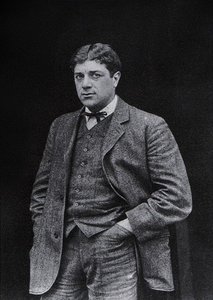
जॉर्ज ब्राक
1882 - 1963 , फ्रांस
प्रमुख तथ्य
- कलात्मक शैली: घनवाद, प्रभाववाद
- जन्म तिथि: 13 मई 1882
- जन्म स्थान: आर्गेंत्यूइल, फ्रांस
- पूरा नाम: जॉर्ज ब्राक
- प्रभावित आंदोलन:
- पाब्लो पिकासो
- आधुनिक कला
- प्रभावित कलाकार:
- हेनरी मैटिस
- आंद्रे डेरेन
- पॉल सेज़ान
- प्रमुख कलाकृतियाँ:
- ल'एस्ताक के घर
- धैर्य
- वायलिन और पैलेट
- मृत्यु तिथि: 31 अगस्त 1963
- राष्ट्रीयता: फ्रांसीसी
संबंधित लेख

Serene Blue Backgrounds: Discover Soulful Art to Transform Your Space with Timeless Elegance
Transform your home with soulful blue art. From serene Monet impressions to modern textured sculptures, discover curated masterpieces designed to inspire calm. Explore expert art consultations and bespoke hand-painted reproductions to create your personal sanctuary.

Giclée Prints: Archival Quality & Aesthetic Nuances for the Discerning Collector
Explore the world of giclée prints with ArtsDot. Learn about archival quality, aesthetic nuances & investment potential. Expert guidance for discerning art collectors seeking museum-quality reproductions and lasting value.

जॉर्जेस ब्राक की शीर्ष 25 कलाकृतियाँ: आधुनिक कला का सफर | ArtsDot
जॉर्जेस ब्राक की शीर्ष 25 कलाकृतियों का अन्वेषण करें! क्यूबिज्म, आधुनिक कला और फ्रांसीसी शैली के उत्कृष्ट नमूनों को जानें। ArtsDot.com पर उच्च-गुणवत्ता वाले कला प्रिंट और घर की सजावट के विचार खोजें। अभी संग्रह देखें!

Slate Blue Masterpieces: 10 Iconic Paintings & Timeless Home Decor Ideas
Immerse yourself in the captivating world of slate blue! Explore 10 iconic paintings by Monet, Van Gogh & Renoir. Discover their stories, techniques & find museum-quality art reproductions for your home at .

Boats on Canvas: 10 Masterpieces of Maritime Art for Your Home Decor
Sail away with 10 iconic boat paintings! Explore masterpieces by Monet, Van Gogh & Turner. Discover the stories behind these timeless seascapes and find museum-quality art reproductions for your home decor at ArtsDot.com.


