
- होमपेज

- कैनवस पर प्रिंट हेतु
- जॉर्ज ब्राक
- Tea and Grape

 Preview
 पेंटिंग ऑर्डर करें छवि खरीदें
 साझा करें
 साझा करें
 विस्तृत विवरण
 पसंदीदा में जोड़ें

 डाउनलोड करें
 समान कलाकृतियाँ
 एक्स-रे
 स्लाइड शो देखें
Tea and Grape

 पूरा देखें
गिक्ली / आर्ट प्रिंट
तेज़ उत्पादन और विभिन्न फिनिश विकल्पों के साथ म्यूजियम-क्वालिटी गिकली (giclée) या कैनवस प्रिंट।




P118B $10

P118H $10

P118W $10

P438Z $10

P508JH $12

P508YH $12

P805H $10

P805Z $10

P919BZ $10

P919G $10

P919XJ $10

P959ZH $10

P968JZ $12

W106C $8

W218G $10

W218JH $8

W218Y $10

W307PJ $10

W316G $10

W316PJ $8

W316Y $10

W398PJ $8

W4111J $10

W500HY $15

W500JH $15

W692G $12

W849H $8

W940BG $15

W953PJ $8




कलाकृति के मूल अनुपात से मेल खाने वाले हमारे पूर्व निर्धारित आकारों में से चुनें।

आप किसी विशिष्ट फ्रेम या स्थान के अनुसार अपने स्वयं के आयाम (dimensions) दर्ज कर सकते हैं। यदि आपके द्वारा चुना गया आकार मूल छवि के अनुपात से मेल नहीं खाता है, तो हम कलाकृति को क्रॉप कर देंगे या मिरर किए गए या सॉलिड-फिल किनारे के साथ छवि का विस्तार करेंगे। उत्पादन शुरू होने से पहले आपकी स्वीकृति के लिए एक डिजिटल मॉकअप भेजा जाएगा।
कृपया ध्यान दें कि स्क्रीन पर दिखने वाला प्रीव्यू वास्तविक क्रॉपिंग या विस्तार को नहीं दर्शाता है। केवल मॉकअप ही अंतिम संरचना को सटीक रूप से दिखाएगा।
हालाँकि कस्टम आकार उपलब्ध हैं, फिर भी हम मूल अनुपात बनाए रखने के लिए पूर्व-निर्धारित सूची में से एक आयाम चुनने की सलाह देते हैं।
विश्वव्यापी डिलीवरी (), मानक 4/5 सप्ताह के बजाय मात्र 2 सप्ताह में। (27 जुलाई)

दुनिया भर में मुफ़्त एक्सप्रेस शिपिंग

उच्च गुणवत्ता वाला लिनेन कैनवास

पूर्ण शिपिंग बीमा

सीमा शुल्क और आयात कर वापसी की गारंटी

सटीक रंग मिलान की गारंटी

60-दिन की वापसी नीति (केवल दोषों के लिए)

100% पैसे वापसी की गारंटी

थोक छूट का लाभ
 ग्लास का विकल्प केवल 110 सेमी से कम आकार में ही उपलब्ध है।

Tea and Grape
गिक्ली / आर्ट प्रिंट
प्रतिकृति का आकार
-


कुल देय राशि
-
संग्रहणीय वस्तु का विवरण
Georges Braque’s “Tea and Grape”: A Cubist Still Life of Quiet Intensity
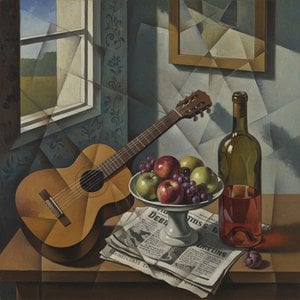
Georges Braque's "Tea and Grape," painted around 1950, isn’t merely a depiction of fruit; it’s a carefully constructed meditation on form, color, and the subtle beauty of everyday objects. This work, rendered in an exquisite color etching and aquatint by Lacourières in Paris, exemplifies Braque's shift towards a more organic and less fractured approach to Cubism during his later years. It represents a departure from the geometric deconstruction that defined his early collaborations with Pablo Picasso, embracing instead a richer, more sensual palette and a heightened sense of spatial depth.
The composition is deceptively simple: a bowl overflowing with grapes, two apples nestled amongst them, a table draped in a subtly textured surface, and a chair providing a grounding element. Yet, within this apparent stillness lies a dynamic interplay of shapes and planes. Braque masterfully employs the techniques of etching and aquatint to create a remarkable range of tonal values – from deep blacks that suggest the shadows cast by the bowl and table to luminous whites that highlight the glistening grapes. The paper itself, Arches wove, contributes to the work’s luxurious quality, its fine texture enhancing the delicate details of the fruit and the subtle variations in color.
The Language of Cubism Revisited
While rooted in the principles of Cubism – the fragmentation of objects into geometric forms and their subsequent reassembly from multiple viewpoints – “Tea and Grape” moves beyond the purely analytical. Braque’s approach here is less about dissecting reality and more about capturing its essence. The bowl, table, and chair are not rendered as sharply defined entities but rather as overlapping planes that subtly suggest their three-dimensional presence. This creates a sense of ambiguity, inviting the viewer to actively participate in constructing the image.
The influence of Paul Cézanne is palpable in Braque’s use of perspective and his emphasis on the underlying structure of objects. Like Cézanne before him, Braque seeks to represent not just what an object *looks* like but also how it *exists* in space. The careful arrangement of the fruit within the bowl, the way light falls across the table surface – all contribute to a feeling of quiet observation and contemplative beauty.
Symbolism and Emotional Resonance
The choice of subject matter itself is significant. A still life—a commonplace scene—becomes imbued with a profound sense of stillness and serenity. The grapes, symbols of abundance and fertility, are presented in their full ripeness, inviting the viewer to savor their beauty. The apples, often associated with knowledge and temptation, add a layer of complexity to the composition. The overall effect is one of understated elegance and quiet contemplation.
“Tea and Grape” isn’t a vibrant or overtly dramatic work; its power lies in its restraint and subtlety. It's an invitation to slow down, to appreciate the simple pleasures of life, and to find beauty in the ordinary. Braque’s masterful control of line, tone, and texture creates a deeply affecting image that speaks to our shared human experience.
A Collector’s Perspective
Reproductions of “Tea and Grape” offer an exceptional opportunity to bring this iconic work into your home or office. ArtsDot's hand-painted reproductions meticulously capture the nuances of Braque’s original technique, ensuring that you receive a faithful representation of this remarkable piece. The rich colors, delicate textures, and subtle tonal variations are faithfully reproduced, allowing you to experience the full emotional impact of the artwork. Whether as a statement piece in a modern interior or a charming addition to a traditional setting, “Tea and Grape” is sure to be a treasured possession for years to come.


कलाकार का जीवन परिचय
जॉर्जेस ब्राक: आधुनिक कला के एक पथप्रदर्शक
जॉर्जेस ब्राक, जिनका जन्म 1882 में अर्जेंटीनाइल, फ्रांस में हुआ था, बीसवीं सदी के सबसे प्रभावशाली कलाकारों में से एक थे। उनकी यात्रा एक साधारण घर-चित्रकार के बेटे से शुरू हुई, लेकिन जल्द ही उन्होंने कला की दुनिया में अपनी पहचान बनाई। शुरुआती दिनों में, ब्राक ने इंप्रेशनिस्ट शैली का अनुसरण किया, लेकिन 1905 में फाविज़्म (Fauvism) के प्रभाव में आने के बाद उनका काम एक नया मोड़ ले गया। हेनरी मैटिस और आंद्रे डेरेन जैसे कलाकारों के साथ काम करते हुए, उन्होंने रंगों के प्रयोग से कला को नई ऊंचाइयों पर पहुंचाया। हालांकि, ब्राक की रचनात्मकता यहीं नहीं रुकी; उन्होंने पॉल सेज़ान के कार्यों का गहन अध्ययन किया, जिससे उन्हें ज्यामितीय रूपों और बहु-दृष्टिकोणों में रुचि पैदा हुई – यह एक ऐसा मोड़ था जिसने उन्हें पाब्लो पिकासो के साथ मिलकर क्यूबिज्म (Cubism) नामक एक क्रांतिकारी कला आंदोलन की शुरुआत करने के लिए प्रेरित किया।
क्यूबिज्म का जन्म: पिकासो के साथ साझेदारी
ब्राक और पिकासो की साझेदारी आधुनिक कला के इतिहास में एक महत्वपूर्ण अध्याय है। 1907 से लेकर प्रथम विश्व युद्ध तक, इन दोनों कलाकारों ने मिलकर काम किया और क्यूबिज्म को आकार दिया। उन्होंने वस्तुओं को खंडों में विभाजित करके उन्हें विभिन्न दृष्टिकोणों से चित्रित करना शुरू कर दिया, जिससे पारंपरिक परिप्रेक्ष्य का भ्रम टूट गया। उनके शुरुआती कार्यों में "हाउस एट ल'एस्ताक" (Houses at L'Estaque) जैसे चित्रों में भूरे और हरे रंग के सीमित उपयोग ने उनकी कला में एक विशेष आकर्षण जोड़ा। 1909 के आसपास, उन्होंने मिलकर काम करते हुए एक-दूसरे की शैलियों को इतना प्रभावित किया कि उनके कार्यों को अलग करना मुश्किल हो गया था। यह साझेदारी न केवल कलात्मक रूप से महत्वपूर्ण थी, बल्कि इसने क्यूबिज्म को एक नई दिशा दी और इसे दुनिया भर में फैलाया।
कोलाज का नवाचार: कला में वास्तविकता का समावेश
क्यूबिज्म के विकास में ब्राक का सबसे महत्वपूर्ण योगदान कोलाज (collage) का प्रयोग था। 1912 में, उन्होंने अखबार की क्लिपिंग और अन्य रोजमर्रा की वस्तुओं को अपने चित्रों में शामिल करना शुरू कर दिया। यह नवाचार कला और जीवन के बीच की रेखाओं को धुंधला करता है और पारंपरिक चित्रकला की सीमाओं को चुनौती देता है। *पापियर कॉले* (papier collé) नामक तकनीक का उपयोग करके, ब्राक ने अपनी रचनाओं में बनावट और गहराई जोड़ी, जिससे दर्शक वास्तविकता और प्रतिनिधित्व के बीच के संबंध पर विचार करने के लिए मजबूर हो गए। यह प्रयोग न केवल क्यूबिज्म को आगे बढ़ाया बल्कि पॉप आर्ट जैसे भविष्य के कला आंदोलनों के लिए भी मार्ग प्रशस्त किया।
युद्ध के बाद का विकास: शांत चिंतन और व्यक्तिगत अभिव्यक्ति
प्रथम विश्व युद्ध ने ब्राक की रचनात्मक यात्रा में एक महत्वपूर्ण विराम दिया। युद्ध में उनकी भागीदारी ने उन्हें गहरे रूप से प्रभावित किया, जिसके परिणामस्वरूप उनके बाद के कार्यों में अधिक व्यक्तिगत और चिंतनशील विषयों का उदय हुआ। युद्ध के बाद, उन्होंने शास्त्रीय रचनाओं और स्थिर जीवन (still life) में रुचि दिखाई। उनके परिदृश्य और आंतरिक दृश्य शांत वातावरण और रंगों के सूक्ष्म सामंजस्य द्वारा चिह्नित थे। ब्राक ने अपनी कला में ज्यामितीय प्रभावों को बनाए रखा, लेकिन उन्होंने अधिक भावनात्मक गहराई और व्यक्तिगत अभिव्यक्ति को जोड़ा। उनकी कला अब केवल एक बौद्धिक प्रयोग नहीं थी, बल्कि यह मानवीय अनुभव की गहरी समझ का प्रतिबिंब भी थी।
विरासत: आधुनिक कला पर प्रभाव
जॉर्जेस ब्राक की विरासत आधुनिक कला पर उनके गहरे प्रभाव में निहित है। उन्होंने न केवल क्यूबिज्म के विकास में महत्वपूर्ण भूमिका निभाई, बल्कि उन्होंने कलात्मक अभिव्यक्ति के नए तरीकों को भी खोजा। उनकी साझेदारी पाब्लो पिकासो के साथ और कोलाज का उनका नवाचार कला इतिहास में हमेशा याद किया जाएगा। ब्राक की कला ने अनगिनत कलाकारों को प्रेरित किया है और आधुनिक कला के पाठ्यक्रम को आकार दिया है। वे एक सच्चे पथप्रदर्शक थे जिन्होंने कला को नई ऊंचाइयों पर पहुंचाया और हमें दुनिया को देखने के नए तरीके सिखाए।
प्रमुख कृतियाँ
- हाउस एट ल'एस्ताक (Houses at L'Estaque)
- द पेशेंस (The Patience)
- वायोलिन एंड पैलेट (Violin and Palette)
- मंडोला (Mandola)
प्रभाव और प्रेरणाएँ
- प्रभावित: हेनरी मैटिस, आंद्रे डेरेन
- प्रेरणा: पॉल सेज़ान
- कलात्मक आंदोलन: क्यूबिज्म, फाविज़्म

जॉर्ज ब्राक
1882 - 1963 , फ्रांस
मुख्य तथ्य
- कलात्मक शैली: घनवाद, प्रभाववाद
- जन्म तिथि: 13 मई 1882
- जन्म स्थान: आर्गेंत्यूइल, फ्रांस
- पूरा नाम: जॉर्ज ब्राक
- प्रभावित आंदोलन:
- पाब्लो पिकासो
- आधुनिक कला
- प्रभावित कलाकार:
- हेनरी मैटिस
- आंद्रे डेरेन
- पॉल सेज़ान
- प्रमुख कलाकृतियाँ:
- ल'एस्ताक के घर
- धैर्य
- वायलिन और पैलेट
- मृत्यु तिथि: 31 अगस्त 1963
- राष्ट्रीयता: फ्रांसीसी
संबंधित लेख
Deconstructing Reality: A Comprehensive Exploration of Cubist Still Life
Explore the revolutionary world of Cubist Still Life with ArtsDot. Discover Picasso & Braque's groundbreaking techniques, its philosophical roots, and lasting impact on modern art. Expert insights for collectors.

अद्वितीय जीवन चित्रकला: आपके प्रिय वस्तुओं का चिरस्थायी कलात्मक चित्रण
अपनी प्रिय वस्तुओं को वहूआर्ट के कुशल कलाकारों द्वारा हस्तनिर्मित कला में रूपांतरित करें। रेस्तरां, घर या उपहार के लिए अद्वितीय, उच्च-गुणवत्ता वाली कस्टम पेंटिंग प्राप्त करें। विश्वसनीय सेवा और स्थायी विरासत का अनुभव करें।

Severin Roesen: Evoking National Identity Through American Still Life Painting
Explore the captivating world of Severin Roesen, a major American still life painter influenced by Dutch masters. Discover his lush compositions and the symbolism within his art – a window into 19th-century America.

Jan Jansz Wijnants: A Study in Dutch Golden Age Still Life & Floral Transience
Explore the captivating world of Jan Wijnants and Dutch Golden Age still life painting. Discover symbolism, masterful techniques & lasting influence on floral art history. Learn more!

The Stillness Within: Contemplation in Western Art from Renaissance to Modernism
Explore the theme of contemplation in Western art from the Renaissance to Modernism. Discover iconic masterpieces & expert insights with ArtsDot – trusted quality since 2004.




