

 पूर्वावलोकन देखें
 साझा करें
 साझा करें
 विस्तृत विवरण
 मार्गदर्शिका

 डाउनलोड करें
 समान वस्तुएं
 एक्स-रे
 स्लाइड शो देखें
 प्रश्न और उत्तर
 आंकड़े
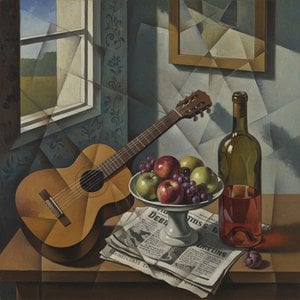
Plate and Fruit Dish

- 46.0 x 55.0 cm


 पूरा देखें
इस पृष्ठ पर प्रदर्शित कलाकृति कॉपीराइट कानून द्वारा संरक्षित है, जिसका अर्थ है कि हम कानूनी रूप से इसकी हूबहू प्रतिलिपि बनाने या बेचने का अधिकार नहीं रखते हैं। यह संरक्षण अंतर्राष्ट्रीय समझौतों के तहत लागू किया जाता है, जैसे कि बर्न कन्वेंशन और राष्ट्रीय कानूनों द्वारा, जिनमें % द्वारा निर्धारित कानून भी शामिल हैं। अमेरिकी कॉपीराइट कानून - शीर्षक 17।
यह विधि कॉपीराइट नियमों का पूरी तरह से पालन करती है क्योंकि इसमें संरक्षित कलाकृति की नकल या प्रतिलिपि बनाना शामिल नहीं है। इसके बजाय, यह एक रचनात्मक पुनर्व्याख्या है - एक ऐसी नई पेंटिंग जो मूल कृति से प्रेरित तो है, लेकिन उसके समान नहीं है।
गिक्ली / आर्ट प्रिंट
तेज़ उत्पादन और विभिन्न फिनिश विकल्पों के साथ म्यूजियम-क्वालिटी गिकली (giclée) या कैनवस प्रिंट। ( इस संग्रहणीय वस्तु की हाथ से बनी प्रतिकृति मंगवाएं डिजिटल इमेज पर स्विच करें)




P118B ₹10

P118H ₹10

P118W ₹10

P438Z ₹10

P508JH ₹12

P508YH ₹12

P805H ₹10

P805Z ₹10

P919BZ ₹10

P919G ₹10

P919XJ ₹10

P959ZH ₹10

P968JZ ₹12

W106C ₹8

W218G ₹10

W218JH ₹8

W218Y ₹10

W307PJ ₹10

W316G ₹10

W316PJ ₹8

W316Y ₹10

W398PJ ₹8

W4111J ₹10

W500HY ₹15

W500JH ₹15

W692G ₹12

W849H ₹8

W940BG ₹15

W953PJ ₹8




कलाकृति के मूल अनुपात से मेल खाने वाले हमारे पूर्व निर्धारित आकारों में से चुनें।

अपने फ्रेम या अपनी दीवार के अनुसार आवश्यक चौड़ाई और ऊंचाई दर्ज करें। प्रिंट को केवल काटा जा सकता है, चित्र से बड़ा कभी नहीं बनाया जा सकता, इसलिए अलग आकार का साइज चित्र का एक हिस्सा खो देता है। किसी भी चीज़ को प्रिंट करने से पहले हम आपकी स्वीकृति के लिए आपको एक डिजिटल मॉकअप भेजते हैं। इस पृष्ठ पर दिखाया गया चित्र वास्तविक कटिंग नहीं दिखाता है — केवल मॉकअप ही इसे दर्शाता है।
विश्वव्यापी डिलीवरी (), मानक 4/5 सप्ताह के बजाय मात्र 2 सप्ताह में। (5 नवमबर)

दुनिया भर में मुफ़्त एक्सप्रेस शिपिंग

उच्च गुणवत्ता वाला लिनेन कैनवास

पूर्ण शिपिंग बीमा

सीमा शुल्क और आयात कर वापसी की गारंटी

सटीक रंग मिलान की गारंटी

100 दिनों की वापसी नीति (केवल दोष होने पर)

100% पैसे वापसी की गारंटी

थोक छूट का अवसर
 ग्लास का विकल्प केवल 110 सेमी से कम आकार में ही उपलब्ध है।

Plate and Fruit Dish
गिक्ली / आर्ट प्रिंट
प्रतिकृति का आकार
-


कुल देय राशि
₹ 6101
Plate and Fruit Dish – A Pioneering Fragment of Cubist Vision
Georges Braque’s “Plate and Fruit Dish,” completed in 1908, stands as a cornerstone of the nascent Cubist movement—a testament to its audacious exploration of form and perception. More than just a depiction of commonplace objects, this painting embodies the revolutionary spirit that defined the era and continues to resonate with artists and collectors alike. Its quiet elegance belies the profound conceptual shift occurring within European art at the time.The Genesis of Cubism: Deconstructing Reality
Born in Argenteuil, France, in 1882, Georges Braque’s artistic journey began amidst a burgeoning fascination for Impressionism and Post-Impressionism. However, he swiftly recognized the limitations of these styles in capturing the complexities of visual experience. Influenced by Cézanne's geometric explorations and inspired by African sculpture—particularly Picasso—Braque embarked on a radical reformulation of pictorial representation. Cubism wasn’t merely about copying what was seen; it demanded an active engagement with the artist’s intellect, striving to represent multiple viewpoints simultaneously. This approach directly challenged traditional notions of perspective and spatial illusion.Analyzing Composition: Geometric Fragmentation
The painting itself presents a deceptively simple arrangement—a fruit dish containing apples, oranges, bananas, and grapes resting upon a table alongside a bowl and cup. Yet, Braque dismantles this familiar scene with meticulous precision. Planes intersect and overlap, creating an ambiguous space where contours dissolve into geometric shapes. The apple is rendered as fragmented planes that suggest its volume without presenting a conventional profile view. Similarly, the orange and bananas are depicted in similar ways, emphasizing their flattened surfaces and disrupting any sense of depth. This technique—a hallmark of Braque’s analytical Cubism—forces the viewer to actively reconstruct the image mentally.Color Palette & Texture: Subtle Modulation
Despite its geometric rigor, “Plate and Fruit Dish” retains a restrained color palette dominated by muted tones of ochre, brown, and gray. These earthy hues contribute to the painting's contemplative mood and underscore Braque’s focus on tonal variations—a crucial element in conveying volume and texture. Careful shading creates subtle gradations that mimic the way light interacts with surfaces, adding depth to the otherwise flattened composition. The artist skillfully utilizes brushstrokes to suggest the tactile qualities of the fruit and the ceramic vessels, grounding the painting in a palpable materiality.Symbolism & Emotional Resonance
Beyond its formal innovations, “Plate and Fruit Dish” carries symbolic weight. Fruits—particularly apples and oranges—often represent abundance and nourishment, reflecting themes prevalent in Symbolist art alongside Cubism’s exploration of visual perception. The bowl and cup symbolize domesticity and ritualistic gestures. Taken together, these elements invite contemplation on the beauty of everyday life and the artist's ability to transform ordinary subjects into vehicles for profound artistic expression. Braque’s work continues to inspire admiration for its intellectual rigor and emotional subtlety—a legacy cemented by its enduring presence in the canon of modern art.प्रश्न और उत्तर
जॉर्ज ब्राक द्वारा "Plate and Fruit Dish" के स्वरूप (format) के लिए कौन सी जगह सबसे उपयुक्त रहेगी?
जॉर्ज ब्राक द्वारा "Plate and Fruit Dish" के लिए दर्ज किए गए दो विवरण इसके फॉर्मेट (Landscape) और अनुशंसित स्थान (Living Room) हैं।
क्या मैं जॉर्ज ब्राक द्वारा "Plate and Fruit Dish" को अलग-अलग रोशनी में देख सकता हूँ?
जॉर्ज ब्राक द्वारा "Plate and Fruit Dish" का एक्स-रे विश्लेषण पेज एक इंटरैक्टिव व्यूअर है जो आपको कलाकृति की छवि की ग्यारह ऑप्टिकल परतों के माध्यम से स्लाइड करने की सुविधा देता है, जिसमें एक्स-रे शैली का दृश्य भी शामिल है।
जॉर्ज ब्राक के करियर में "Plate and Fruit Dish" किस कालखंड का हिस्सा है?
"Plate and Fruit Dish" जॉर्ज ब्राक के Cubist Phase का प्रतिनिधित्व करता है।
समान कलाकृतियाँ


कलाकार की जीवनी
जॉर्जेस ब्राक: आधुनिक कला के एक पथप्रदर्शक
जॉर्जेस ब्राक, जिनका जन्म 1882 में अर्जेंटीनाइल, फ्रांस में हुआ था, बीसवीं सदी के सबसे प्रभावशाली कलाकारों में से एक थे। उनकी यात्रा एक साधारण घर-चित्रकार के बेटे से शुरू हुई, लेकिन जल्द ही उन्होंने कला की दुनिया में अपनी पहचान बनाई। शुरुआती दिनों में, ब्राक ने इंप्रेशनिस्ट शैली का अनुसरण किया, लेकिन 1905 में फाविज़्म (Fauvism) के प्रभाव में आने के बाद उनका काम एक नया मोड़ ले गया। हेनरी मैटिस और आंद्रे डेरेन जैसे कलाकारों के साथ काम करते हुए, उन्होंने रंगों के प्रयोग से कला को नई ऊंचाइयों पर पहुंचाया। हालांकि, ब्राक की रचनात्मकता यहीं नहीं रुकी; उन्होंने पॉल सेज़ान के कार्यों का गहन अध्ययन किया, जिससे उन्हें ज्यामितीय रूपों और बहु-दृष्टिकोणों में रुचि पैदा हुई – यह एक ऐसा मोड़ था जिसने उन्हें पाब्लो पिकासो के साथ मिलकर क्यूबिज्म (Cubism) नामक एक क्रांतिकारी कला आंदोलन की शुरुआत करने के लिए प्रेरित किया।
क्यूबिज्म का जन्म: पिकासो के साथ साझेदारी
ब्राक और पिकासो की साझेदारी आधुनिक कला के इतिहास में एक महत्वपूर्ण अध्याय है। 1907 से लेकर प्रथम विश्व युद्ध तक, इन दोनों कलाकारों ने मिलकर काम किया और क्यूबिज्म को आकार दिया। उन्होंने वस्तुओं को खंडों में विभाजित करके उन्हें विभिन्न दृष्टिकोणों से चित्रित करना शुरू कर दिया, जिससे पारंपरिक परिप्रेक्ष्य का भ्रम टूट गया। उनके शुरुआती कार्यों में "हाउस एट ल'एस्ताक" (Houses at L'Estaque) जैसे चित्रों में भूरे और हरे रंग के सीमित उपयोग ने उनकी कला में एक विशेष आकर्षण जोड़ा। 1909 के आसपास, उन्होंने मिलकर काम करते हुए एक-दूसरे की शैलियों को इतना प्रभावित किया कि उनके कार्यों को अलग करना मुश्किल हो गया था। यह साझेदारी न केवल कलात्मक रूप से महत्वपूर्ण थी, बल्कि इसने क्यूबिज्म को एक नई दिशा दी और इसे दुनिया भर में फैलाया।
कोलाज का नवाचार: कला में वास्तविकता का समावेश
क्यूबिज्म के विकास में ब्राक का सबसे महत्वपूर्ण योगदान कोलाज (collage) का प्रयोग था। 1912 में, उन्होंने अखबार की क्लिपिंग और अन्य रोजमर्रा की वस्तुओं को अपने चित्रों में शामिल करना शुरू कर दिया। यह नवाचार कला और जीवन के बीच की रेखाओं को धुंधला करता है और पारंपरिक चित्रकला की सीमाओं को चुनौती देता है। *पापियर कॉले* (papier collé) नामक तकनीक का उपयोग करके, ब्राक ने अपनी रचनाओं में बनावट और गहराई जोड़ी, जिससे दर्शक वास्तविकता और प्रतिनिधित्व के बीच के संबंध पर विचार करने के लिए मजबूर हो गए। यह प्रयोग न केवल क्यूबिज्म को आगे बढ़ाया बल्कि पॉप आर्ट जैसे भविष्य के कला आंदोलनों के लिए भी मार्ग प्रशस्त किया।
युद्ध के बाद का विकास: शांत चिंतन और व्यक्तिगत अभिव्यक्ति
प्रथम विश्व युद्ध ने ब्राक की रचनात्मक यात्रा में एक महत्वपूर्ण विराम दिया। युद्ध में उनकी भागीदारी ने उन्हें गहरे रूप से प्रभावित किया, जिसके परिणामस्वरूप उनके बाद के कार्यों में अधिक व्यक्तिगत और चिंतनशील विषयों का उदय हुआ। युद्ध के बाद, उन्होंने शास्त्रीय रचनाओं और स्थिर जीवन (still life) में रुचि दिखाई। उनके परिदृश्य और आंतरिक दृश्य शांत वातावरण और रंगों के सूक्ष्म सामंजस्य द्वारा चिह्नित थे। ब्राक ने अपनी कला में ज्यामितीय प्रभावों को बनाए रखा, लेकिन उन्होंने अधिक भावनात्मक गहराई और व्यक्तिगत अभिव्यक्ति को जोड़ा। उनकी कला अब केवल एक बौद्धिक प्रयोग नहीं थी, बल्कि यह मानवीय अनुभव की गहरी समझ का प्रतिबिंब भी थी।
विरासत: आधुनिक कला पर प्रभाव
जॉर्जेस ब्राक की विरासत आधुनिक कला पर उनके गहरे प्रभाव में निहित है। उन्होंने न केवल क्यूबिज्म के विकास में महत्वपूर्ण भूमिका निभाई, बल्कि उन्होंने कलात्मक अभिव्यक्ति के नए तरीकों को भी खोजा। उनकी साझेदारी पाब्लो पिकासो के साथ और कोलाज का उनका नवाचार कला इतिहास में हमेशा याद किया जाएगा। ब्राक की कला ने अनगिनत कलाकारों को प्रेरित किया है और आधुनिक कला के पाठ्यक्रम को आकार दिया है। वे एक सच्चे पथप्रदर्शक थे जिन्होंने कला को नई ऊंचाइयों पर पहुंचाया और हमें दुनिया को देखने के नए तरीके सिखाए।
प्रमुख कृतियाँ
- हाउस एट ल'एस्ताक (Houses at L'Estaque)
- द पेशेंस (The Patience)
- वायोलिन एंड पैलेट (Violin and Palette)
- मंडोला (Mandola)
प्रभाव और प्रेरणाएँ
- प्रभावित: हेनरी मैटिस, आंद्रे डेरेन
- प्रेरणा: पॉल सेज़ान
- कलात्मक आंदोलन: क्यूबिज्म, फाविज़्म

जॉर्ज ब्राक
1882 - 1963 , फ्रांस
प्रमुख तथ्य
- कलात्मक शैली: घनवाद, प्रभाववाद
- जन्म तिथि: 13 मई 1882
- जन्म स्थान: आर्गेंत्यूइल, फ्रांस
- पूरा नाम: जॉर्ज ब्राक
- प्रभावित आंदोलन:
- पाब्लो पिकासो
- आधुनिक कला
- प्रभावित कलाकार:
- हेनरी मैटिस
- आंद्रे डेरेन
- पॉल सेज़ान
- प्रमुख कलाकृतियाँ:
- ल'एस्ताक के घर
- धैर्य
- वायलिन और पैलेट
- मृत्यु तिथि: 31 अगस्त 1963
- राष्ट्रीयता: फ्रांसीसी
संबंधित लेख

जॉर्ज पियरे सेउरा की 25 उत्कृष्ट कृतियाँ: कला, इतिहास और आपके घर के लिए प्रेरणा
जॉर्ज सेउरा की 25 सर्वश्रेष्ठ कृतियों का अन्वेषण करें! बिंदुवाद, आधुनिक कला और रंग सिद्धांत के जादू को जानें। उच्च गुणवत्ता वाले कला प्रिंट और दीवार सजावट के लिए ArtsDot.com पर खोजें।

जॉर्जेस ब्राक की शीर्ष 25 कलाकृतियाँ: आधुनिक कला का सफर | ArtsDot
जॉर्जेस ब्राक की शीर्ष 25 कलाकृतियों का अन्वेषण करें! क्यूबिज्म, आधुनिक कला और फ्रांसीसी शैली के उत्कृष्ट नमूनों को जानें। ArtsDot.com पर उच्च-गुणवत्ता वाले कला प्रिंट और घर की सजावट के विचार खोजें। अभी संग्रह देखें!

Georges Braque: Pioneering Cubism & the Evolution of Modern Form
Explore the revolutionary art of Georges Braque, a pioneer of Cubism alongside Picasso. Discover his artistic evolution, key works, and lasting impact on modern art. A guide for discerning collectors.

Deconstructing Reality: Cubism's Revolutionary Impact on 20th-Century Art
Explore the revolutionary world of Cubism with ArtsDot. Discover Picasso & Braque's groundbreaking techniques, its philosophical roots, and lasting impact on modern art. Expert insights for collectors.
Deconstructing Reality: A Comprehensive Exploration of Cubist Still Life
Explore the revolutionary world of Cubist Still Life with ArtsDot. Discover Picasso & Braque's groundbreaking techniques, its philosophical roots, and lasting impact on modern art. Expert insights for collectors.


