

 पूर्वावलोकन देखें
 साझा करें
 साझा करें
 विस्तृत विवरण

 डाउनलोड करें
 समान कलाकृतियाँ
 एक्स-रे
 स्लाइड शो देखें
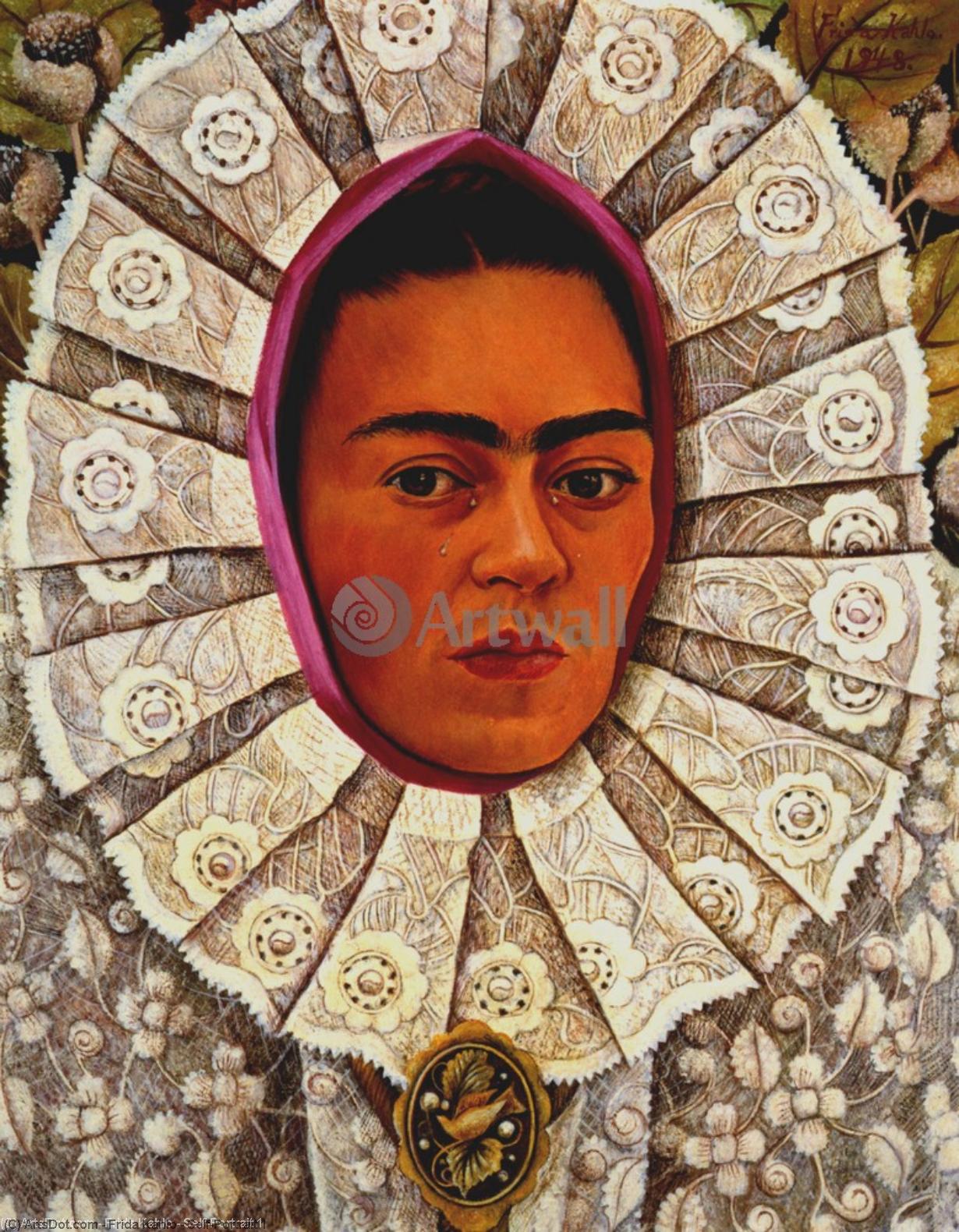
Self-Portrait 1

 पूरा देखें
गिक्ली / आर्ट प्रिंट
तेज़ उत्पादन और विभिन्न फिनिश विकल्पों के साथ म्यूजियम-क्वालिटी गिकली (giclée) या कैनवस प्रिंट। ( हाथ से बनी पेंटिंग पर स्विच करें इमेज पर बदलें)




P118B $10

P118H $10

P118W $10

P438Z $10

P508JH $12

P508YH $12

P805H $10

P805Z $10

P919BZ $10

P919G $10

P919XJ $10

P959ZH $10

P968JZ $12

W106C $8

W218G $10

W218JH $8

W218Y $10

W307PJ $10

W316G $10

W316PJ $8

W316Y $10

W398PJ $8

W4111J $10

W500HY $15

W500JH $15

W692G $12

W849H $8

W940BG $15

W953PJ $8




कलाकृति के मूल अनुपात से मेल खाने वाले हमारे पूर्व निर्धारित आकारों में से चुनें।

आप किसी विशिष्ट फ्रेम या स्थान के अनुसार अपने स्वयं के आयाम (dimensions) दर्ज कर सकते हैं। यदि आपके द्वारा चुना गया आकार मूल छवि के अनुपात से मेल नहीं खाता है, तो हम कलाकृति को क्रॉप कर देंगे या मिरर किए गए या सॉलिड-फिल किनारे के साथ छवि का विस्तार करेंगे। उत्पादन शुरू होने से पहले आपकी स्वीकृति के लिए एक डिजिटल मॉकअप भेजा जाएगा।
कृपया ध्यान दें कि स्क्रीन पर दिखने वाला प्रीव्यू वास्तविक क्रॉपिंग या विस्तार को नहीं दर्शाता है। केवल मॉकअप ही अंतिम संरचना को सटीक रूप से दिखाएगा।
हालाँकि कस्टम आकार उपलब्ध हैं, फिर भी हम मूल अनुपात बनाए रखने के लिए पूर्व-निर्धारित सूची में से एक आयाम चुनने की सलाह देते हैं।
विश्वव्यापी डिलीवरी (), मानक 4/5 सप्ताह के बजाय मात्र 2 सप्ताह में। (7 अगस्त)

दुनिया भर में मुफ़्त एक्सप्रेस शिपिंग

उच्च गुणवत्ता वाला लिनेन कैनवास

पूर्ण शिपिंग बीमा

सीमा शुल्क और आयात कर वापसी की गारंटी

सटीक रंग मिलान की गारंटी

60-दिन की वापसी नीति (केवल दोषों के लिए)

100% पैसे वापसी की गारंटी

थोक छूट का लाभ
 ग्लास का विकल्प केवल 110 सेमी से कम आकार में ही उपलब्ध है।

Self-Portrait 1
गिक्ली / आर्ट प्रिंट
प्रतिकृति का आकार
-


कुल देय राशि
$ 62
संग्रहणीय वस्तु का विवरण
Frida Kahlo’s “Self-Portrait with Cropped Hair”: A Study in Resilience and Identity
The painting "Self-Portrait with Cropped Hair," created by Frida Kahlo in 1940, stands as a poignant testament to the artist's unwavering spirit amidst profound personal hardship. More than just a depiction of her physical appearance—albeit strikingly altered—it embodies a deeper exploration of identity and liberation through symbolic gesture. Kahlo’s meticulous attention to detail reveals not merely an aesthetic concern but a deliberate act of reclaiming control over her body image, a response born from the trauma of polio and compounded by the devastating bus accident that irrevocably reshaped her life.Style and Technique: Surrealist Influences
Kahlo's artistic style aligns closely with Surrealism, championed by André Breton and fellow artists who sought to liberate creativity from rational constraints. However, Kahlo’s Surrealism isn’t characterized by dreamlike fantasy but rather by a grounded realism infused with symbolic representation. She employs oil paint on canvas—a technique favored for its ability to capture nuanced textures and tonal variations—resulting in an image that possesses both visual precision and emotional depth. The stark contrast between light and shadow emphasizes the contours of Kahlo’s face, creating a dramatic effect that draws the viewer's gaze inward. Notably, Kahlo utilizes a limited palette dominated by earthy tones—browns, ochres, and reds—reflecting her connection to Mexican soil and tradition while simultaneously conveying feelings of melancholy and introspection.Historical Context: Navigating Trauma and Transformation
Painted during a period marked by significant personal upheaval, “Self-Portrait with Cropped Hair” reflects Kahlo’s ongoing struggle to reconcile her physical limitations with her desire for autonomy. Following the bus accident in 1925—which resulted in severe spinal injuries—Kahlo underwent numerous surgeries and endured chronic pain, profoundly impacting her daily life and artistic output. The cropped hair symbolizes a deliberate rejection of societal expectations surrounding femininity and beauty, representing a conscious decision to liberate herself from constraints imposed by patriarchal norms. Kahlo’s act embodies a broader movement toward female empowerment during the interwar years, challenging conventional notions of appearance and asserting self-determination.Symbolism: Hair Loss as Metaphor for Healing
The severed hair—a prominent feature of the portrait—serves as a powerful metaphor for healing and transformation. Traditionally associated with femininity, fertility, and vitality, hair represents wholeness and completeness. Its removal signifies a symbolic shedding of past traumas and insecurities, signifying an embrace of vulnerability and acceptance of imperfection. Kahlo’s gaze—direct and unwavering—communicates resilience and defiance, conveying her refusal to succumb to despair despite facing immense suffering. The inclusion of the orchid—a symbol of beauty, purity, and sensuality—further reinforces Kahlo's artistic exploration of themes related to femininity and desire.Emotional Impact: A Portrait of Inner Strength
Ultimately, “Self-Portrait with Cropped Hair” transcends mere visual representation; it communicates a profound emotional resonance that captivates viewers long after initial observation. The painting’s melancholic atmosphere—expressed through subtle tonal shifts and expressive brushstrokes—captures the artist's inner turmoil while simultaneously conveying her unwavering commitment to self-expression. Kahlo’s gaze embodies courage and determination, reminding us of the transformative power of art in confronting adversity and reclaiming agency over one's life narrative. It remains a timeless masterpiece, resonating with audiences today as a symbol of resilience, identity, and the enduring quest for liberation.संबद्ध कलाकृतियाँ


कलाकार का जीवन परिचय
फ्राविदा काहलो: पीड़ा और जुनून की एक जीवनगाथा
फ्राविदा काहलो, मैक्सिको की महानतम कलाकारों में से एक, का जन्म 6 जुलाई 1907 को कोयोआकन, मेक्सिको सिटी में हुआ था। उनका जीवन शारीरिक पीड़ा और भावनात्मक उथल-पुथल से भरा रहा, जिसने उनकी कला को गहराई से प्रभावित किया। उनके पिता, गुइलेर्मो काहलो, एक जर्मन-मैक्सिकन फोटोग्राफर थे जिन्होंने फ्राविदा के भीतर कलात्मक प्रतिभा को पहचाना और प्रोत्साहित किया। बचपन में ही उन्हें पोलियो हो गया था, जिससे उनका शरीर कमजोर हो गया, लेकिन इसने उन्हें अपनी आंतरिक दुनिया की खोज करने और अपने अनुभवों को कला के माध्यम से व्यक्त करने के लिए प्रेरित किया। 1925 में एक भयानक बस दुर्घटना ने उनके जीवन को हमेशा के लिए बदल दिया। इस दुर्घटना में उन्हें गंभीर चोटें आईं, जिसके कारण उन्हें लंबे समय तक बिस्तर पर रहना पड़ा। इसी दौरान उन्होंने चित्रकला को अपना लिया, जो उनकी पीड़ा और अकेलेपन का सहारा बन गया।आत्म-चित्रणों की दुनिया: पहचान और पीड़ा का प्रतिबिंब
फ्राविदा काहलो ने आत्म-चित्रणों पर विशेष ध्यान दिया, जिनमें उन्होंने अपनी शारीरिक और भावनात्मक पीड़ा को दर्शाया। उनके चित्रों में अक्सर प्रतीकात्मक तत्व शामिल होते हैं जो उनकी आंतरिक भावनाओं और अनुभवों को व्यक्त करते हैं। 'द टू फ्रिडास' (1939) उनकी सबसे प्रसिद्ध कृतियों में से एक है, जिसमें उन्होंने अपने दोहरे व्यक्तित्व को दर्शाया है - एक यूरोपीय और एक मैक्सिकन। यह चित्र उनके विवाह के बाद की भावनात्मक उथल-पुथल का प्रतीक है। इसी तरह, 'सेल्फ-पोर्ट्रेट विथ थॉर्न नेकलेस एंड हमिंगबर्ड' (1940) में, उन्होंने अपनी पीड़ा को कांटेदार माला और दुर्भाग्यपूर्ण बिल्ली के माध्यम से दर्शाया है, जबकि हमिंगबर्ड आशा और लचीलापन का प्रतीक है। उनके चित्रों में शरीर की भंगुरता, दर्द और मृत्यु जैसे विषयों को साहसपूर्वक चित्रित किया गया है, जो उन्हें अन्य कलाकारों से अलग करते हैं। फ्राविदा ने अपनी कला के माध्यम से न केवल व्यक्तिगत पीड़ा को व्यक्त किया, बल्कि महिलाओं के अनुभवों और सामाजिक मुद्दों पर भी प्रकाश डाला।प्रभाव और विकास: मैक्सिकन संस्कृति का उत्सव
फ्राविदा काहलो की कला पर मैक्सिकन लोक कला, यूरोपीय पुनर्जागरण चित्रकला और आधुनिकतावादी आंदोलनों का प्रभाव स्पष्ट रूप से दिखाई देता है। उन्होंने अपनी कला में चमकीले रंगों, नाटकीय प्रतीकों और पारंपरिक मैक्सिकन रूपांकनों का उपयोग किया। उनके पति, डिएगो रिवेरा, एक प्रसिद्ध मैक्सिकन भित्तिचित्र कलाकार थे, जिन्होंने उनकी कलात्मक विकास में महत्वपूर्ण भूमिका निभाई। फ्राविदा ने डिएगो से प्रेरणा ली और अपनी अनूठी शैली विकसित की जो मैक्सिकन संस्कृति और आधुनिक कला के तत्वों को जोड़ती है। उन्होंने अपने चित्रों में मैक्सिकन पहचान, नारीत्व और सामाजिक न्याय जैसे विषयों को उठाया। फ्राविदा काहलो की कला न केवल व्यक्तिगत अनुभवों का प्रतिबिंब है, बल्कि मैक्सिकन संस्कृति और इतिहास का भी उत्सव है।ऐतिहासिक महत्व: एक सांस्कृतिक प्रतीक
फ्राविदा काहलो की कला ने 20वीं शताब्दी में महत्वपूर्ण प्रभाव डाला। उन्हें मैक्सिको के सबसे महान कलाकारों में से एक माना जाता है और उनकी कृतियाँ दुनिया भर के संग्रहालयों में प्रदर्शित होती हैं। फ्राविदा काहलो न केवल एक कलाकार थीं, बल्कि एक सांस्कृतिक आइकन भी थीं जिन्होंने पारंपरिक लिंग भूमिकाओं को चुनौती दी और महिलाओं के अधिकारों के लिए आवाज उठाई। उनकी कला ने नारीवादी आंदोलन को प्रेरित किया और उन्हें दुनिया भर की महिलाओं के लिए प्रेरणास्रोत बनाया। फ्राविदा काहलो की विरासत आज भी जीवित है, और उनकी कला पीढ़ी-दर-पीढ़ी लोगों को प्रेरित करती रहेगी। उन्होंने अपनी पीड़ा को शक्ति में बदल दिया और एक ऐसी कलात्मक विरासत छोड़ी जो हमेशा याद रखी जाएगी। फ्राविदा काहलो की कहानी हमें सिखाती है कि जीवन में चुनौतियों का सामना करते हुए भी सुंदरता और अर्थ खोजा जा सकता है।
फ्रिडा काहलो
1907 - 1954 , मेक्सिको
मुख्य तथ्य
- कलात्मक शैली: अति यथार्थवाद, लोक कला
- जन्म तिथि: 6 जुलाई 1907
- जन्म स्थान: कोयोआकैन, मेक्सिको सिटी, मेक्सिको
- पूरा नाम: मैगडालेना कार्मेन फ्रिदा काहलो वाई कैल्डेरोन
- प्रभावित आंदोलन:
- चिकानो कला
- नारीवादी कलाकार
- प्रभावित कलाकार:
- मेक्सिकन लोक कलाकार
- यूरोपीय पुनर्जागरण चित्रकार
- प्रमुख कृतियाँ:
- दो फ्रिदा
- कांटे की माला के साथ स्व-चित्रित
- टूटा हुआ स्तंभ
- हेनरी फोर्ड अस्पताल
- मृत्यु तिथि: 13 जुलाई 1954
- राष्ट्रीयता: मेक्सिकन
संबंधित लेख

Reflective Art: 10 Masterpieces for Contemplation |
Explore 10 iconic artworks – from Van Gogh to Rembrandt – that stir deep reflection. Discover their stories, techniques & emotional power. Find museum-quality art reproductions and curated decor ideas at . Explore the full collection online.
मैक्स अर्न्स्ट की शीर्ष 25 कलाकृतियाँ: स्वप्निल सौंदर्य और आधुनिक कला का सफर | ArtsDot
मैक्स अर्न्स्ट की शीर्ष 25 कलाकृतियों का अन्वेषण करें! अतियथार्थवाद और दादावाद के जादू में खो जाएं। ArtsDot पर उच्च गुणवत्ता वाले कैनवास प्रिंट और दीवार सजावट खरीदें। कला इतिहास, प्रेरणा और अद्वितीय डिज़ाइन खोजें। अभी देखें!

जोआन मिरो की शीर्ष 25 कलाकृतियाँ: स्वप्निल सौंदर्य और आधुनिक सजावट
जोआन मिरो की शीर्ष 25 कलाकृतियों का अन्वेषण करें! स्पेनिश Surrealism के जादू, अमूर्त रंगों और कैटलन संस्कृति से प्रेरित पेंटिंग देखें। ArtsDot.com पर उच्च गुणवत्ता वाले कला प्रिंट और घर की सजावट के विचार खोजें।
आत्म-अभिव्यक्ति का कैनवास: व्यक्तिगत कला क्यों गहराई से गूंजती है – एक मनोवैज्ञानिक और सौंदर्य आयाम (Ātma-abhivyaktī kā kyānvas: vyaktigat kalā kyon gahraī se gū̃jatī hai – ek manaḥśaikṣṇik aur saundarya āyām)
आत्म-अभिव्यक्ति का कैनवास: जानें व्यक्तिगत कला क्यों गहराई से गूंजती है। ArtsDot.com पर उच्च गुणवत्ता वाले हाथ से पेंट किए गए प्रजनन और कस्टम पोर्ट्रेट खोजें। विशेषज्ञ सलाह, विश्वसनीय संग्रह।

Blush & Brilliance: 10 Iconic Paintings Dominated by Light Pink Tones |
Explore 10 iconic paintings bathed in captivating light pink tones! From Monet's Impressionism to Renoir’s romance, discover the stories behind these blush-hued masterpieces. Find museum-quality art reproductions & decor inspiration at .



