


 साझा करें
 साझा करें
 विस्तृत विवरण
 मार्गदर्शिका

 डाउनलोड करें
 समान कलाकृतियाँ
 स्लाइड शो देखें
 आंकड़े
Eternal Springtime
 Stone
Stone- Sculpture
- Modern Sculpture
 1901
1901 75.0 x 81.0 cm
 स्ज़ेप्मुवेसेती म्यूज़ियम
 पूरा देखें
गिक्ली / आर्ट प्रिंट
तेज़ उत्पादन और विभिन्न फिनिश विकल्पों के साथ म्यूजियम-क्वालिटी गिकली (giclée) या कैनवस प्रिंट। ( हाथ से बनी पेंटिंग खरीदें डिजिटल इमेज पर स्विच करें)




































कलाकृति के मूल अनुपात से मेल खाने वाले हमारे पूर्व निर्धारित आकारों में से चुनें।

आप किसी विशिष्ट फ्रेम या स्थान के अनुसार अपने स्वयं के आयाम (dimensions) दर्ज कर सकते हैं। यदि आपके द्वारा चुना गया आकार मूल छवि के अनुपात से मेल नहीं खाता है, तो हम कलाकृति को क्रॉप कर देंगे या मिरर किए गए या सॉलिड-फिल किनारे के साथ छवि का विस्तार करेंगे। उत्पादन शुरू होने से पहले आपकी स्वीकृति के लिए एक डिजिटल मॉकअप भेजा जाएगा।
कृपया ध्यान दें कि स्क्रीन पर दिखने वाला प्रीव्यू वास्तविक क्रॉपिंग या विस्तार को नहीं दर्शाता है। केवल मॉकअप ही अंतिम संरचना को सटीक रूप से दिखाएगा।
हालाँकि कस्टम आकार उपलब्ध हैं, फिर भी हम मूल अनुपात बनाए रखने के लिए पूर्व-निर्धारित सूची में से एक आयाम चुनने की सलाह देते हैं।
विश्वव्यापी डिलीवरी (), मानक 4/5 सप्ताह के बजाय मात्र 2 सप्ताह में। (23 सितमबर)

दुनिया भर में मुफ़्त एक्सप्रेस शिपिंग

उच्च गुणवत्ता वाला लिनेन कैनवास

पूर्ण शिपिंग बीमा

सीमा शुल्क और आयात कर वापसी की गारंटी

सटीक रंग मिलान की गारंटी

100-दिन की वापसी नीति (केवल दोषपूर्ण होने पर)

100% पैसे वापसी की गारंटी

थोक छूट का लाभ
 ग्लास का विकल्प केवल 110 सेमी से कम आकार में ही उपलब्ध है।

Eternal Springtime
गिक्ली / आर्ट प्रिंट
प्रतिकृति का आकार
-


कुल देय राशि
$ 62
The Sculptor’s Embrace: Unveiling Eternal Springtime
Auguste Rodin's "Eternal Springtime," a monumental marble sculpture completed in 1901, isn’t merely a depiction of lovers; it’s an embodiment of yearning, vulnerability, and the profound beauty found within intimate connection. Born from a commission intended for the entrance to the Musée des Arts Décoratifs in Paris, Rodin ultimately chose to liberate this intensely personal scene, revealing a depth of emotion rarely captured so powerfully in sculpture. The work immediately establishes itself as a cornerstone of modern art, moving decisively away from the rigid formality of Neoclassicism and embracing a raw, psychologically driven approach that would define his legacy.
At first glance, the composition appears deceptively simple: two figures intertwined within a close embrace. However, closer observation reveals a complex interplay of gestures and expressions. The woman, rendered with exquisite detail in her arched torso and relaxed posture, seems to surrender willingly to the man’s touch. His hand gently rests upon hers, suggesting both support and an unspoken desire. The subtle tilt of his head, the slight parting of his lips—these small details contribute to a palpable sense of intimacy that transcends mere physical contact. Rodin masterfully captures the fleeting moment between awareness and absorption, a silent narrative of shared emotion.
A Study in Form and Texture: Rodin’s Sculptural Language
Rodin's technique is immediately recognizable—a deliberate departure from polished perfection. The marble itself isn’t smoothed or idealized; instead, it retains the marks of the sculptor’s hand, revealing the process of creation through a textured surface of ridges and valleys. This roughness isn’t accidental; it serves to emphasize the physicality of the figures, grounding them in reality while simultaneously conveying their emotional intensity. The flowing lines that define the human form are not static or symmetrical but dynamic and expressive, mirroring the movement and feeling within the scene.
- Material: Primarily light-colored marble (likely alabaster), chosen for its ability to capture subtle nuances of tone and texture.
- Technique: Rodin employed a subtractive method, carefully removing material to reveal the underlying form. He utilized tools like rasps, chisels, and grinders to create the intricate details and expressive surfaces.
- Surface Treatment: The deliberate roughness of the surface is key to the sculpture’s emotional impact, conveying vulnerability and immediacy.
Dante's Inferno and the Seeds of Passion
The genesis of "Eternal Springtime" is inextricably linked to Rodin’s commission for a series of bronze reliefs depicting scenes from Dante Alighieri’s *Divine Comedy*. Initially intended as part of the entrance to the Musée des Arts Décoratifs, the sculpture was deemed too intimate and emotionally charged for the grand scale of the project. Instead, Rodin chose to liberate it, presenting this intensely personal scene as a standalone work. The figures themselves—inspired by models from Parisian society—echo the themes of love and loss that permeate Dante’s epic poem, suggesting a parallel between earthly passion and spiritual longing.
Interestingly, scholars have speculated about the influence of Camille Claudel, Rodin's lover and fellow artist, on the sculpture. The woman’s pose and expression bear a striking resemblance to Claudel herself, adding another layer of complexity to the work’s interpretation. "Eternal Springtime," therefore, becomes not just a depiction of romantic love but also a testament to the powerful bonds—and potential conflicts—that can arise within creative partnerships.
A Timeless Echo: Symbolism and Emotional Resonance
Beyond its technical brilliance and historical context, "Eternal Springtime" resonates deeply with viewers due to its universal themes. The sculpture speaks to the fundamental human need for connection, intimacy, and shared experience. The figures’ embrace represents a moment of vulnerability—a willingness to surrender oneself to another—while also conveying a sense of profound comfort and security. It is a celebration of the quiet beauty found in simple gestures, a reminder that even within the most intimate moments, there exists an extraordinary depth of emotion.
Reproductions of "Eternal Springtime" offer a remarkable opportunity to bring this iconic work into any space. The sculpture’s evocative power and timeless appeal make it a captivating addition to both private collections and public institutions, continuing Rodin's legacy as one of the most influential sculptors in history.
संबद्ध कलाकृतियाँ


कलाकार का जीवन परिचय
फ्रांस्वा अगस्टे रेने रोडिन: मिट्टी से आकारित आत्माओं के शिल्पी
फ्रांस्वा अगस्टे रेने रोडिन, आधुनिक मूर्तिकला का पर्याय, 19वीं सदी के फ्रांस से एक क्रांतिकारी शक्ति के रूप में उभरे। 12 नवंबर, 1840 को पेरिस में साधारण पृष्ठभूमि वाले परिवार में जन्मे, युवा रोडिन का मार्ग तत्काल कलात्मक महानता के लिए निर्धारित नहीं था। उन्होंने प्रतिष्ठित École des Beaux-Arts में प्रवेश पाने के लिए संघर्ष किया, तीन बार अस्वीकार किए जाने के बाद अंततः एक सजावटी पत्थर तराशने वाले के रूप में व्यावहारिक प्रशिक्षण प्राप्त करके अपनी जगह बनाई। हालांकि, यह प्रारंभिक अनुभव अमूल्य साबित हुआ, जिसने उनके तकनीकी कौशल को निखारा और उन्हें रूप और सामग्री की अंतरंग समझ प्रदान की। यह शांत प्रशिक्षुता का दौर था, जो मूर्तिकला की दुनिया में बाद में लाए जाने वाले भूकंपीय बदलावों के लिए आवश्यक प्रस्तावना थी। उनकी भविष्य की नवीनता के बीज अकादमिक हॉल में नहीं बल्कि पत्थर और मिट्टी की ठोस वास्तविकता में बोए गए थे। एक गहरा व्यक्तिगत नुकसान - उनकी बहन मारी की मृत्यु - उन्हें गहराई से प्रभावित किया, जिससे कला के प्रति पूरी तरह से प्रतिबद्ध होने से पहले धार्मिक जीवन पर विचार करने का क्षण आया। यह भावनात्मक गहराई उनके काम की परिभाषित विशेषता बन गई, जिसने इसमें एक कच्ची, मानवीय गुणवत्ता डाली जो पहले कभी नहीं देखी गई थी।परंपरा को तोड़ना: पत्थर में एक नई भाषा
रोडिन की कलात्मक यात्रा अपने समय के प्रचलित अकादमिक मानकों से जानबूझकर विचलन द्वारा चिह्नित की गई थी। जबकि शास्त्रीय तकनीकों में प्रशिक्षित, उन्होंने उन आदर्श रूपों और कथात्मक कठोरता को अस्वीकार कर दिया जो मूर्तिकला पर हावी थे। इसके बजाय, उन्होंने मानव भावनाओं के क्षणिक बारीकियों, विचार के वजन और आंतरिक जीवन की जटिलताओं को पकड़ने का प्रयास किया। उनके शुरुआती कार्यों में से एक, *द एज ऑफ ब्रॉन्ज* (1877), ने अपनी यथार्थवाद और पौराणिक या प्रतीकात्मक विषय वस्तु की कमी के लिए शुरू में विवाद पैदा किया। आलोचकों ने उनकी आकृतियों को बहुत स्वाभाविक पाया, मूर्तिकला से अपेक्षित परिष्कृत पूर्णता से रहित। हालांकि, रोडिन दृढ़ रहे, एक अटूट कलात्मक दृष्टि से प्रेरित होकर। उन्होंने खंडित रूपों का पता लगाना शुरू कर दिया, खुरदरी सतहों और गतिशील रचनाओं का उपयोग किया जो गति और मनोवैज्ञानिक तीव्रता की भावना व्यक्त करते थे। इस नवीन दृष्टिकोण ने पारंपरिक सौंदर्य की धारणाओं को चुनौती दी और मूर्तिकला अभिव्यक्ति के एक नए युग का मार्ग प्रशस्त किया। मिट्टी में जटिल, अशांत सतहों को मॉडल करने की उनकी क्षमता अद्वितीय थी, जिससे उन्हें प्रकाश और छाया को उल्लेखनीय संवेदनशीलता के साथ पकड़ने की अनुमति मिली।आइकॉनिक रूप: द थिंकर, द किस, और परे
रोडिन की विरासत प्रतिष्ठित मूर्तियों की एक श्रृंखला द्वारा मजबूत होती है जो दुनिया भर में दर्शकों के साथ प्रतिध्वनित होती रहती है। *द थिंकर* (1880-1882), मूल रूप से *द गेट्स ऑफ हेल* का हिस्सा, दार्शनिक चिंतन का प्रतीक बन गया, इसका शक्तिशाली रूप मानव विचार और अस्तित्व संबंधी प्रश्नचिन्हों के वजन को दर्शाता है। *द किस* (1886-1898), भावुक प्रेम का उत्सव, अपनी कामुक सुंदरता और भावनात्मक अंतरंगता के लिए प्रसिद्ध है। और *बर्गेर्स ऑफ कैलेइस* (1884-1895), साहस और बलिदान को समर्पित एक स्मारकीय श्रद्धांजलि, मूर्तिकला रूप के माध्यम से गहन मानवीय नाटक व्यक्त करने की रोडिन की क्षमता का प्रमाण है। ये कार्य केवल भौतिक शरीरों के प्रतिनिधित्व नहीं थे; वे मनोवैज्ञानिक गहराई और भावनात्मक अनुनाद से भरे मानव स्थिति की खोज थे। उन्होंने अपूर्णता या पीड़ा को चित्रित करने से परहेज नहीं किया, यह पहचानते हुए कि ये गुण मानव अनुभव का अभिन्न अंग हैं। उनकी मूर्तियों में अक्सर अधूरी सतहें होती थीं, जानबूझकर कलाकार के हाथ के निशान को रचनात्मक प्रक्रिया के प्रमाण के रूप में छोड़ दिया जाता था।एक स्थायी प्रभाव: कला इतिहास में रोडिन का स्थान
20वीं सदी की शुरुआत तक, रोडिन ने अंतरराष्ट्रीय ख्याति प्राप्त कर ली थी, संभवतः अपने समय के सबसे प्रसिद्ध मूर्तिकार बन गए थे। उनके काम ने कलाकारों की पीढ़ियों को गहराई से प्रभावित किया, जिससे उन्हें पारंपरिक बाधाओं को तोड़ने और कलात्मक अभिव्यक्ति के नए रास्ते तलाशने के लिए प्रेरित किया गया। उन्हें व्यापक रूप से 19वीं सदी के यथार्थवाद से आधुनिक मूर्तिकला में परिवर्तनकारी व्यक्ति माना जाता है। भावनात्मक तीव्रता, मनोवैज्ञानिक गहराई और नवीन रूप के उपयोग पर उनके जोर ने अभिव्यक्तीवाद और घनवाद जैसे आंदोलनों की नींव रखी। आज, रोडिन की मूर्तियां दुनिया भर के संग्रहालयों और संग्रहों में पाई जा सकती हैं, सबसे उल्लेखनीय रूप से पेरिस में Musée Rodin में, जो उनके जीवनकाल के काम को प्रदर्शित करने के लिए समर्पित एक स्थान है। उनका प्रभाव मूर्तिकला से परे फैला हुआ है, जिससे पेंटिंग, साहित्य और यहां तक कि फिल्म प्रभावित हुई है।आगे की खोज: संग्रहालय और प्रमुख कार्य
- Musée Rodin, Paris: रोडिन की कलात्मक दृष्टि की पूरी चौड़ाई का अनुभव करने के लिए अवश्य घूमने योग्य गंतव्य।
- नेशनल गैलरी ऑफ आर्ट, वाशिंगटन डी.सी.: रोडिन के कार्यों का एक महत्वपूर्ण संग्रह रखता है, जो उनकी रचनात्मक प्रक्रिया में अंतर्दृष्टि प्रदान करता है।
- स्टैनफोर्ड यूनिवर्सिटी में कैंटर आर्ट्स सेंटर: अल्बर्ट-अर्नेस्ट कैरियर-बेल्यूज की उल्लेखनीय मूर्तियों को प्रदर्शित करता है।
- खोजने के लिए प्रमुख मूर्तियां:
- *द थिंकर* – चिंतन और बुद्धि का एक सार्वभौमिक प्रतीक।
- *द किस* – प्रेम और जुनून का एक प्रतिष्ठित प्रतिनिधित्व।
- *बर्गेर्स ऑफ कैलेइस* – बलिदान और साहस का शक्तिशाली चित्रण।
- *सेंट जॉन द बैप्टिस्ट* - रूप के माध्यम से तीव्र भावनाओं को व्यक्त करने की रोडिन की क्षमता का प्रदर्शन करता है।
- जीन डी फिएन्स का छोटा सिर हाथ के साथ- चित्रकला में महारत का प्रदर्शन करते हुए, अंतरंग पोर्ट्रेट अध्ययन।

फ्रांस्वा अगस्टे रेने रोडिन
1840 - 1917 , भारत
मुख्य तथ्य
- Artistic Movement Or Style: आधुनिक मूर्तिकला
- Artists Or Movements Influenced By This Artist: आधुनिक मूर्तिकला
- Date Of Birth: 12 नवंबर 1840
- Date Of Death: 17 नवंबर 1917
- Full Name: फ्रांस्वा अगस्टे रेने रोडिन
- Nationality: फ्रांसीसी
- Notable Artworks (List Of Titles):
- द थिंकर
- द किस
- बर्गर ऑफ़ कैलेस
- Place Of Birth (City And Country): पेरिस, फ्रांस
संबंधित लेख

Bronze Age to Modern Masters: 10 Sculptures That Redefined Art | ArtsDot
Journey through art history with 10 legendary bronze sculptures – from Michelangelo's David to Rodin’s Thinker. Explore the stories, techniques & timeless beauty of these masterpieces. Find museum-quality reproductions & elevate your home decor on ArtsDot.com.
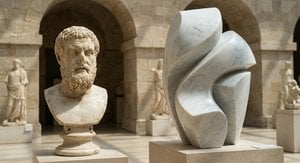
The Enduring Allure of Marble in Art History: From Classical Sculpture to Modern Abstraction
Explore the captivating history of marble sculpture from ancient Greece to modern art. Discover renowned artists like Canova & Michelangelo, carving techniques, and investment insights at ArtsDot.

Bronze Sculptures That Defined Art History | ArtsDot
Journey through art history with our Top 10 bronze sculptures! Explore masterpieces by Rodin, Michelangelo & more. Discover stories behind iconic statues and find museum-quality reproductions for your home decor at ArtsDot.com.

François-Auguste Rodin: Revolutionizing Sculpture Through Emotion & Modernity
Explore the revolutionary world of Auguste Rodin, the founder of modern sculpture. Discover his iconic works like 'The Kiss' & 'The Thinker,' innovative techniques, and lasting impact on art history. A deep dive into emotion and realism.

पियरे-अगस्टे रेनोइर की 25 उत्कृष्ट कृतियाँ: कला और सौंदर्य का अद्भुत संग्रह | ArtsDot
पियरे-अगस्टे रेनोइर की 25 सर्वश्रेष्ठ पेंटिंग! प्रभाववाद, फ्रांसीसी कला और सौंदर्य का अनुभव करें। 'नृत्य एट ले मौलिन डे ला गैलेट' जैसी उत्कृष्ट कृतियों के पीछे की कहानियाँ जानें। ArtsDot.com पर उच्च गुणवत्ता वाले कला प्रिंट खरीदें।