


 पूर्वावलोकन देखें
 साझा करें
 साझा करें
 विस्तृत विवरण

 डाउनलोड करें
 समान कलाकृतियाँ
 एक्स-रे
 स्लाइड शो देखें
Still life


 पूरा देखें
गिक्ली / आर्ट प्रिंट
तेज़ उत्पादन और विभिन्न फिनिश विकल्पों के साथ म्यूजियम-क्वालिटी गिकली (giclée) या कैनवस प्रिंट। ( हाथ से बनी पेंटिंग खरीदें छवि खरीदें)




P118B $10

P118H $10

P118W $10

P438Z $10

P508JH $12

P508YH $12

P805H $10

P805Z $10

P919BZ $10

P919G $10

P919XJ $10

P959ZH $10

P968JZ $12

W106C $8

W218G $10

W218JH $8

W218Y $10

W307PJ $10

W316G $10

W316PJ $8

W316Y $10

W398PJ $8

W4111J $10

W500HY $15

W500JH $15

W692G $12

W849H $8

W940BG $15

W953PJ $8




कलाकृति के मूल अनुपात से मेल खाने वाले हमारे पूर्व निर्धारित आकारों में से चुनें।

आप किसी विशिष्ट फ्रेम या स्थान के अनुसार अपने स्वयं के आयाम (dimensions) दर्ज कर सकते हैं। यदि आपके द्वारा चुना गया आकार मूल छवि के अनुपात से मेल नहीं खाता है, तो हम कलाकृति को क्रॉप कर देंगे या मिरर किए गए या सॉलिड-फिल किनारे के साथ छवि का विस्तार करेंगे। उत्पादन शुरू होने से पहले आपकी स्वीकृति के लिए एक डिजिटल मॉकअप भेजा जाएगा।
कृपया ध्यान दें कि स्क्रीन पर दिखने वाला प्रीव्यू वास्तविक क्रॉपिंग या विस्तार को नहीं दर्शाता है। केवल मॉकअप ही अंतिम संरचना को सटीक रूप से दिखाएगा।
हालाँकि कस्टम आकार उपलब्ध हैं, फिर भी हम मूल अनुपात बनाए रखने के लिए पूर्व-निर्धारित सूची में से एक आयाम चुनने की सलाह देते हैं।
विश्वव्यापी डिलीवरी (), मानक 4/5 सप्ताह के बजाय मात्र 2 सप्ताह में। (15 अगस्त)

दुनिया भर में मुफ़्त एक्सप्रेस शिपिंग

उच्च गुणवत्ता वाला लिनेन कैनवास

पूर्ण शिपिंग बीमा

सीमा शुल्क और आयात कर वापसी की गारंटी

सटीक रंग मिलान की गारंटी

60-दिन की वापसी नीति (केवल दोषों के लिए)

100% पैसे वापसी की गारंटी

थोक छूट का लाभ
 ग्लास का विकल्प केवल 110 सेमी से कम आकार में ही उपलब्ध है।

Still life
गिक्ली / आर्ट प्रिंट
प्रतिकृति का आकार
-


कुल देय राशि
$ 62
संग्रहणीय वस्तु का विवरण
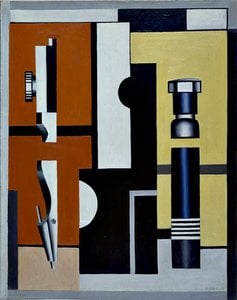
A Symphony of Form: Fernand Léger’s 1919 Still Life
This captivating still life from 1919 exemplifies Fernand Léger's distinctive contribution to the Cubist movement – a style he uniquely evolved into what became known as “Tubism.” Rather than depicting traditional floral arrangements or fruit, Léger turns his attention to the burgeoning industrial world, presenting an abstracted arrangement of mechanical components. The artwork isn’t merely *of* machines; it embodies their spirit—their power, precision, and fragmented nature.Deconstructing Reality: Style & Technique
- Cubist Foundations: Rooted in the principles of Cubism pioneered by Picasso and Braque, this work breaks down objects into geometric forms—primarily cylinders, rectangles, and cones. However, Léger moves beyond analytical Cubism’s muted palette, embracing a bolder, more vibrant aesthetic.
- Tubism Defined: The emphasis on cylindrical shapes is characteristic of Léger's style. These “tubes” create a sense of solidity and mechanical strength, reflecting his fascination with the modern industrial landscape.
- Painterly Texture: While geometrically driven, the painting isn’t cold or sterile. Léger employs visible brushstrokes and likely utilized a palette knife to build up layers of paint, creating a tactile surface that adds depth and visual interest.
- Dynamic Composition: Overlapping planes and intersecting lines generate a dynamic composition, suggesting movement and energy despite the static subject matter. The flattened perspective further emphasizes the two-dimensionality of the canvas while simultaneously hinting at three-dimensional forms.
Historical Context: Post-War Modernity
Created in 1919, just after the end of World War I, this artwork reflects a period of rapid technological advancement and societal change. The horrors of war fueled a fascination with machinery – both as instruments of destruction *and* symbols of progress. Léger’s choice to depict industrial objects can be seen as an embrace of modernity, a celebration of the machine age, and perhaps even a commentary on humanity's evolving relationship with technology. He served as a soldier during WWI, and this experience profoundly impacted his artistic vision.Symbolism & Interpretation
The symbolism within Léger’s still life is open to interpretation. The fragmented forms could represent the disruption of traditional order in the wake of war, or the deconstruction of reality itself through the lens of modern science and technology. The bold colors—reds, blues, greens, and yellows—inject a sense of vitality into the otherwise mechanical subject matter. While not overtly emotional, the painting evokes a feeling of energy, dynamism, and perhaps even a subtle tension between order and chaos.Emotional Resonance & Interior Design
This artwork is more than just an aesthetic object; it’s a visual statement about the modern world. Its bold colors and geometric forms make it a striking focal point for any interior space. It would complement contemporary or Art Deco interiors particularly well, adding a touch of intellectual sophistication and historical significance. The painting's energy can invigorate a living room, study, or office, sparking conversation and inspiring creativity. A high-quality reproduction captures the essence of Léger’s vision, bringing a piece of art history into your home or workspace.संबद्ध कलाकृतियाँ




कलाकार का जीवन परिचय
फ़र्नांद लेजर: आधुनिकता के चित्रकार
फ़र्नांद लेजर, जिनका जन्म 1881 में अर्जेंटीना, नॉर्मंडी में हुआ था, आधुनिक कला के इतिहास में एक महत्वपूर्ण नाम हैं। उनकी यात्रा ग्रामीण इलाकों से लेकर पेरिस के अत्याधुनिक कला जगत तक फैली हुई है, जो दृढ़ संकल्प और मशीन युग की आत्मा को पकड़ने की अथक खोज का प्रमाण है। जहाँ कई समकालीन कलाकारों ने प्रतिनिधित्व से दूर जाने के लिए अमूर्तता को अपनाया, लेजर ने आधुनिकता – इसकी गतिशीलता, यांत्रिक रूपों और सार – को एक नई दृश्य भाषा में एकीकृत करने की कोशिश की जो शक्तिशाली रूप से अमूर्त होने के साथ-साथ देखने योग्य दुनिया में गहराई से निहित भी थी। कृषि श्रम के गहन शारीरिक अनुभव से लेकर औद्योगिक भविष्य के प्रति उनके जुनून तक, लेजर का जीवन कलात्मक परिवर्तन का एक आकर्षक चित्रण है। उन्होंने वास्तुकला में प्रशिक्षण शुरू किया, लेकिन जल्द ही चित्रकला की ओर आकर्षित हो गए, पेरिस में खुद को स्थापित करते हुए और अपने कौशल को निखारते हुए। पॉल सेज़ेन के काम से उनका सामना एक निर्णायक क्षण था, जिसने उन्हें पारंपरिक प्रतिनिधित्व से मुक्त कर दिया और उन्हें अधिक ज्यामितीय और संरचनात्मक दृष्टिकोण की ओर धकेला।ट्यूबिज़्म का जन्म और स्वर्ण खंड
सेज़ेन के प्रभाव ने लेजर को रूपों को विघटित करने, उनके अंतर्निहित ढांचे का विश्लेषण करने और उन्हें कैनवास पर फिर से बनाने के लिए प्रेरित किया, जिससे ठोसता और मात्रा पर जोर दिया गया। यह खोज उन्हें क्यूबिज्म की दुनिया में ले गई, लेकिन लेजर केवल पिकासो या ब्राक की शैलियों की नकल करने से संतुष्ट नहीं थे। उन्होंने अपना एक विशिष्ट मुहावरा विकसित किया – क्यूबिज्म का एक व्यक्तिगत रूप जिसे आलोचकों ने चंचल रूप से "ट्यूबिज़्म" करार दिया। बेलनाकार रूपों, सपाट प्लेन और बोल्ड रंग कंट्रास्ट द्वारा चिह्नित, ट्यूबिज़्म ने व्यापक कलात्मक चिंता बनने से पहले ही मशीन सौंदर्यशास्त्र का जश्न मनाया। यह औद्योगिक दुनिया को देखकर पैदा हुई एक कला थी, जो इसके कार्यात्मक आकृतियों और यांत्रिक लय में सुंदरता को पहचानती है। इस अवधि के दौरान, लेजर सक्रिय रूप से अत्याधुनिक दृश्य में भाग लेते थे, जीन मेटज़िंगर, हेनरी लाउरेन्सिस, जैक्स लिप्सिट्ज़, चाएम सूटीन, रॉबर्ट डेलाने और लेखकों गुस्तावो अपोलिनेयर, मैक्स जैकब, मॉरिस रेनाल और ब्लेज़ सेंडर्स जैसे कलाकारों के साथ जुड़ते थे। उन्होंने स्वर्ण खंड (गोल्डन सेक्शन) नामक पुटॉउ समूह में भी भाग लिया, जहाँ कलाकार सद्भाव और अनुपात की गणितीय सिद्धांतों का पता लगाते थे।युद्ध, यांत्रिकी और एक नई सौंदर्यशास्त्र
प्रथम विश्व युद्ध का लेजर के जीवन और कार्य पर गहरा प्रभाव पड़ा। 1914 से 1916 तक मोर्चे पर सेवा करने से उन्हें आधुनिक युद्ध की क्रूर वास्तविकताओं – तोपखाने की बमबारी, हवाई लड़ाई और मशीनीकृत संघर्ष के अमानवीय प्रभावों का पता चला। इस अनुभव ने मोहभंग या आधुनिकता के अस्वीकरण को जन्म नहीं दिया; इसके बजाय, इसने मशीनों और उनकी शक्ति में उनकी रुचि को मजबूत किया। उनके द्वारा बनाई गई स्केच सैन्य प्रौद्योगिकी की कठोर सुंदरता को दर्शाती हैं, विनाश के उपकरणों को कलात्मक चिंतन के विषयों में बदल देती हैं। नागरिक जीवन में लौटने पर, लेजर का सौंदर्यशास्त्र और विकसित हुआ। उनके चित्रों ने औद्योगिक दुनिया की गतिशीलता और दक्षता का जश्न मनाते हुए अधिक सुव्यवस्थित, यांत्रिक संवेदनशीलता को प्रतिबिंबित करना शुरू कर दिया। *सैनिक एक पाइप के साथ* (1916) इस बदलाव को दर्शाता है, सरलीकृत रूपों और बोल्ड रंगों को प्रदर्शित करता है जो यांत्रिक परिशुद्धता की भावना पैदा करते हैं। यह सिर्फ एक सौंदर्य पसंद नहीं थी; यह एक दार्शनिक बयान था – प्रगति और नवीनीकरण की आधुनिकता की क्षमता की पुष्टि, यहां तक कि विनाशकारी संघर्ष के बीच भी।विरासत और स्थायी प्रभाव
अपने युद्ध के बाद के वर्षों में, लेजर ने कला और उद्योग के चौराहे का पता लगाना जारी रखा, ऐसे काम बनाए जो अमूर्तता और चित्रात्मकता के अनूठे मिश्रण के साथ आधुनिक जीवन का जश्न मनाते थे। उनकी *एनिमेटेड लैंडस्केप्स* श्रृंखला (1921) ने आंकड़ों और जानवरों को सुव्यवस्थित रचनाओं में निर्बाध रूप से एकीकृत किया, कार्बनिक और अकार्बनिक रूपों के बीच की सीमाओं को धुंधला कर दिया। उन्होंने मूर्तिकला और फिल्म निर्माण के साथ भी प्रयोग किया, अपनी कलात्मक प्रथा को पारंपरिक पेंटिंग की सीमाओं से परे बढ़ाया। लेजर का बाद की पीढ़ियों के कलाकारों पर प्रभाव निर्विवाद है। उनके रूपों का बोल्ड सरलीकरण, औद्योगिक कल्पना को अपनाना और लोकप्रिय संस्कृति का जश्न मनाना पॉप आर्ट के उद्भव से पहले ही हुआ था। रॉय लाइचेनस्टीन और एंडी वारहोल जैसे कलाकारों ने स्पष्ट रूप से लेजर के अग्रणी कार्य के प्रति ऋण व्यक्त किया है। उन्होंने अमूर्त कला और चित्रात्मक प्रतिनिधित्व के बीच की खाई को पाटने में महत्वपूर्ण भूमिका निभाई, यह प्रदर्शित करते हुए कि बौद्धिक रूप से कठोर और नेत्रहीन आकर्षक दोनों तरह के काम बनाना संभव है। आज, फ़र्नांद लेजर के चित्रों को दुनिया भर के प्रमुख संग्रहालयों में रखा गया है, जिसमें फ्रांस के म्यूज़ डी आर्ट एट डी'हिस्टोइर और विशेष रूप से उनके कार्य को समर्पित म्यूज़ नेशनल फ़र्नांद लेजर शामिल हैं। वह 20वीं सदी की कला के एक महान व्यक्ति बने हुए हैं – एक दूरदर्शी जिसने विनाशकारी संघर्ष के बीच भी मशीन युग में सुंदरता खोजने का साहस किया और इसे अद्वितीय बोल्डनेस और मौलिकता के साथ कैनवास पर अनुवादित किया। उनकी विरासत केवल एक चित्रकार के रूप में ही नहीं, बल्कि आधुनिकता के एक भविष्यवक्ता के रूप में है। एक सच्चा अग्रणी जिसका काम आज भी दर्शकों को प्रेरित करता रहता है।
फर्मान लेजर
1881 - 1955 , फ्रांस
मुख्य तथ्य
- Artistic Movement Or Style: घनवाद, ट्यूबिज्म
- Artists Or Movements Influenced By This Artist: ['पॉप आर्ट']
- Artists Who Influenced This Artist: ['पॉल सेज़ान']
- Date Of Birth: 4 फ़रवरी 1881
- Date Of Death: 17 अगस्त 1955
- Full Name: फ़र्नांद लेजर
- Nationality: फ्रांसीसी
- Notable Artworks:
- द सitted वुमन
- मशीन एलिमेंट
- द ग्रेट परेड
- द सिटी
- Place Of Birth: अर्जेंटन, फ़्रांस
संबंधित लेख
फर्नांड लेगर की शीर्ष 25 कलाकृतियाँ: आधुनिकता का सौंदर्य और घर सजावट के लिए प्रेरणा
फर्नांड लेगर की शीर्ष 25 कलाकृतियों में आधुनिक कला और क्यूबिज्म का सौंदर्य अनुभव करें। प्रत्येक पेंटिंग के पीछे की कहानी जानें, और अपने घर को अद्वितीय दीवार सजावट से सजाएं। ArtsDot.com पर उच्च गुणवत्ता वाले कला प्रिंट खोजें।

ज्यामितीय अमूर्तता: शीर्ष 10 उत्कृष्ट कृतियाँ जो कला को नया आकार देती हैं | ArtsDot.com
ज्यामितीय अमूर्तता की शीर्ष 10 उत्कृष्ट कृतियों का अन्वेषण करें! पिकासो, मोंड्रियन और अन्य कलाकारों के प्रेरणादायक कार्यों से कला इतिहास जानें। ArtsDot.com पर उच्च गुणवत्ता वाली कला प्रिंट और कैनवास खरीदें।

Beyond Form & Color: Geometric Abstraction's Evolution in 20th/21st Century Art
Explore the evolution of geometric abstraction from Cubism to contemporary art. Discover key artists like Malevich & Mondrian, investment insights, and expert collecting advice at ArtsDot.

Beyond Form & Color: Geometric Abstraction's Enduring Legacy in Art History
Explore the captivating world of geometric abstraction! Discover its origins, key artists like Malevich & Mondrian, and why this movement remains highly valued by art collectors today. Expert insights at ArtsDot.

Kandinsky's Masterpieces: 25 Paintings That Define Abstract Art | ArtsDot
Journey through Wassily Kandinsky's 25 most iconic abstract paintings. Explore his revolutionary use of color, form & spiritual expressionism. Find museum-quality Kandinsky reproductions and elevate your home decor with ArtsDot.com. Discover all masterpieces on ArtsDot.com!



