

 पूर्वावलोकन देखें
 साझा करें
 साझा करें
 विस्तृत विवरण
 मार्गदर्शिका

 डाउनलोड करें
 समान वस्तुएं
 एक्स-रे
 स्लाइड शो देखें
 प्रश्न और उत्तर
 आंकड़े
Davoser Café

- 72.0 x 92.0 cm


 पूरा देखें
गिक्ली / आर्ट प्रिंट
तेज़ उत्पादन और विभिन्न फिनिश विकल्पों के साथ म्यूजियम-क्वालिटी गिकली (giclée) या कैनवस प्रिंट। ( इस संग्रहणीय वस्तु की हाथ से बनी प्रतिकृति मंगवाएं डिजिटल इमेज पर स्विच करें)




P118B ₹10

P118H ₹10

P118W ₹10

P438Z ₹10

P508JH ₹12

P508YH ₹12

P805H ₹10

P805Z ₹10

P919BZ ₹10

P919G ₹10

P919XJ ₹10

P959ZH ₹10

P968JZ ₹12

W106C ₹8

W218G ₹10

W218JH ₹8

W218Y ₹10

W307PJ ₹10

W316G ₹10

W316PJ ₹8

W316Y ₹10

W398PJ ₹8

W4111J ₹10

W500HY ₹15

W500JH ₹15

W692G ₹12

W849H ₹8

W940BG ₹15

W953PJ ₹8




कलाकृति के मूल अनुपात से मेल खाने वाले हमारे पूर्व निर्धारित आकारों में से चुनें।

अपने फ्रेम या अपनी दीवार के अनुसार आवश्यक चौड़ाई और ऊंचाई दर्ज करें। प्रिंट को केवल काटा जा सकता है, चित्र से बड़ा कभी नहीं बनाया जा सकता, इसलिए अलग आकार का साइज चित्र का एक हिस्सा खो देता है। किसी भी चीज़ को प्रिंट करने से पहले हम आपकी स्वीकृति के लिए आपको एक डिजिटल मॉकअप भेजते हैं। इस पृष्ठ पर दिखाया गया चित्र वास्तविक कटिंग नहीं दिखाता है — केवल मॉकअप ही इसे दर्शाता है।
विश्वव्यापी डिलीवरी (), मानक 4/5 सप्ताह के बजाय मात्र 2 सप्ताह में। (3 नवमबर)

दुनिया भर में मुफ़्त एक्सप्रेस शिपिंग

उच्च गुणवत्ता वाला लिनेन कैनवास

पूर्ण शिपिंग बीमा

सीमा शुल्क और आयात कर वापसी की गारंटी

सटीक रंग मिलान की गारंटी

100 दिनों की वापसी नीति (केवल दोष होने पर)

100% पैसे वापसी की गारंटी

थोक छूट का अवसर
 ग्लास का विकल्प केवल 110 सेमी से कम आकार में ही उपलब्ध है।

Davoser Café
गिक्ली / आर्ट प्रिंट
प्रतिकृति का आकार
-


कुल देय राशि
₹ 6071
A Snapshot of Urban Life: Davoser Café by Ernst Ludwig Kirchner
Ernst Ludwig Kirchner’s “Davoser Café,” painted in 1928, isn't merely a depiction of a bar scene; it’s a vibrant, almost frenetic snapshot of early 20th-century social life—a moment frozen in time within the bustling heart of Davos. Created during a period of rapid societal change and artistic experimentation, this oil on canvas offers a compelling glimpse into the anxieties and exhilarations of a modernizing Germany through Kirchner’s signature Expressionist lens.
Kirchner, a pivotal figure in the Die Brücke group, sought to capture not just appearances but the raw emotional essence of his subjects. He wasn't interested in replicating reality with photographic precision; instead, he employed bold colors, distorted forms, and dynamic brushstrokes to convey a sense of urgency and psychological intensity. “Davoser Café” exemplifies this approach perfectly, transforming a commonplace setting into a powerful expression of human interaction.
Composition and the Dance of Figures
The painting immediately draws the eye with its crowded composition—a swirling mass of figures engaged in various activities: reading newspapers, sipping coffee, conversing animatedly. Kirchner masterfully utilizes perspective to create a sense of depth, pulling the viewer into this lively tableau. The arrangement isn’t static; it feels like a continuous flow of movement, as if the scene is perpetually unfolding.
- Foreground Drama: Two women dominate the foreground, their postures and expressions hinting at unspoken narratives—a subtle tension or perhaps an invitation to observe.
- The Crowd’s Energy: The surrounding figures are rendered with varying degrees of detail, some appearing sharply defined while others dissolve into a blur, contributing to the overall sense of dynamism.
- Architectural Backdrop: A glimpse of the café's interior—shelves laden with bottles and a window offering a view—provides context without distracting from the central drama.
Color as Emotion – The Palette of Anxiety
Kirchner’s use of color is profoundly expressive, moving far beyond mere representation. He employs a palette dominated by greens, blues, and ochres, colors often associated with unease, alienation, and the anxieties of modern life. These cool tones are juxtaposed with flashes of red and yellow, creating visual tension and highlighting key figures within the scene.
The greenish hues applied to the figures’ skin suggest a sense of detachment or even an otherworldly quality, while the sharp contrasts amplify the painting's emotional impact.Historical Context: The Dawn of Expressionism
"Davoser Café" was painted during a period of immense social and political upheaval in Germany. The rise of industrialization, urbanization, and the increasing pace of life were contributing to feelings of alienation and uncertainty. Kirchner’s art reflects these anxieties, capturing the psychological impact of modernity on individuals within a rapidly changing world.
The painting's creation coincided with Kirchner's membership in Die Brücke, a group that sought to break away from traditional academic styles and explore new forms of artistic expression. Their work was often characterized by its emotional intensity, social critique, and rejection of bourgeois values. “Davoser Café” stands as a testament to this movement’s ambition and innovative spirit.
Symbolism and the Fragmented Self
Beyond its immediate depiction of a café scene, "Davoser Café" can be interpreted as a meditation on the fragmented nature of modern identity. The blurred figures, the sense of anonymity, and the overall feeling of chaos suggest that individuals are increasingly isolated within the vastness of urban life.
The painting’s enduring power lies in its ability to evoke a complex range of emotions—a mixture of excitement, anxiety, and perhaps even a touch of melancholy. It's a poignant reminder of the challenges and complexities of navigating the modern world, rendered with Kirchner’s characteristic boldness and emotional intensity.
प्रश्न और उत्तर
एर्न्स्ट लूडविग किर्नर द्वारा "Davoser Café" किस वर्ष में बनाया गया था?
एर्न्स्ट लूडविग किर्नर द्वारा "Davoser Café" का निर्माण 1928 में हुआ था।
एर्न्स्ट लूडविग किर्नर द्वारा "Davoser Café" में कौन सा मुख्य रंग प्रमुखता से दिखाई देता है?
"Davoser Café" में Amber to Saffron रंग की प्रधानता है।
"Davoser Café" का निर्माण कब और किन सामग्रियों से किया गया था?
"Davoser Café" का निर्माण 1928 में, Acrylic On Canvas के माध्यम से किया गया था।
समान कलाकृतियाँ


कलाकार की जीवनी
अर्नस्ट लुडविग किर्chner: एक जीवन जो अभिव्यक्ति से गढ़ा गया
अर्नस्ट लुडविग किर्chner, एक ऐसा नाम जो जर्मन अभिव्यक्तिवाद की कच्ची भावनात्मक शक्ति का पर्याय है, एक ऐसे युग में पैदा हुए थे जो नाटकीय परिवर्तन के कगार पर था। 1880 में अस्चाफेनबर्ग, बावरिया में उनका आगमन एक जीवन की शुरुआत को चिह्नित करता था जो कलात्मक नवाचार और व्यक्तिगत उथल-पुथल से गहराई से जुड़ा हुआ था। उनके बचपन के बदलते परिदृश्य - उनके पिता के पेशे द्वारा निर्देशित - ने उनके भीतर विस्थापन की भावना पैदा कर दी, जो बाद में उनकी कला में समाहित हो गई। फ्रैंकफर्ट से पर्लेन तक, और अंततः चेम्निट्ज़ में बसने तक, युवा किर्chner तेजी से आधुनिक जर्मनी की बढ़ती चिंताओं को अवशोषित करते रहे। हालाँकि शुरू में ड्रेसडेन में Königliche Technische Hochschule में वास्तुकला की ओर निर्देशित किया गया था, लेकिन चित्रकला के प्रति आकर्षण, अल्ब्रेक्ट ड्यूरर जैसे मास्टर्स के लिए प्रशंसा और अकादमिक सम्मेलन के प्रति बढ़ती असंतोष से प्रेरित होकर, अंततः उनके मार्ग को परिभाषित किया। उन्होंने साथी विद्रोहियों - फ्रिट्ज़ ब्लेइल, कार्ल श्मिट-रोट्लुफ और एरिक हेकेल - के साथ रिश्तेदार पाया, बंधन जो 20वीं सदी की कला के पाठ्यक्रम को अपरिवर्तनीय रूप से बदल देंगे।ब्रिज का निर्माण: डिए ब्रुके और कलात्मक क्रांति
1905 में, किर्chner *डिए ब्रुके* ("द ब्रिज") नामक कलाकारों के एक समूह के संस्थापक सदस्यों में से एक बन गए, जो पारंपरिक सौंदर्यशास्त्र और अधिक विश्रामपूर्ण, भावनात्मक रूप से आवेशित अभिव्यक्ति के रूप की बीच के अंतर को पाटने के लिए समर्पित थे। यह केवल एक शैलीगत पसंद नहीं थी; यह एक दार्शनिक रुख था। समूह ने स्थापित कला जगत द्वारा अक्सर अनदेखी स्रोतों में प्रेरणा मांगी - अफ्रीका और ओशिनिया से आदिम कला, विन्सेंट वैन गॉग के बोल्ड रंग, और एडवर्ड मुंच की भूतिया मनोवैज्ञानिक गहराई। उन्होंने अकादमिक पेंटिंग द्वारा पसंद किए गए आदर्शित सौंदर्य निरूपण को अस्वीकार कर दिया, इसके बजाय विकृति, झटकेदार रंग पैलेट और अभिव्यंजक ब्रशवर्क को आधुनिक जीवन की चिंताओं और अलगाव को व्यक्त करने के लिए अपनाया। किर्chner के शुरुआती कार्य, इस सहयोगात्मक भावना से पैदा हुए, एक बेचैन ऊर्जा से स्पंदित होते थे, समूह की कलात्मक बाधाओं से मुक्त होने की साझा इच्छा को दर्शाते थे। स्टूडियो प्रयोग का एक भट्टी बन गया, एक ऐसी जगह जहाँ सामाजिक मानदंडों को कलात्मक सम्मेलनों के साथ चुनौती दी गई थी। मानव रूप की खोज, विशेष रूप से शहरी और प्राकृतिक दोनों सेटिंग्स में नग्न महिला, एक आवर्ती विषय बन गया, जिससे किर्chner को गति, भावना और आधुनिक अस्तित्व की जटिलताओं की जांच करने की अनुमति मिली।शहरी चिंताएं और बोल्ड विजन: एक शैली को परिभाषित करना
किर्chner की कलात्मक शैली तुरंत इसकी विशिष्ट विशेषताओं के लिए पहचानने योग्य है। उन्होंने रंग का उपयोग वफादार प्रतिनिधित्व के साधन के रूप में नहीं किया, बल्कि भावनात्मक प्रतिक्रियाओं को जगाने के लिए एक उपकरण के रूप में किया - जीवंत, अक्सर गैर-प्राकृतिक रंग जो उनके रचनाओं में बेचैनी या तीव्रता की भावना को बढ़ाते हैं। उनके ब्रशस्ट्रोक ऊर्जावान और दिखाई दे रहे थे, समग्र तात्कालिकता और कच्ची भावनाओं की भावना में योगदान करते थे। आंकड़े और वस्तुएं अक्सर विकृत या लम्बी होती थीं, जो व्यक्तिपरक वास्तविकता के बजाय एक विषयगत वास्तविकता को दर्शाती थीं। शायद सबसे शक्तिशाली रूप से, किर्chner ने शुरुआती 20वीं सदी के जर्मनी में आधुनिक शहरी जीवन के मनोवैज्ञानिक प्रभाव को कैद किया। *द स्ट्रीट* (1908) जैसी पेंटिंग केवल शहर के दृश्यों का चित्रण नहीं है; वे अलगाव के चित्र हैं, तेजी से बदलते दुनिया की भावनात्मक अलगाव और ऊर्जा को पकड़ते हैं। उन्होंने समाज की प्रगति के नीचे उबल रही चिंताओं को संबोधित करने में संकोच नहीं किया - अकेलापन, गुमनामी, अस्तित्व के शहरी पैमाने से अभिभूत होने की भावना। इस निर्भीक नज़र ने उन्हें अपने समय के एक क्रोनिकल के रूप में स्थापित किया, एक कलाकार जिसने साहसपूर्वक सामाजिक प्रगति के सतह के नीचे छिपी हुई चिंताओं का सामना किया।दुख और विरासत: एक स्थायी प्रभाव
किर्chner के जीवन को व्यक्तिगत संघर्षों से चिह्नित किया गया था। प्रथम विश्व युद्ध की भयावहता ने एक गंभीर मानसिक टूटने को ट्रिगर किया, जिससे उन्हें सांत्वना पाने के लिए स्विट्जरलैंड में वापस शरण लेनी पड़ी। हालाँकि, निर्वासन में भी, उन्होंने रचना करना जारी रखा, उनके काम में लगातार आघात और अलगाव को दर्शाया जो उन्होंने अनुभव किया था। नाजियों का उदय आगे की कठिनाई लेकर आया; उनके 600 से अधिक कार्यों को जब्त कर लिया गया और उन्हें "भ्रष्ट" कला के रूप में ब्रांडेड किया गया - एक विनाशकारी झटका जिसने सामाजिक जलवायु की आधुनिक कलात्मक अभिव्यक्ति के प्रति शत्रुता पर प्रकाश डाला। उत्पीड़न और घटते स्वास्थ्य का सामना करते हुए, किर्chner ने 1938 में स्विट्जरलैंड के दावोस में दुखद रूप से आत्महत्या कर ली। इस दिल दहला देने वाले अंत के बावजूद, अर्नस्ट लुडविग किर्chner की विरासत गहराई से प्रभावशाली बनी हुई है। वह जर्मन अभिव्यक्तिवाद के एक केंद्रीय व्यक्ति के रूप में खड़े हैं, अपनी बोल्ड शैली, आधुनिक जीवन के भावनात्मक रूप से प्रतिध्वनित चित्रण और कलात्मक सत्य के लिए अटूट प्रतिबद्धता के साथ पीढ़ियों के कलाकारों को प्रेरित करते हैं। उनके काम को दुनिया भर के प्रमुख संग्रहालयों में प्रदर्शित किया जाता रहता है, जो मानव स्थिति का सामना करने, चुनौती देने और अंततः प्रबुद्ध करने की कला की स्थायी शक्ति की एक शक्तिशाली याद दिलाते हैं।- प्रभावित: अल्ब्रेक्ट ड्यूरर, विन्सेंट वैन गॉग, एडवर्ड मुंच, आदिम कला (अफ्रीकी और ओशिनिया)
- प्रभावित: किर्chner के काम ने अभिव्यक्तिवादी और आधुनिक कलाकारों की पीढ़ियों को गहराई से प्रभावित किया। मनोवैज्ञानिक विषयों की उनकी खोज और रंग और रूप का अभिनव उपयोग समकालीन कला प्रथाओं को प्रेरित करता रहता है।

एर्न्स्ट लूडविग किर्नर
1880 - 1938 , जर्मनी
प्रमुख तथ्य
- कलात्मक शैली: अभिव्यक्तिवाद (एक्सप्रेशनिज्म)
- जन्म तिथि: 6 मई 1880
- जन्म स्थान: अशफेनबर्ग, जर्मनी
- पूरा नाम: एर्न्स्ट लूडविग किर्नर
- प्रभावित आंदोलन:
- अभिव्यक्तिवाद
- आधुनिक कलाकार
- प्रभावित कलाकार:
- अल्ब्रेक्ट ड्यूरर
- विन्सेंट वैन गॉग
- एडवर्ड मुंच
- प्रमुख कलाकृतियाँ:
- सड़क (1908)
- कूदती हुई नर्तकी (1912)
- आत्म-चित्र (1910)
- पांच महिलाएं (1913)
- मृत्यु तिथि: 15 जून 1938
- राष्ट्रीयता: जर्मन
संबंधित लेख

Raphael Kirchner: A Poetic Vision of Belle Époque Society Through Art Nouveau Lithography
Explore the captivating world of Raphael Kirchner, a master of Art Nouveau illustration during the Belle Époque. Discover his iconic 'Kirchner Girls,' pioneering pin-up art & lasting influence.

German Expressionism's 10 Defining Masterpieces | Art for Your Home
Explore 10 defining German Expressionism masterpieces – from Munch's 'The Scream' to Kandinsky’s abstracts. Discover the artists, stories & bold colors behind this powerful art movement. Find museum-quality reproductions at ArtsDot.com.

बर्लिन के स्टेट्लीचे म्यूसेन की 25 उत्कृष्ट कलाकृतियाँ: इतिहास और सौंदर्य का संगम
बर्लिन के स्टेट्लीचे म्यूसेन की 25 उत्कृष्ट कलाकृतियों का अन्वेषण करें! नेफरतिती से लेकर क्लासिक मूर्तियों तक, हर कलाकृति का इतिहास और सौंदर्य जानें। घर की सजावट के लिए प्रेरणा पाएं और ArtsDot.com पर उच्च-गुणवत्ता वाले कला पुनरुत्पादन खरीदें।
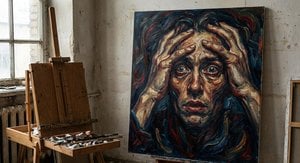
Figurative Expressionism: Emotional Intensity & Subjective Reality in 20th-Century Art
Explore the powerful world of Figurative Expressionism with ArtsDot. Discover key artists like Kirchner & Beckmann, understand its emotional depth, and learn how to collect this influential 20th-century art movement.

Ernst Ludwig Kirchner: Expressionism's Urban Anxiety & the Fragmentation of Modern Identity
Explore the powerful world of Ernst Ludwig Kirchner and German Expressionism. Discover his iconic paintings, Die Brücke group, and the movement's exploration of urban anxiety & modern identity. Expert analysis for collectors & enthusiasts.


