

 पूर्वावलोकन देखें
 साझा करें
 साझा करें
 विस्तृत विवरण
 मार्गदर्शिका

 डाउनलोड करें
 समान वस्तुएं
 एक्स-रे
 स्लाइड शो देखें
 प्रश्न और उत्तर
 आंकड़े
Small Town Station


 पूरा देखें
इस पृष्ठ पर प्रदर्शित कलाकृति कॉपीराइट कानून द्वारा संरक्षित है, जिसका अर्थ है कि हम कानूनी रूप से इसकी हूबहू प्रतिलिपि बनाने या बेचने का अधिकार नहीं रखते हैं। यह संरक्षण अंतर्राष्ट्रीय समझौतों के तहत लागू किया जाता है, जैसे कि बर्न कन्वेंशन और राष्ट्रीय कानूनों द्वारा, जिनमें % द्वारा निर्धारित कानून भी शामिल हैं। अमेरिकी कॉपीराइट कानून - शीर्षक 17।
यह विधि कॉपीराइट नियमों का पूरी तरह से पालन करती है क्योंकि इसमें संरक्षित कलाकृति की नकल या प्रतिलिपि बनाना शामिल नहीं है। इसके बजाय, यह एक रचनात्मक पुनर्व्याख्या है - एक ऐसी नई पेंटिंग जो मूल कृति से प्रेरित तो है, लेकिन उसके समान नहीं है।
गिक्ली / आर्ट प्रिंट
तेज़ उत्पादन और विभिन्न फिनिश विकल्पों के साथ म्यूजियम-क्वालिटी गिकली (giclée) या कैनवस प्रिंट। ( इस संग्रहणीय वस्तु की हाथ से बनी प्रतिकृति मंगवाएं डिजिटल इमेज पर स्विच करें)




P118B ₹10

P118H ₹10

P118W ₹10

P438Z ₹10

P508JH ₹12

P508YH ₹12

P805H ₹10

P805Z ₹10

P919BZ ₹10

P919G ₹10

P919XJ ₹10

P959ZH ₹10

P968JZ ₹12

W106C ₹8

W218G ₹10

W218JH ₹8

W218Y ₹10

W307PJ ₹10

W316G ₹10

W316PJ ₹8

W316Y ₹10

W398PJ ₹8

W4111J ₹10

W500HY ₹15

W500JH ₹15

W692G ₹12

W849H ₹8

W940BG ₹15

W953PJ ₹8




कलाकृति के मूल अनुपात से मेल खाने वाले हमारे पूर्व निर्धारित आकारों में से चुनें।

अपने फ्रेम या अपनी दीवार के अनुसार आवश्यक चौड़ाई और ऊंचाई दर्ज करें। प्रिंट को केवल काटा जा सकता है, चित्र से बड़ा कभी नहीं बनाया जा सकता, इसलिए अलग आकार का साइज चित्र का एक हिस्सा खो देता है। किसी भी चीज़ को प्रिंट करने से पहले हम आपकी स्वीकृति के लिए आपको एक डिजिटल मॉकअप भेजते हैं। इस पृष्ठ पर दिखाया गया चित्र वास्तविक कटिंग नहीं दिखाता है — केवल मॉकअप ही इसे दर्शाता है।
विश्वव्यापी डिलीवरी (), मानक 4/5 सप्ताह के बजाय मात्र 2 सप्ताह में। (4 नवमबर)

दुनिया भर में मुफ़्त एक्सप्रेस शिपिंग

उच्च गुणवत्ता वाला लिनेन कैनवास

पूर्ण शिपिंग बीमा

सीमा शुल्क और आयात कर वापसी की गारंटी

सटीक रंग मिलान की गारंटी

100 दिनों की वापसी नीति (केवल दोष होने पर)

100% पैसे वापसी की गारंटी

थोक छूट का अवसर
 ग्लास का विकल्प केवल 110 सेमी से कम आकार में ही उपलब्ध है।

Small Town Station
गिक्ली / आर्ट प्रिंट
प्रतिकृति का आकार
-


कुल देय राशि
₹ 6077
Edward Hopper’s “Small Town Station”: A Portrait of American Solitude
Edward Hopper's "Small Town Station," painted between 1918 and 1920, isn’t merely a depiction of a rural American scene; it’s a distilled essence of the era’s burgeoning sense of isolation and quiet contemplation. This deceptively simple canvas—a red brick station building anchoring a small town against a backdrop of a towering church steeple – immediately draws the viewer into a world brimming with unspoken narratives and subtle emotional currents. Hopper, a master of capturing fleeting moments of human experience, expertly utilizes light and shadow to create an atmosphere both familiar and profoundly melancholic.
The painting’s composition is meticulously crafted. The station itself, rendered in muted tones, feels almost abandoned, its windows dark and reflecting the overcast sky. A few figures are present – a man leaning against a post, a woman seated on a bench – but they remain largely detached, lost in their own thoughts. Their presence doesn't inject life into the scene; instead, it subtly underscores the pervasive sense of solitude. Hopper’s signature use of geometric forms—the sharp angles of the building, the straight lines of the tracks—contrasts with the softer curves of the benches and the figures, creating a visual tension that mirrors the emotional landscape of the work.
The Language of Light and Shadow: Hopper's Technique
Hopper’s technical skill is evident in his masterful manipulation of light. He employs a limited palette – primarily browns, grays, and blues – to evoke a sense of stillness and introspection. The strong directional lighting, originating from an unseen source, casts dramatic shadows that emphasize the forms and create a palpable depth within the scene. Notice how the light catches the edges of the building, highlighting its solidity while simultaneously obscuring details, contributing to the painting’s enigmatic quality. Hopper's brushwork is generally smooth and controlled, reflecting his commitment to realism, yet he subtly introduces textural variations—particularly in the depiction of the brick – to prevent the image from feeling overly sterile.
Interestingly, early versions of this work, as evidenced by a painting held at the Whitney Museum (accession number 70.1209), reveal a more vibrant color scheme and a greater degree of activity. This suggests that Hopper experimented with different approaches before settling on the subdued palette and contemplative mood that define the final version. The evolution demonstrates his process—a careful balancing act between observation, technique, and artistic intent.
Symbolism and the American Psyche
"Small Town Station" resonates deeply within the context of early 20th-century America. Following the rapid industrialization and urbanization of the late Victorian era, many Americans experienced a growing sense of displacement and alienation. Hopper’s work captures this feeling with remarkable precision. The station itself can be interpreted as a symbol of transition—a point between journeys, both literal and metaphorical. The church steeple, towering above the town, represents faith and tradition, perhaps offering a counterpoint to the prevailing sense of isolation.
Furthermore, the painting speaks to the broader themes explored by Hopper throughout his career: loneliness, urban alienation, and the search for meaning in a rapidly changing world. He wasn’t simply depicting a place; he was portraying an emotional state—a quiet yearning for connection amidst the vastness of modern life. As art critic Edward Hopper described it, "I paint what I see, not necessarily what I think I see."
A Timeless Masterpiece: Reproduction and Beyond
ArtsDot offers meticulously crafted hand-painted reproductions of “Small Town Station,” allowing you to experience the profound beauty and emotional resonance of this iconic work in your own space. Our artists carefully replicate Hopper’s nuanced use of light, color, and composition, ensuring that the reproduction captures the essence of the original painting. Whether displayed as a statement piece in a contemporary interior or as a nostalgic reminder of America's past, “Small Town Station” continues to captivate viewers with its quiet power and enduring appeal. Explore our high-quality reproductions today and bring this poignant portrait of American solitude into your home.
प्रश्न और उत्तर
American Realism शैली की कृति "Small Town Station" किस देश से संबंधित है?
American Realism शैली की यह कृति "Small Town Station", संयुक्त राज्य अमेरिका में जन्मे एक कलाकार द्वारा बनाई गई थी।
एडवर्ड हॉपर द्वारा "Small Town Station" के दर्शक कहाँ से आते हैं?
"Small Town Station" के लिए एक आंकड़े पेज उपलब्ध है। यह देश और भाषा के विवरण के साथ, इस कलाकृति और कलाकार की अन्य कृतियों की मासिक यात्राओं का चार्ट प्रस्तुत करता है।
American Realism के भीतर एडवर्ड हॉपर द्वारा "Small Town Station" किस भाव को व्यक्त करता है?
American Realism आंदोलन के भीतर, "Small Town Station" को एक Melancholic स्वर के साथ दर्ज किया गया है।
समान कलाकृतियाँ


कलाकार की जीवनी
एडवर्ड हॉपर: अमेरिकी यथार्थवाद के एकान्त पर्यवेक्षक
एडवर्ड हॉपर का नाम अमूमन 20वीं सदी के अमेरिकी जीवन की शांति और सूक्ष्म उदासी से जुड़ा हुआ है। वह दृश्यों के चित्रकार मात्र नहीं थे; वे प्रकाश और छाया के कवि, आधुनिक अलगाव के क्रोनिकलर थे। न्यूयॉर्क के न्याक में 1882 में मध्यमवर्गीय परिवार में जन्मे हॉपर के शुरुआती वर्षों ने उनकी कलात्मक प्रवृत्तियों को बढ़ावा देने वाला एक स्थिर माहौल प्रदान किया। बचपन के रेखाचित्रों से यह स्पष्ट था कि तेज अवलोकन और ड्राइंग की जन्मजात प्रतिभा उनके अस्तित्व का केंद्र बिंदु थी। हालाँकि उन्हें शुरू में वाणिज्यिक चित्रण की ओर प्रोत्साहित किया गया था - एक व्यावहारिक सुझाव उनके माता-पिता द्वारा दिया गया था - हॉपर की महत्वाकांक्षाएँ ललित कला की ओर झुकीं, जिससे वह न्यूयॉर्क स्कूल ऑफ़ आर्ट में विलियम मेरिट चेज़ और रॉबर्ट हेनरी के अधीन अध्ययन करने के लिए प्रेरित हुए। इन प्रारंभिक वर्षों ने न केवल तकनीकी कौशल प्रदान किया बल्कि दुनिया को जैसा उन्होंने देखा वैसा ही चित्रित करने की प्रतिबद्धता भी पैदा की - बिना किसी दिखावे के और ईमानदार। राल्फ वाल्डो इमर्सन के लेखन हॉपर के साथ गहराई से प्रतिध्वनित हुए, उनकी व्यक्तिवाद की भावना और तीव्र अवलोकन को मजबूत करते हैं - ऐसे गुण जो उनके कलात्मक दृष्टिकोण की पहचान बन जाएंगे। शुरुआती यात्राओं ने उन्हें पेरिस में प्रभाववाद से अवगत कराया, फिर भी हॉपर जल्दी ही इसके क्षणभंगुर ब्रशस्ट्रोक से अलग हो गए, एक अनूठा मार्ग प्रशस्त किया।अपनी आवाज़ खोजना: यथार्थवाद और अमेरिकी दृश्य
हॉपर की कलात्मक यात्रा तत्काल या आसान नहीं थी। उन्होंने अपनी विशिष्ट आवाज खोजने के लिए संघर्ष किया, अपने करियर को परिभाषित करने वाले यथार्थवाद में बसने से पहले विभिन्न शैलियों के साथ प्रयोग किया। यह केवल वास्तविकता का प्रतिकृति नहीं था; यह सार का आसवन था, अनावश्यक विवरणों को हटाकर अंतर्निहित भावनात्मक सत्यों को उजागर करता है। उनके चित्रों ने घरों, भोजनशालाओं, कार्यालयों और होटल के कमरों जैसे रोजमर्रा के दृश्यों पर ध्यान केंद्रित करना शुरू कर दिया - स्थिरता की भावना से युक्त और अक्सर, अकेलापन। उनके पास अपनी विषयों की मनोवैज्ञानिक अवस्थाओं को पकड़ने की असाधारण क्षमता थी, बिना किसी स्पष्ट कथन के कहानियों का संकेत देते हुए। प्रकाश और छाया का सटीक चित्रण न केवल वर्णनात्मक तत्व के रूप में बल्कि भावनात्मक संकेतों के रूप में भी महत्वपूर्ण हो गया, ऐसे वातावरण बनाते हैं जो दोनों आकर्षक और परेशान करने वाले थे। हाउस बाय द रेलरोड (1925), इस दृष्टिकोण का एक प्रारंभिक उत्कृष्ट कृति, अलगाव की गहरी भावना को प्रसारित करते हुए एक प्रतीत होने वाला सरल रचना है। हॉपर का प्रिंटमेकिंग, अक्सर अनदेखा किया जाता है, उनके पेंटिंग के समानांतर चला, समान विषयों और शैलीगत गुणों को साझा करता है, जो माध्यमों में उनकी महारत को प्रदर्शित करता है। उन्हें भव्य ऐतिहासिक कथाओं या रूपक प्रतीकात्मकता में दिलचस्पी नहीं थी; उन्होंने साधारण को ऊंचा करते हुए रोजमर्रा की चीजों पर ध्यान केंद्रित किया।आइकॉनिक विजन: नाइथॉक्स और उससे आगे
हालाँकि हॉपर के करियर का विकास धीरे-धीरे हुआ, कुछ कार्यों ने उन्हें व्यापक मान्यता दिलाई। नाइटहॉक्स (1942), शायद उनका सबसे प्रसिद्ध चित्र, अमेरिकी संस्कृति का एक तत्काल प्रतीक बन गया। देर रात की भोजनशाला का दृश्य, कठोर फ्लोरोसेंट प्रकाश में नहाया हुआ, आधुनिक शहरी जीवन के अलगाव और गुमनामी को पूरी तरह से समाहित करता है। उनके भीतर के आंकड़े अपने विचारों में खोए हुए हैं, उनकी निकटता के बावजूद एक-दूसरे से अलग हैं - मानव स्थिति पर एक मार्मिक टिप्पणी। गैस (1940), सड़क किनारे गैस स्टेशन के एक हड़ताली चित्रण के साथ, अमेरिकी परिदृश्य और बढ़ते ऑटोमोबाइल संस्कृति के प्रति हॉपर की रुचि को प्रदर्शित करता है। *ऑटोमैट*, *ऑफिस इन अ स्मॉल सिटी* और *समरटाइम* जैसे अन्य उल्लेखनीय कार्य प्रत्येक अमेरिकी समाज की जटिलताओं में अनूठी अंतर्दृष्टि प्रदान करते हैं। ये चित्र केवल स्थानों का चित्रण नहीं थे; वे मूड, मनोविज्ञान और सामान्य सेटिंग्स के भीतर घटित होने वाले सूक्ष्म नाटकों की खोज थे। उनकी पत्नी, जोसेफिन निविजन हॉपर ने न केवल अपने जीवनसाथी के रूप में बल्कि अपनी महिला आकृतियों के चरित्र को महत्वपूर्ण रूप से योगदान करते हुए एक मॉडल के रूप में भी एक महत्वपूर्ण भूमिका निभाई।विषय और विरासत: एक स्थायी प्रभाव
हॉपर के कार्यों में कई बार दोहराए जाने वाले विषय व्याप्त हैं। शहरी अलगाव शायद सबसे प्रमुख है - भीड़ के बीच भी व्यक्तियों द्वारा अनुभव किया गया अकेलापन। उन्होंने ग्रामीण और शहरी दोनों अमेरिकी परिदृश्य का पता लगाया, अक्सर इसकी कठोरता और खालीपन पर जोर दिया। उनके काम मनोवैज्ञानिक यथार्थवाद में गहराई से उतरते हैं, अपने विषयों के आंतरिक जीवन को एक संवेदनशीलता के साथ जो केवल प्रतिनिधित्व से परे है। अतीत के लिए एक अंतर्निहित उदासीनता भी है, आधुनिक जीवन की जटिलताओं और चिंताओं के प्रति स्वीकृति के साथ विपरीत। हॉपर का प्रभाव बाद के कलाकारों पर निर्विवाद है। उनकी अनूठी शैली ने असंख्य चित्रकारों को प्रेरित किया है, और समकालीन कलाकारों के साथ गूंजती रहती है जो मानव अनुभव के सार को पकड़ने का प्रयास करते हैं। उनके चित्रों की मांग लगातार संग्राहकों द्वारा की जाती है और उन्हें दुनिया भर के प्रमुख संग्रहालयों में प्रदर्शित किया जाता है, जिससे अमेरिकी कला इतिहास में एक महत्वपूर्ण व्यक्ति के रूप में उनकी जगह मजबूत होती है। हॉपर प्रकाश, छाया और रचना के अपने कुशल उपयोग के माध्यम से मानव स्थिति में गहन अंतर्दृष्टि प्रदान करने वाले दृश्य दार्शनिक थे।- उनकी विरासत केवल उनके चित्रों की सुंदरता में ही नहीं बल्कि अपनी स्थायी क्षमता में भी निहित है जो विचार को उत्तेजित करती है, भावनाओं को जगाती है और हमें उन शांत एकांतों की याद दिलाती है जो अक्सर हमारे जीवन को परिभाषित करते हैं।
- हॉपर के काम आज भी दर्शकों को मोहित करते रहते हैं क्योंकि वे अलगाव, अलगाव और तेजी से बदलते दुनिया में अर्थ की खोज जैसे सार्वभौमिक विषयों पर बोलते हैं।
- उनके चित्रों ने अमेरिकी संस्कृति के प्रतिष्ठित प्रतिनिधित्व बन गए हैं, अक्सर 20वीं सदी की आकांक्षाओं और चिंताओं का प्रतीक बनने के लिए उपयोग किए जाते हैं - और उससे आगे भी।
- हॉपर की सौंदर्यशास्त्र ने फिल्म निर्माताओं (जैसे अल्फ्रेड हिचकॉक) और लेखकों को गहराई से प्रभावित किया है, समान विषयों की खोज करने वाले अनगिनत कार्यों को प्रेरित किया है।

एडवर्ड हॉपर
1931 - 1967 , संयुक्त राज्य अमेरिका
प्रमुख तथ्य
- Artistic Movement Or Style: यथार्थवाद
- Artists Or Movements Influenced By This Artist: ['पियरे सैंडफोर्ड रॉस']
- Artists Who Influenced This Artist:
- विलियम मेरिट्ट चेज़
- रॉबर्ट हेनरी
- Date Of Birth: 22 जुलाई 1882
- Date Of Death: 15 मई 1967
- Full Name: एडवर्ड हॉपर
- Nationality: अमेरिकी
- Notable Artworks:
- नाइटहॉक्स
- हाउस बाय द रेलरोड
- गैस
- ऑटोमैट
- Place Of Birth: अपर न्याक, यूएसए
संबंधित लेख

American Realism: Social Commentary & Artistic Representation in Early 20th-Century Painting
Explore the powerful social commentary & artistic representation of American Realism. Discover key artists like Bellows & Sloan, and understand the movement's lasting impact on 20th-century art history.

American Realism's Defining Works: 10 Masterpieces for Your Home
Explore 10 defining American Realism masterpieces – Hopper, Homer & more. Discover the stories behind these iconic paintings and bring timeless art to your home with ArtsDot's museum-quality reproductions. Explore the full collection online.

Grant Wood & American Regionalism: Identity, Myth & the Rural Landscape
Explore the world of Grant Wood & American Regionalism with ArtsDot. Discover the symbolism behind 'American Gothic', recurring themes, and the movement's lasting impact on art history. High-quality reproductions available.

एडवर्ड हॉपर की शीर्ष 25 कलाकृतियाँ: अमेरिकी जीवन का गहन चित्रण | ArtsDot
एडवर्ड हॉपर की शीर्ष 25 कलाकृतियों का अन्वेषण करें! अमेरिकी जीवन, शहरी अकेलापन और प्रकाश-छाया के जादू को जानें। उच्च गुणवत्ता वाली कला प्रिंट और घर की सजावट के लिए ArtsDot.com पर संग्रह देखें।
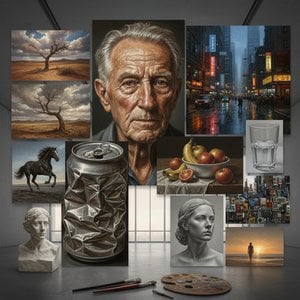
समकालीन यथार्थवाद के 10 उत्कृष्ट कृतियाँ: कला और घर की सजावट में क्रांति | ArtsDot
समकालीन यथार्थवाद की 10 उत्कृष्ट कृतियों का अन्वेषण करें! प्रसिद्ध कलाकारों के अद्भुत कार्यों से प्रेरित हों, कला इतिहास जानें और अपने घर को सजाएं। वहु आर्ट पर फाइन आर्ट प्रिंट और क्यूरेटेड संग्रह खोजें।


