


 पूर्वावलोकन देखें
 साझा करें
 साझा करें
 विस्तृत विवरण

 डाउनलोड करें
 समान कलाकृतियाँ
 एक्स-रे
 स्लाइड शो देखें
The Assassin


 पूरा देखें
गिक्ली / आर्ट प्रिंट
तेज़ उत्पादन और विभिन्न फिनिश विकल्पों के साथ म्यूजियम-क्वालिटी गिकली (giclée) या कैनवस प्रिंट। ( हाथ से बनी पेंटिंग खरीदें छवि खरीदें)




P118B $10

P118H $10

P118W $10

P438Z $10

P508JH $12

P508YH $12

P805H $10

P805Z $10

P919BZ $10

P919G $10

P919XJ $10

P959ZH $10

P968JZ $12

W106C $8

W218G $10

W218JH $8

W218Y $10

W307PJ $10

W316G $10

W316PJ $8

W316Y $10

W398PJ $8

W4111J $10

W500HY $15

W500JH $15

W692G $12

W849H $8

W940BG $15

W953PJ $8




कलाकृति के मूल अनुपात से मेल खाने वाले हमारे पूर्व निर्धारित आकारों में से चुनें।

आप किसी विशिष्ट फ्रेम या स्थान के अनुसार अपने स्वयं के आयाम (dimensions) दर्ज कर सकते हैं। यदि आपके द्वारा चुना गया आकार मूल छवि के अनुपात से मेल नहीं खाता है, तो हम कलाकृति को क्रॉप कर देंगे या मिरर किए गए या सॉलिड-फिल किनारे के साथ छवि का विस्तार करेंगे। उत्पादन शुरू होने से पहले आपकी स्वीकृति के लिए एक डिजिटल मॉकअप भेजा जाएगा।
कृपया ध्यान दें कि स्क्रीन पर दिखने वाला प्रीव्यू वास्तविक क्रॉपिंग या विस्तार को नहीं दर्शाता है। केवल मॉकअप ही अंतिम संरचना को सटीक रूप से दिखाएगा।
हालाँकि कस्टम आकार उपलब्ध हैं, फिर भी हम मूल अनुपात बनाए रखने के लिए पूर्व-निर्धारित सूची में से एक आयाम चुनने की सलाह देते हैं।
विश्वव्यापी डिलीवरी (), मानक 4/5 सप्ताह के बजाय मात्र 2 सप्ताह में। (3 सितमबर)

दुनिया भर में मुफ़्त एक्सप्रेस शिपिंग

उच्च गुणवत्ता वाला लिनेन कैनवास

पूर्ण शिपिंग बीमा

सीमा शुल्क और आयात कर वापसी की गारंटी

सटीक रंग मिलान की गारंटी

60-दिन की वापसी नीति (केवल दोषों के लिए)

100% पैसे वापसी की गारंटी

थोक छूट का लाभ
 ग्लास का विकल्प केवल 110 सेमी से कम आकार में ही उपलब्ध है।

The Assassin
गिक्ली / आर्ट प्रिंट
प्रतिकृति का आकार
-


कुल देय राशि
$ 62
A Portrait of Inner Turmoil: Decoding Edvard Munch’s ‘The Assassin’
Edvard Munch's 1910 painting, *The Assassin*, is a potent distillation of Expressionist anxieties. More than a depiction of a violent act, it’s a haunting exploration of the psychological state preceding – or perhaps following – an irrevocable deed. The work, measuring 74 x 58 cm and currently housed at the Kunsthaus Zürich, Switzerland, serves as a chilling example of Munch's ability to externalize inner torment onto canvas.The Scene: A Study in Isolation and Dread
The painting presents a solitary figure, rendered with stark simplicity, clutching a knife. The subject’s face is not one of triumphant aggression, but rather etched with terror and a profound sense of isolation. He isn't presented *in the act* of assassination, but caught in its psychological orbit – a moment suspended between intention and consequence. The background, though abstracted, suggests a landscape that mirrors the figure’s internal state: turbulent, unsettling, and devoid of solace. The winding path hints at a journey with no clear destination, further emphasizing the character's lost and desperate condition.Expressionism in Action: Technique & Style
*The Assassin* is deeply rooted in the Expressionist movement. Munch employs bold, non-naturalistic colors – a hallmark of the style – to amplify the emotional impact. Rough, visible brushstrokes contribute to a sense of unease and instability, rejecting the Impressionist pursuit of optical realism in favor of subjective experience. The composition is deliberately asymmetrical, creating a dynamic tension that reflects the character’s inner turmoil. The deliberate distortion of form isn't about depicting reality; it's about conveying feeling. Munch’s use of impasto – thick layers of paint – adds texture and physicality to the work, making the viewer almost feel the weight of the figure’s despair.Edvard Munch: A Life Marked by Anguish
To understand *The Assassin*, one must consider the artist's biography. Edvard Munch (1863-1944) endured a childhood steeped in tragedy – the early deaths of his mother and sister from tuberculosis, coupled with a father struggling with mental illness. These experiences instilled in him a lifelong preoccupation with themes of mortality, sickness, and psychological distress. His art became a vehicle for exploring these deeply personal anxieties, often blurring the lines between autobiography and universal human experience. Munch’s work also resonates with Symbolism, utilizing imagery to represent complex emotional states rather than literal depictions.Historical Context & Symbolism
Painted in 1910, *The Assassin* reflects a period of significant social and political upheaval. The early 20th century was marked by anxieties surrounding industrialization, urbanization, and the looming threat of war. While not explicitly tied to a specific event, the painting taps into a broader sense of alienation and existential dread prevalent at the time. The knife itself is a potent symbol – representing violence, danger, but also perhaps a desperate attempt to exert control in a chaotic world. The figure’s isolation speaks to the growing sense of individual fragmentation within modern society.Emotional Resonance & Interior Design
*The Assassin* isn't merely a painting; it’s an emotional experience. It evokes feelings of unease, anxiety, and profound sadness. Its power lies in its ability to tap into universal human fears and vulnerabilities. For interior design, this piece would serve as a striking focal point – best suited for spaces intended for contemplation or those seeking a dramatic, emotionally charged atmosphere. Its dark palette and intense subject matter demand careful consideration of surrounding décor; it pairs well with minimalist settings that allow the artwork to command attention, or within rooms featuring rich textures and muted tones to complement its somber mood. A high-quality reproduction allows art lovers to bring this powerful work into their homes, offering a constant reminder of the complexities of the human condition.- Style: Expressionism, Symbolism
- Medium: Oil on Canvas
- Current Location: Kunsthaus Zürich, Switzerland
- Key Themes: Isolation, Anxiety, Violence, Psychological Turmoil
संबद्ध कलाकृतियाँ


कलाकार का जीवन परिचय
एडवर्ड मुंच: आधुनिक कला के एक tormented आत्मा
एडवर्ड मुंच, 1863 में नॉर्वे के अडेलसब्रुक में जन्मे, एक ऐसे कलाकार थे जिनकी रचनाएँ आधुनिक युग की चिंता और भावनात्मक उथल-पुथल का पर्याय बन गईं। उनका जीवन हानि और उदासी से चिह्नित था, जो उनकी कला के लिए प्रेरणा का स्रोत बना। बचपन में ही माँ और बहन दोनों को तपेदिक ने ले लिया, जिससे मुंच के मन में मृत्यु, बीमारी और मानव अस्तित्व की भंगुरता के प्रति एक गहरा जुनून पैदा हो गया। उनके पिता के सख्त धार्मिक विश्वासों और अपने मानसिक स्वास्थ्य के साथ संघर्ष ने भी उनके जीवन में भय की भावना पैदा की, जो उनकी कला में स्पष्ट रूप से दिखाई देती है। मुंच सिर्फ दृश्यों को चित्रित नहीं कर रहे थे; वे अपनी आंतरिक स्थिति को बाहरीकृत कर रहे थे, मनोवैज्ञानिक पीड़ा को दृश्य रूप में अनुवाद कर रहे थे। उन्होंने आत्मा की पेंटिंग करने का प्रयास किया - अपने भीतर के गहरे भावनात्मक अनुभवों को व्यक्त करना, न कि केवल बाहरी दुनिया का प्रतिनिधित्व करना।
कलात्मक विकास और प्रभाव
मुंच ने रॉयल स्कूल ऑफ आर्ट एंड डिजाइन में औपचारिक प्रशिक्षण प्राप्त किया, लेकिन हंस जगर के साथ उनकी मुलाकात ने वास्तव में उनकी रचनात्मकता को प्रज्वलित किया। जगर ने उन्हें पारंपरिक शैक्षणिक शैलियों को त्यागने और अपने स्वयं के व्यक्तिपरक अनुभव में गहराई से उतरने के लिए प्रोत्साहित किया। इस महत्वपूर्ण बदलाव ने मुंच की विशिष्ट शैली - कच्ची भावनाओं, विकृत रूपों और प्राकृतिक प्रतिनिधित्व के अस्वीकरण द्वारा चिह्नित - की शुरुआत की। 1890 के दशक में पेरिस की यात्राओं ने उन्हें पोस्ट-इंप्रेशनिस्ट आंदोलन के संपर्क में लाया, जहाँ उन्होंने पॉल गौगिन, विन्सेंट वैन गॉग और हेनरी डी टूलूज़-लॉट्रेक जैसे कलाकारों से प्रभावित थे। इन कलाकारों के रंग का बोल्ड उपयोग, अभिव्यंजक ब्रशस्ट्रोक और मनोवैज्ञानिक तीव्रता मुंच की कलात्मक प्रवृत्तियों के साथ गहराई से प्रतिध्वनित हुई। उन्होंने केवल उनकी तकनीकों की नकल नहीं की; उन्होंने उन्हें कुछ अनूठा - एक दृश्य भाषा में संश्लेषित किया जो सबसे गहन मानवीय भावनाओं को व्यक्त करने में सक्षम थी। बर्लिन में उनका समय भी महत्वपूर्ण साबित हुआ, जहाँ वे नाटककार अगस्ट स्ट्रिंडबर्ग के संपर्क में आए, जिनके मनोवैज्ञानिक विषयों की खोज ने मुंच की कलात्मक जांच को और बढ़ावा दिया। उन्होंने नॉर्वे के बोहेमियन जीवन से प्रेरणा ली, जो पारंपरिक मानदंडों को चुनौती देने और व्यक्तिगत अभिव्यक्ति को प्रोत्साहित करने पर केंद्रित था।
प्रमुख रचनाएँ: प्रतीकवाद और मानवीय पीड़ा
मुंच की रचनाओं में द Scream (1893) सबसे प्रतिष्ठित है, जो आधुनिक आध्यात्मिक संकट का एक सार्वभौमिक प्रतीक बन गया है। घूमता हुआ, आग जैसा परिदृश्य और आकृति का विकृत चेहरा ब्रह्मांड की उदासीनता के खिलाफ एक आदिम चीख को मूर्त रूप देता है। Madonna, एक विवादास्पद और व्यक्तिगत रचना, कामुकता, मातृत्व और मृत्यु जैसे विषयों का पता लगाती है। The Sick Child - उनकी बहन सोफी के नुकसान से प्रेरित - मुंच के बचपन के आघात और मृत्यु के निरंतर भूतकाल की मार्मिक याद दिलाते हैं। Melancholy I & II, गहन उदासी और अलगाव के शक्तिशाली चित्रण, एक भेद्यता को प्रकट करते हैं जो गहरी व्यक्तिगत होने के साथ-साथ सार्वभौमिक रूप से संबंधित भी है। ये रचनाएँ बाहरी वास्तविकता का प्रतिनिधित्व मात्र नहीं हैं; वे कलाकार की आत्मा में खिड़कियाँ हैं, जो दर्शकों को मानव मन की सबसे अंधेरी कोनों की झलक पेश करती हैं। मुंच ने सुंदर छवियां बनाने का प्रयास नहीं किया; उन्होंने सत्य व्यक्त करने की मांग की - भले ही वह सत्य दर्दनाक और परेशान करने वाला हो। उनकी कला अक्सर प्रतीकात्मक थी, जिसमें रंग और रूप भावनाओं और आंतरिक अनुभवों को व्यक्त करने के लिए उपयोग किए जाते थे, न कि केवल दृश्य वास्तविकता को चित्रित करने के लिए।
विरासत: आधुनिक कला पर प्रभाव
एडवर्ड मुंच का आधुनिक कला में योगदान अमूल्य है। वह अभिव्यक्तिवाद के विकास में एक महत्वपूर्ण व्यक्ति हैं, जो उन कलाकारों के मार्ग प्रशस्त करते हैं जिन्होंने वस्तुनिष्ठ प्रतिनिधित्व की तुलना में व्यक्तिपरक भावनाओं को प्राथमिकता दी। प्रेम, हानि, चिंता और मृत्यु जैसे सार्वभौमिक मानवीय अनुभवों की उनकी निर्भीकता आज भी दर्शकों से प्रतिध्वनित होती रहती है, जिससे वह कला इतिहास के सबसे प्रभावशाली और स्थायी शख्सियतों में से एक बन गए हैं। उनका काम जर्मन अभिव्यक्तिवाद सहित बाद की पीढ़ियों के कलाकारों को गहराई से प्रभावित करता रहा है। उन्होंने सौंदर्य की पारंपरिक धारणाओं को चुनौती देते हुए, मानव स्थिति के अंधेरे पहलुओं का सामना करने की हिम्मत की। अपनी प्रसिद्धि और मान्यता प्राप्त करने के बाद भी - ओस्लो में मुंच संग्रहालय की स्थापना के साथ - उनका व्यक्तिगत जीवन अशांत बना रहा, जो मानसिक अस्थिरता और अलगाव की अवधि से चिह्नित था। फिर भी, उन्होंने लगातार रचना करना जारी रखा, एक ऐसी कृति छोड़ दी जो दर्शकों को उत्तेजित, चुनौती देती है और प्रेरित करती रहती है। मुंच की विरासत केवल चित्रों के बारे में ही नहीं है; यह मानव अस्तित्व की जटिलताओं का सामना करने और उस अनुभव को कला में अनुवाद करने की हिम्मत के बारे में है जो हमारी आत्मा के सबसे गहरे हिस्सों से बात करता है।

एडवर्ड मुंच
1863 - 1944 , स्वीडन
मुख्य तथ्य
- कलात्मक शैली: अभिव्यक्तिवाद
- जन्म तिथि: 12 दिसंबर 1863
- जन्म स्थान: एडेल्सब्रुक, स्वीडन
- पूर्ण नाम: एडवर्ड मुंच
- प्रभावित आंदोलन: ['जर्मन अभिव्यक्तिवाद']
- प्रभावित कलाकार:
- पॉल गौगिन
- विन्सेंट वैन गॉग
- प्रमुख कलाकृतियाँ:
- द Scream
- मैडोना
- द Sick Child
- मृत्यु तिथि: 23 जनवरी 1944
- राष्ट्रीयता: नॉर्वेजियन
संबंधित लेख

एडवर्ड मुंच की शीर्ष 25 कलाकृतियाँ: कहानी, कलाकार और दृश्य महत्व | ArtsDot
एडवर्ड मुंच की शीर्ष 25 कलाकृतियों का अन्वेषण करें! अभिव्यक्तिवाद, 'द स्क्रीम' और नॉर्वेजियन कला के भावनात्मक संसार में खो जाएं। उच्च गुणवत्ता वाले कला पुनरुत्पादन और घर की सजावट के लिए प्रेरणा खोजें। ArtsDot.com पर संपूर्ण संग्रह देखें।

Slate Blue Masterpieces: 10 Iconic Paintings & Timeless Home Decor Ideas
Immerse yourself in the captivating world of slate blue! Explore 10 iconic paintings by Monet, Van Gogh & Renoir. Discover their stories, techniques & find museum-quality art reproductions for your home at .

अभिव्यक्तिवाद की उत्कृष्ट कृतियाँ: शीर्ष 10 कलाकृतियाँ जो परिभाषित करती हैं | ArtsDot
अभिव्यक्तिवाद की दुनिया में कदम रखें! वैन गॉग, मुंच और अन्य महान कलाकारों की 10 उत्कृष्ट कृतियों का अन्वेषण करें। कला इतिहास जानें, प्रेरणा पाएं और ArtsDot.com पर संग्रहालय-गुणवत्ता वाले प्रिंट खोजें।

Edvard Munch: Anxiety, Modernity & the Dawn of Expressionism
Explore the profound world of Edvard Munch, pioneer of Expressionism. Discover the origins of 'The Scream' & his haunting depictions of anxiety, mortality, and love. Expert analysis & high-quality reproductions at ArtsDot.
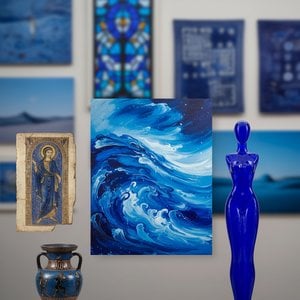
The Allure of Azure: Exploring the Symbolic & Aesthetic Depths of Blue in Art History
Explore the rich history of blue in art! Discover its symbolism, from ancient pigments to modern masterpieces by Kandinsky & Seurat. Uncover the psychological impact and cultural meanings behind this captivating hue.


![एडवर्ड मंच (MUUNK; नॉर्वेजियन: [ˈɛ̀dvɑɖ ˈmʊŋk]; 12 दिसंबर 1863 – 23 जनवरी 1944) एक नॉर्वेजियन चित्रकार थे। उनकी 1893 की कृति द Scream सभी पश्चिमी कला में सबसे प्रतिष्ठित और प्रशंसित छवियों में से एक बन गई है।
उनका बचपन बीमारी, शोक और परिवार में मानसिक स्थ](/media/artworks/images-thumb/46/ed/46ed5db58c87c78f9ae151041e029596.jpg)




