

 साझा करें
 साझा करें
 विस्तृत विवरण
 मार्गदर्शिका

 डाउनलोड करें
 समान वस्तुएं
 स्लाइड शो देखें
 Q&A
Q&A आंकड़े
St George


 पूरा देखें
गिक्ली / आर्ट प्रिंट
तेज़ उत्पादन और विभिन्न फिनिश विकल्पों के साथ म्यूजियम-क्वालिटी गिकली (giclée) या कैनवस प्रिंट। ( इस संग्रहणीय वस्तु की हाथ से बनी प्रतिकृति मंगवाएं डिजिटल इमेज पर स्विच करें)




































कलाकृति के मूल अनुपात से मेल खाने वाले हमारे पूर्व निर्धारित आकारों में से चुनें।

अपने फ्रेम या अपनी दीवार के अनुसार आवश्यक चौड़ाई और ऊंचाई दर्ज करें। प्रिंट को केवल काटा जा सकता है, चित्र से बड़ा कभी नहीं बनाया जा सकता, इसलिए अलग आकार का साइज चित्र का एक हिस्सा खो देता है। किसी भी चीज़ को प्रिंट करने से पहले हम आपकी स्वीकृति के लिए आपको एक डिजिटल मॉकअप भेजते हैं। इस पृष्ठ पर दिखाया गया चित्र वास्तविक कटिंग नहीं दिखाता है — केवल मॉकअप ही इसे दर्शाता है।
विश्वव्यापी डिलीवरी (), मानक 4/5 सप्ताह के बजाय मात्र 2 सप्ताह में। (2 नवमबर)

दुनिया भर में मुफ़्त एक्सप्रेस शिपिंग

उच्च गुणवत्ता वाला लिनेन कैनवास

पूर्ण शिपिंग बीमा

सीमा शुल्क और आयात कर वापसी की गारंटी

सटीक रंग मिलान की गारंटी

100 दिनों की वापसी नीति (केवल दोष होने पर)

100% पैसे वापसी की गारंटी

थोक छूट का अवसर
 ग्लास का विकल्प केवल 110 सेमी से कम आकार में ही उपलब्ध है।

St George
गिक्ली / आर्ट प्रिंट
प्रतिकृति का आकार
-


कुल देय राशि
₹ 5979
The Knight’s Valor: Donatello's St. George
Donatello’s “St. George,” sculpted in 1416 for the Museo Nazionale del Bargello in Florence, isn’t merely a depiction of a biblical hero; it’s a potent distillation of Renaissance ideals – courage, virtue, and the burgeoning humanist fascination with classical antiquity. This marble statue, standing proud within the museum's hallowed halls, immediately commands attention not just through its imposing scale but also through the remarkably lifelike quality of its subject. The sculpture captures St. George in the midst of his legendary triumph over the dragon, a scene brimming with dramatic tension and heroic resolve.
Donatello’s genius lies in his masterful manipulation of form and texture. He eschews the overly stylized representations common in earlier medieval art, opting instead for a remarkably naturalistic approach. The musculature of St. George is powerfully rendered, conveying both strength and vulnerability. Note the subtle creases in his armor, meticulously sculpted to suggest movement and the weight of battle. The folds of his cloak ripple with an almost palpable energy, mirroring the dragon’s fury. Donatello's use of *contrapposto*, a technique borrowed from classical Greek sculpture where the figure shifts its weight, creates a dynamic sense of balance and poise – a hallmark of Renaissance art.
A Synthesis of Faith and Classical Influence
The creation of “St. George” occurred during a pivotal moment in Florentine history—the early Renaissance. Florence was experiencing a renewed interest in the artistic and philosophical achievements of ancient Greece and Rome. Donatello, deeply influenced by this revival, sought to integrate classical principles into his work while simultaneously retaining a distinctly Christian subject matter. The statue’s composition – reminiscent of Roman portrait sculpture – is a testament to this dual influence. The heroic stance, the idealized physique, and the emphasis on individual character all echo the values celebrated in classical art.
Furthermore, St. George himself held significant symbolic weight for the Florentines. He was revered as a protector against evil, a symbol of Christian virtue battling pagan darkness. The dragon, often interpreted as representing sin or temptation, is vanquished not through brute force alone but through faith and righteous action – mirroring the broader Renaissance emphasis on moral strength and spiritual fortitude.
The Dragon’s Shadow and the Hero's Resolve
Donatello doesn’t shy away from depicting the brutality of the encounter. The dragon, rendered with a terrifying realism—its scales meticulously detailed, its eyes burning with malevolent intent—looms large in the background, casting a dramatic shadow over St. George. This visual contrast underscores the hero's struggle and highlights his unwavering commitment to his faith. The spear, held aloft by St. George, isn’t simply a weapon; it represents divine intervention and the triumph of good over evil.
Despite the intensity of the scene, “St. George” possesses an underlying sense of dignity and composure. The hero's gaze is direct and unwavering, conveying both determination and a quiet confidence in his mission. This combination of action and serenity elevates the sculpture beyond a mere historical narrative; it becomes a timeless meditation on courage, faith, and the enduring power of the human spirit.
A Timeless Masterpiece for Collectors and Designers
Reproductions of Donatello’s “St. George” offer an exceptional opportunity to bring this iconic Renaissance masterpiece into any setting. Whether adorning a grand salon or a more intimate space, its powerful presence and exquisite detail will undoubtedly captivate viewers. The sculpture's inherent symbolism continues to resonate today, reminding us of the timeless values of bravery, faith, and the pursuit of righteousness. Consider how the cool tones of the marble and the dynamic composition can complement a variety of interior design styles – from classic elegance to modern minimalism.
प्रश्न और उत्तर
डोनाटेलो द्वारा "St George" के लिए किस तकनीक का उपयोग किया गया था?
"St George" को Marble के माध्यम से बनाया गया है।
क्या मैं अपने कमरे में डोनाटेलो द्वारा "St George" को देखने के लिए ऑगमेंटेड रियलिटी (augmented reality) का उपयोग कर सकता हूँ?
एक संगत डिवाइस पर ऑगमेंटेड रियलिटी का उपयोग करके, आर्टवर्क के एआर में देखें पेज के माध्यम से आप डोनाटेलो द्वारा "St George" को अपनी खुद की दीवार पर देख सकते हैं।
डोनाटेलो द्वारा "St George" किसी इंटीरियर में क्या नयापन लाता है?
अपने Elegant भाव के साथ, "St George" को Hotel Lobby के लिए सुझाया गया है।
समान कलाकृतियाँ


कलाकार की जीवनी
प्रारंभिक जीवन और करियर
डोनाटो डी निकोलो डी बेट्टो बर्डी, जिन्हें दुनिया 'डोनेटेलो' के नाम से जानती है, का जन्म लगभग 1386 में इटली के फ्लोरेंस में हुआ था। उन्होंने शास्त्रीय मूर्तिकला का गहन अध्ययन किया, जिसने प्रारंभिक पुनर्जागरण (Early Renaissance) शैली के विकास में एक निर्णायक भूमिका निभाई। कला और संस्कृति के प्रति उनका यह नया दृष्टिकोण कालांतर में फ्लोरेंटाइन पुनर्जागरण की पहचान बन गया।प्रमुख कृतियाँ और नवाचार
डोनेटेलो की सबसे प्रसिद्ध कृति, 'डेविड', प्राचीन काल के बाद पहली स्वतंत्र रूप से खड़ी नग्न पुरुष मूर्ति थी। मेडिची परिवार द्वारा कमीशन की गई इस कलाकृति ने उनकी नवीन शैली और तकनीकी विशेषज्ञता का अद्भुत प्रदर्शन किया। उनकी अन्य उल्लेखनीय कृतियों में शामिल हैं:- सेंट लुइस ऑफ टूलूज़ (जो अब बेसिलिका दी सांता क्रोस के संग्रहालय में है), जिसमें डोनेटेलो द्वारा डिजाइन किया गया एक शास्त्रीय फ्रेम शामिल था।
- द सैक्रिफाइस ऑफ आइज़ैक, जिसे फ्लोरेंस के सांता मारिया डेल फियोरे के कैंपनाइल के लिए बनाया गया था, जो अपने सशक्त पोर्ट्रेट विवरणों के लिए जाना जाता है।
- सांता क्रोस के लिए निर्मित 'क्रूसिफिक्स' (1425), जिसमें ईसा मसीह को अत्यंत पीड़ा के क्षण में चित्रित किया गया है।
कलात्मक शैली और विरासत
डोनेटेलो की शैली को विभिन्न चरणों में विभाजित किया जा सकता है, जिसकी शुरुआत अभिव्यक्तिवाद और शास्त्रीय भव्यता के विकास से हुई थी। हालाँकि समाज ने उनकी कला को तुरंत स्वीकार नहीं किया, लेकिन अंततः उनका कार्य अत्यंत लोकप्रिय हुआ और इसने अन्य इतालवी दरबारों तथा यूरोपीय कलाकारों को गहराई से प्रभावित किया। प्रमुख कला आंदोलन:व्यक्तिगत जीवन और कार्यशैली
डोनेटेलो अपने मिलनसार और प्रिय स्वभाव के लिए जाने जाते थे, लेकिन अपने करियर के व्यावसायिक पक्ष में वे थोड़े कमजोर थे। वे अक्सर अपनी क्षमता से अधिक काम स्वीकार कर लेते थे, जिसके कारण कई बार कार्यों को पूरा करने में देरी होती थी या उन्हें अन्य मूर्तिकारों को सौंपना पड़ता था। उल्लेखनीय कलाकृतियाँ और कलाकार:- लियोनार्डो दा विंची: अन्नुन्सिएशन (विवरण)
- अमिको एस्पर्टिनी: स्टैचू ऑफ पैन/शेर जो घोड़े को काट रहा है
- माइकल एंजेलो बुओनारोती: टोंडो पिट
संग्रहालय और कला संग्रह:
- मुसेओ डेला कोलेगियाटा (एम्पोली, इटली): पुनर्जागरण का एक छिपा हुआ रत्न, जिसमें फ्रांसेस्को बोटिसिनी और राफेल बोटिसिनी की कृतियाँ प्रदर्शित हैं।
- प्रारंभिक इतालवी पुनर्जागरण कला आंदोलन

डोनाटेलो
1386 - 1466 , इटली
प्रमुख तथ्य
- Artistic Movement Or Style: प्रारंभिक पुनर्जागरण (Early Renaissance)
- Artists Or Movements Influenced By This Artist:
- इतालवी पुनर्जागरण
- प्रारंभिक पुनर्जागरण
- फ्लोरेंटाइन पुनर्जागरण
- Artists Who Influenced This Artist: ['शास्त्रीय मूर्तिकला']
- Date Of Birth: लगभग 1386
- Date Of Death: 1466
- Full Name: डोनाटेलो दी निकोलो
- Nationality: इतालवी
- Notable Artworks:
- डेविड
- सेंट लुइस ऑफ टूलूज़
- आइजैक का बलिदान
- क्रूसिफिक्स
- Place Of Birth: फ्लोरेंस, इटली
संबंधित लेख
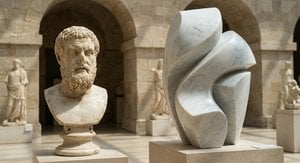
The Enduring Allure of Marble in Art History: From Classical Sculpture to Modern Abstraction
Explore the captivating history of marble sculpture from ancient Greece to modern art. Discover renowned artists like Canova & Michelangelo, carving techniques, and investment insights at ArtsDot.

Bronze Sculptures That Defined Art History | ArtsDot
Journey through art history with our Top 10 bronze sculptures! Explore masterpieces by Rodin, Michelangelo & more. Discover stories behind iconic statues and find museum-quality reproductions for your home decor at ArtsDot.com.

The Enduring Form: Exploring Themes & Techniques in Sculpture Across Historical Periods
Explore the rich history of sculpture from ancient masterpieces to contemporary innovations. Discover key techniques, influential artists & investment potential for discerning art collectors.

जॉर्जेस ब्राक की शीर्ष 25 कलाकृतियाँ: आधुनिक कला का सफर | ArtsDot
जॉर्जेस ब्राक की शीर्ष 25 कलाकृतियों का अन्वेषण करें! क्यूबिज्म, आधुनिक कला और फ्रांसीसी शैली के उत्कृष्ट नमूनों को जानें। ArtsDot.com पर उच्च-गुणवत्ता वाले कला प्रिंट और घर की सजावट के विचार खोजें। अभी संग्रह देखें!

जॉर्ज पियरे सेउरा की 25 उत्कृष्ट कृतियाँ: कला, इतिहास और आपके घर के लिए प्रेरणा
जॉर्ज सेउरा की 25 सर्वश्रेष्ठ कृतियों का अन्वेषण करें! बिंदुवाद, आधुनिक कला और रंग सिद्धांत के जादू को जानें। उच्च गुणवत्ता वाले कला प्रिंट और दीवार सजावट के लिए ArtsDot.com पर खोजें।