


 पूर्वावलोकन देखें
 भेजें
भेजें साझा करें
 विवरण देखें
 मार्गदर्शिका

 डाउनलोड करें
 समान वस्तुएं
 एक्स-रे
 स्लाइड शो देखें
 आंकड़े
Waterloo Bridge


 और पढ़ें
गिक्ली / आर्ट प्रिंट
तेज़ उत्पादन और विभिन्न फिनिश विकल्पों के साथ म्यूजियम-क्वालिटी गिकली (giclée) या कैनवस प्रिंट। ( हाथ से बनी पेंटिंग खरीदें डिजिटल इमेज पर जाएँ)




P118B ₹10

P118H ₹10

P118W ₹10

P438Z ₹10

P508JH ₹12

P508YH ₹12

P805H ₹10

P805Z ₹10

P919BZ ₹10

P919G ₹10

P919XJ ₹10

P959ZH ₹10

P968JZ ₹12

W106C ₹8

W218G ₹10

W218JH ₹8

W218Y ₹10

W307PJ ₹10

W316G ₹10

W316PJ ₹8

W316Y ₹10

W398PJ ₹8

W4111J ₹10

W500HY ₹15

W500JH ₹15

W692G ₹12

W849H ₹8

W940BG ₹15

W953PJ ₹8




कलाकृति के मूल अनुपात से मेल खाने वाले हमारे पूर्व निर्धारित आकारों में से चुनें।

अपने फ्रेम या अपनी दीवार के अनुसार आवश्यक चौड़ाई और ऊंचाई दर्ज करें। प्रिंट को केवल काटा जा सकता है, चित्र से बड़ा कभी नहीं बनाया जा सकता, इसलिए अलग आकार का साइज चित्र का एक हिस्सा खो देता है। किसी भी चीज़ को प्रिंट करने से पहले हम आपकी स्वीकृति के लिए आपको एक डिजिटल मॉकअप भेजते हैं। इस पृष्ठ पर दिखाया गया चित्र वास्तविक कटिंग नहीं दिखाता है — केवल मॉकअप ही इसे दर्शाता है।
विश्वव्यापी डिलीवरी (), मानक 4/5 सप्ताह के बजाय मात्र 2 सप्ताह में। (24 अक्टूबर)

दुनिया भर में मुफ़्त एक्सप्रेस शिपिंग

प्रीमियम ग्रेड लिनेन कैनवास

पूर्ण शिपिंग बीमा

सीमा शुल्क और आयात कर वापसी की गारंटी

सटीक रंग मिलान की गारंटी

100 दिनों की वापसी नीति (केवल निर्माण दोष होने पर)

100% पैसे वापसी की गारंटी

थोक छूट का अवसर
 ग्लास का विकल्प केवल 110 सेमी से कम आकार में ही उपलब्ध है।

Waterloo Bridge
गिक्ली / आर्ट प्रिंट
प्रतिकृति का आकार
-


कुल मूल्य
₹ 5953
A Symphony of Light and Reflection: Exploring Monet’s Waterloo Bridge
Claude Monet's "Waterloo Bridge," painted in 1903, isn’t merely a depiction of London’s iconic bridge; it’s an embodiment of Impressionism’s core philosophy – capturing the ephemeral beauty of a single moment in time. Created during Monet’s prolific period exploring the Seine River and its environs, this canvas exemplifies his unwavering dedication to portraying light as it dances across surfaces, transforming landscapes into shimmering visions. The photograph captures the serene stillness of the river at dusk, highlighting the subtle interplay between color and atmosphere that defines Monet's artistic vision.- Subject Matter: The painting focuses on Waterloo Bridge itself—a prominent structure spanning the Thames River—but its significance extends beyond architectural representation. Monet deliberately chose this location to observe how light changes throughout the day, specifically during twilight hours when the sky casts a lavender hue onto the water’s surface.
- Style: Undoubtedly Impressionistic, “Waterloo Bridge” adheres to Monet's signature style characterized by loose brushstrokes and vibrant color palettes. Rather than striving for photographic accuracy, Monet prioritized conveying feeling—the sensation of being present in that particular place at that specific time.
Technique: Embracing Plein Air Painting
Monet’s revolutionary approach to painting – *plein air*, or “open air”—was instrumental in shaping Impressionism. He would spend countless hours outdoors, meticulously mixing pigments directly onto the canvas while observing the shifting qualities of light and color. This technique is vividly evident in "Waterloo Bridge," where Monet utilizes broken brushstrokes—small, separate strokes of paint applied side by side—to build up layers of color that mimic the way sunlight scatters through the air. The resulting texture contributes to the painting’s overall impressionistic effect, inviting viewers to experience the scene as Monet himself did.- Color Palette: Monet's masterful use of color is central to conveying the emotional impact of “Waterloo Bridge.” Dominant shades of violet and indigo dominate the sky, reflecting off the water’s surface and creating a sense of melancholy beauty. Accents of pale yellow and orange appear in the distant buildings, providing warmth against the coolness of the twilight.
- Brushwork: Monet's characteristic brushstrokes are visible throughout the painting—short, choppy strokes that blend seamlessly together to create an illusion of movement and luminosity. These marks aren’t meant to define precise contours but rather to capture the fleeting effects of light and atmosphere.
Historical Context: Impressionism's Pursuit of Truth
“Waterloo Bridge” emerged during a period of significant artistic innovation—the height of Impressionism. Artists like Monet, Pierre-Auguste Renoir, and Camille Pissarro rejected the academic conventions of their time, rejecting detailed realism in favor of subjective perception. They sought to depict not what they *saw*, but how they *felt*. This painting reflects the broader movement’s fascination with capturing transient moments—the beauty of everyday life as experienced by ordinary people.- Symbolism: While seemingly simple in its composition, “Waterloo Bridge” carries subtle symbolic resonance. The bridge itself represents connection and transition—a passage between day and night, between past and present. Its stillness underscores the contemplative mood of the scene, inviting viewers to contemplate the beauty of solitude and reflection.
Emotional Impact: Capturing Twilight’s Enchantment
Ultimately, Monet's "Waterloo Bridge" succeeds in conveying a profound emotional experience. The painting evokes a feeling of quiet contemplation—a sense of being enveloped by the serene beauty of twilight. It captures the melancholic charm of dusk—the fading light casting long shadows across the river and imbuing the scene with an aura of mystery and nostalgia. This reproduction allows viewers to immerse themselves in Monet’s vision, experiencing firsthand the transformative power of Impressionistic art.प्रश्न और उत्तर
"Waterloo Bridge" के पीछे के कलाकार कौन हैं?
"Waterloo Bridge" का श्रेय क्लाउड मोनेट को दिया जाता है।
क्लाउड मोनेट द्वारा "Waterloo Bridge" की विशेषता बताने वाली तकनीक और शैली क्या है?
"Waterloo Bridge" में, Oil On Canvas तकनीक और Impressionistic Landscape आंदोलन का संगम देखने को मिलता है।
क्लाउड मोनेट द्वारा "Waterloo Bridge", Impressionistic Landscape को कलाकार के गृह देश से कैसे जोड़ता है?
Impressionistic Landscape शैली की यह कृति "Waterloo Bridge", फ्रांस में जन्मे एक कलाकार द्वारा बनाई गई थी।
कलाकार का परिचय
प्रकाश में डूबा एक जीवन: क्लाउड मोनेट की दुनिया
ऑस्कर-क्लाउड मोनेट, एक ऐसा नाम जो प्रभाववाद (Impressionism) का पर्याय है, केवल परिदृश्य चित्रकार नहीं थे; वे क्षणिक पलों के क्रोनिकलर थे, प्रकाश और रंग के कवि थे। 14 नवंबर, 1840 को पेरिस में जन्मे, उनके शुरुआती जीवन में एक अप्रत्याशित मोड़ तब आया जब पाँच वर्ष की आयु में उनका परिवार नॉरमंडी के ले Havre में बस गया। हालाँकि उनके पिता उन्हें एक वाणिज्यिक करियर के लिए तैयार कर रहे थे, लेकिन युवा क्लाउड की सहज कलात्मक प्रतिभा जल्द ही उभर कर सामने आई, जो पहले स्थानीय स्तर पर बेचे जाने वाले चारकोल कैरिकेचर के रूप में दिखाई दी – जो उनकी कुशलता और उद्यमशीलता दोनों का प्रमाण था। हालाँकि, यूजीन बौडीन के साथ उनका मिलन निर्णायक साबित हुआ। बौडीन ने मोनेट को केवल यह नहीं सिखाया कि *कैसे* पेंट करना है; उन्होंने उनके भीतर एन प्लेन एयर—सीधे प्रकृति से—पेंट करने का क्रांतिकारी विचार स्थापित किया – एक ऐसी प्रथा जो उनकी पूरी कलात्मक यात्रा को परिभाषित करने वाली थी।
मोनेट का औपचारिक प्रशिक्षण पेरिस में शुरू हुआ, पहले अकादेमी सुइस (Académie Suisse) में और बाद में चार्ल्स ग्लीरे के मार्गदर्शन में। यहीं उन्होंने ऑगस्ट रेनोआ जैसे साथी कलाकारों के साथ स्थायी मित्रता की नींव रखी, एक ऐसा बंधन जो साझा कलात्मक संघर्षों और पारंपरिक अकादमिक पेंटिंग की सीमाओं से मुक्त होने की इच्छा पर आधारित था। उनके शुरुआती कार्यों में तकनीकी दक्षता तो थी, लेकिन उनमें उस विशिष्ट स्वर का अभाव था जो जल्द ही उनकी शैली की पहचान बनने वाला था। इसके बाद उथल-पुथल का एक दौर आया – फ्रेंको-प्रुशियन युद्ध के कारण मोनेट को लंदन में शरण लेनी पड़ी, जहाँ उन्होंने जे.एम.डब्ल्यू. टर्नर जैसे अंग्रेजी परिदृश्य दिग्गजों के कार्यों में खुद को डुबो दिया और उनके वायुमंडलीय प्रभावों एवं रंगों के अभिनव उपयोग को आत्मसात किया।
एक सौंदर्यवादी क्रांति का जन्म
फ्रांस लौटने पर, मोनेट एक उभरते हुए कलात्मक विद्रोह के केंद्र बिंदु बन गए। सैलून (Salon) के रूढ़िवादी मानकों से असंतुष्ट होकर, उन्होंने स्वतंत्र प्रदर्शनियाँ आयोजित करने के लिए अन्य समान विचारधारा वाले कलाकारों के साथ हाथ मिलाया। 1874 की प्रदर्शनी न केवल मोनेट के लिए बल्कि पूरी कला जगत के लिए एक ऐतिहासिक मोड़ साबित हुई। यहीं उनकी पेंटिंग “इंप्रशन, सोले लेवेंट” (Impression, Sunrise) प्रदर्शित की गई थी – जो भोर के समय ले Havre के बंदरगाह का एक धुंधला चित्रण था – और इसी से उपहासपूर्ण शब्द "प्रभाववाद" (Impressionism) की उत्पत्ति हुई। हालाँकि, यह नाम उनके साथ जुड़ गया और एक ऐसे आंदोलन के सम्मान के प्रतीक के रूप में विकसित हुआ जिसने किसी दृश्य के सटीक चित्रण के बजाय उसके व्यक्तिपरक *प्रभाव* को कैद करने का प्रयास किया।
इस अवधि के दौरान मोनेट की विशिष्ट शैली पूरी तरह से निखर कर आई: ढीले, स्पष्ट ब्रशस्ट्रोक, जीवंत और अक्सर बिना मिले हुए रंग जिन्हें अगल-बगल लगाया जाता था (एक तकनीक जिसे “ब्रोकन कलर” कहा जाता है), और प्रकाश के क्षणभंगुर गुणों को पकड़ने पर अटूट ध्यान। उन्होंने अपनी एन प्लेन एयर पद्धति का अथक अभ्यास किया, बदलते परिवेश द्वारा दृश्य को बदलने से पहले अपनी तात्कालिक धारणाओं को दर्ज करने के लिए तेजी से काम किया। यह समर्पण केवल वह चित्रित करने के बारे में नहीं था जो उन्होंने *देखा*, बल्कि इसके प्रति उनकी *अनुभूति* के बारे में था – जो कलात्मक परंपराओं से एक क्रांतिकारी विचलन था।
गिवर्नी: प्रकाश और प्रतिबिंब का स्वर्ग
1883 में, मोनेट पेरिस के उत्तर-पश्चिम में गिवर्नी में बस गए, जहाँ उन्होंने एक ऐसा घर और बगीचा बनाया जो उनका आश्रय स्थल और प्रेरणा का सबसे बड़ा स्रोत बन गया। उन्होंने इस संपत्ति को बड़ी बारीकी से एक विस्तृत स्वर्ग में बदल दिया, जिसमें विदेशी फूल, विलो के पेड़ और सबसे प्रसिद्ध रूप से, एक जापानी पुल से सटा हुआ जल लिली का तालाब शामिल था। यह केवल एक सजावटी बगीचा नहीं था; यह एक जीवित प्रयोगशाला थी जहाँ मोनेट नियंत्रित परिस्थितियों में पानी, पत्तियों और प्रतिबिंबों पर प्रकाश के प्रभावों का अध्ययन कर सकते थे।
उनके जीवन के अंतिम दशक लगभग पूरी तरह से गिवर्नी के जल लिली तालाब को चित्रित करने के प्रति समर्पित थे। उन्होंने विशाल 'वॉटर लिलीज' (Nymphéas) श्रृंखला की शुरुआत की, जिसमें ऐसे बड़े कैनवस बनाए जिन्होंने तालाब की सतह को रंग और प्रकाश के निरंतर बदलते हुए टेपेस्ट्री के रूप में दिखाया। ये केवल फूलों के चित्र नहीं थे; ये एक ऐसा गहन अनुभव थे, जिसे दर्शक को शांत सुंदरता और चिंतनशील स्थिरता की दुनिया में सराबोर करने के लिए बनाया गया था। इन कार्यों का पैमाना विस्मयकारी है, जो पारंपरिक पेंटिंग की सीमाओं को आगे बढ़ाता है और अमूर्त अभिव्यक्तिवाद (Abstract Expressionism) का पूर्वाभास देता है।
विरासत: कला इतिहास पर एक स्थायी प्रभाव
कला इतिहास पर क्लाउड मोनेट का प्रभाव अतुलनीय है। वे केवल प्रभाववाद के संस्थापक नहीं थे; उन्होंने मौलिक रूप से उस तरीके को बदल दिया जिससे कलाकार अपने आसपास की दुनिया को देखते और प्रस्तुत करते हैं। व्यक्तिपरक अनुभव पर उनके जोर, एन प्लेन एयर पेंटिंग के उनके प्रेम, और उनकी नवीन तकनीकों ने आधुनिक कला के अमूर्तता और गैर-प्रतिनिधित्ववादी रूपों की खोज का मार्ग प्रशस्त किया।
मोनेट ने अपने जीवनकाल में काफी व्यावसायिक सफलता प्राप्त की – जो उनके युग के अग्रगामी कलाकारों के लिए दुर्लभ था। उनका कार्य आज भी दुनिया भर के दर्शकों को विस्मय से भर देता है, जिससे पश्चिमी कला में एक अत्यंत महत्वपूर्ण व्यक्तित्व के रूप में उनका स्थान सुदृढ़ होता है। 5 दिसंबर, 1926 को उनका निधन हो गया, लेकिन वे अपने पीछे एक ऐसी विरासत छोड़ गए जो कलाकारों और कला प्रेमियों की पीढ़ियों में गूंजती रहती है। उनकी उत्कृष्ट कृतियों का महत्वपूर्ण संग्रह पेरिस के प्रतिष्ठित संस्थानों जैसे म्यूज़ियम डी'ओर्से और म्यूज़ियम मार्मोटन मोनेट में सुरक्षित है, जो यह सुनिश्चित करता है कि उनका दृष्टिकोण दुनिया को आलोकित करना जारी रखे।
प्रमुख कलात्मक तकनीकें
- एन प्लेन एयर पेंटिंग: उनके विकास का केंद्र, जिसने प्रकाश और वातावरण के प्रत्यक्ष अवलोकन की अनुमति दी।
- ब्रोकन कलर (Broken Color): ऑप्टिकल सम्मिश्रण के लिए शुद्ध रंगों के छोटे स्ट्रोक को अगल-बगल लगाना।
- सीरीज पेंटिंग: अलग-अलग प्रकाश और मौसम की स्थितियों के तहत एक ही विषय का चित्रण करना – जो समय और प्रकाश की परिवर्तनकारी शक्ति को प्रदर्शित करता है।

क्लाउड मोनेट
1840 - 1926 , फ्रांस
संक्षिप्त जानकारी
- Artistic Movement Or Style: प्रभाववाद (इंप्रेशनिज्म)
- Artists Or Movements Influenced By This Artist: ['आधुनिक कला']
- Artists Who Influenced This Artist:
- यूजीन बौडीन
- जे.एम.डब्ल्यू. टर्नर
- Date Of Birth: 14 नवंबर 1840
- Date Of Death: 5 दिसंबर 1926
- Full Name: ऑस्कर-क्लाउड मोनेट
- Nationality: फ्रांसीसी
- Notable Artworks:
- इम्प्रेशन, सूर्योदय
- जल लिली श्रृंखला
- गहू के ढेर
- रूएन कैथेड्रल
- Place Of Birth: पेरिस, फ्रांस
संबंधित लेखों की सूची
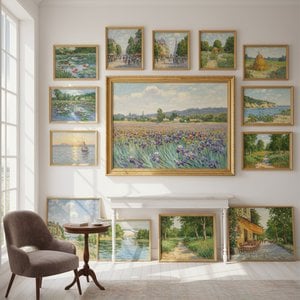
छाया और प्रकाश की खोज: प्रभाववादी परिदृश्य के 10 उत्कृष्ट कृतियाँ
प्रभाववादी परिदृश्य की दुनिया में कदम रखें! मोनेट, रेनोइर और अन्य महान कलाकारों के 10 उत्कृष्ट कृतियों का अन्वेषण करें। कला इतिहास, तकनीक और प्रेरणा जानें। ArtsDot.com पर संग्रहालय-गुणवत्ता वाले प्रिंट खोजें।
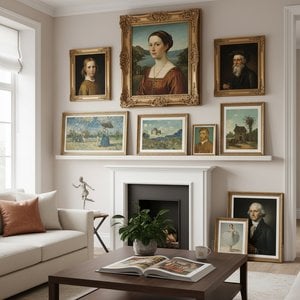
वाशिंगटन नेशनल गैलरी की शीर्ष 25 कलाकृतियाँ: इतिहास, कलाकार और सजावट के लिए प्रेरणा
वाशिंगटन नेशनल गैलरी की शीर्ष 25 कलाकृतियों का अन्वेषण करें! पॉल सेज़ान, मैटिस और पिकासो जैसे कलाकारों के इतिहास और प्रेरणादायक कहानियाँ जानें। घर की सजावट के लिए अद्वितीय कला प्रिंट और कैनवास खोजें। ArtsDot.com पर संपूर्ण संग्रह देखें।

अपने AI को एक वास्तविक आर्ट कैटलॉग से बात करने दें: Claude, ChatGPT या Gemini को ArtsDot से जोड़ें — किसी तकनीकी कौशल की आवश्यकता नहीं है
अपने AI को कला विशेषज्ञ में बदलें। जानें कि कैसे Claude, ChatGPT, या Gemini को लाइव ArtsDot कैटलॉग से जोड़ें ताकि कलाकृतियों के विवरण, संग्रहालय की जानकारी और सटीक पुनरुत्पादन कीमतों तक रीयल-टाइम पहुंच प्राप्त हो सके—इसके लिए किसी तकनीकी कौशल की आवश्यकता नहीं है। AI और प्रामाणिक कला डेटा के बीच की दूरी को मिटाएं।

इंप्रेशनिस्ट कला: शीर्ष 10 कृतियाँ जिन्होंने क्रांति ला दी | ArtsDot
इंप्रेशनिज्म की दुनिया में कदम रखें! मोनेट, रेनॉयर और सीज़ेन जैसे कलाकारों के शीर्ष 10 उत्कृष्ट कृतियों का अन्वेषण करें। कला इतिहास जानें और अपने घर को ArtsDot.com से संग्रहालय-गुणवत्ता वाली कला प्रतिकृतियों से सजाएं। ऑनलाइन संग्रह देखें!
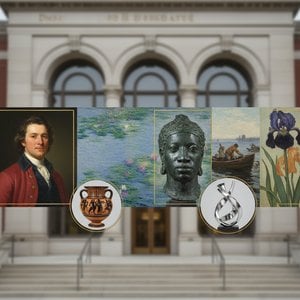
बोस्टन ललित कला संग्रहालय की शीर्ष 25 उत्कृष्ट कृतियाँ: कला और संस्कृति का खजाना
बोस्टन ललित कला संग्रहालय की शीर्ष 25 उत्कृष्ट कृतियों का अन्वेषण करें! प्रसिद्ध कलाकारों, कला इतिहास और भावनात्मक रंग पैलेट के साथ दीवार कला प्रेरणा पाएं। उच्च गुणवत्ता वाले कला पुनरुत्पादन और घर की सजावट के लिए ArtsDot.com पर खोजें।


