


 पूर्वावलोकन देखें
 भेजें
भेजें साझा करें
 विवरण देखें
 मार्गदर्शिका

 डाउनलोड करें
 समान वस्तुएं
 एक्स-रे
 स्लाइड शो देखें
 आंकड़े
Tears
 Acrylic On Canvas
- WallArt
- Expressionist Modernism
 1910
1910- 19th Century
 23.0 x 29.0 cm
 Arnold Schönberg Center
 और पढ़ें
गिक्ली / आर्ट प्रिंट
तेज़ उत्पादन और विभिन्न फिनिश विकल्पों के साथ म्यूजियम-क्वालिटी गिकली (giclée) या कैनवस प्रिंट। ( हाथ से बनी पेंटिंग खरीदें डिजिटल इमेज पर जाएँ)




P118B ₹10

P118H ₹10

P118W ₹10

P438Z ₹10

P508JH ₹12

P508YH ₹12

P805H ₹10

P805Z ₹10

P919BZ ₹10

P919G ₹10

P919XJ ₹10

P959ZH ₹10

P968JZ ₹12

W106C ₹8

W218G ₹10

W218JH ₹8

W218Y ₹10

W307PJ ₹10

W316G ₹10

W316PJ ₹8

W316Y ₹10

W398PJ ₹8

W4111J ₹10

W500HY ₹15

W500JH ₹15

W692G ₹12

W849H ₹8

W940BG ₹15

W953PJ ₹8




कलाकृति के मूल अनुपात से मेल खाने वाले हमारे पूर्व निर्धारित आकारों में से चुनें।

अपने फ्रेम या अपनी दीवार के अनुसार आवश्यक चौड़ाई और ऊंचाई दर्ज करें। प्रिंट को केवल काटा जा सकता है, चित्र से बड़ा कभी नहीं बनाया जा सकता, इसलिए अलग आकार का साइज चित्र का एक हिस्सा खो देता है। किसी भी चीज़ को प्रिंट करने से पहले हम आपकी स्वीकृति के लिए आपको एक डिजिटल मॉकअप भेजते हैं। इस पृष्ठ पर दिखाया गया चित्र वास्तविक कटिंग नहीं दिखाता है — केवल मॉकअप ही इसे दर्शाता है।
विश्वव्यापी डिलीवरी (), मानक 4/5 सप्ताह के बजाय मात्र 2 सप्ताह में। (25 अक्टूबर)

दुनिया भर में मुफ़्त एक्सप्रेस शिपिंग

प्रीमियम ग्रेड लिनेन कैनवास

पूर्ण शिपिंग बीमा

सीमा शुल्क और आयात कर वापसी की गारंटी

सटीक रंग मिलान की गारंटी

100 दिनों की वापसी नीति (केवल निर्माण दोष होने पर)

100% पैसे वापसी की गारंटी

थोक छूट का अवसर
 ग्लास का विकल्प केवल 110 सेमी से कम आकार में ही उपलब्ध है।

Tears
गिक्ली / आर्ट प्रिंट
प्रतिकृति का आकार
-


कुल मूल्य
₹ 5947
A Portrait of Inner Turmoil: Arnold Schönberg’s “Tears”
Arnold Schönberg's "Tears," painted in 1910, is not merely a depiction of a man weeping; it’s a profound and unsettling exploration of the artist’s internal landscape. Created during a period of radical experimentation within his music – a time when he was forging new paths toward atonality – the painting reflects the anxieties and intensities that fueled his groundbreaking compositions. As Karl Linke's insightful introduction suggests, this image transcends simple representation, becoming a visceral embodiment of the “inner weeping” that Schönberg sought to capture in his scores.
- Subject Matter: The central figure is a man’s face, rendered with stark realism and imbued with an almost unbearable sorrow.
- Color Palette: The deliberate misuse of color – hues occupying spaces they shouldn't – speaks to Schönberg’s rejection of conventional artistic norms and his embrace of instinctual expression.
- Technical Detail: Notice the meticulous rendering of the facial features, particularly the intense red pupils that draw the viewer into the man’s tormented gaze.
The Symbolism of Despair
"Tears" operates on multiple symbolic levels. The weeping figure isn't a portrait of grief in the traditional sense; it represents the artist’s struggle to translate profound emotional experiences – specifically, the dissonance and anguish he was pioneering in his music – onto canvas. The veiled face suggests a deliberate obscuring of the source of this sorrow, perhaps reflecting Schönberg’s own attempts to grapple with the unsettling nature of his artistic vision. The image embodies the feeling of being “led” by an unseen force, mirroring the composer's experience of musical intuition.
The painting’s brown background further amplifies the sense of isolation and introspection. It acts as a neutral stage upon which this intensely personal drama unfolds, emphasizing the figure’s vulnerability and the overwhelming nature of his emotional state.
Historical Context & Artistic Innovation
Painted in 1910, “Tears” sits squarely within Schönberg's pivotal period of artistic development. This was a time when he was dismantling traditional harmonic structures and exploring new sonic territories – a process that would ultimately revolutionize the course of 20th-century music. The painting’s raw emotional intensity anticipates the radicalism of his later works, such as “Pierrot Lunaire,” which explored themes of psychological distress and alienation.
Schönberg's decision to depict himself in this way – a figure consumed by inner turmoil – reflects the broader artistic climate of the early 20th century, where artists were increasingly interested in exploring subjective experience and challenging established conventions. This work is a testament to Schönberg’s willingness to push boundaries, both musically and visually.
A Captivating Reproduction
This hand-painted reproduction captures the essence of “Tears” with remarkable fidelity. The meticulous attention to detail – from the texture of the man's beard to the unsettling intensity of his gaze – ensures that this powerful image will resonate deeply with viewers. The 23 x 29 cm size makes it ideal for a variety of settings, while the rich colors and textured surface create a truly immersive experience. A striking addition to any art collection or interior design scheme, “Tears” offers a poignant glimpse into the mind of one of music’s most influential figures.
प्रश्न और उत्तर
"Tears" कब बनाया गया था?
"Tears" का निर्माण 1910 में हुआ था। यह तिथि इस कृति को आर्नोल्ड शोनबर्ग के करियर और उस युग के संदर्भ में स्थापित करती है।
आर्नोल्ड शोनबर्ग द्वारा "Tears" के कलर पैलेट का वर्णन कैसे किया गया है?
आर्नोल्ड शोनबर्ग द्वारा "Tears" में Monochrome रंगों का उपयोग किया गया है। यह रंग योजना कृति के समग्र रंग चरित्र को संक्षेप में प्रस्तुत करती है।
क्या आर्नोल्ड शोनबर्ग द्वारा "Tears" में गहरे विरोधाभास (strong contrasts) का उपयोग किया गया है या कोमल सामंजस्य (soft harmonies) का?
आर्नोल्ड शोनबर्ग द्वारा "Tears" का रंग संयोजन एक Serene विरोधाभास के साथ Unified Palette सामंजस्य को जोड़ता है।
समान कलाकृतियाँ


कलाकार का परिचय
प्रारंभिक जीवन और संगीत की शुरुआत
आर्नोल्ड शोनबर्ग, जो एक ऑस्ट्रियाई-अमेरिकी संगीतकार थे, का जन्म 13 सितंबर, 1874 को वियना, ऑस्ट्रिया में हुआ था। उनका प्रारंभिक जीवन अत्यंत साधारण रहा, उनके पिता एक जूते की दुकान के मालिक थे। इसके बावजूद, संगीत के प्रति शोनबर्ग के जन्मजात जुनून ने उन्हें इस क्षेत्र में काफी हद तक स्वयं शिक्षित होने के लिए प्रेरित किया।संगीत का विकास और उल्लेखनीय रचनाएँ
शोनबर्ग की शुरुआती कृतियों, जैसे कि वेरक्लांते नाच (1899), में ब्राह्म्स और वैगनर की शैलियों का एक सुंदर संगम देखने को मिलता है। जैसे-जैसे वे आगे बढ़े, वे एंटोन वेबरन और अल्बान बर्ग के साथ मिलकर 'द्वितीय वियना स्कूल' के केंद्रीय स्तंभ बन गए। उनकी रचनाओं में स्ट्रिंग चौकट संख्या 2 (1907-1908), एर्वार्टुंग (1909), और पिएरो लूनर (1912) शामिल हैं, जो एटोनैलिटी (atonality) के प्रति उनके अभिनव दृष्टिकोण का प्रमाण देती हैं।शिक्षण, प्रवास और उत्तरार्द्ध जीवन
1933 में नाजी सत्ता के उदय के कारण शोनबर्ग को प्रशिया अकादमी ऑफ आर्ट्स से इस्तीफा देना पड़ा, क्योंकि उनके संगीत को "भ्रष्ट" या "विकृत" (degenerate) करार दिया गया था। इसके बाद उन्होंने अमेरिका में अध्यापन किया, जिसमें लॉस एंजिल्स में कैलिफोर्निया विश्वविद्यालय (1936-1944) भी शामिल था, जहाँ आज भी कई सुविधाएँ उनके सम्मान में नामित हैं। [https://ArtsDot.com/@/arnold-schoenberg](ArtsDot पर शोनबर्ग के जीवन और कार्यों के बारे में और जानें)।- शोनबर्ग ने फिल्म संगीत की खोज की और अधिक सुरीले (tonal) संगीत की रचना की, जिसमें उन्होंने 1939 में अपनी चैंबर सिम्फनी संख्या 2 को पूरा किया।
- उन्होंने बायरन की प्रेरणा से ओड टू नेपोलियन (1942) में फासीवादी तानाशाहों पर व्यंग्य किया।
- युद्ध के बाद वियना ने उन्हें मानद नागरिकता प्रदान की, लेकिन वे अस्वस्थ थे, जैसा कि उनकी स्ट्रिंग ट्रायो (1946) में परिलक्षित होता है।
विरासत और प्रभाव
जैसे-जैसे दुनिया को होलोकॉस्ट की भयावहता का पता चला, शोनबर्ग ने अ सर्वेवर फ्रॉम वारसॉ (1947) के माध्यम से इसके पीड़ितों को श्रद्धांजलि दी। इज़राइल कंज़र्वेटरी और एकेडमी ऑफ म्यूजिक ने 1951 में उन्हें मानद अध्यक्ष चुना। [https://ArtsDot.com/@@/a@d3bqc7-the-museum-destroyed-by-fire-(united-states)](ArtsDot पर उनके कार्यों के प्रभाव के बारे में अधिक जानें)। मुख्य बिंदु:- शोनबर्ग का अभिनव संगीत 20वीं सदी के शास्त्रीय संगीत के सबसे प्रभावशाली और विवादास्पद संगीतों में से एक था।
- कम से कम तीन संगीतकारों की पीढ़ियों ने उनके औपचारिक सिद्धांतों को आगे बढ़ाया।
- उनके सौंदर्यशास्त्रीय और संगीत-ऐतिहासिक विचारों ने संगीतविद् थियोडोर डब्ल्यू. एडोर्नो और कार्ल डाहलहौस को प्रभावित किया।

आर्नोल्ड शोनबर्ग
1874 - 1951 , ऑस्ट्रिया
संक्षिप्त जानकारी
- Artistic Movement Or Style: ट्वेल्व-टोन तकनीक; अभिव्यक्तिवाद
- Artists Or Movements Influenced By This Artist:
- एंटोन वेबरन
- अल्बान बर्ग
- Artists Who Influenced This Artist:
- जोहान्स ब्राह्म्स
- रिचर्ड वैगनर
- Date Of Birth: 13 सितंबर, 1874
- Date Of Death: 1951
- Full Name: आर्नल्ड शोनबर्ग
- Nationality: ऑस्ट्रियाई-अमेरिकी
- Notable Artworks:
- सुइट, ओप. 29
- म्यूजिक टाइपराइटर
- स्टाफलिनर
- Place Of Birth: वियना, ऑस्ट्रिया
संबंधित लेखों की सूची

Echoes of Time: Exploring the Enduring Appeal & Historical Context of Vintage Art Prints
Explore the captivating world of vintage art prints! Discover their history, collecting tips & enduring appeal. Expert insights on chromolithography and building a legacy collection with ArtsDot.
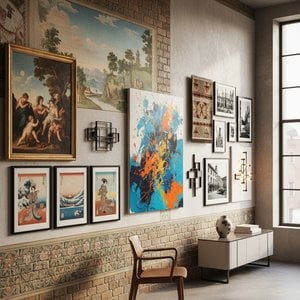
Transforming Spaces: A Comprehensive Exploration of Wall Decor Through Art History & Contemporary Practice
Explore the art of transforming spaces with our comprehensive guide to wall decor. From historical movements to contemporary trends, discover how to curate impactful interiors and commission bespoke artwork for a truly personalized aesthetic.
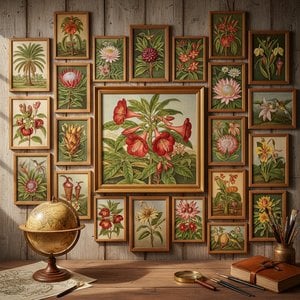
Marianne North's Masterpieces: 25 Botanical Paintings That Bloom With Adventure | ArtsDot
Journey through the vibrant world of Marianne North’s botanical paintings! Explore 25 iconic artworks from this Victorian artist, celebrating exotic flora & travel. Find museum-quality reproductions and curated decor ideas at ArtsDot.com.

एंडी वारहोल की शीर्ष 25 कलाकृतियाँ: पॉप आर्ट का जादू और आधुनिक सजावट
एंडी वारहोल की शीर्ष 25 कलाकृतियों का अन्वेषण करें! पॉप आर्ट के जादू, मारलिन मोनरो और कैंपबेल सूप कैन जैसे प्रतिष्ठित चित्रों की कहानियाँ जानें। घर की सजावट के लिए उच्च गुणवत्ता वाले कला पुनरुत्पादन खोजें। ArtsDot.com पर संपूर्ण संग्रह देखें।

Giclée Prints: Archival Quality & Aesthetic Nuances for the Discerning Collector
Explore the world of giclée prints with ArtsDot. Learn about archival quality, aesthetic nuances & investment potential. Expert guidance for discerning art collectors seeking museum-quality reproductions and lasting value.


