


 पूर्वावलोकन देखें
 भेजें
भेजें साझा करें
 विवरण देखें
 मार्गदर्शिका

 डाउनलोड करें
 समान वस्तुएं
 एक्स-रे
 स्लाइड शो देखें
 आंकड़े
Three Marilyns


 और पढ़ें
इस पृष्ठ पर प्रदर्शित कलाकृति कॉपीराइट कानून द्वारा संरक्षित है, जिसका अर्थ है कि हम कानूनी रूप से इसकी हूबहू प्रतिलिपि बनाने या बेचने का अधिकार नहीं रखते हैं। यह संरक्षण अंतर्राष्ट्रीय समझौतों के तहत लागू किया जाता है, जैसे कि बर्न कन्वेंशन और राष्ट्रीय कानूनों द्वारा, जिनमें % द्वारा निर्धारित कानून भी शामिल हैं। अमेरिकी कॉपीराइट कानून - शीर्षक 17।
यह विधि कॉपीराइट नियमों का पूरी तरह से पालन करती है क्योंकि इसमें संरक्षित कलाकृति की नकल या प्रतिलिपि बनाना शामिल नहीं है। इसके बजाय, यह एक रचनात्मक पुनर्व्याख्या है - एक ऐसी नई पेंटिंग जो मूल कृति से प्रेरित तो है, लेकिन उसके समान नहीं है।
गिक्ली / आर्ट प्रिंट
तेज़ उत्पादन और विभिन्न फिनिश विकल्पों के साथ म्यूजियम-क्वालिटी गिकली (giclée) या कैनवस प्रिंट। ( हाथ से बनी पेंटिंग खरीदें डिजिटल इमेज पर जाएँ)




P118B ₹10

P118H ₹10

P118W ₹10

P438Z ₹10

P508JH ₹12

P508YH ₹12

P805H ₹10

P805Z ₹10

P919BZ ₹10

P919G ₹10

P919XJ ₹10

P959ZH ₹10

P968JZ ₹12

W106C ₹8

W218G ₹10

W218JH ₹8

W218Y ₹10

W307PJ ₹10

W316G ₹10

W316PJ ₹8

W316Y ₹10

W398PJ ₹8

W4111J ₹10

W500HY ₹15

W500JH ₹15

W692G ₹12

W849H ₹8

W940BG ₹15

W953PJ ₹8




कलाकृति के मूल अनुपात से मेल खाने वाले हमारे पूर्व निर्धारित आकारों में से चुनें।

अपने फ्रेम या अपनी दीवार के अनुसार आवश्यक चौड़ाई और ऊंचाई दर्ज करें। प्रिंट को केवल काटा जा सकता है, चित्र से बड़ा कभी नहीं बनाया जा सकता, इसलिए अलग आकार का साइज चित्र का एक हिस्सा खो देता है। किसी भी चीज़ को प्रिंट करने से पहले हम आपकी स्वीकृति के लिए आपको एक डिजिटल मॉकअप भेजते हैं। इस पृष्ठ पर दिखाया गया चित्र वास्तविक कटिंग नहीं दिखाता है — केवल मॉकअप ही इसे दर्शाता है।
विश्वव्यापी डिलीवरी (), मानक 4/5 सप्ताह के बजाय मात्र 2 सप्ताह में। (21 अक्टूबर)

दुनिया भर में मुफ़्त एक्सप्रेस शिपिंग

प्रीमियम ग्रेड लिनेन कैनवास

पूर्ण शिपिंग बीमा

सीमा शुल्क और आयात कर वापसी की गारंटी

सटीक रंग मिलान की गारंटी

100 दिनों की वापसी नीति (केवल निर्माण दोष होने पर)

100% पैसे वापसी की गारंटी

थोक छूट का अवसर
 ग्लास का विकल्प केवल 110 सेमी से कम आकार में ही उपलब्ध है।

Three Marilyns
गिक्ली / आर्ट प्रिंट
प्रतिकृति का आकार
-


कुल मूल्य
₹ 5931
A Symphony of Marilyn: Warhol’s Multiplicity Revisited
Andy Warhol's "Three Marilyns," created in 1962, isn’t merely a portrait; it’s an audacious exploration of fame, repetition, and the very nature of image itself. Executed in silkscreen printing—Warhol’s signature technique—this artwork transcends traditional representation, presenting three iterations of Marilyn Monroe against a deceptively simple azure backdrop. The deliberate choice of color contributes to the piece's contemplative mood, offering a respite from the vibrant hues often associated with Warhol’s oeuvre and inviting viewers to consider the profound implications of his artistic process.- The Technique: Silkscreen Printing Warhol revolutionized art production by embracing silkscreen printing, a method previously utilized primarily for commercial applications like advertising posters. This technique allowed him to achieve astonishing precision and consistency in color reproduction—a crucial element in creating his iconic prints. The process involved transferring an image onto a stencil, applying ink through screens, and pressing it onto paper or canvas multiple times, resulting in layered colors that shimmer with subtle variations.
- Historical Context: Pop Art’s Critique of Celebrity “Three Marilyns” emerged during the height of Pop Art's ascendancy—a movement that challenged artistic conventions by elevating everyday subjects and mass media imagery to the level of high art. Warhol deliberately appropriated Marilyn Monroe’s image, a symbol of Hollywood glamour and unattainable beauty, transforming it into an endlessly reproducible motif. This act wasn’t simply homage; it was a pointed commentary on the pervasive influence of celebrity culture and the anxieties surrounding consumerism.
Symbolism Beyond Recognition: The Faces Within Faces
Each Marilyn portrait subtly differs in expression—one serene, one slightly melancholic, and another with an enigmatic smile. These variations aren’t accidental; Warhol meticulously crafted each image to convey a nuanced psychological state. He wasn't aiming for photographic accuracy but rather capturing the essence of Monroe’s persona—her vulnerability beneath the veneer of stardom. The repetition of the face reinforces this idea, suggesting that Marilyn Monroe herself was becoming an archetype, embodying universal qualities of femininity and desire.- The Azure Background The muted blue hue serves as more than just a neutral backdrop; it acts as a visual anchor, grounding the portraits and emphasizing their stillness. Blue is often associated with tranquility and contemplation—a deliberate choice that invites viewers to linger on the artwork’s surface and consider its deeper meanings.
- Repetition and Serial Imagery Warhol's fascination with repetition stemmed from his belief that art could transcend individual experience by tapping into collective consciousness. By multiplying Marilyn Monroe’s image, he questioned notions of originality and challenged viewers to confront the impact of mass production on artistic expression.
Emotional Resonance: A Reflection on Image and Identity
“Three Marilyns” lingers in the mind long after viewing because it speaks to fundamental questions about identity and representation. Warhol’s masterful manipulation of image compels us to consider how we perceive ourselves and how our identities are shaped by external influences—particularly those mediated through popular culture. The artwork's enduring appeal lies in its ability to provoke introspection and stimulate dialogue about the role of art in shaping our understanding of the world.- Interior Design Considerations For interior designers, “Three Marilyns” offers a striking juxtaposition of color and repetition—a bold statement piece that can inject energy into a space while simultaneously prompting contemplation. Its understated elegance complements contemporary palettes beautifully, creating an atmosphere of sophisticated serenity.
प्रश्न और उत्तर
"Three Marilyns" में प्रकाश और छाया का संतुलन कैसे बनाया गया है?
एंडी वारहोल द्वारा "Three Marilyns" की चमक brilliant दर्ज की गई है, जिसमें Gentle Luminance का ल्यूमिनेंस (luminance) है।
इस तिथि को देखते हुए, "Three Marilyns" एंडी वारहोल के करियर के किस चरण में आता है?
अपनी 1962 की तिथि को देखते हुए, "Three Marilyns" एंडी वारहोल के Mature काल का हिस्सा है।
एंडी वारहोल द्वारा "Three Marilyns" किस कला आंदोलन का हिस्सा है?
एंडी वारहोल द्वारा "Three Marilyns" से जुड़ी कला शैली Pop Art है। यह वर्गीकरण इस कृति को संबंधित कलाकारों और कलाकृतियों के बीच स्थापित करता है।
समान कलाकृतियाँ


कलाकार का परिचय
एंड्रयू वारहोला जूनियर: पॉप कला के जादूगर
पिट्सबर्ग, अमेरिका में 1928 में जन्मे एंड्रयू वारहोला जूनियर, जिन्हें दुनिया एंडी वारहोल के नाम से जानती है, 20वीं सदी के सबसे प्रभावशाली कलाकारों में से एक थे। उनका जीवन और कला अमेरिकी संस्कृति के बदलते चेहरे को दर्शाती है। बचपन में बीमार रहने के कारण उन्हें घर पर ही रहना पड़ता था, जहाँ उनकी माँ ने उन्हें कला की दुनिया से परिचित कराया। उन्होंने कमिक बुक्स और फिल्म पत्रिकाओं से प्रेरणा ली, जो बाद में उनकी कला का अभिन्न अंग बन गए। कारनेगी इंस्टीट्यूट ऑफ टेक्नोलॉजी से डिग्री हासिल करने के बाद, वारहोला न्यूयॉर्क शहर चले गए, जहाँ उन्होंने एक सफल वाणिज्यिक चित्रकार के रूप में अपना करियर शुरू किया। फैशन पत्रिकाओं के लिए उनके रेखाचित्रों ने उन्हें जल्दी ही पहचान दिलाई, लेकिन उनकी असली पहचान पॉप कला आंदोलन के माध्यम से मिली।
पॉप कला का उदय और 'द फैक्ट्री'
1960 के दशक में, वारहोला ने वाणिज्यिक कला की सीमाओं को पार करते हुए पॉप कला आंदोलन में एक महत्वपूर्ण भूमिका निभाई। उन्होंने विज्ञापन, कॉमिक बुक्स और उपभोक्ता वस्तुओं को कला के वैध विषय के रूप में अपनाया, जिससे पारंपरिक कला धारणाओं को चुनौती मिली। उनके प्रसिद्ध कार्यों, जैसे कि कैम्पबेल का सूप कैन (1962) और मैरीलिन डिप्टिक (1962), ने अमेरिकी उपभोक्तावाद के प्रतीक को दर्शाया। वारहोला ने स्क्रीन प्रिंटिंग तकनीक का उपयोग किया, जो छवियों की यांत्रिक पुनरुत्पादन पर जोर देती है, जिससे कला और उत्पादन के बीच की रेखाएँ धुंधली हो गईं। 'द फैक्ट्री' उनका स्टूडियो था, जो न्यूयॉर्क शहर में एक जीवंत केंद्र बन गया जहाँ कलाकार, संगीतकार, फिल्म निर्माता और समाजसेवियों ने मिलकर काम किया। यह रचनात्मकता और प्रयोग का स्थान था, जिसने वारहोला को अपनी कलात्मक दृष्टि को आगे बढ़ाने में मदद की।
सेलिब्रिटी, आपदा और अमेरिकी जुनून की खोज
वारहोला की कलात्मक यात्रा उपभोक्ता वस्तुओं से परे सेलिब्रिटी, मृत्यु और आपदा जैसे विषयों तक फैली हुई थी। उन्होंने मैरीलिन मुनरो, एल्विस प्रेस्ली और एलिजाबेथ टेलर जैसे प्रतिष्ठित हस्तियों के चित्र बनाए, जो प्रसिद्धि, छवि और सेलिब्रिटी के नाजुक स्वभाव का पता लगाते हैं। उनकी "डिज़ास्टर" श्रृंखला में कार दुर्घटनाओं, इलेक्ट्रिक कुर्सियों और दंगों की छवियों को दर्शाया गया है, जिससे दर्शकों को हिंसा और मृत्यु दर के बारे में सोचने पर मजबूर होना पड़ता है। वारहोला ने इन छवियों को एक तटस्थ दृष्टिकोण से प्रस्तुत किया, जिससे दर्शक अपना निष्कर्ष निकाल सकें। उन्होंने फिल्म निर्माण में भी प्रयोग किया, स्लीप (1963) और चेल्सी गर्ल्स (1966) जैसी प्रयोगात्मक फिल्में बनाईं, जिसने कलात्मक अभिव्यक्ति की सीमाओं को आगे बढ़ाया।
कला और संस्कृति पर स्थायी प्रभाव
एंड्रयू वारहोला का कला जगत पर गहरा प्रभाव पड़ा है। उन्होंने कला की पारंपरिक परिभाषाओं को चुनौती दी, उच्च और निम्न संस्कृति के बीच की रेखाएँ धुंधली कर दीं, और अवधारणात्मक और प्रदर्शन कला जैसे नए आंदोलनों का मार्ग प्रशस्त किया। उनकी उपभोक्तावाद, सेलिब्रिटी संस्कृति और मीडिया के अन्वेषण आज भी दर्शकों के साथ गूंजते हैं, क्योंकि ये विषय समकालीन समाज के केंद्र में बने हुए हैं। वारहोला न केवल एक कलाकार थे, बल्कि एक सांस्कृतिक प्रतीक भी थे - एक दूरदर्शी जिन्होंने छवि की शक्ति को समझा और इसे धारणा को आकार देने की क्षमता को पहचाना। उन्होंने एक ऐसे समय में खुले तौर पर अपनी गे पहचान को अपनाया जब ऐसा करना दुर्लभ था, जिससे वे मुक्ति के प्रतीक बन गए और सामाजिक मानदंडों को चुनौती दी। उनकी विरासत अनगिनत क्षेत्रों में देखी जा सकती है, समकालीन कला, फैशन, संगीत और फिल्म से लेकर हर जगह। वारहोला ने कला को एक दुर्लभ खोज से बदलकर आधुनिक जीवन के रोजमर्रा के अनुभवों के साथ गहराई से जुड़ा हुआ बनाया।

एंडी वारहोल
1928 - 1987 , संयुक्त राज्य अमेरिका
संक्षिप्त जानकारी
- Artistic Movement Or Style: पॉप कला
- Artists Or Movements Influenced By This Artist:
- समकालीन कला
- फैशन
- फिल्म
- संगीत
- Date Of Birth: 6 अगस्त 1928
- Date Of Death: 22 फरवरी 1987
- Full Name: एंडी वारहोल
- Nationality: अमेरिकी
- Notable Artworks:
- कैम्पबेल का सूप कैन
- मैरीलिन डिप्टिक
- चे ग्वेरा
- वेलवेट अंडरग्राउंड कवर
- Place Of Birth: पिट्सबर्ग, अमेरिका
संबंधित लेखों की सूची

एंडी वारहोल की शीर्ष 25 कलाकृतियाँ: पॉप आर्ट का जादू और आधुनिक सजावट
एंडी वारहोल की शीर्ष 25 कलाकृतियों का अन्वेषण करें! पॉप आर्ट के जादू, मारलिन मोनरो और कैंपबेल सूप कैन जैसे प्रतिष्ठित चित्रों की कहानियाँ जानें। घर की सजावट के लिए उच्च गुणवत्ता वाले कला पुनरुत्पादन खोजें। ArtsDot.com पर संपूर्ण संग्रह देखें।

पॉप आर्ट आंदोलन को परिभाषित करने वाली 10 उत्कृष्ट कृतियाँ | ArtsDot
पॉप आर्ट आंदोलन को आकार देने वाली 10 सर्वश्रेष्ठ कृतियों का अन्वेषण करें। वारहोल, लिचटेनस्टीन और अन्य कलाकारों की कहानियाँ जानें। ArtsDot.com पर उच्च गुणवत्ता वाले कला पुनरुत्पादन खोजें।

Giclée Prints: Archival Quality & Aesthetic Nuances for the Discerning Collector
Explore the world of giclée prints with ArtsDot. Learn about archival quality, aesthetic nuances & investment potential. Expert guidance for discerning art collectors seeking museum-quality reproductions and lasting value.
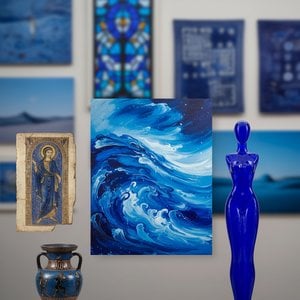
The Allure of Azure: Exploring the Symbolic & Aesthetic Depths of Blue in Art History
Explore the rich history of blue in art! Discover its symbolism, from ancient pigments to modern masterpieces by Kandinsky & Seurat. Uncover the psychological impact and cultural meanings behind this captivating hue.

Slate Blue Masterpieces: 10 Iconic Paintings & Timeless Home Decor Ideas
Immerse yourself in the captivating world of slate blue! Explore 10 iconic paintings by Monet, Van Gogh & Renoir. Discover their stories, techniques & find museum-quality art reproductions for your home at .


