

 पूर्वावलोकन देखें
 साझा करें
 साझा करें
 विस्तृत विवरण

 डाउनलोड करें
 समान कलाकृतियाँ
 एक्स-रे
 स्लाइड शो देखें
flowers


 पूरा देखें
हाथ से बनी ऑयल रिप्रोडक्शन
आपके आकार और फ्रेम के अनुसार कैनवास पर हाथ से बनी ऑयल पेंटिंग, हमारे कलाकारों द्वारा विशेष रूप से ऑर्डर पर तैयार। ( प्रिंट खरीदें छवि खरीदें)




P118B $10

P118H $10

P118W $10

P438Z $10

P508JH $12

P508YH $12

P805H $10

P805Z $10

P919BZ $10

P919G $10

P919XJ $10

P959ZH $10

P968JZ $12

W106C $8

W218G $10

W218JH $8

W218Y $10

W307PJ $10

W316G $10

W316PJ $8

W316Y $10

W398PJ $8

W4111J $10

W500HY $15

W500JH $15

W692G $12

W849H $8

W940BG $15

W953PJ $8




कलाकृति के मूल अनुपात से मेल खाने वाले हमारे पूर्व निर्धारित आकारों में से चुनें।

आप किसी विशिष्ट फ्रेम या स्थान के अनुसार अपने स्वयं के आयाम (dimensions) दर्ज कर सकते हैं। यदि आपके द्वारा चुना गया आकार मूल छवि के अनुपात से मेल नहीं खाता है, तो हम कलाकृति को क्रॉप करेंगे या पेंटिंग में अतिरिक्त हाथ से चित्रित तत्व जोड़कर उसका विस्तार करेंगे। उत्पादन शुरू होने से पहले आपकी स्वीकृति के लिए एक डिजिटल मॉकअप भेजा जाएगा।
कृपया ध्यान दें कि स्क्रीन पर दिखने वाला पूर्वावलोकन वास्तविक क्रॉपिंग या विस्तार को नहीं दर्शाता है। केवल मॉकअप ही अंतिम रचना को सटीक रूप से दिखाएगा।
यद्यपि कस्टम आकार उपलब्ध हैं, फिर भी हम मूल अनुपात बनाए रखने के लिए पूर्व-निर्धारित सूची से आयाम चुनने की सलाह देते हैं।
ऑर्डर देने के बाद, ArtsDot.com टीम निर्देशों के लिए क्लाइंट को ईमेल करेगी और एक मॉकअप प्रीव्यू प्रदान करेगी
विश्वव्यापी वितरण () मानक 5 सप्ताह के बजाय मात्र 3/4 सप्ताह में। (16 अगस्त)। गुणवत्ता से कोई समझौता नहीं।

दुनिया भर में मुफ़्त एक्सप्रेस शिपिंग

उच्च गुणवत्ता वाला लिनेन कैनवास

पूर्ण शिपिंग बीमा

सीमा शुल्क और आयात कर वापसी की गारंटी

सटीक रंग मिलान की गारंटी

60-दिन की वापसी नीति (केवल दोषों के लिए)

100% पैसे वापसी की गारंटी

थोक छूट का लाभ
 ग्लास का विकल्प केवल 110 सेमी से कम आकार में ही उपलब्ध है।

flowers
प्रतिकृति की विधि
प्रतिकृति का आकार
-


कुल देय राशि
$ 263
कलाकृति का विवरण
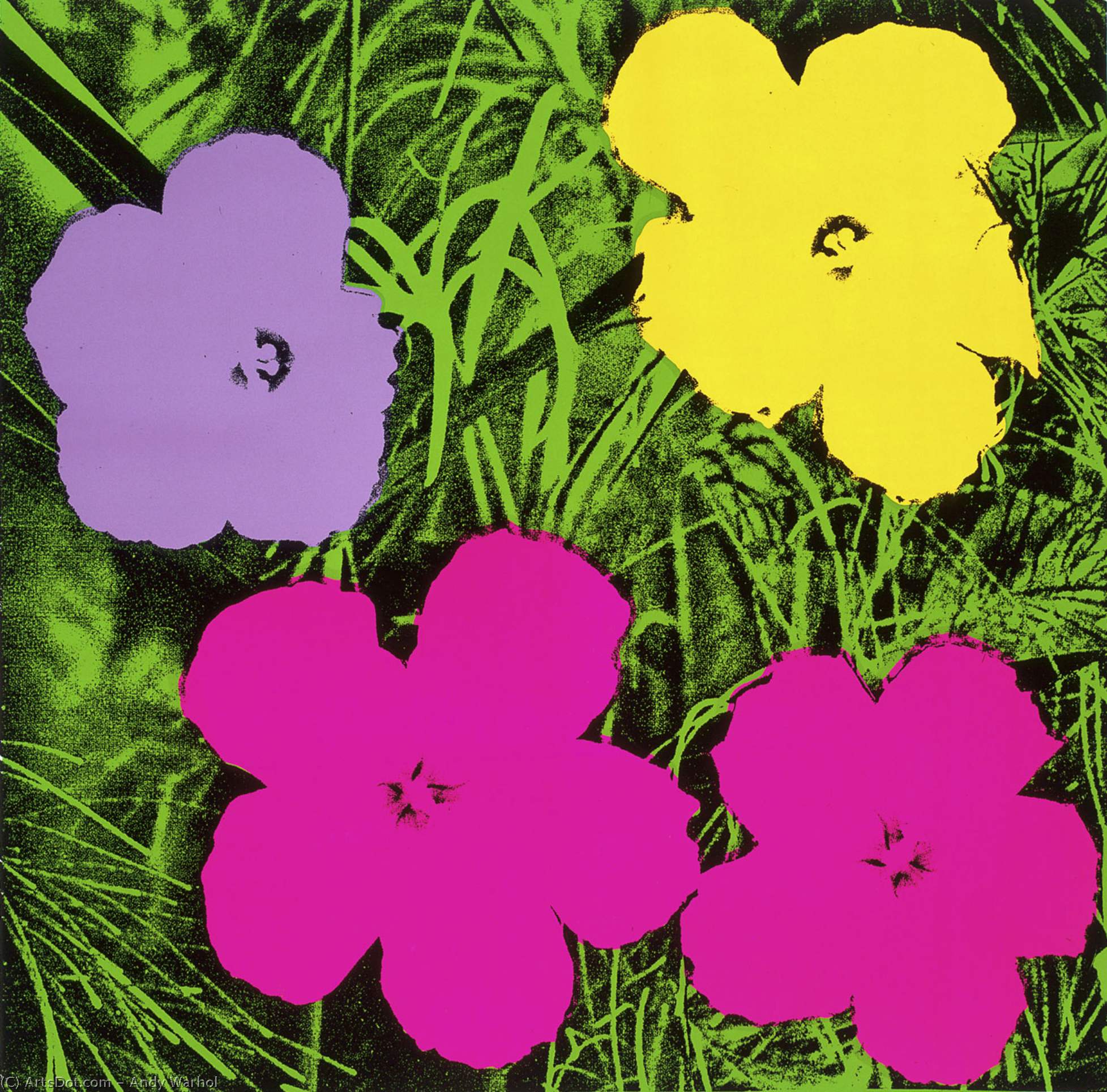
A Celebration of the Everyday: Decoding Andy Warhol’s “Flowers”
Andy Warhol, a titan of 20th-century art, fundamentally altered our perception of what constitutes ‘art.’ Among his most recognizable and enduring creations, “Flowers” stands as a vibrant emblem of Pop Art's revolutionary spirit. More than just a depiction of botanical beauty, this series is a complex commentary on consumer culture, mass production, and the very nature of originality.Origins & Inspiration: From Photography to Silkscreen
Warhol’s fascination with flowers blossomed in the early 1960s, coinciding with his exploration of silkscreen printing—a technique that would become synonymous with his artistic practice. The initial impetus for “Flowers” stemmed from a photograph of hibiscus blossoms featured in *Modern Photography* magazine (June 1964), captured by Patricia Caulfield. Warhol skillfully cropped and abstracted the image, transforming it into a repeatable motif ripe for mass production. This deliberate choice highlights his interest in appropriating existing imagery and elevating everyday subjects to iconic status.The Technique of Replication: Silkscreen & Pop Art Aesthetics
Warhol’s mastery of silkscreen printing is central to understanding “Flowers.” The process allowed him to create multiple, nearly identical images with subtle variations in color and texture. This deliberate repetition challenges traditional notions of artistic skill and uniqueness, mirroring the mass-produced nature of consumer goods. The flat planes of color, bold outlines, and lack of painterly brushstrokes contribute to a distinctly graphic aesthetic—hallmarks of Pop Art. The resulting image is immediate, visually arresting, and undeniably modern.Pop Art & Cultural Commentary
“Flowers” is quintessentially Pop Art, a movement that emerged in the 1950s and 60s as a reaction against Abstract Expressionism’s perceived elitism. Artists like Warhol, Roy Lichtenstein, and Jasper Johns sought to bridge the gap between “high art” and popular culture by incorporating imagery from advertising, comic books, and everyday objects into their work. By focusing on flowers—a seemingly innocuous subject—Warhol subtly critiques the superficiality of modern life and the pervasive influence of consumerism. The repetition also evokes a sense of detachment, mirroring the impersonal nature of mass production.Symbolism & Emotional Resonance
While appearing simple at first glance, “Flowers” is rich in symbolic meaning. The flower itself has long been associated with beauty, fragility, and the ephemeral nature of life. Warhol’s treatment of the subject—through mechanical reproduction—creates a fascinating tension between these traditional associations and the cold, impersonal world of mass production. The vibrant colors evoke feelings of joy and optimism, yet the repetitive nature can also feel unsettling or even alienating. Ultimately, “Flowers” invites viewers to contemplate the relationship between art, commerce, and the human experience.Legacy & Enduring Appeal
“Flowers” remains one of Warhol’s most beloved and recognizable works, exhibited in museums and private collections worldwide. Its enduring appeal lies in its accessibility, visual impact, and thought-provoking commentary on contemporary culture. The series continues to inspire artists, designers, and collectors alike, solidifying Warhol's place as a pivotal figure in art history.- Andy Warhol: A pioneering artist who redefined the boundaries of art through his innovative use of silkscreen printing and appropriation.
- Pop Art Movement: A revolutionary artistic movement that challenged traditional notions of art by embracing popular culture and mass media.
- Silkscreen Printing: A technique central to Warhol’s style, enabling the mass production of images with subtle variations in color and texture.


कलाकार का जीवन परिचय
एंड्रयू वारहोला जूनियर: पॉप कला के जादूगर
पिट्सबर्ग, अमेरिका में 1928 में जन्मे एंड्रयू वारहोला जूनियर, जिन्हें दुनिया एंडी वारहोल के नाम से जानती है, 20वीं सदी के सबसे प्रभावशाली कलाकारों में से एक थे। उनका जीवन और कला अमेरिकी संस्कृति के बदलते चेहरे को दर्शाती है। बचपन में बीमार रहने के कारण उन्हें घर पर ही रहना पड़ता था, जहाँ उनकी माँ ने उन्हें कला की दुनिया से परिचित कराया। उन्होंने कमिक बुक्स और फिल्म पत्रिकाओं से प्रेरणा ली, जो बाद में उनकी कला का अभिन्न अंग बन गए। कारनेगी इंस्टीट्यूट ऑफ टेक्नोलॉजी से डिग्री हासिल करने के बाद, वारहोला न्यूयॉर्क शहर चले गए, जहाँ उन्होंने एक सफल वाणिज्यिक चित्रकार के रूप में अपना करियर शुरू किया। फैशन पत्रिकाओं के लिए उनके रेखाचित्रों ने उन्हें जल्दी ही पहचान दिलाई, लेकिन उनकी असली पहचान पॉप कला आंदोलन के माध्यम से मिली।
पॉप कला का उदय और 'द फैक्ट्री'
1960 के दशक में, वारहोला ने वाणिज्यिक कला की सीमाओं को पार करते हुए पॉप कला आंदोलन में एक महत्वपूर्ण भूमिका निभाई। उन्होंने विज्ञापन, कॉमिक बुक्स और उपभोक्ता वस्तुओं को कला के वैध विषय के रूप में अपनाया, जिससे पारंपरिक कला धारणाओं को चुनौती मिली। उनके प्रसिद्ध कार्यों, जैसे कि कैम्पबेल का सूप कैन (1962) और मैरीलिन डिप्टिक (1962), ने अमेरिकी उपभोक्तावाद के प्रतीक को दर्शाया। वारहोला ने स्क्रीन प्रिंटिंग तकनीक का उपयोग किया, जो छवियों की यांत्रिक पुनरुत्पादन पर जोर देती है, जिससे कला और उत्पादन के बीच की रेखाएँ धुंधली हो गईं। 'द फैक्ट्री' उनका स्टूडियो था, जो न्यूयॉर्क शहर में एक जीवंत केंद्र बन गया जहाँ कलाकार, संगीतकार, फिल्म निर्माता और समाजसेवियों ने मिलकर काम किया। यह रचनात्मकता और प्रयोग का स्थान था, जिसने वारहोला को अपनी कलात्मक दृष्टि को आगे बढ़ाने में मदद की।
सेलिब्रिटी, आपदा और अमेरिकी जुनून की खोज
वारहोला की कलात्मक यात्रा उपभोक्ता वस्तुओं से परे सेलिब्रिटी, मृत्यु और आपदा जैसे विषयों तक फैली हुई थी। उन्होंने मैरीलिन मुनरो, एल्विस प्रेस्ली और एलिजाबेथ टेलर जैसे प्रतिष्ठित हस्तियों के चित्र बनाए, जो प्रसिद्धि, छवि और सेलिब्रिटी के नाजुक स्वभाव का पता लगाते हैं। उनकी "डिज़ास्टर" श्रृंखला में कार दुर्घटनाओं, इलेक्ट्रिक कुर्सियों और दंगों की छवियों को दर्शाया गया है, जिससे दर्शकों को हिंसा और मृत्यु दर के बारे में सोचने पर मजबूर होना पड़ता है। वारहोला ने इन छवियों को एक तटस्थ दृष्टिकोण से प्रस्तुत किया, जिससे दर्शक अपना निष्कर्ष निकाल सकें। उन्होंने फिल्म निर्माण में भी प्रयोग किया, स्लीप (1963) और चेल्सी गर्ल्स (1966) जैसी प्रयोगात्मक फिल्में बनाईं, जिसने कलात्मक अभिव्यक्ति की सीमाओं को आगे बढ़ाया।
कला और संस्कृति पर स्थायी प्रभाव
एंड्रयू वारहोला का कला जगत पर गहरा प्रभाव पड़ा है। उन्होंने कला की पारंपरिक परिभाषाओं को चुनौती दी, उच्च और निम्न संस्कृति के बीच की रेखाएँ धुंधली कर दीं, और अवधारणात्मक और प्रदर्शन कला जैसे नए आंदोलनों का मार्ग प्रशस्त किया। उनकी उपभोक्तावाद, सेलिब्रिटी संस्कृति और मीडिया के अन्वेषण आज भी दर्शकों के साथ गूंजते हैं, क्योंकि ये विषय समकालीन समाज के केंद्र में बने हुए हैं। वारहोला न केवल एक कलाकार थे, बल्कि एक सांस्कृतिक प्रतीक भी थे - एक दूरदर्शी जिन्होंने छवि की शक्ति को समझा और इसे धारणा को आकार देने की क्षमता को पहचाना। उन्होंने एक ऐसे समय में खुले तौर पर अपनी गे पहचान को अपनाया जब ऐसा करना दुर्लभ था, जिससे वे मुक्ति के प्रतीक बन गए और सामाजिक मानदंडों को चुनौती दी। उनकी विरासत अनगिनत क्षेत्रों में देखी जा सकती है, समकालीन कला, फैशन, संगीत और फिल्म से लेकर हर जगह। वारहोला ने कला को एक दुर्लभ खोज से बदलकर आधुनिक जीवन के रोजमर्रा के अनुभवों के साथ गहराई से जुड़ा हुआ बनाया।

एंडी वारहोल
1928 - 1987 , संयुक्त राज्य अमेरिका
मुख्य तथ्य
- Artistic Movement Or Style: पॉप कला
- Artists Or Movements Influenced By This Artist:
- समकालीन कला
- फैशन
- फिल्म
- संगीत
- Date Of Birth: 6 अगस्त 1928
- Date Of Death: 22 फरवरी 1987
- Full Name: एंडी वारहोल
- Nationality: अमेरिकी
- Notable Artworks:
- कैम्पबेल का सूप कैन
- मैरीलिन डिप्टिक
- चे ग्वेरा
- वेलवेट अंडरग्राउंड कवर
- Place Of Birth: पिट्सबर्ग, अमेरिका
संबंधित लेख

एंडी वारहोल की शीर्ष 25 कलाकृतियाँ: पॉप आर्ट का जादू और आधुनिक सजावट
एंडी वारहोल की शीर्ष 25 कलाकृतियों का अन्वेषण करें! पॉप आर्ट के जादू, मारलिन मोनरो और कैंपबेल सूप कैन जैसे प्रतिष्ठित चित्रों की कहानियाँ जानें। घर की सजावट के लिए उच्च गुणवत्ता वाले कला पुनरुत्पादन खोजें। ArtsDot.com पर संपूर्ण संग्रह देखें।

पॉप आर्ट आंदोलन को परिभाषित करने वाली 10 उत्कृष्ट कृतियाँ | ArtsDot
पॉप आर्ट आंदोलन को आकार देने वाली 10 सर्वश्रेष्ठ कृतियों का अन्वेषण करें। वारहोल, लिचटेनस्टीन और अन्य कलाकारों की कहानियाँ जानें। ArtsDot.com पर उच्च गुणवत्ता वाले कला पुनरुत्पादन खोजें।

Andy Warhol: Deconstructing Pop Culture & Redefining Artistic Expression
Explore the revolutionary art of Andy Warhol & the Pop Art movement. Discover his iconic techniques, cultural impact, and investment potential. A guide for discerning collectors.

Challenging Conventions: Pop Art's Origins, Evolution & Enduring Legacy
Explore the fascinating history of Pop Art, from its rebellious origins to its enduring influence on contemporary artists. Discover key figures like Warhol & Lichtenstein and learn about collecting this iconic movement.

From Warhol to Today's Stars: Recontextualizing Pop Culture Icons Through the Lens of Oil Painting Tradition
Explore the captivating evolution of Pop Art through oil painting! Discover contemporary artists reinterpreting iconic imagery & invest in museum-quality reproductions. Expert art consultation at ArtsDot.



