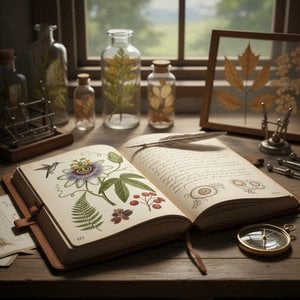
Un Monument Vivant de la Vision Américaine
Au cœur de Baltimore, là où les échos de l'histoire rencontrent le pouls vibrant de la vie civique moderne, se dresse une structure qui est bien plus qu'un simple conservatoire d'artéfacts. Le Peale Museum , monument singulier de l'ambition américaine, détient l'honneur d'être le premier édifice de l'hémisphère occidental spécifiquement conçu et construit pour servir de musée. Établi par l'artiste visionnaire Rembrandt Peale , ce joyau néoclassique, œuvre de l'estimé architecte Robert Cary Long Sr. , fait office de pont vivant entre l'émergence de la nation au début du XIXe siècle et le paysage culturel sophistiqué d'aujourd'hui. Franchir ses portes, c'est entrer dans un récit de résilience et de transformation, où les murs eux-mêmes ont été les témoins de l'évolution d'une ville — ayant servi de mairie à Baltimore avant de devenir un sanctuaire éducatif pionnier pour les étudiants afro-américains.
L'élégance architecturale du musée offre une scène sublime à sa collection diversifiée, un trésor qui célèbre à la fois la précision de l'enquête scientifique et la beauté profonde des beaux-arts. Les visiteurs sont souvent captivés par le jeu magistral de l'ombre et de la lumière au sein de ses galeries, un cadre qui complète parfaitement les trésors les plus célèbres du musée. On ne peut qu'être ému par la « Nature morte aux fraises et coupe d'œuf d'autruche » (1822) de Rembrandt Peatle , une œuvre qui incarne l'obsession de l'ère romantique pour les textures naturelles et la profondeur tonale. La collection propose également un voyage psychologique profond à travers le portrait, notamment dans le rendu digne de Benjamin Franklin par Charles Willson Peale , qui capture l'essence de l'homme d'État avec une grâce néoclassique, ainsi que la puissance dramatique et émotive de « Titus, fils de Rembrandt » , où le clair-obscur insuffle la vie à chaque coup de pinceau.
Une Tapisserie d'Identité et d'Héritage
Ce qui distingue véritablement The Peale de ses homologues contemporains, c'est son engagement envers l'art du récit. Il ne se contente pas d'exposer des objets ; il tisse une tapisserie de l'identité riche et multiforme de Baltimore. Le musée honore l'héritage de toute la dynastie Peale , incluant les contributions scientifiques de Rubens Peale et les aperçus délicats et intimes de la vie victorienne offerts par les exquis portraits miniatures de Mary Jane Peale . Pour l'amateur d'art, le collectionneur ou le designer en quête d'inspiration, The Peale offre une opportunité rare de s'immerger dans un espace où l'histoire n'est pas un concept statique, mais un dialogue continu et vibrant.
L'importance historique du musée est tissée dans sa propre substance, reflétant un héritage d'engagement communautaire et de préservation culturelle. Les éléments notables de son passé légendaire incluent :
- Signification Architecturale : Une structure néoclassique pionnière conçue spécifiquement pour un usage muséal au début du XIXe siècle.
- Évolution Civique : Un bâtiment qui a traversé différents rôles, de l'hôtel de ville de Baltimore à celui d'institution éducative vitale.
- Lignée Artistique : Une collection profondément ancrée dans les œuvres de la famille Peale, s'étendant du portrait à la nature morte et à l'illustration scientifique.
- Sanctuaire Culturel : Un espace qui demeure un refuge de découverte, invitant tous ceux qui y entrent à contempler le pouvoir durable d'un patrimoine culturel partagé.