

 Aperçu en situation
 Envoyer
 Partager
 Détails de l'œuvre

 Télécharger
 Articles similaires
 Radiographie
 Diaporama
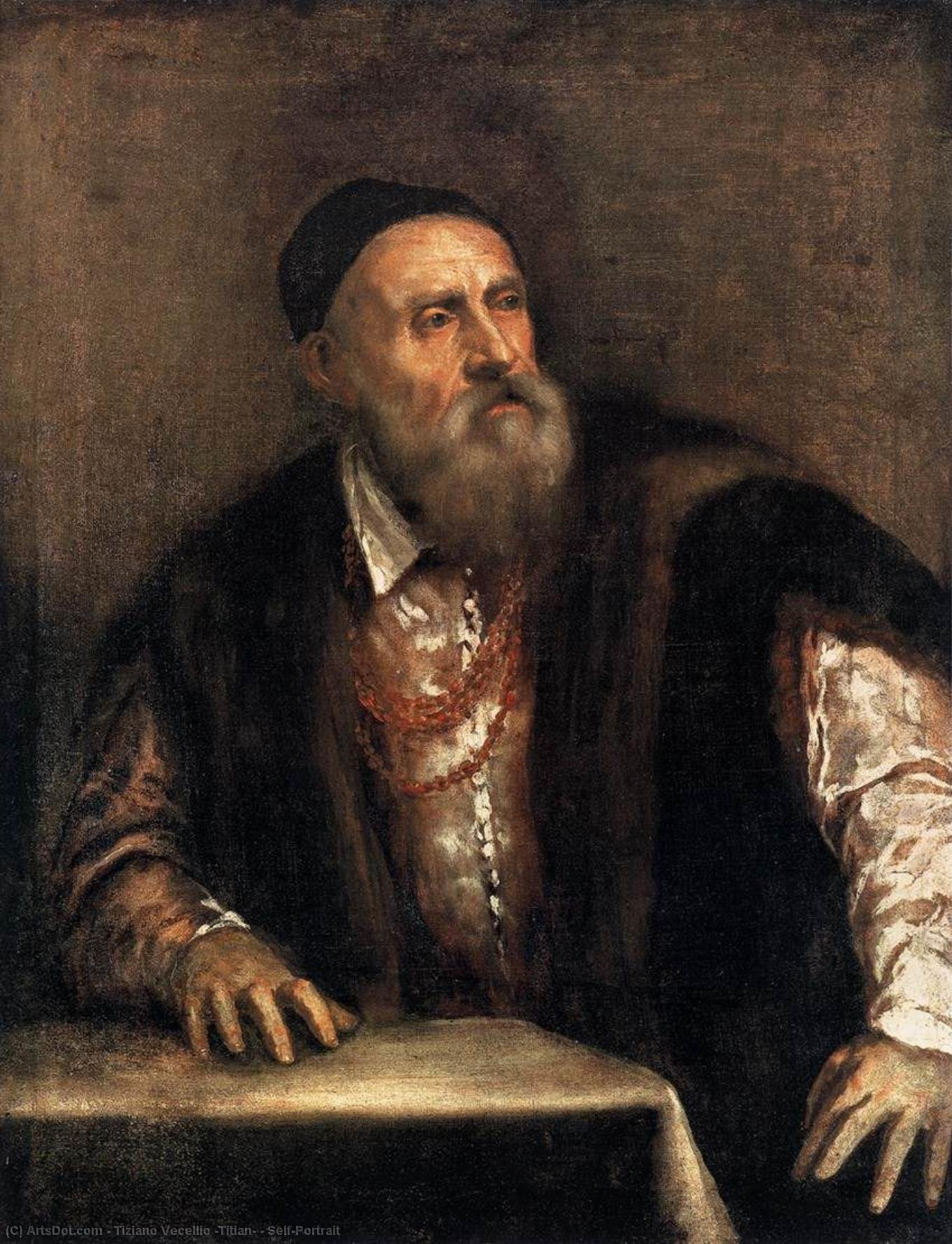
Autoportrait
 Huile sur toile
- Art mural
- Venetian Renaissance
 1562
1562- Renaissance
 96.0 x 75.0 cm
 Musées d'État de Berlin
 Lire la suite
Reproduction à l'huile faite à la main
Huile sur toile peinte à la main, avec cadre et dimensions personnalisés, réalisée sur commande par nos artistes. ( Commander l'impression Télécharger l'image haute résolution)




P118B $10

P118H $10

P118W $10

P438Z $10

P508JH $12

P508YH $12

P805H $10

P805Z $10

P919BZ $10

P919G $10

P919XJ $10

P959ZH $10

P968JZ $12

W106C $8

W218G $10

W218JH $8

W218Y $10

W307PJ $10

W316G $10

W316PJ $8

W316Y $10

W398PJ $8

W4111J $10

W500HY $15

W500JH $15

W692G $12

W849H $8

W940BG $15

W953PJ $8




Choisissez parmi nos formats prédéfinis qui respectent les proportions originales de l’œuvre.

Vous pouvez saisir vos propres dimensions pour l'adapter à un cadre ou à un espace spécifique. Si la taille sélectionnée ne correspond pas aux proportions de l'image d'origine, nous recadrerons l'œuvre ou prolongerons la peinture avec des éléments peints à la main supplémentaires. Une maquette numérique vous sera envoyée pour approbation avant le début de la production.
Veuillez noter que l'aperçu à l'écran ne reflète pas le recadrage ou l'extension réels. Seule la maquette montrera fidèlement la composition finale.
Bien que des tailles personnalisées soient disponibles, nous vous recommandons de sélectionner une dimension dans la liste prédéfinie afin de préserver les proportions d'origine.
Après la commande, l’équipe ArtsDot.com contactera le client par e-mail pour recueillir ses instructions et lui fournira une maquette d’aperçu
Livraison dans le monde entier () en 3 à 4 semaines au lieu des 5 semaines habituelles. (16 août). Aucun compromis sur la qualité.

Livraison express gratuite dans le monde entier

Toile de lin de qualité supérieure

Assurance transport complète

Garantie de remboursement des droits de douane

Garantie de fidélité des couleurs

Politique de retour de 60 jours (uniquement en cas de défaut)

Garantie de remboursement à 100%

Offre de tarifs dégressifs
 L'option verre n'est disponible que pour les dimensions inférieures à 110 cm.

Autoportrait
Technique de reproduction
Format de la reproduction
-


Prix total
$ 263
Description de l'œuvre
L'Âme derrière le regard : Un chef-d'œuvre d'introspection
Dans les profondeurs calmes et contemplatives de l'Autoportrait de Tiziano Vecellio, nous rencontrons bien plus qu'une simple ressemblance ; nous faisons la rencontre de l'essence même de la Renaissance vénitienne. Peinte vers 1562, cette profonde huile sur toile sert de fenêtre ouverte sur l'esprit de Titien, l'un des maîtres les plus redoutables de la couleur et de la lumière dans l'histoire. Contrairement à de nombreux portraits de son époque qui cherchaord à projeter une image idéalisée ou héroïque, cette œuvre offre une rencontre brute et viscérale avec la réalité du temps. L'artiste ne se présente pas comme un jeune homme triomphant, mais comme un homme marqué par des décennies de labeur créatif, le visage gravé des subtiles complexités de l'âge et de la sagesse. Alors qu'il regarde au loin, perdu dans un moment de pensée profonde, le spectateur est invité à partager ce dialogue silencieux entre le créateur et son propre reflet.
La brillance technique de la pièce réside dans la capacité inégalée de Titien à manipuler le sfumato et la texture pour évoquer la vie. Par une touche magistrale, il capture le drapé lourd de sa robe noire et la qualité douce et tactile de sa barbe et de sa moustache. Le jeu de la lumière sur ses traits crée un sentiment de présence tridimensionnelle qui semble respirer à l'intérieur du cadre. Pour le collectionneur averti ou le décorateur d'intérieur, ce tableau offre un jeu sophistiqué d'ombre et de substance, s'imposant comme une ancre pour tout espace valorisant la profondeur, la gravité et l'élégance intemporelle des Maîtres Anciens.
Un héritage écrit en pigments et en ombres
Comprendre cet autoportrait, c'est comprendre le crépuscule d'une carrière légendaire. En 1562, Titien avait déjà remodelé la trajectoire de l'art occidental, influençant des géants tels que Velázquez et Goya. Cette œuvre particulière, conservée au prestigieux Museo del Prado à Madrid, se dresse comme une conclusion poignante de l'œuvre de sa vie. Si ses premiers autoportraits rayonnaient peut-être de la confiance d'une étoile montante, cette version tardive embrasse une représentation plus sombre et réaliste des effets physiques du vieillissement. Il y a une dignité tranquille dans son expression émaciée, un sentiment d'autorité qui demeure inébranlable malgré le passage des années.
Le symbolisme au sein du cadre est subtil mais puissant. La tenue simple mais coûteuse témoigne de son statut élevé au sein des cours européennes, tandis que la présence de ses outils — souvent suggérée par la texture même de sa peinture — légitime son identité de maître artisan. Pour ceux qui cherchent à apporter un fragment d'histoire dans leur demeure, une reproduction de haute qualité de cette œuvre offre bien plus qu'une simple décoration ; elle introduit une atmosphère de rigueur intellectuelle et de continuité historique. C'est une pièce qui ne se contente pas de pendre sur un mur, mais qui commande la pièce, offrant un sentiment de permanence et de prestige à toute collection soigneusement choisie.
Une invitation à l'élégance intemporelle
Intégrer un tel chef-d'œuvre dans un intérieur moderne exige un œil pour l'équilibre et une passion pour la narration. La palette feutrée de noirs, de tons terreux et de teintes chair permet à ce portrait de s'harmoniser magnifiquement avec des décors tant classiques que contemporains. Qu'il soit placé dans un bureau rempli de livres reliés en cuir ou qu'il serve de point focal dans un salon minimaliste de style galerie, l'Autoportrait agit comme un déclencheur de conversation, suscitant des réflexions sur l'héritage, la mortalité et le pouvoir durable de l'art.
Posséder une reproduction de ce chef-d'œuvre de Titien vous permet de vous entourer de l'esprit de la Renaissance vénitienne. C'est une opportunité de célébrer la condition humaine à travers les yeux d'un titan, apportant une résonance émotionnelle profonde et un prestige académique à votre sanctuaire personnel. Dans chaque coup de pinceau de la toile recréée, on peut ressentir le battement de cœur de l'Italie du XVIe siècle, préservé pour le connaisseur moderne.
Œuvres similaires


Biographie de l'artiste
Tiziano Vecellio: The Venetian Titan
Tiziano Vecellio, universally known as Titian, stands as a monumental figure of the Italian Renaissance—perhaps its most celebrated colorist and a master who redefined the possibilities of oil painting. Born around 1490 in Pieve di Cadore, nestled amidst the dramatic landscapes of the Venetian Alps, his journey from humble beginnings to international acclaim is a testament to prodigious talent and an unwavering dedication to artistic innovation. The exact date of Titian’s birth remains elusive, debated among scholars, but contemporary sources and his early stylistic development converge on estimates between 1488 and 1490.
His father, Gregorio Vecellio, was a military man—a profession that instilled in young Tiziano a disciplined spirit and an appreciation for observation. Lucia, his mother, nurtured him with affection and fostered his artistic inclinations. Recognizing their sons’ potential, the family orchestrated Tiziano’s apprenticeship with Sebastiano Zuccato, a renowned mosaicist—a decision that would irrevocably steer him toward mastering one of Venice’s most prestigious crafts.
Giovanni Bellini, Titian’s elder brother and mentor, further honed his artistic skills. Under Bellini’s guidance, Tiziano absorbed the principles of Venetian painting—characterized by a harmonious blend of realism and spirituality—and developed a distinctive style marked by luminous colors and subtle tonal gradations. This formative period cemented Bellini's influence on Titian's aesthetic sensibilities.
Early Artistic Development & Giorgione’s Influence
The encounter with Giorgione proved pivotal in shaping Tiziano’s artistic trajectory. Like Bellini, Giorgione had trained under Giovanni Bellini—establishing a lineage of Venetian artists committed to exploring innovative visual languages. Together, they embarked on ambitious projects, notably the decoration of the Fondaco dei Tedeschi—a bustling trading post frequented by German merchants—where their collaboration yielded masterpieces that epitomized the Venetian Renaissance.
Giorgione’s distinctive style—characterized by hazy atmospheric effects and muted palettes—challenged conventional artistic conventions. Tiziano embraced Giorgione’s aesthetic principles, incorporating similar techniques into his own paintings. *A Man with a Quilted Sleeve*, completed around 1509, exemplifies this stylistic fusion—demonstrating Tiziano’s burgeoning talent for portraiture while simultaneously reflecting Giorgione’s ethereal vision.
Venetian Mastery & Expanding Horizons
Titian swiftly ascended to prominence within Venice’s artistic milieu. He secured commissions from influential patrons—including Alfonso I d’Este and Cardinal Giovanni Grimani—and established himself as one of the foremost painters of his era. His reputation for capturing psychological depth and rendering textures with remarkable accuracy quickly garnered acclaim.
Among his most celebrated achievements were the frescoes adorning Santa Maria Gloriosa dei Frari—a monumental undertaking that showcased Tiziano’s mastery of color and composition. The ambitious project cemented his position as a leading figure in Venetian painting and solidified his legacy as an innovator who pushed the boundaries of artistic expression.
Beyond Venice, Titian cultivated relationships with artists across Europe—including Peter Paul Rubens and Rembrandt—who recognized him as a beacon of artistic excellence. His influence extended far beyond his lifetime, shaping the stylistic sensibilities of subsequent generations of painters and cementing his place among the titans of Western art history.
A Legacy Illuminated
Titian died in Venice in 1576—leaving behind an unparalleled oeuvre that continues to captivate audiences worldwide. His paintings reside in museums spanning continents—from the Galleria Palatina in Florence to the Prado Museum in Madrid and the National Gallery in London—serving as enduring reminders of his artistic genius.
To gaze upon a Titian is to immerse oneself in a realm of luminous color, masterful brushwork, and profound psychological insight. He remains an unsurpassed exemplar of Renaissance artistry—a painter who transformed the visual language of his time and bequeathed to posterity a legacy of beauty and innovation that continues to inspire awe and admiration.

Titian
1490 - 1576 , Italie
L'essentiel de l'artiste
- Artistic Movement Or Style: Renaissance, Venise
- Artists Or Movements Influenced By This Artist:
- Rubens
- Delacroix
- Artists Who Influenced This Artist:
- Giovanni Bellini
- Giorgione
- Date Of Birth: c. 1490
- Date Of Death: 1576
- Full Name: Tiziano Vecellio
- Nationality: Italien
- Notable Artworks:
- La Schiavona
- Venus Urbino
- Place Of Birth: Pieve di Cadore, Italie
Articles connexes

Jacopo Tintoretto : Les 25 Chefs-d'œuvre du Maître Vénitien | ArtsDot
Plongez dans l'univers dramatique de Jacopo Tintoretto ! Découvrez les 25 œuvres incontournables du maître vénitien, ses techniques uniques et son style baroque. Reproductions de qualité muséale sur ArtsDot.com.

Titian : Innovation, Technique et la Tradition du Portrait Vénitien à la Renaissance
Explorez l'univers de Titien et la révolution du 'colorito' vénitien. Découvrez sa technique unique, son influence sur les maîtres européens et l'histoire fascinante du portrait à Venise. Expertise art & collectionneurs.

Lumière et Innovation : L'Art de la Renaissance Vénitienne (1430–1580) – Un Éclat Unique
Explorez l'éclat unique de la Renaissance vénitienne (1430–1580). Découvrez Titien, Tintoret et Bellini, les maîtres du 'colorito'. Expertise art & collectionneurs. Reproduction tableaux sur ArtsDot.
Les 25 Chefs-d'Œuvre du Musée Hermitage : Art, Histoire & Décor d'Intérieur
Plongez au cœur du Musée Hermitage : découvrez les 25 œuvres incontournables de Rembrandt, Léonard de Vinci et autres maîtres. Histoire, technique & inspiration déco. Reproductions tableaux de qualité sur ArtsDot.com !

Les 10 Chefs-d'œuvre à l'Huile sur Bois qui ont Révolutionné l'Art | ArtsDot
Plongez dans l'univers des 10 chefs-d'œuvre à l'huile sur bois qui ont marqué l'histoire de l'art. Découvrez les secrets des maîtres flamands, leurs techniques et couleurs uniques. Retrouvez ces tableaux célèbres en reproductions haute qualité sur ArtsDot.com !



