


 Aperçu en situation
 Partager
 Partager
 Détails
 Guide imprimable

 Télécharger
 Articles similaires
 Radiographie
 Voir le diaporama
 Statistiques
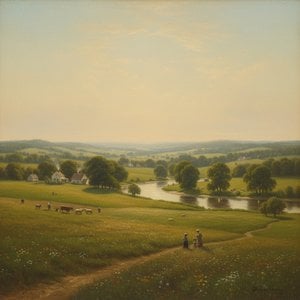
A Pastoral Landscape


 Afficher la suite
Reproduction à l'huile faite à la main
Huile sur toile peinte à la main, avec cadre et dimensions personnalisés, réalisée sur commande par nos artistes. ( Passer au format impression Passer au format image numérique)




P118B $10

P118H $10

P118W $10

P438Z $10

P508JH $12

P508YH $12

P805H $10

P805Z $10

P919BZ $10

P919G $10

P919XJ $10

P959ZH $10

P968JZ $12

W106C $8

W218G $10

W218JH $8

W218Y $10

W307PJ $10

W316G $10

W316PJ $8

W316Y $10

W398PJ $8

W4111J $10

W500HY $15

W500JH $15

W692G $12

W849H $8

W940BG $15

W953PJ $8




Choisissez parmi nos formats prédéfinis qui respectent les proportions originales de l’œuvre.

Vous pouvez saisir vos propres dimensions pour l'adapter à un cadre ou à un espace spécifique. Si la taille sélectionnée ne correspond pas aux proportions de l'image d'origine, nous recadrerons l'œuvre ou prolongerons la peinture avec des éléments peints à la main supplémentaires. Une maquette numérique vous sera envoyée pour approbation avant le début de la production.
Veuillez noter que l'aperçu à l'écran ne reflète pas le recadrage ou l'extension réels. Seule la maquette montrera fidèlement la composition finale.
Bien que des tailles personnalisées soient disponibles, nous vous recommandons de sélectionner une dimension dans la liste prédéfinie afin de préserver les proportions d'origine.
Après la commande, l’équipe ArtsDot.com contactera le client par e-mail pour recueillir ses instructions et lui fournira une maquette d’aperçu
Livraison dans le monde entier () en 3 à 4 semaines au lieu des 5 semaines habituelles. (25 septembre). Aucun compromis sur la qualité.

Livraison express gratuite dans le monde entier

Toile de lin de haute qualité

Assurance transport complète

Garantie de remboursement des droits de douane

Garantie de fidélité des couleurs

Garantie de retour de 100 jours (uniquement en cas de défaut)

Garantie de remboursement à 100%

Tarifs dégressifs sur quantité
 L'option verre n'est disponible que pour les dimensions inférieures à 110 cm.

A Pastoral Landscape
Technique de reproduction
Format de la reproduction
-


Prix total final
$ 263
A Symphony of Serenity: The Soul of A Pastoral Landscape
In the vast tapestry of American art history, few moments capture the quiet breath of nature as poignantly as Thomas Moran’s A Pastoral Landscape. Painted in 1889, this exquisite oil on canvas serves as a profound departure from the rugged, awe-inspiring vistas of the American West for which Moran is most famous. Instead of the dramatic canyons and sun-scorched peaks, we are invited into a sanctuary of peace—a lush, verdant corner of the Long Island marshlands. The painting presents an idyllic countryside where time seems to suspend itself; a gentle river meanders through the heart of the composition, its surface reflecting the soft, diffused light of an overcast sky. Here, the artist captures not just a place, but a feeling of profound tranquility, inviting the viewer to step away from the clamor of modernity and into a world of rhythmic, natural grace.
The mastery of Moran’s technique is on full display through his delicate handling of light and atmosphere. Utilizing the principles of Romanticism, he moves beyond mere topographical accuracy to evoke an emotional response. The composition is built upon receding planes that guide the eye with effortless fluidity: from the textured, rocky outcrops in the foreground to the soft, grassy meadows where cattle graze in quiet companionship, and finally toward the dense, mysterious forests that loom in the distance. His brushwork is both purposeful and subtle, layering colors to create a sense of palpable depth. The palette, dominated by rich greens, earthy browns, and the muted blues of a cloudy sky, creates a harmonious atmosphere where every element—from the swaying trees to the shimmering water—feels interconnected within a single, breathing ecosystem.
Symbolism and the Sublime in the Everyday
While many associate the concept of the sublime with terrifying storms or monumental mountains, Moran finds it here in the quiet persistence of life. The painting functions as a symbolic bridge between the wildness of nature and the comfort of the pastoral ideal. The presence of grazing cows introduces a sense of domestic harmony, suggesting a world where humanity and nature exist in a state of gentle equilibrium. The meandering river acts as a metaphor for the passage of time—constant, flowing, and life-giving. Even the sky, with its blend of white and grey clouds, suggests the potential for change, reminding us that even in moments of absolute stillness, the natural world is in a state of perpetual motion.
For the discerning collector or interior designer, A Pastoral Landscape offers more than just visual beauty; it provides an emotional anchor for a space. The painting’s muted tones and soft lighting make it an incredibly versatile piece for sophisticated decor, capable of bringing a sense of calm to a modern study, a classic library, or a bright, airy living room. It serves as a window into a lost era of American innocence, making it an ideal centerpiece for those looking to infuse their surroundings with a sense of history, prestige, and enduring peace. To possess a high-quality reproduction of this work is to hold a fragment of the Romantic spirit, ensuring that the serene beauty of Moran’s vision continues to inspire generations to come.
Œuvres similaires


Biographie de l'artiste
Premières années et carrière
Thomas Moran, un peintre et graveur américain renommé, est né le 12 février 1837 à Bolton, en Angleterre. Sa famille a déménagé aux États-Unis, s'installant à New York, où Moran trouverait sa voie artistique. En tant que frère cadet du peintre maritime Edward Moran, Thomas partageait un atelier avec lui, marquant le début de son parcours artistique.Style artistique et influences
Le travail de Moran était fortement influencé par l'artiste britannique J. M. W. Turner, dont l'utilisation de la couleur et le choix des paysages ont inspiré Moran à explorer des thèmes similaires dans ses propres œuvres. Cela se voit dans ses peintures, qui présentent souvent les Rocheuses et l'ouest américain. Son style, caractérisé par un souci du détail méticuleux et un mélange de réalisme et de romantisme, lui a valu une place importante au sein du mouvement de l'école de la rivière Hudson.Œuvres notables et réalisations
- Le canyon de la Yellowstone (1872) : Cette peinture monumentale a été achetée par le gouvernement pour 10 000 $, marquant la première reconnaissance significative de Moran en tant qu'artiste.
- Parc national de Yellowstone : Les croquis et les peintures de Moran ont joué un rôle crucial dans l'établissement du Yellowstone comme premier parc national en 1872.
Héritage et impact
Les contributions de Moran à la peinture de paysage américain sont indéniables. Son travail n'a pas seulement reflété la beauté de l'ouest américain, mais a également inspiré une nouvelle génération d'artistes. Aujourd'hui, ses peintures se trouvent dans divers musées, dont le Smithsonian American Art Museum, témoignant de son héritage durable.- Voir les œuvres de Thomas Moran sur ArtsDot.com
- En savoir plus sur Thomas Moran sur Wikipédia
- Explorer le mouvement artistique de l'école de la rivière Hudson sur ArtsDot.com
Dates clés
- 12 février 1837 : Né à Bolton, en Angleterre
- 25 août 1926 : Décédé à Santa Barbara, Californie

Thomas Moran
1837 - 1926 , Royaume-Uni
En bref
- Artistes Influents: ['J. M. W. Turner']
- Date De Décès: 25 août 1926
- Date De Naissance: 12 février 1837
- Influences Artistiques: ['Hudson River School']
- Lieu De Naissance: Bolton, Royaume-Uni
- Mouvement Artistique: Hudson River School
- Nationalité: Américaine (d'origine anglaise)
- Nom Complet: Thomas Moran
- Œuvres Notables:
- Le Grand Canyon du Yellowstone
- Yellowstone National Park
Articles similaires

Thomas Hill: Luminosity, Landscape & the American Pastoral Ideal
Explore the luminous landscapes of Thomas Hill, a pivotal figure in the Hudson River School & Luminism movements. Discover his artistic journey, philosophical depth, and enduring legacy with ArtsDot.

Les 10 Chefs-d'œuvre du Paysage Romantique : Artistes et Décor d'Intérieur
Plongez dans l'émotion du Romantisme avec les 10 plus beaux paysages de Friedrich, Turner & Delacroix. Découvrez leur histoire et trouvez l'inspiration déco idéale sur ArtsDot.com !

Idyllic Visions: Exploring the Pastoral Scene in Art History – From Arcadia to Modern Interpretations
Explore the captivating history of pastoral art from classical Arcadia to modern masterpieces. Discover key artists like Millet & Cole at ArtsDot. Find serene landscape paintings for your home.
Thomas Worthington Whittredge: Capturing the American Pastoral Ideal with Luminist Light
Explore the luminous landscapes of Thomas Worthington Whittredge, a key figure in the Hudson River School and master of Luminism. Discover his captivating paintings & legacy with ArtsDot.

Idyllic Visions: Exploring the Pastoral Tradition in Western Art – Themes, Techniques & Enduring Appeal
Explore the rich history of pastoral art from classical Arcadia to contemporary interpretations. Discover key artists, themes & collecting tips at ArtsDot.


