


 Aperçu en situation
 Partager
 Partager
 Détails
 Guide
Guide

 Télécharger
 Articles similaires
 Radiographie
 Voir le diaporama
 Statistiques
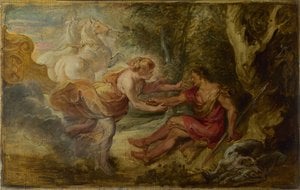
Diana and Actaeon


 Afficher la suite
Giclées et impressions d'art
Impressions giclées ou sur toile de qualité musée, avec une production rapide et des finitions au choix. ( Acheter la peinture faite à la main Passer au format image numérique)




P118B $10

P118H $10

P118W $10

P438Z $10

P508JH $12

P508YH $12

P805H $10

P805Z $10

P919BZ $10

P919G $10

P919XJ $10

P959ZH $10

P968JZ $12

W106C $8

W218G $10

W218JH $8

W218Y $10

W307PJ $10

W316G $10

W316PJ $8

W316Y $10

W398PJ $8

W4111J $10

W500HY $15

W500JH $15

W692G $12

W849H $8

W940BG $15

W953PJ $8




Choisissez parmi nos formats prédéfinis qui respectent les proportions originales de l’œuvre.

Vous pouvez saisir vos propres dimensions pour vous adapter à un cadre ou à un espace spécifique. Si la taille sélectionnée ne correspond pas aux proportions de l'image originale, nous recadrerons l'œuvre ou étendrons l'image avec une bordure en miroir ou une couleur unie. Une maquette numérique vous sera envoyée pour approbation avant le début de la production.
Veuillez noter que l'aperçu à l'écran ne reflète pas le recadrage ou l'extension réelle. Seule la maquette montrera avec précision la composition finale.
Bien que des tailles personnalisées soient disponibles, nous vous recommandons de choisir une dimension dans la liste prédéfinie afin de préserver les proportions originales.
Livraison dans le monde entier () en 2 semaines au lieu des 4/5 semaines habituelles. (24 septembre)

Livraison express gratuite dans le monde entier

Toile de lin de haute qualité

Assurance transport complète

Garantie de remboursement des droits de douane

Garantie de fidélité des couleurs

Garantie de retour de 100 jours (uniquement en cas de défaut)

Garantie de remboursement à 100%

Tarifs dégressifs sur quantité
 L'option verre n'est disponible que pour les dimensions inférieures à 110 cm.

Diana and Actaeon
Giclées et impressions d'art
Format de la reproduction
-


Prix total final
$ 62
A Moment of Divine Encounter: Thomas Gainsborough's *Diana and Actaeon*
Thomas Gainsborough’s 1788 painting, *Diana and Actaeon*, is more than just a depiction of a mythological narrative; it’s a profound meditation on the precariousness of knowledge, the allure of the natural world, and the inherent dangers of disrupting the sacred. Acquired from the artist's studio sale, this work immediately captivates with its serene yet subtly unsettling atmosphere, a hallmark of Gainsborough’s mature style. The scene unfolds within a richly detailed forest setting – a deliberate choice that elevates the story beyond a simple fable, grounding it in the tangible beauty and inherent mystery of the English countryside.
- Subject Matter: The painting portrays the classic tale from Ovid's *Metamorphoses* where Actaeon, while hunting, inadvertently stumbles upon Diana, the goddess of the hunt, bathing with her nymphs.
- Composition: Gainsborough masterfully employs a pyramidal composition, drawing the viewer’s eye through the scene – from the central figures of Diana and Actaeon to the peripheral group of women enjoying the water's edge. The placement of the bird in the upper right corner adds an element of watchful observation, perhaps symbolizing divine awareness or the fleeting nature of human experience.
Technique and Style: Gainsborough’s Romantic Vision
Gainsborough’s technique is characterized by a remarkable sensitivity to light and texture. He employs loose brushwork, particularly in depicting the foliage and water, creating an impressionistic effect that anticipates later developments in art history. The use of warm, earthy tones – ochres, browns, and greens – evokes the atmosphere of the Suffolk countryside, while subtle shifts in color highlight the figures’ forms and create a sense of depth. The painting demonstrates Gainsborough's evolving approach to landscape as an integral part of his narrative, moving beyond mere background decoration to become a vital element of the story itself.
- Oil on Canvas: Executed in oil paint on canvas, the work showcases Gainsborough’s mastery of color and texture.
- Loose Brushwork: His characteristic loose brushstrokes contribute to the painting's atmospheric quality and sense of movement.
Symbolism and Interpretation
*Diana and Actaeon* is rich in symbolic meaning, reflecting the broader intellectual currents of the late 18th century. Diana represents not only the hunt but also chastity, independence, and the untamed power of nature. Actaeon’s transgression – his intrusion into a sacred space – serves as a cautionary tale about the dangers of unchecked curiosity and the importance of respecting boundaries. The presence of the nude women bathing adds another layer of complexity, suggesting themes of female beauty, vulnerability, and perhaps even the seductive power of the natural world. The painting can be interpreted as an allegory for the Enlightenment’s fascination with both scientific observation and the potential pitfalls of human knowledge.
Historical Context and Emotional Impact
Painted in 1788, at the close of Gainsborough's career, *Diana and Actaeon* represents a culmination of his artistic explorations. It reflects the growing Romantic sensibility – an appreciation for nature’s beauty and power, alongside a fascination with mythology and folklore. The painting evokes a sense of quiet contemplation and subtle unease, inviting viewers to ponder the relationship between humanity and the divine. Its serene depiction of a dramatic event creates a powerful emotional resonance, capturing a fleeting moment of vulnerability and transgression within a timeless landscape.
Œuvres similaires




Biographie de l'artiste
Premières années et formation
Thomas Gainsborough, figure marquante de l'art britannique du XVIIIe siècle, est né le 14 mai 1727 à Sudbury, dans le Suffolk. Fils cadet de John Gainsborough, tisserand et fabricant de laines, son enfance fut marquée par une passion innée pour le dessin et la peinture. Dès l’âge de dix ans, il avait déjà démontré un talent artistique prometteur avec des autoportraits miniatures et de petits paysages.Carrière Artistique
La formation formelle de Gainsborough en art débuta en 1740 sous la tutelle de Hubert Gravelot à Londres. Cependant, c'est son association avec William Hogarth qui influença significativement son style. Son œuvre se caractérise par une palette claire et des coups de pinceau légers, ce qui le distinguait de ses contemporains.- Portrait d'une dame en bleu (voir sur ArtsDot) témoigne de sa maîtrise du portrait, avec l’expression sereine et les traits délicats du sujet rendus avec un détail remarquable.
- Johann Christian Bach (voir sur ArtsDot) démontre sa capacité à capturer l'essence de ses sujets, comme en témoigne cette œuvre réalisée à l’huile sur toile.
- Autoportrait (voir sur ArtsDot) (Galerie Roy Miles, Londres, Royaume-Uni), un témoignage de ses compétences en autoportrait.
- Mary, Comtesse de Howe (voir sur ArtsDot) (244 x 152 cm, huile sur toile), un exemple de son travail de portrait avec une figure importante.
Évolution Artistique et Influences
Gainsborough a évolué vers un style plus libre et spontané dans ses paysages, s'éloignant des conventions académiques. Il était fasciné par la représentation de la nature et cherchait à capturer l’atmosphère et la lumière changeante. Son travail fut influencé par les peintres flamands, notamment Rubens, mais il développa une sensibilité propre, caractérisée par un sens du mouvement et une palette lumineuse. Sa rivalité avec Sir Joshua Reynolds a stimulé sa détermination à exceller dans le portrait et la peinture de paysage. Il a été un membre fondateur de la Royal Academy, jouant un rôle essentiel dans la formation de l'institution.Réalisations Majeures et Importance Historique
Gainsborough est reconnu pour ses portraits élégants et ses paysages idylliques. Ses œuvres les plus célèbres incluent "Portrait d'une dame en bleu", "Johann Christian Bach" et son autoportrait. Il a laissé une empreinte durable sur l’art britannique, influençant des artistes comme John Constable. Son approche novatrice de la peinture de paysage, privilégiant l'observation directe de la nature et l'expression de ses émotions, a ouvert la voie à un nouveau courant artistique.Héritage et Artistes Influencés
- Imitateur de Thomas Gainsborough RA (1727–1788, britannique) – un copiste ou un suiveur des œuvres du célèbre artiste britannique Thomas Gainsborough.
- William Heath Wilson – connu pour ses portraits et natures mortes exquis, un maître de la technique à l’huile sur toile.

Thomas Gainsborough
1727 - 1788 , Royaume-Uni
En bref
- Artistes Influencés:
- John Constable
- Imitateur de Thomas Gainsborough RA
- William Heath Wilson
- Artistes Influents:
- William Hogarth
- Rubens
- Date De Naissance: 14 mai 1727
- Lieu De Naissance: Sudbury, Royaume-Uni
- Mouvement Artistique: Rococo
- Nationalité: Britannique
- Nom Complet: Thomas Gainsborough
- Œuvres Notables:
- Portrait d'une dame en bleu
- Johann Christian Bach
- Autoportrait
- Mary, Comtesse de Howe
- Monsieur et Madame Andrews
Articles similaires

The Enduring Legacy of Fine Art Prints: Technique, History & Aesthetic Impact
Explore the rich history & techniques of fine art prints. Discover investment potential, assess authenticity, and learn how to preserve your collection with expert guidance. Trusted insights for discerning collectors.

Giclée Prints: Archival Quality & Aesthetic Nuances for the Discerning Collector
Explore the world of giclée prints with ArtsDot. Learn about archival quality, aesthetic nuances & investment potential. Expert guidance for discerning art collectors seeking museum-quality reproductions and lasting value.

Echoes of Olympus: Mythological Narratives in Western Art Through the Ages
Explore the captivating history of mythological narratives in Western art! From ancient Greece to modern masterpieces, discover iconic artworks & symbolism. Expert analysis and high-quality reproductions at ArtsDot.

Les 10 Chefs-d'œuvre du Néoclassicisme : Artistes et Décor Intemporels
Plongez au cœur du Néoclassicisme avec les 10 chefs-d'œuvre incontournables de David, Ingres et autres maîtres. Découvrez l'histoire fascinante de ces tableaux célèbres et trouvez l'inspiration déco classique sur !

Echoes of Time: Exploring the Enduring Appeal & Historical Context of Vintage Art Prints
Explore the captivating world of vintage art prints! Discover their history, collecting tips & enduring appeal. Expert insights on chromolithography and building a legacy collection with ArtsDot.


