

 Aperçu en situation
 Envoyer
 Partager
 Détails de l'œuvre

 Télécharger
 Articles similaires
 Radiographie
 Diaporama
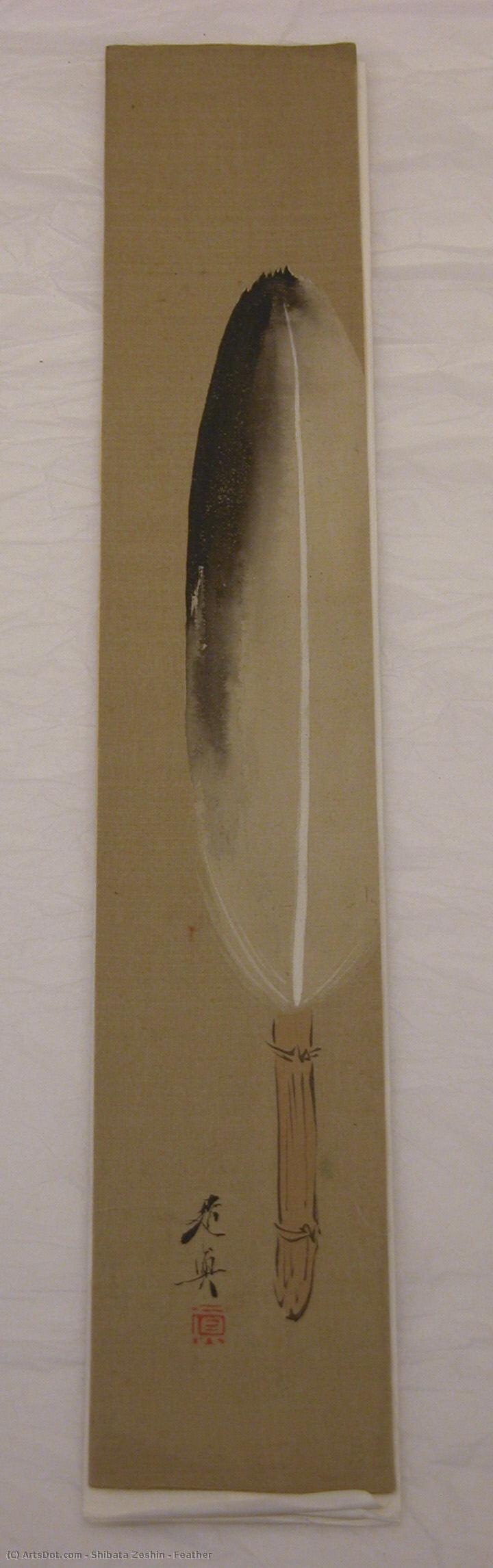
Feather
 801
801 38.0cm x 6.0cm
 Lire la suite
Acquérez une image numérique haute résolution et optimisée, d'une qualité bien supérieure à l'aperçu en ligne.
Chaque fichier est méticuleusement préparé par nos spécialistes internes à l'aide d'outils avancés et d'une retouche manuelle experte. Nous garantissons que chaque image possède une clarté exceptionnelle, une précision des couleurs irréprochable et un niveau de détail fin.
Le fichier final est livré par e-mail sous 72 heures, optimisé pour une utilisation immédiate dans des contextes professionnels, éditoriaux et d'impression. Il offre la même qualité de confiance que celle utilisée par les plus grands studios de création, éditeurs et galeries.
Image numérique
Téléchargez un fichier haute résolution pour votre usage personnel, l'impression et vos projets créatifs. ( Passer au tirage Passer à la peinture faite à la main)
Inclus avec chaque commande d'image numérique
Livraison numérique experte, garantie.
En choisissant ArtsDot.com, vous n'obtenez pas seulement une simple image : vous recevez une œuvre numérique sublimée avec professionnalisme, conçue avec précision et accompagnée d'une garantie de satisfaction. Voici tout ce qui accompagne automatiquement votre commande :

Envoi rapide par e-mail
Votre fichier d'image numérique haute résolution vous sera envoyé par e-mail sous 72 heures après votre commande — prêt à un usage immédiat.

Fichier numérique optimisé par l'IA
Votre œuvre d'art bénéficie d'une optimisation professionnelle grâce à des outils d'IA avancés et une retouche manuelle, garantissant un niveau maximal de détail, de clarté et de fidélité chromatique.

Réexpédition gratuite à vie
Vous avez accidentellement supprimé ou perdu votre fichier ? Pas d'inquiétude — nous vous le renverrons gratuitement, quand vous le souhaitez.

Aucun frais de douane - À jamais
Profitez de votre œuvre d'art instantanément sans frais de douane ni de livraison — les téléchargements numériques sont toujours exonérés de taxes.

Garantie de fidélité des couleurs
Nous garantissons que votre image numérique reproduit les couleurs de l'original aussi fidèlement que possible grâce à des outils professionnels et une gestion rigoureuse des couleurs.

Garantie satisfaction 60 jours
Si vous n'êtes pas satisfait de votre image numérique, nous la retoucherons ou vous rembourserons 100% sous 60 jours — sans poser de questions.

Garantie de remboursement à 100%
Pas satisfait ? Obtenez un remboursement intégral dans les 60 jours suivant la réception de votre fichier numérique — sans aucune question posée.

Remises sur les commandes groupées
Achetez 3 images, économisez 10% - Achetez 5, économisez 15% - Achetez 10+, économisez 20%. Idéal pour les projets créatifs, les galeries et les agences.
Œuvres similaires


Biographie de l'artiste
A Singular Vision: Shibata Zeshin (1807-1891)
Shibata Zeshin stands apart in the annals of Japanese art history—a figure simultaneously lauded as a revolutionary innovator and dismissed as stubbornly traditional. Born in Edo (modern Tokyo) in 1807, he descended from a lineage steeped in craftsmanship; his grandfather was a shrine carpenter, and his father, Ichigoro Shibata, possessed considerable skill as an ukiyo-e painter, having studied under Katsukawa Shunshō—a formative influence that instilled within him the values of meticulous observation and artistic discipline. This early exposure to both woodworking and painting would prove instrumental in shaping Zeshin’s distinctive oeuvre.Early Apprenticeship & Suzuki Nanrei: The Pursuit of Mastery
Zeshin's artistic journey began at a young age with an apprenticeship under Komā Kansai II, a master lacquerer who recognized the importance of foundational skills. Kansai insisted that Zeshin cultivate sketching abilities and experiment with painting techniques—a decision that would propel him toward a path of artistic exploration. This dedication led him to Suzuki Nanrei, a celebrated Shijō school painter who further honed Zeshin’s observational prowess and instilled in him the principles of capturing fleeting moments of beauty. It was during this period that he adopted the name “Reisai,” combining Nanrei's influence with Kansai’s guidance—a symbolic gesture reflecting his commitment to artistic excellence. Reisai, meaning "the truth," encapsulates Zeshin’s unwavering belief in authenticity and meticulous representation – a philosophy that would permeate his entire artistic practice.Zeshin's Artistic Persona: “This Is True” – The Significance of His Name
The moniker “Reisai” wasn’t merely an adopted surname; it carried profound symbolic weight, echoing the ancient Chinese tale of a king who summoned numerous painters before him. While most artists bowed respectfully and adhered to established etiquette, one arrived unkempt and nonchalant—a deliberate rejection of convention—and the king exclaimed: “Voilà un véritable artiste!” This anecdote perfectly embodies Zeshin’s artistic ethos – a refusal to compromise on integrity and an insistence on conveying genuine emotion through his art. He sought not merely to depict beauty but to embody it, mirroring the spiritual ideals prevalent during his lifetime.Innovation Amidst Tradition: Zeshin’s Distinctive Style
Zeshin's artistic style is characterized by a remarkable blend of meticulous realism and subtle expressive nuance. While adhering to established conventions of Sumi-e painting—particularly the depiction of landscapes and animals—he pushed boundaries through his masterful use of *maki-e*, a technique involving applying metallic pigments onto lacquer surfaces. This innovative approach allowed him to imbue his works with shimmering luminescence and textural depth, elevating them beyond mere representation into embodiments of spiritual contemplation. His paintings frequently explored themes of Buddhist serenity and harmony, reflecting the prevailing intellectual currents of the Meiji era. He skillfully blended traditional techniques with daring experimentation—a testament to his artistic genius and a reflection of Japan’s evolving cultural landscape during this transformative period.- Landscapes & Tigers: Capturing Nature’s Essence
- Maki-e Technique: Light & Texture in Japanese Lacquer Art
Major Achievements & Legacy
Zeshin's mastery of *maki-e*, particularly in his monumental waterfall paintings like “Waterfall and Monkeys,” cemented his reputation as a visionary artist. He skillfully manipulated gold leaf and other metallic pigments to create surfaces that seemed to radiate inner light—a technique that would inspire generations of lacquer artists and establish him as a cornerstone of Japanese artistic heritage. His influence extended beyond the realm of lacquer art, impacting broader trends in landscape painting and contributing significantly to Japan’s cultural identity during the Meiji Restoration. Despite criticisms leveled against his perceived conservatism within Japan, Zeshin achieved considerable acclaim in the West, particularly in England and the United States. His works were exhibited internationally, garnering admiration for their aesthetic beauty and technical virtuosity—a testament to his artistic genius and a reflection of the burgeoning interest in Japanese art during the late nineteenth century. Today, Shibata Zeshin’s paintings continue to captivate audiences worldwide, serving as enduring symbols of Japan's artistic tradition and demonstrating the transformative power of blending meticulous observation with innovative technique. His legacy persists as an exemplar of artistic integrity and unwavering devotion to craft—a singular vision that resonates across time and culture.
Shibata Zeshin
1807 - 1891 , Japon
En bref
- Artistic Movement Or Style: Sumi-e; Maki-e
- Artists Who Influenced This Artist:
- Suzuki Nanrei
- Katsukawa Shunshō
- Date Of Birth: 1807
- Date Of Death: 1891
- Full Name: Shibata Zeshin
- Nationality: Japonais
- Notable Artworks:
- Cascades et singes
- Paysages montagneux
- Place Of Birth: Tokyo, Japon

