 Envoyer
 Partager
 Détails de l'œuvre

 Télécharger
 Articles similaires
 Diaporama
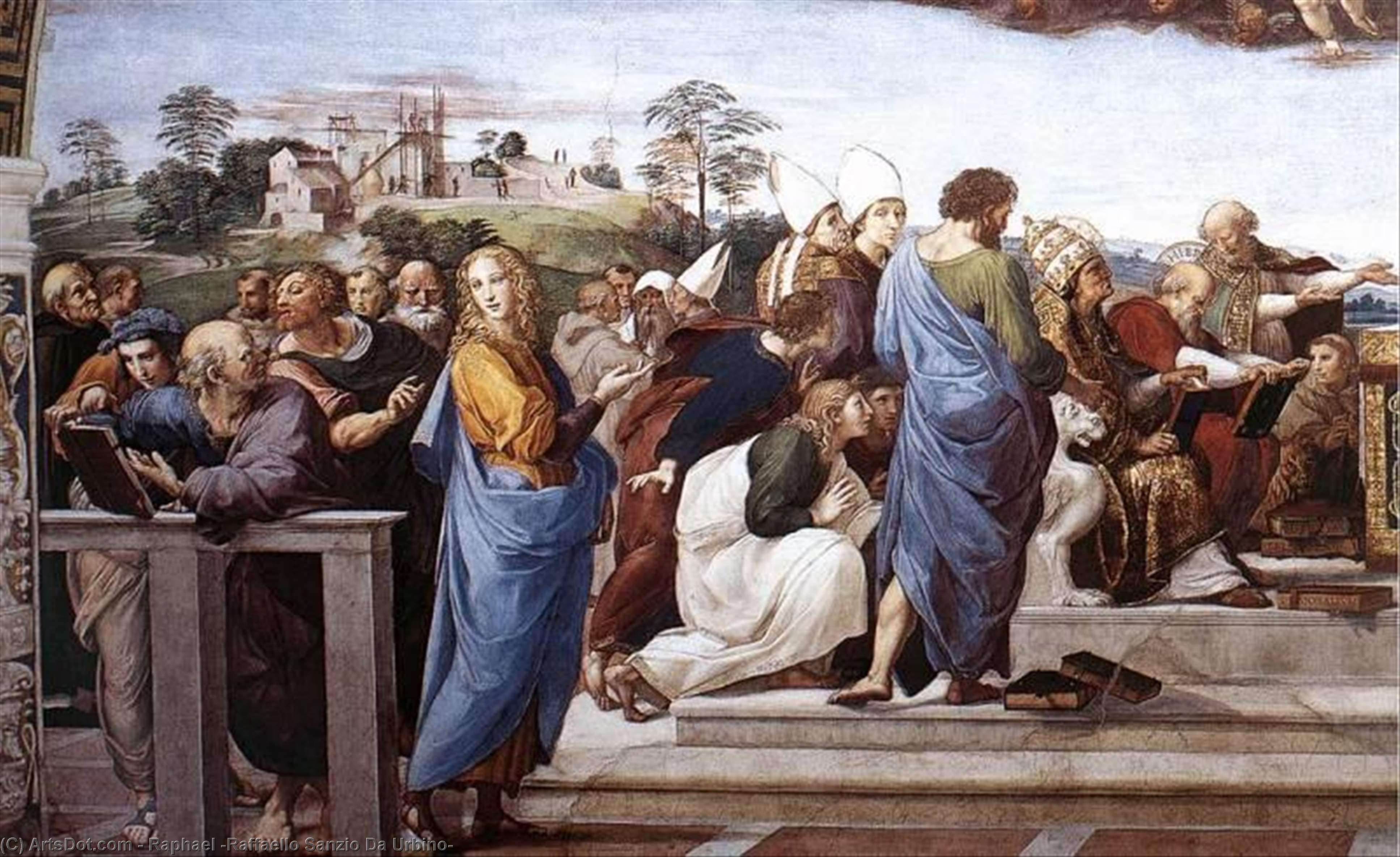
La disputa (detail)92

 Lire la suite
Reproduction à l'huile faite à la main
Huile sur toile peinte à la main, avec cadre et dimensions personnalisés, réalisée sur commande par nos artistes. ( Passer au tirage Passer à l'image)




P118B $10

P118H $10

P118W $10

P438Z $10

P508JH $12

P508YH $12

P805H $10

P805Z $10

P919BZ $10

P919G $10

P919XJ $10

P959ZH $10

P968JZ $12

W106C $8

W218G $10

W218JH $8

W218Y $10

W307PJ $10

W316G $10

W316PJ $8

W316Y $10

W398PJ $8

W4111J $10

W500HY $15

W500JH $15

W692G $12

W849H $8

W940BG $15

W953PJ $8




Choisissez parmi nos formats prédéfinis qui respectent les proportions originales de l’œuvre.

Vous pouvez saisir vos propres dimensions pour l'adapter à un cadre ou à un espace spécifique. Si la taille sélectionnée ne correspond pas aux proportions de l'image d'origine, nous recadrerons l'œuvre ou prolongerons la peinture avec des éléments peints à la main supplémentaires. Une maquette numérique vous sera envoyée pour approbation avant le début de la production.
Veuillez noter que l'aperçu à l'écran ne reflète pas le recadrage ou l'extension réels. Seule la maquette montrera fidèlement la composition finale.
Bien que des tailles personnalisées soient disponibles, nous vous recommandons de sélectionner une dimension dans la liste prédéfinie afin de préserver les proportions d'origine.
Après la commande, l’équipe ArtsDot.com contactera le client par e-mail pour recueillir ses instructions et lui fournira une maquette d’aperçu
Livraison dans le monde entier () en 3 à 4 semaines au lieu des 5 semaines habituelles. (11 août). Aucun compromis sur la qualité.

Livraison express gratuite dans le monde entier

Toile de lin de qualité supérieure

Assurance transport complète

Garantie de remboursement des droits de douane

Garantie de fidélité des couleurs

Politique de retour de 60 jours (uniquement en cas de défaut)

Garantie de remboursement à 100%

Offre de tarifs dégressifs
 L'option verre n'est disponible que pour les dimensions inférieures à 110 cm.

La disputa (detail)92
Technique de reproduction
Format de la reproduction
-


Prix total
$ 263
Description de l'œuvre
La Disputa: A Symphony of Faith and Reason
The *Disputation of the Holy Sacrament*, painted between 1509 and 1510 by Raphael during his tenure decorating the Stanza della Segnatura in Vatican City, stands as a cornerstone of High Renaissance art—a testament to humanist ideals intertwined with profound theological contemplation. Commissioned by Pope Julius II for the papal library, this fresco transcends mere visual representation; it embodies an intellectual dialogue between divine grace and human understanding, meticulously crafted by Raphael’s unparalleled artistic vision.- Subject Matter: The scene depicts a formal debate concerning the Eucharist—the sacrament of Holy Communion—a central pillar of Christian faith. It's not simply a depiction of religious ritual but an exploration of its philosophical implications.
- Style & Composition: Raphael’s masterful use of perspective and balanced symmetry creates a harmonious visual experience, characteristic of Renaissance aesthetics. The fresco is divided into two semicircles—one above the altar representing the Church Triumphant, the other below symbolizing the Church Militant—establishing a dynamic interplay between earthly struggles and heavenly glory.
- Technique: Raphael employed the technique of *fresco*, applying pigment directly onto wet plaster, ensuring remarkable durability and preserving the artwork’s vibrant colors for centuries. The meticulous layering of glaze over underpainting contributes to the luminous quality of the painting, capturing the ethereal glow of divine light.
Historical Context: Renaissance Humanism Meets Papal Patronage
The *Disputation of the Holy Sacrament*, painted between 1509 and 1510 during Raphael’s tenure as papal architect in Rome, stands at the forefront of Michelangelo's artistic legacy. Commissioned by Pope Julius II for the Stanza della Segnatura—one of four opulent rooms decorating the Vatican Palace—the fresco embodies the spirit of Renaissance humanism, a movement that championed reason and observation alongside classical ideals. However, it’s equally rooted in papal patronage, reflecting the Church's ambition to assert its authority and prestige during a period marked by political upheaval and religious reform. Julius II himself was a fervent supporter of humanist scholarship and artistic innovation, recognizing Raphael’s genius as instrumental in elevating the Vatican’s visual splendor. The painting reflects this intellectual fervor through its careful arrangement of figures and symbols—a deliberate effort to communicate theological truths with clarity and grandeur.Subject Matter and Composition
At its core, the Disputation is a profound meditation on divine revelation and Christian theology. Raphael meticulously depicts a scene from scripture: Christ debating Saint Peter about the Eucharist – the sacrament of Holy Communion—before Mary and John the Baptist. This central tableau dominates the composition, framed by an aureole encircling Christ and illuminated by ethereal light, symbolizing God’s omnipresence and grace. The figures are arranged in two semicircles, mirroring the biblical narrative itself, creating a harmonious balance that underscores the importance of theological contemplation. Raphael skillfully employs perspective to convey depth and realism, grounding the celestial realm in earthly reality—a hallmark of Renaissance artistic ambition.Style and Technique
Raphael’s masterful technique exemplifies the ideals of High Renaissance art. Executed between 1509 and 1510 as part of his monumental commission to decorate the Stanza della Segnatura in Vatican City, the fresco demonstrates an unparalleled command of chiaroscuro—the dramatic interplay of light and shadow—creating a palpable sense of atmosphere and conveying emotional intensity. Raphael’s brushstrokes are smooth and delicate, achieving remarkable tonal gradation and capturing subtle nuances of expression. The artist's meticulous attention to detail is evident in every aspect of the painting, from the drapery folds to the facial features, reflecting the humanist fascination with anatomical accuracy and naturalism.Historical Context
The Disputation stands as a cornerstone of Renaissance artistic achievement, situated within the broader intellectual and spiritual currents of its time. Commissioned by Pope Julius II during his ambitious patronage of the arts—a period marked by papal ambition and rivalry—the fresco reflects the humanist conviction that art could illuminate moral truths and elevate the human spirit. Raphael’s work aligns seamlessly with Leonardo da Vinci's and Michelangelo's groundbreaking explorations of perspective, anatomy, and emotion, establishing a triumvirate of artistic geniuses who reshaped Western visual culture. The Stanza della Segnatura itself was conceived as a didactic space intended to inspire contemplation on divine mysteries—a testament to the papal desire to foster piety and intellectual enlightenment.Symbolism and Emotional Impact
Beyond its formal brilliance, the Disputation is laden with symbolic significance. The central tableau depicts the Holy Eucharist—the sacrament of communion—representing Christ’s sacrifice for humanity and embodying the divine Trinity. The figures surrounding Christ embody both earthly and heavenly realms, symbolizing the Church Militant (those actively battling evil) and the Church Triumphant (those victorious in eternal life). Raphael's masterful use of light and color contributes to an atmosphere of solemn grandeur, conveying a profound sense of spiritual reverence. The inclusion of portraits of prominent figures—Bramante, Francesco Maria Della Rovere, Dante—underscores the painting’s engagement with humanist ideals and its celebration of intellectual accomplishment. Ultimately, “La Disputa” transcends mere visual representation; it aspires to evoke contemplation on faith, reason, and the sublime beauty of God's revelation—leaving an indelible impression on viewers who appreciate the artistic legacy of Renaissance Italy.Œuvres similaires


![Stanze Vaticane - La Disputa (detail) [04] — Raphaël, Renaissance](/media/artworks/images/thumbnails/f6/32/f6329bd6bb8847f99363c8080abed822.jpg)


Biographie de l'artiste
**Jeunesse et formation**
Raphaël (Raffaello Sanzio da Urbino), un peintre et architecte italien renommé, est né entre le 28 mars et le 6 avril 1483, dans la petite mais culturellement significative ville d'Urbino. Son père, Giovanni Santi, était peintre de cour du duc, lui offrant une exposition précoce au monde artistique. Après le décès de son père à l’âge de onze ans, Raphaël a vraisemblablement géré l’atelier familial, consolidant ainsi sa base artistique.**Carrière artistique et influences**
Le parcours artistique de Raphaël peut être divisé en trois phases distinctes, chacune marquée par un style unique :- Premières années à Umbrie : caractérisée par l'influence de son père et l'ambiance culturelle d’Urbino.
- Période florentine (1504-1508) : absorbant les traditions artistiques de Florence, qui a considérablement façonné son style.
- Période romaine (1508-1520) : travaillant pour deux papes et leurs associés, produisant certaines de ses œuvres les plus célèbres, notamment l’école des Athènes dans la stanza della segnatura du Vatican.
**Œuvres notables et héritage**
Certaines des œuvres notables de Raphaël comprennent :- Le jugement de Salomon (voir sur ArtsDot)
- La madone d’Esterházy (voir sur ArtsDot)
- Les Stanze Vaticanes - Vue de la stanza della segnatura (voir sur ArtsDot)
- Saint Sébastien (voir sur ArtsDot)
- La femme voilée (voir sur ArtsDot)
**Influence et héritage**
L'influence de Raphaël sur l'art est profonde, avec son œuvre constituant un pilier du grand Siècle. Son style serein et harmonieux a servi de modèle à la peinture néoclassique, comme le note l’historien d’art Johann Joachim Winckelmann. Malgré l'influence ultérieure du style de Michel-Ange, Raphaël reste l'un des artistes les plus vénérés de l'histoire. Voir le profil de Raphaël sur ArtsDot
Raphaël
1483 - 1520 , Italie
L'essentiel de l'artiste
- Artistes Influents:
- Giovanni Santi
- Pietro Perugino
- Date De Décès: 6 avril 1520
- Date De Naissance: 28 mars 1483
- Influences Artistiques: Peinture néoclassique
- Lieu De Naissance: Urbino, Italie
- Mouvement Artistique: Haute Renaissance
- Nationalité: Italienne
- Nom Complet: Raphaël (Raffaello Sanzio)
- Œuvres Notables:
- L'École d'Athènes
- Madone Esterházy
- La Transfiguration
- Les Stanze Vaticanes
Articles connexes

Raphaël : Les 25 Chefs-d'œuvre Incontournables pour une Décoration d'Exception
Plongez dans l'univers de Raphaël avec les 25 œuvres incontournables du maître italien. Découvrez l'histoire, la technique et la beauté intemporelle de ses chefs-d'œuvre Renaissance. Reproductions de qualité muséale sur ArtsDot.com.
La Fresque Familiale : Un Héritage Peint sur les Murs –
Créez une fresque familiale unique et intemporelle ! Découvrez comment immortaliser votre histoire sur vos murs avec . Expertise, qualité & personnalisation garanties.

The Enduring Legacy of Fresco Painting: Techniques, History & Contemporary Relevance
Explore the rich history & enduring artistry of fresco painting – from Giotto to Michelangelo! Discover techniques, conservation efforts, & modern applications. Learn how ArtsDot brings this timeless art form to your home.

The Enduring Legacy of Fresco: Technique, History & Artistic Expression Across Cultures
Explore the rich history & enduring legacy of fresco painting! Discover ancient techniques, Giotto's masterpieces, and modern applications. Expert insights for art lovers & professionals.
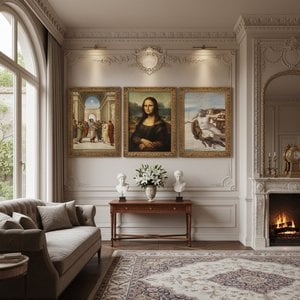
Les 10 Chefs-d'œuvre de la Haute Renaissance : Artistes et Décor d'Exception
Plongez au cœur de la Haute Renaissance avec les 10 chefs-d'œuvre incontournables de Léonard de Vinci, Michel-Ange et Raphaël. Découvrez l'histoire fascinante de ces tableaux emblématiques et trouvez l'inspiration pour une décoration intérieure d'exception sur .