

 Aperçu en situation
 Envoyer
 Partager
 Détails de l'œuvre
 Guide
Guide

 Télécharger l'image
 Articles similaires
 Radiographie
 Diaporama
 Questions et réponses
 Statistiques
Sombre Nude

- 65.0 x 81.0 cm


 Lire la suite
Giclées et impressions d'art
Impressions giclées ou sur toile de qualité musée, avec une production rapide et des finitions au choix. ( Commander la reproduction peinte à la main Passer au format numérique)




P118B €10

P118H €10

P118W €10

P438Z €10

P508JH €12

P508YH €12

P805H €10

P805Z €10

P919BZ €10

P919G €10

P919XJ €10

P959ZH €10

P968JZ €12

W106C €8

W218G €10

W218JH €8

W218Y €10

W307PJ €10

W316G €10

W316PJ €8

W316Y €10

W398PJ €8

W4111J €10

W500HY €15

W500JH €15

W692G €12

W849H €8

W940BG €15

W953PJ €8




Choisissez parmi nos formats prédéfinis qui respectent les proportions originales de l’œuvre.

Saisissez la largeur et la hauteur souhaitées pour qu'elles s'adaptent à votre cadre ou à votre mur. Une impression peut être recadrée, mais jamais agrandie au-delà de l'image originale ; ainsi, un format de forme différente entraînera la perte d'une partie de l'image. Nous vous envoyons une maquette numérique pour approbation avant toute impression. L'image présentée sur cette page ne montre pas le recadrage réel — seule la maquette le permet.
Livraison dans le monde entier () en 2 semaines au lieu des 4/5 semaines habituelles. (4 novembre)

Livraison express gratuite dans le monde entier

Toile de lin de qualité supérieure

Assurance transport complète

Garantie de remboursement des droits de douane

Garantie de fidélité des couleurs

Politique de retour de 100 jours (uniquement en cas de défaut)

Garantie de remboursement à 100%

Offre de tarifs dégressifs
 L'option verre n'est disponible que pour les dimensions inférieures à 110 cm.

Sombre Nude
Giclées et impressions d'art
Format de la reproduction
-


Prix total
€ 56
A Study in Warmth and Intimacy: Pierre Bonnard’s *Sombre Nude*
Pierre Bonnard's Sombre Nude, painted in 1941, offers a poignant glimpse into the artist’s masterful exploration of light, color, and human form. This intimate scene, measuring 65 x 81 cm, transcends mere representation; it is an embodiment of Bonnard’s deeply personal vision, reflecting his evolving approach to capturing fleeting moments of domestic tranquility. The painting depicts a woman seated on the ground, her back turned towards the viewer, enveloped in a warm palette dominated by rich reds and yellows. This deliberate use of color isn't simply decorative; it speaks to Bonnard’s fascination with the effects of light and shadow, particularly as he observed them within his own studio.
- Subject Matter: The nude figure is presented not in a classical, heroic pose but rather in a vulnerable, almost meditative state. This departure from traditional nudes aligns with Bonnard’s broader rejection of academic conventions and his desire to depict the everyday realities of life.
- Color Palette: The dominant reds and yellows evoke a sense of warmth and intimacy, reminiscent of candlelight or the glow of a hearth – elements frequently found in Bonnard's depictions of domestic interiors.
- Composition: The dynamic composition draws the eye to the central figure, while the subtle inclusion of leaves in the upper right corner introduces an element of naturalism, grounding the scene and suggesting a connection to the outside world.
The Nabis Influence and Bonnard’s Artistic Evolution
Painted during a pivotal period in Bonnard's career, *Sombre Nude* reflects his ongoing engagement with the Nabis movement. This group of artists, deeply influenced by Japanese prints and Symbolist ideals, sought to evoke emotion through color and atmosphere rather than strict realism. The Nabis’ emphasis on subjective experience is clearly evident here – Bonnard isn’t simply painting a woman; he's conveying a mood, an impression, a feeling of quiet contemplation. His earlier work in caricature provided him with a keen eye for detail and observation, skills that he skillfully employed to create this evocative image. The subtle distortions of form and the emphasis on color contribute to the painting’s dreamlike quality.
Historical Context: The painting was created in 1941, during the tumultuous years of World War II. This period undoubtedly influenced Bonnard's work, adding a layer of melancholy and introspection to his art. The war served as a backdrop for many artists’ reflections on mortality and the fragility of human existence.Technique and Materiality: A Masterclass in Impressionism
Bonnard’s technique is characterized by loose brushstrokes, layered color washes, and a deliberate avoidance of sharp outlines. He employed a glazing method – applying thin layers of transparent paint over one another – to build up depth and luminosity. This meticulous process allowed him to capture the subtle nuances of light and shadow with remarkable precision. The use of thick impasto in certain areas adds textural richness, further enhancing the painting’s tactile quality. The canvas itself is a crucial element; Bonnard's skillful manipulation of surface texture contributes significantly to the overall effect.
Symbolism and Emotional Resonance
*Sombre Nude* resonates with a profound sense of quiet solitude and introspection. The woman’s averted gaze invites the viewer into her private world, prompting contemplation about themes of vulnerability, beauty, and the passage of time. The warm color palette contributes to this emotional impact, creating an atmosphere of serenity and melancholy. This painting is not merely a depiction of a nude figure; it's a meditation on the human condition, rendered with Bonnard’s signature sensitivity and artistic brilliance.
Questions et réponses
Quel format d'impression pour «Sombre Nude» de Pierre Bonnard convient à la pièce recommandée ?
Pour une Living Room, nous suggérons un format d'impression de Large pour « Sombre Nude ».
Quelle tonalité émotionnelle accompagne le style Nabis Nabis de « Sombre Nude » ?
«Sombre Nude» dégage une tonalité émotionnelle Melancholic au sein du mouvement Nabis Nabis.
Pour quelle pièce «Sombre Nude» de Pierre Bonnard est-il recommandé ?
«Sombre Nude» de Pierre Bonnard est recommandé pour une Living Room. Cette suggestion s'appuie sur le sujet, les couleurs et l'atmosphère de l'œuvre.
Œuvres similaires


Biographie de l'artiste
Premières années et formation
Pierre Bonnard, né à Fontenay-aux-Roses le 3 octobre 1867, a grandi dans un environnement privilégié grâce à la position de son père au sein du ministère de la Guerre. Son enfance fut marquée par une alternance entre Fontenay-aux-Roses et la propriété familiale du Grand-Lemps en Isère. Il manifeste très tôt des talents pour le dessin et l'aquarelle, ainsi qu’un penchant pour les caricatures. Malgré les aspirations de son père à ce qu'il suive une carrière dans la fonction publique, Bonnard choisit de se consacrer à l'art. Il étudie le droit pour satisfaire sa famille, mais s'inscrit également à l'Académie Julian où il rencontre des artistes qui deviendront ses amis et collaborateurs, tels que Paul Sérusier, Maurice Denis et Édouard Vuillard.L’influence des Nabis et les premières œuvres
Au début des années 1890, Bonnard s'engage dans le mouvement des Nabis (le mot hébreu signifiant "prophètes"), un groupe d'artistes avant-gardistes qui cherchaient à renouveler la peinture. Influencé par l’art japonais et les estampes, il explore une esthétique décorative et stylisée. Ses premières œuvres, comme « Femme au carnet » (1890), témoignent de cette influence japonaise et d'une recherche de simplification des formes et de couleurs vives. Il participe activement aux expositions du Salon des Indépendants et collabore avec la revue *La Revue Blanche*, illustrant ses pages avec Vuillard, contribuant ainsi à diffuser les idées novatrices du groupe.L’intimisme et les scènes domestiques
À partir du tournant du siècle, Bonnard se consacre principalement aux scènes intimes de la vie quotidienne. Il préfère peindre d'après mémoire plutôt que sur le motif, ce qui confère à ses œuvres une atmosphère onirique et personnelle. Ses tableaux représentent souvent sa femme, Marthe de Meligny, ainsi que des moments simples comme les repas, les bains ou les promenades dans le jardin. Cette focalisation sur l’intimité et la vie domestique lui vaut d'être qualifié d'"intimist". Il utilise une palette chromatique riche et vibrante pour traduire ses émotions et créer une ambiance particulière.Évolution du style et reconnaissance tardive
Au fil des années, le style de Bonnard évolue vers une plus grande liberté dans l’utilisation de la couleur et une simplification progressive des formes. Il s'installe à Vernonnet en 1912, où il découvre un paysage luxuriant qui devient une source d'inspiration constante. Son amitié avec Claude Monet, son voisin, influence sa perception de la lumière et de la nature. Bien que reconnu par quelques critiques dès le début de sa carrière, Bonnard connaît une reconnaissance plus large dans les années 1920. Il continue à peindre jusqu’à la fin de sa vie, laissant derrière lui un œuvre considérable qui témoigne d'une sensibilité unique et d'un talent exceptionnel pour capturer l'essence de l'intimité et de la beauté du quotidien. Il décède le 23 janvier 1947 à Le Cannet, laissant une rétrospective posthume organisée par le Museum of Modern Art à New York en 1948.Héritage et importance historique
Pierre Bonnard est aujourd'hui considéré comme l’un des maîtres du Post-Impressionnisme et un précurseur de l'art moderne. Son œuvre, caractérisée par sa palette chromatique audacieuse, son atmosphère intime et sa sensibilité poétique, a influencé de nombreux artistes. Il a su créer un univers pictural unique où la couleur est reine et où les émotions sont subtilement traduites. Son approche personnelle et intuitive de la peinture en fait une figure majeure de l'histoire de l'art du XXe siècle.
Pierre Bonnard
1867 - 1947 , France
L'essentiel de l'artiste
- Artistes Influents:
- Paul Gauguin
- Édouard Vuillard
- Hokusai
- Date De Décès: 23 janvier 1947
- Date De Naissance: 3 octobre 1867
- Influences Artistiques:
- Impressionnisme
- Symbolisme
- Lieu De Naissance: Fontenay-aux-Roses, France
- Mouvement Artistique: Post-Impressionnisme, Nabi
- Nationalité: Française
- Nom Complet: Pierre Bonnard
- Œuvres Notables:
- Femme à la robe à carreaux
- L'Arbre aux amandes en fleurs
Articles connexes

L'Excellence de l'Impression Giclée : Guide Technique pour des Reproductions d'Art de Qualité Musée
Maîtrisez la technique giclée et les encres pigmentaires pour vos collections. Découvrez les secrets d'une impression de qualité musée.
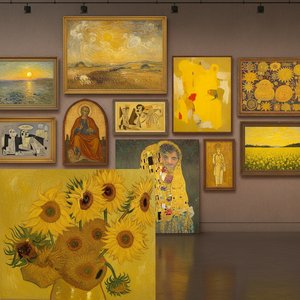
Top 10 des Tableaux Célèbres Dominés par le Jaune Chrome : Art & Décor
Plongez dans le monde vibrant du jaune chrome à travers 10 tableaux célèbres ! Découvrez l'histoire de Van Gogh, Monet et d'autres maîtres impressionnistes. Trouvez l'inspiration déco et achetez des reproductions d'art de qualité muséale sur ArtsDot.com.
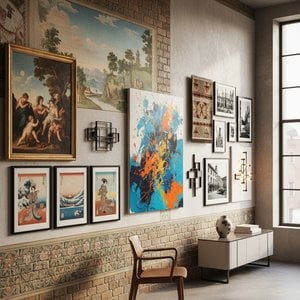
Transforming Spaces: A Comprehensive Exploration of Wall Decor Through Art History & Contemporary Practice
Explore the art of transforming spaces with our comprehensive guide to wall decor. From historical movements to contemporary trends, discover how to curate impactful interiors and commission bespoke artwork for a truly personalized aesthetic.

L'explosion de couleur : les 25 chefs-d'œuvre incontournables d'Henri Matisse
Explorez les 25 chefs-d'œuvre du Fauvisme d'Henri Matisse. Découvrez ces icônes de la couleur sur ArtsDot.com.
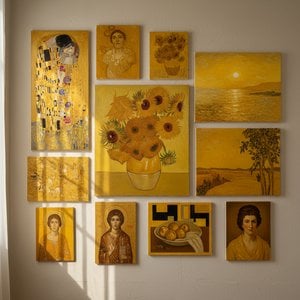
Top 10 des Tableaux Célèbres Dominés par l'Ocre Jaune : Art & Décor Intemporel
Plongez dans la magie de l'ocre jaune à travers 10 tableaux célèbres ! Découvrez les histoires, techniques et émotions derrière ces chefs-d'œuvre d'artistes comme Van Gogh & Monet. Inspirez votre décoration intérieure avec – reproductions de qualité musée.


