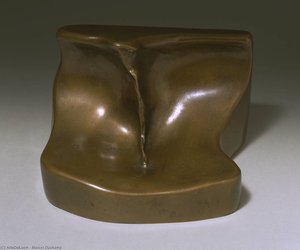
Aperçu en situation
 Envoyer
 Partager
 Détails de l'œuvre

 Télécharger
 Articles similaires
 Radiographie
 Diaporama
Chauvel


 Lire la suite
Giclées et impressions d'art
Impressions giclées ou sur toile de qualité musée, avec une production rapide et des finitions au choix. ( Commander la reproduction peinte à la main Télécharger l'image haute résolution)




P118B $10

P118H $10

P118W $10

P438Z $10

P508JH $12

P508YH $12

P805H $10

P805Z $10

P919BZ $10

P919G $10

P919XJ $10

P959ZH $10

P968JZ $12

W106C $8

W218G $10

W218JH $8

W218Y $10

W307PJ $10

W316G $10

W316PJ $8

W316Y $10

W398PJ $8

W4111J $10

W500HY $15

W500JH $15

W692G $12

W849H $8

W940BG $15

W953PJ $8




Choisissez parmi nos formats prédéfinis qui respectent les proportions originales de l’œuvre.

Vous pouvez saisir vos propres dimensions pour vous adapter à un cadre ou à un espace spécifique. Si la taille sélectionnée ne correspond pas aux proportions de l'image originale, nous recadrerons l'œuvre ou étendrons l'image avec une bordure en miroir ou une couleur unie. Une maquette numérique vous sera envoyée pour approbation avant le début de la production.
Veuillez noter que l'aperçu à l'écran ne reflète pas le recadrage ou l'extension réelle. Seule la maquette montrera avec précision la composition finale.
Bien que des tailles personnalisées soient disponibles, nous vous recommandons de choisir une dimension dans la liste prédéfinie afin de préserver les proportions originales.
Livraison dans le monde entier () en 2 semaines au lieu des 4/5 semaines habituelles. (13 août)

Livraison express gratuite dans le monde entier

Toile de lin de qualité supérieure

Assurance transport complète

Garantie de remboursement des droits de douane

Garantie de fidélité des couleurs

Politique de retour de 60 jours (uniquement en cas de défaut)

Garantie de remboursement à 100%

Offre de tarifs dégressifs
 L'option verre n'est disponible que pour les dimensions inférieures à 110 cm.

Chauvel
Giclées et impressions d'art
Format de la reproduction
-


Prix total
$ 62
Description de la pièce
A Portrait of Quiet Rebellion: Marcel Duchamp’s Chauvel
Marcel Duchamp's "Chauvel," completed in 1910, stands as an emblem of Dadaist defiance and a pivotal moment in the evolution of portraiture. More than simply depicting a man—Henri Chauvel, a French actor—the painting embodies Duchamp’s radical reimagining of artistic conventions and his unwavering commitment to questioning established hierarchies within the art world. It's a work that continues to fascinate scholars and inspire artists alike, prompting ongoing debate about its significance and enduring power. ### Fauvist Style and Bold Color Palette The canvas is dominated by a vibrant Fauvist palette—a stylistic movement championed by André Derain and Maurice Vlaminck—characterized by unrestrained use of color divorced from naturalistic representation. Duchamp eschewed the muted tones favored by Impressionism, opting instead for hues that pulsate with energy: fiery reds, intense yellows, and deep blues dominate the background, creating a dramatic contrast against Chauvel’s pale complexion. This deliberate departure from tradition wasn't merely aesthetic; it served as a symbolic assertion of artistic freedom—a refusal to conform to accepted standards of beauty and visual accuracy. The bold colors convey an emotional intensity that transcends mere observation, inviting viewers into Chauvel’s inner world. ### Assemblage Technique: Challenging Artistic Boundaries Duchamp employed an assemblage technique—assembling disparate materials onto a canvas—marking a decisive break from traditional painting methods. He utilized a photograph of Chauvel as his primary source material, juxtaposing it with a meticulously crafted wooden panel overlaid with a thin layer of varnish. This unconventional approach deliberately undermined the notion of artistic originality, prompting Duchamp to famously declare that he had merely “brought together objects chosen at random.” By elevating commonplace materials—the photograph and the wood—to the level of art, Duchamp challenged the very definition of creativity and questioned whether an artist’s role was to faithfully reproduce reality or to actively transform it. ### Historical Context: Dada's Critique of Modernity “Chauvel” emerged during the tumultuous years of Dadaism—a nihilistic artistic movement born in Zurich in 1916—which reacted against the perceived horrors of World War I and the pervasive optimism of bourgeois culture. Dadaists rejected logic, reason, and aesthetic conventions altogether, embracing absurdity, chance, and provocation as guiding principles. Duchamp’s work aligns perfectly with Dada's ethos, serving as a scathing indictment of societal values and artistic pretensions. The painting embodies the movement’s desire to dismantle established hierarchies and expose the hypocrisy inherent in cultural institutions—a legacy that resonates powerfully even today. ### Emotional Resonance: A Portrait Beyond Representation Despite its formal innovations and intellectual provocations, “Chauvel” possesses an undeniable emotional resonance. Chauvel's gaze—direct yet enigmatic—captures a moment of quiet contemplation amidst the vibrant chaos of color. The painting invites viewers to consider not just what they see but also what lies beneath the surface—a subtle suggestion that art can transcend mere visual representation and communicate profound psychological truths. Duchamp’s masterful manipulation of color and texture contributes to this emotional impact, creating an image that lingers in the mind long after viewing—a testament to his enduring genius as a painter and thinker.Œuvres similaires


Biographie de l'artiste
jeune vie et débuts artistiques
marcel duchamp, peintre, sculpteur, joueur d'échecs et écrivain français-américain, est né le 28 juillet 1887 à Blainville-Crevon, en Normandie, France. Sa famille, connue pour ses inclinations culturelles, a encouragé son intérêt précoce pour l’art. Le parcours artistique de Duchamp a commencé avec des styles post-impressionnistes, expérimentant avec les techniques et les sujets classiques.évolution artistique et œuvres notables
- L'œuvre de marcel duchamp est associée au cubisme, à l’art conceptuel et au dadaïsme, bien qu'il soit prudent quant à son utilisation du terme dada.
- L'une de ses œuvres les plus célèbres, Fountain (1917), un urinoir signé « r. mutt », est un exemple de ses ready-mades, remettant en question la notion de ce qui constitue l’art.
- Portrait de joueurs d'échecs (1911), une œuvre cubiste, met en évidence son intérêt pour le jeu et ses aspects stratégiques.
- To be looked at (from the other side of the glass) with one eye, close to, for almost an hour (1945) est une autre œuvre notable, reflétant ses inclinations dadaïstes.
influence et héritage
L'impact de Duchamp sur l’art du XXe siècle est immense. Il, avec Pablo Picasso et Henri Matisse, a défini les arts plastiques au début du XXe siècle. Son approche conceptuelle de l’art a influencé des générations d’artistes.- Explorez davantage les œuvres de Duchamp sur ArtsDot : Marcel Duchamp | œuvres
- Découvrez le Musée Ohara d'art, au Japon, qui présente des collections d’art occidental, dont certaines influencées par le style de Duchamp : Musée Ohara d'art, Japon
- Apprenez-en davantage sur le lettrisme, un mouvement influencé par le dadaïsme et le surréalisme, dans lequel Duchamp participait : Mouvement artistique du lettrisme
conclusion
L’approche énigmatique de l’art de Marcel Duchamp, combinant des éléments conceptuels et dadaïstes, a laissé une marque indélébile sur le monde de l’art. Son héritage continue d'inspirer les artistes et d'influencer le développement de l’art moderne et contemporain. Franck Scurti, artiste français connu pour son art conceptuel, suit les traces de cet artiste pionnier.
Marcel Duchamp
1887 - 1968 , France
L'essentiel de l'artiste
- Artistes Influencés: ['Franck Scurti']
- Date De Décès: 2 octobre 1968
- Date De Naissance: 28 juillet 1887
- Influence:
- Pablo Picasso
- Henri Matisse
- Lieu De Naissance: Blainville-sur-Mer, France
- Mouvement Artistique:
- Cubisme
- Dadaïsme
- Art conceptuel
- Nationalité: Français-Américain
- Nom Complet: Marcel Duchamp
- Oeuvres Notables:
- Fontaine
- Portrait de joueurs d'échecs
- La Grande Verrière
- Boîte-en-valise
Articles connexes
Marcel Duchamp: Challenging Conventions & Redefining Art in the 20th Century
Explore the revolutionary art of Marcel Duchamp! Discover how his Dadaist readymades challenged artistic conventions & redefined modern art. A deep dive into 'Fountain', conceptual shifts, and his lasting impact.
Les 10 Chefs-d'œuvre Fauves qui ont Révolutionné l'Art Moderne |
Plongez au cœur du Fauvisme avec ! Découvrez les 10 chefs-d'œuvre de Matisse, Derain et Vlaminck qui ont révolutionné l'art. Couleurs vives, émotion pure : trouvez votre reproduction idéale pour une décoration intérieure unique. Explorez la collection sur
Les 10 Chefs-d'œuvre Fauves : Couleurs Émotionnelles et Décor d'Art Intemporel
Plongez au cœur du Fauvisme avec les 10 œuvres majeures de Matisse, Derain et Vlaminck. Découvrez l'histoire, la technique et l'impact émotionnel de ces chefs-d’œuvre colorés. Reproductions d'art exceptionnelles sur ArtsDot.com.

La Bête Sauvage Déchaînée : Couleurs et Formes Révolutionnaires du Fauvisme
Explorez le Fauvisme avec ArtsDot : découvrez l'histoire, les artistes clés (Matisse, Derain) et l'impact révolutionnaire de ce mouvement pictural. Guide d'achat et collection.

Marcel Dyf: A Study in Belgian Surrealist Landscape and the Poetics of Memory
Explore the captivating landscapes of Marcel Dyf (1899-1985). Discover his Impressionist roots, subtle Surrealism, and enduring legacy. Learn about his life, art, and value with ArtsDot.