


 Aperçu en situation
 Envoyer
 Partager
 Détails de l'œuvre

 Télécharger
 Articles similaires
 Radiographie
 Diaporama
Melancholy
 Oil On Canvas
- WallArt
- Renaissance Master
 1532
1532 97.0 x 51.0 cm
 Galerie Nationale de Danemark
 Lire la suite
Giclées et impressions d'art
Impressions giclées ou sur toile de qualité musée, avec une production rapide et des finitions au choix. ( Commander la reproduction peinte à la main Télécharger l'image haute résolution)




P118B $10

P118H $10

P118W $10

P438Z $10

P508JH $12

P508YH $12

P805H $10

P805Z $10

P919BZ $10

P919G $10

P919XJ $10

P959ZH $10

P968JZ $12

W106C $8

W218G $10

W218JH $8

W218Y $10

W307PJ $10

W316G $10

W316PJ $8

W316Y $10

W398PJ $8

W4111J $10

W500HY $15

W500JH $15

W692G $12

W849H $8

W940BG $15

W953PJ $8




Choisissez parmi nos formats prédéfinis qui respectent les proportions originales de l’œuvre.

Vous pouvez saisir vos propres dimensions pour vous adapter à un cadre ou à un espace spécifique. Si la taille sélectionnée ne correspond pas aux proportions de l'image originale, nous recadrerons l'œuvre ou étendrons l'image avec une bordure en miroir ou une couleur unie. Une maquette numérique vous sera envoyée pour approbation avant le début de la production.
Veuillez noter que l'aperçu à l'écran ne reflète pas le recadrage ou l'extension réelle. Seule la maquette montrera avec précision la composition finale.
Bien que des tailles personnalisées soient disponibles, nous vous recommandons de choisir une dimension dans la liste prédéfinie afin de préserver les proportions originales.
Livraison dans le monde entier () en 2 semaines au lieu des 4/5 semaines habituelles. (14 août)

Livraison express gratuite dans le monde entier

Toile de lin de qualité supérieure

Assurance transport complète

Garantie de remboursement des droits de douane

Garantie de fidélité des couleurs

Politique de retour de 60 jours (uniquement en cas de défaut)

Garantie de remboursement à 100%

Offre de tarifs dégressifs
 L'option verre n'est disponible que pour les dimensions inférieures à 110 cm.

Melancholy
Giclées et impressions d'art
Format de la reproduction
-


Prix total
$ 62
Description de la pièce
A Portrait of Uncertainty: Decoding Melancholy by Lucas Cranach the Elder
The painting “Melancholia” by Lucas Cranach the Elder, completed in 1532, remains an enduring enigma within the canon of Renaissance art. More than just a depiction of a woman and two infants—though undeniably beautiful in its meticulous detail—it’s a profound meditation on themes of contemplation, mortality, and the elusive nature of human experience. Situated within SMK’s collection, originating from Gottorf Castle, this artwork embodies the spirit of its time – a period marked by religious reformation and intellectual ferment, where artists wrestled with questions of faith and reason.- Style & Technique: Cranach's masterful handling of oil paint on panel is immediately striking. He employs a technique characterized by crisp contours and luminous planes of color—a deliberate departure from the softer, more atmospheric styles prevalent at the time. The artist’s meticulous attention to detail extends beyond mere representation; he achieves an almost photographic realism, capturing subtle nuances in skin tone and drapery folds. This precision is balanced by a disconcerting element: a stylized visual language reminiscent of graphic novels—a stylistic choice that anticipates developments in modern art centuries later.
- Historical Context: The painting emerged during the turbulent years following Martin Luther’s challenge to papal authority, shaping the artistic landscape of Saxony. Cranach's patronage by Frederick III reflects the Electors ambition to cultivate a court renowned for its erudition and artistic excellence. However, “Melancholia” transcends its immediate historical setting; it speaks to universal anxieties about human vulnerability and the inescapable awareness of death.
- Symbolism & Imagery: The composition itself is laden with symbolic significance. Three nude infants—representing innocence and potential—are positioned before a woman seated on the ground, gazing intently at a stick she’s using to carve a hoop. This gesture embodies contemplation and artistic creation—a deliberate allusion to Cranach's own role as a sculptor and designer. The surrounding landscape is rendered in muted tones, mirroring the melancholic mood of the scene. Birds circling overhead symbolize fleeting beauty and the inevitability of loss.
- Emotional Impact: “Melancholia” isn’t merely aesthetically pleasing; it compels viewers to confront uncomfortable truths about human existence. The woman's gaze—filled with sorrowful introspection—suggests a profound awareness of mortality, mirroring the anxieties prevalent during the Reformation era. Cranach skillfully evokes a feeling of quiet despair, prompting contemplation on themes of solitude and the fragility of life.
- Curator’s Perspective: As curator Eva de la Fuente Pedersen eloquently describes, “This is an artist who resonates with our time. His style is very clearly painted, with crisp contours and clear, bright planes of colour, and there is something cartoonish about the visual language, like a graphic novel.” Indeed, Cranach's innovative approach to artistic expression continues to fascinate audiences today—a testament to his enduring legacy as one of the Renaissance’s most perceptive and unsettling visionaries.
Œuvres similaires


Biographie de l'artiste
Première vie et formation
Lucas Cranach l’Ancien, peintre et graveur allemand de la Renaissance, est né vers 1472 à Kronach, en Franconie supérieure. Sa date exacte de naissance reste inconnue. Il apprit l’art du dessin auprès de son père, Hans Maler, et développa ses compétences sous l'influence des maîtres allemands du sud.Carrière et réalisations
Lucas Cranach l’Ancien attira l’attention de Friedrich III, électeur de Saxe, également connu sous le nom de Frédéric le Sage. En 1504, il devint peintre de cour des électeurs de Saxe à Wittenberg, fonction qu'il occupa pendant la majeure partie de sa carrière.- Il est surtout connu pour ses portraits de princes allemands et des figures clés de la Réforme protestante, dont Martin Luther.
- Cranach peignit également des sujets religieux, initialement dans la tradition catholique, puis explorant de nouvelles façons d'exprimer les préoccupations religieuses luthériennes à travers son art.
- Son atelier produisit de nombreuses œuvres, dont des versions continuées par son fils Lucas Cranach le Jeune et d'autres artistes, même après sa mort.
Œuvres notables et collaborations
Parmi les œuvres les plus importantes de Lucas Cranach l’Ancien figurent :- La chasse à l’orignal, portrait de l’électeur Friedrich le Sage (1529), un chef-d'œuvre illustrant son talent pour capturer l'essence du style de la Renaissance du Nord.
- Autoportrait, une représentation saisissante de l'artiste lui-même, mettant en valeur sa maîtrise de la lumière et de l’ombre.
- L’annonciation à Joachim (1516-18), une scène empreinte d’une joie spirituelle, actuellement au musée des beaux-arts de Budapest.
Influence et héritage
Lucas Cranach l’Ancien a laissé un héritage marquant grâce à ses contributions significatives au mouvement artistique de la Renaissance allemande. En tant que figure emblématique de la Renaissance du Nord, son œuvre continue d'inspirer les artistes et les amateurs d'art aujourd'hui. Note importante : Pour plus d’informations sur la vie et l’œuvre de Lucas Cranach l’Ancien, visitez [https://ArtsDot.com](https://ArtsDot.com) ou consultez la page Wikipédia consacrée à Maximilien Ier, empereur du Saint-Empire romain germanique, qui mentionne brièvement ses interactions avec Cranach.
Lucas Cranach l'Ancien
1472 - 1553 , Allemagne
L'essentiel de l'artiste
- Artistic Movement Or Style: Renaissance allemande
- Date Of Birth: 1472
- Date Of Death: 1553
- Full Name: Lucas Cranach l'Ancien
- Nationality: Allemand
- Notable Artworks:
- Christian II du Danemark
- Adam et Ève
- Place Of Birth (City And Country): Kronach, Allemagne
Articles connexes

The Enduring Legacy of Oil on Canvas: Technique, History & Aesthetic Impact
Explore the rich history & techniques of oil painting – from Renaissance masters to Impressionism. Discover pigments, layering methods, and why this timeless medium endures. Expert insights for artists & art enthusiasts.

L'Huile sur Toile : Exploration Historique et Technique d'un Médium Artistique Intemporel
Explorez l'histoire fascinante de la peinture à l'huile, des techniques ancestrales aux maîtres flamands comme Van Eyck. Découvrez les secrets des pigments, liants et glacis pour comprendre cet art intemporel.

The Enduring Power of Painting: A Historical & Contemporary Exploration of Form and Emotion
Explore the rich history & enduring techniques of oil painting with ArtsDot. Discover masterpieces, learn about art collecting, and find authentic handmade reproductions crafted by skilled artists.

L'héritage durable de la peinture à l'huile : technique, histoire et pratique contemporaine
Explorez l'histoire fascinante de la peinture à l'huile, des techniques ancestrales aux pratiques contemporaines. Découvrez les maîtres, apprenez et trouvez votre œuvre d'art idéale chez .
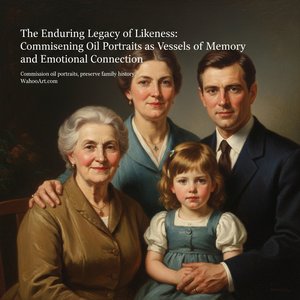
L'Héritage Durable du Portrait : Immortaliser les Êtres Chers à Travers l'Art de la Peinture à l'Huile
Découvrez l'art du portrait à l'huile : histoire, techniques et conseils d'experts pour immortaliser vos proches. Reproductions de qualité & commandes personnalisées sur ArtsDot.com.



