


 Aperçu en situation
 Partager
 Partager
 Détails
 Guide
Guide

 Télécharger
 Articles similaires
 Radiographie
 Voir le diaporama
 Statistiques
1700 ² landscape
 Painting
- Contemporary Art
 2014
2014- Contemporary
 200.0 x 200.0 cm
 La Fondation Ramzi et Saeda Dalloul pour l’Art
 Afficher la suite
Reproduction à l'huile faite à la main
Huile sur toile peinte à la main, avec cadre et dimensions personnalisés, réalisée sur commande par nos artistes. ( Passer au format impression Passer au format image numérique)




































Choisissez parmi nos formats prédéfinis qui respectent les proportions originales de l’œuvre.

Vous pouvez saisir vos propres dimensions pour l'adapter à un cadre ou à un espace spécifique. Si la taille sélectionnée ne correspond pas aux proportions de l'image d'origine, nous recadrerons l'œuvre ou prolongerons la peinture avec des éléments peints à la main supplémentaires. Une maquette numérique vous sera envoyée pour approbation avant le début de la production.
Veuillez noter que l'aperçu à l'écran ne reflète pas le recadrage ou l'extension réels. Seule la maquette montrera fidèlement la composition finale.
Bien que des tailles personnalisées soient disponibles, nous vous recommandons de sélectionner une dimension dans la liste prédéfinie afin de préserver les proportions d'origine.
Après la commande, l’équipe ArtsDot.com contactera le client par e-mail pour recueillir ses instructions et lui fournira une maquette d’aperçu
Livraison dans le monde entier () en 3 à 4 semaines au lieu des 5 semaines habituelles. (24 septembre). Aucun compromis sur la qualité.

Livraison express gratuite dans le monde entier

Toile de lin de haute qualité

Assurance transport complète

Garantie de remboursement des droits de douane

Garantie de fidélité des couleurs

Garantie de retour de 100 jours (uniquement en cas de défaut)

Garantie de remboursement à 100%

Tarifs dégressifs sur quantité
 L'option verre n'est disponible que pour les dimensions inférieures à 110 cm.

1700 ² landscape
Technique de reproduction
Format de la reproduction
-


Prix total final
$ 263
A Radiant Vision: The Luminous Energy of 1700 ² landscape
In the captivating realm of contemporary Iraqi art, Hanaa Malallah stands as a profound voice, weaving the textures of history and the echoes of conflict into a visual language that is both deeply personal and universally resonant. Her work, "1700 ² landscape," serves as a breathtaking testament to this ability, offering a vibrant departure from the somber tones often associated with her signature "Ruins Technique." This expansive 200 x 200 cm masterpiece envelops the viewer in a sea of intense, saturated crimson, creating an immediate and visceral emotional connection. At the heart of this fiery expanse sits a celestial sun, rendered in brilliant shades of yellow and white, acting as a spiritual anchor that radiates light across the entire canvas.
The composition is a masterful dance of color and form, where the boundaries between landscape and abstraction begin to blur. Scattered throughout the deep red field are delicate floral elements, their presence suggesting a resilient life force blooming amidst a sea of heat. Small, enigmatic circles are interspersed across the surface, adding a layer of rhythmic complexity that invites the eye to wander and discover hidden depths. This interplay of light and shadow, of solid form and ethereal glow, creates a sense of movement that makes the painting feel alive, as if the canvas itself is breathing with the warmth of a summer noon.
Symbolism and the Artist's Soul
To understand "1700 ² landscape," one must consider Malallah’s profound connection to her Iraqi heritage. While much of her oeuvre grapples with the physical and psychological debris of war, this particular piece feels like an exploration of endurance and rebirth. The sun, a universal symbol of life, truth, and clarity, emerges from the red expanse not as a conqueror, but as a source of nourishment. The choice of a dominant red palette—a color often associated with both passion and struggle—provides a powerful backdrop for this solar triumph. It suggests that even within the most intense or turbulent environments, there exists a core of unyielding light.
The technique employed here, while maintaining the artist's characteristic attention to texture, leans into a more decorative and atmospheric style. The way the colors bleed and blend creates an almost hypnotic effect, drawing the collector into a meditative state. For the discerning art lover, this piece offers more than just visual beauty; it offers a narrative of resilience. It is a landscape not of earth and stone, but of emotion and spirit, where the "landscape" is the internal terrain of hope surviving amidst the heat of existence.
An Essential Addition to Sophisticated Interiors
For interior designers and collectors of fine art reproductions, "1700 ² landscape" presents a magnificent opportunity to introduce a commanding focal point into a curated space. Its immense scale and bold, warm color palette make it an ideal centerpiece for grand living rooms, contemporary galleries, or high-end hotel lobbies. The painting possesses a unique ability to transform the atmosphere of a room, injecting it with energy, warmth, and a sense of profound cultural depth.
When selecting a hand-painted reproduction of such a significant work, one is not merely acquiring a decorative object, but a piece of contemporary history. This artwork complements modern minimalist decors by providing a necessary burst of organic color, yet it also holds its own within more traditional or eclectic settings due to its complex symbolic layers. It is an investment in emotion and aesthetic excellence, offering a window into the brilliant mind of Hanaa Malallah and a permanent glow of inspiration for any sophisticated interior.
Œuvres similaires


![Champ De Blé Au Lever Du Soleil [1889] — Vincent Willem Van Gogh, Post-impressionnisme](/media/artworks/images-thumb/77/71/7771a95906cf1b4b7935dd57ec0448e9.jpg)


Biographie de l'artiste
Early Life and Artistic Formation
Hanaa Malallah (born 1958) is an Iraqi artist celebrated for her innovative ‘Ruins Technique’ – incorporating found objects to reflect Iraq’s rich heritage & the impact of conflict. Her formative years were steeped in the artistic traditions of Iraq, particularly those stemming from the Abbasid Caliphate and Ottoman rule, fostering a deep appreciation for history and symbolism that would profoundly shape her distinctive visual language. Born in Nasiriyah, Malallah moved to Baghdad with her family at the age of five, experiencing firsthand the turbulent political landscape of modern Iraqi history – revolutions and conflicts punctuating her childhood. This exposure instilled within her an unwavering commitment to documenting and interpreting these experiences through art. Her early artistic training centered around the Institute of Fine Arts in Baghdad where she studied under Shakir Hassan Al Said, gaining invaluable insight into both traditional Iraqi aesthetics and contemporary artistic methodologies. Notably, she honed her skills in embroidery alongside her mother, developing a meticulous attention to detail that would later become integral to her groundbreaking Ruins Technique.The Ruins Technique: A Synthesis of Tradition and Innovation
Malallah’s artistic breakthrough arrived with the development of what has come to be known as the ‘Ruins Technique.’ This revolutionary approach distinguishes itself from conventional painting by deliberately integrating found objects – fragments of urban decay, weathered stone, rusted metal – into her canvases. Rather than concealing these materials beneath layers of paint, Malallah actively embraces them as symbols of time, memory, and resilience—a deliberate echo of Iraq’s layered past. Influenced by the monumental ruins of Ur and Babylon, sites revered for their connection to Mesopotamian civilization, she seeks to capture not merely visual representations but also the intangible essence of history itself. This technique represents a significant departure from prevailing artistic trends, prioritizing materiality and conceptual depth over purely decorative considerations. It’s a conscious effort to confront the legacy of conflict while simultaneously honoring Iraq's enduring cultural heritage. She believes that art should bear witness to profound experiences—the joys and sorrows of human existence—and strives to convey these emotions through her distinctive visual vocabulary.Influences and Artistic Inspirations
Malallah’s artistic vision draws heavily from the aesthetic currents of the Abbasid period, characterized by opulent palaces adorned with intricate mosaics and calligraphy—a testament to intellectual and artistic flourishing under Islamic rule. The influence of this era is palpable in her use of geometric patterns and symbolic imagery, reflecting a preoccupation with order and harmony amidst chaos. Furthermore, she acknowledges the impact of the Safavid period art movement – a fusion of Persian traditions with Ottoman influences – on her stylistic sensibilities. Vibrant colors and elaborate ornamentation are hallmarks of Safavid art, mirroring Malallah’s desire to convey emotion and dynamism through her compositions. The artist's engagement with these historical precedents underscores her belief that artistic expression transcends temporal boundaries, drawing upon universal themes of beauty, contemplation, and cultural identity.Notable Achievements and Recognition
Hanaa Malallah’s work has garnered international acclaim, securing prominent positions in collections at institutions such as the Metropolitan Museum of Art in New York, the British Museum in London, Mathaf Arab Museum of Modern Art in Doha, Centre for Arts in Baghdad, Jordan National Gallery of Fine Arts in Amman and Barjeel Art Foundation in Dubai. Her solo exhibitions have showcased her distinctive Ruins Technique and explored themes of memory, loss, and transformation—capturing the complexities of Iraqi experience with remarkable sensitivity and artistic prowess. She has lectured extensively at universities across Iraq and internationally, disseminating her theoretical insights into art practice and fostering dialogue about cultural heritage and contemporary artistic expression. Malallah’s commitment to educating future generations of artists underscores her conviction that creativity serves as a vital conduit for understanding and shaping the human condition.
Hanaa Malallah
1958 - , Irak
En bref
- Artistic Movement Or Style: Ruins Technique
- Artists Who Influenced This Artist: ['Shakir Hassan Al Said']
- Date Of Birth: 1958
- Full Name: Hanaa Malallah
- Nationality: Iraqi
- Notable Artworks:
- Baghdad Old City Maze
- 1700 ² landscape
- Place Of Birth: Najaf, Irak
Articles similaires
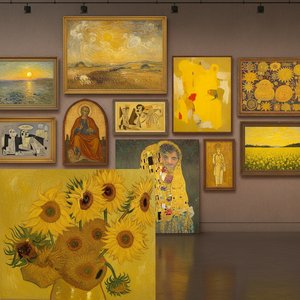
Top 10 des Tableaux Célèbres Dominés par le Jaune Chrome : Art & Décor
Plongez dans le monde vibrant du jaune chrome à travers 10 tableaux célèbres ! Découvrez l'histoire de Van Gogh, Monet et d'autres maîtres impressionnistes. Trouvez l'inspiration déco et achetez des reproductions d'art de qualité muséale sur ArtsDot.com.
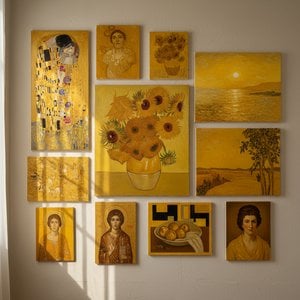
Top 10 des Tableaux Célèbres Dominés par l'Ocre Jaune : Art & Décor Intemporel
Plongez dans la magie de l'ocre jaune à travers 10 tableaux célèbres ! Découvrez les histoires, techniques et émotions derrière ces chefs-d'œuvre d'artistes comme Van Gogh & Monet. Inspirez votre décoration intérieure avec – reproductions de qualité musée.
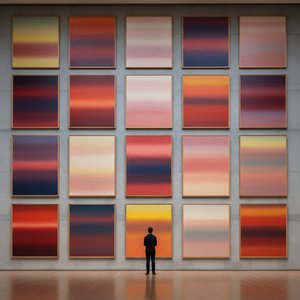
Mark Rothko : Les 25 Œuvres Maîtresses de l'Abstraction Coloriste | ArtsDot
Plongez dans l'univers émotionnel de Mark Rothko avec les 25 œuvres clés du maître de l'abstraction. Découvrez l'histoire, la technique et le pouvoir des couleurs de ces tableaux iconiques. Reproductions d'art de qualité musée sur ArtsDot.com

The Golden Hue: Exploring Symbolism & Emotion in Yellow Art
Explore the rich symbolism & emotional power of yellow in art history! From Van Gogh to Kandinsky, discover how artists used this vibrant hue. Expert analysis & high-quality reproductions at ArtsDot.

Crimson Threads of Narrative: Exploring Symbolism & Representation in Artworks Featuring the Red Dress
Explore the rich symbolism of the red dress in art history! From ancient power displays to iconic portraits like Cézanne’s 'Madame Cezanne', discover the cultural and artistic significance behind this captivating color. Expert analysis & insights.