Aperçu en situation
 Partager
 Partager
 Détails
 Guide
Guide

 Télécharger
 Articles similaires
 Radiographie
 Voir le diaporama
 Statistiques
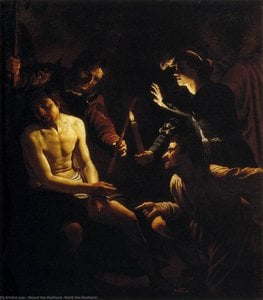
Susanna and the Elders


 Afficher la suite
Giclées et impressions d'art
Impressions giclées ou sur toile de qualité musée, avec une production rapide et des finitions au choix. ( Acheter la peinture faite à la main Passer au format image numérique)




P118B $10

P118H $10

P118W $10

P438Z $10

P508JH $12

P508YH $12

P805H $10

P805Z $10

P919BZ $10

P919G $10

P919XJ $10

P959ZH $10

P968JZ $12

W106C $8

W218G $10

W218JH $8

W218Y $10

W307PJ $10

W316G $10

W316PJ $8

W316Y $10

W398PJ $8

W4111J $10

W500HY $15

W500JH $15

W692G $12

W849H $8

W940BG $15

W953PJ $8




Choisissez parmi nos formats prédéfinis qui respectent les proportions originales de l’œuvre.

Vous pouvez saisir vos propres dimensions pour vous adapter à un cadre ou à un espace spécifique. Si la taille sélectionnée ne correspond pas aux proportions de l'image originale, nous recadrerons l'œuvre ou étendrons l'image avec une bordure en miroir ou une couleur unie. Une maquette numérique vous sera envoyée pour approbation avant le début de la production.
Veuillez noter que l'aperçu à l'écran ne reflète pas le recadrage ou l'extension réelle. Seule la maquette montrera avec précision la composition finale.
Bien que des tailles personnalisées soient disponibles, nous vous recommandons de choisir une dimension dans la liste prédéfinie afin de préserver les proportions originales.
Livraison dans le monde entier () en 2 semaines au lieu des 4/5 semaines habituelles. (25 septembre)

Livraison express gratuite dans le monde entier

Toile de lin de haute qualité

Assurance transport complète

Garantie de remboursement des droits de douane

Garantie de fidélité des couleurs

Garantie de retour de 100 jours (uniquement en cas de défaut)

Garantie de remboursement à 100%

Tarifs dégressifs sur quantité
 L'option verre n'est disponible que pour les dimensions inférieures à 110 cm.

Susanna and the Elders
Giclées et impressions d'art
Format de la reproduction
-


Prix total final
$ 62
A Masterpiece of Dramatic Light and Shadow: Gerard van Honthorst’s Susanna and the Elders
Gerard van Honthorst emerged from Utrecht in 1592, a pivotal figure poised to illuminate the Dutch Golden Age with his dramatic artistry. Initially guided by his father, a decorative painter, young Gerard’s talent blossomed under the tutelage of Abraham Bloemaert, establishing a solid foundation in draftsmanship and composition. However, it was a transformative journey to Rome that irrevocably altered the course of his artistic development. There, amidst the fervent energy of the Italian Baroque, he encountered the groundbreaking work of Caravaggio – an encounter that would define his signature style and earn him the evocative nickname “Gherardo delle Notti,” or Gerard of the Nights. The dramatic use of tenebrism, a technique employing stark contrasts between light and dark, became Honthorst’s hallmark, imbuing his canvases with a palpable sense of drama and emotional intensity. He wasn't merely imitating Caravaggi; he absorbed Caravaggio’s revolutionary approach to portraying human emotion and psychological complexity, adapting it to the conventions of Dutch portraiture. This fusion resulted in an unparalleled ability to capture fleeting expressions and convey profound narratives within meticulously crafted compositions.- Subject Matter: The painting depicts a biblical episode – Susanna and the Elders – recounting the tale of a woman falsely accused of adultery by two men who attempted to seduce her.
- Style: Honthorst’s work firmly resides within the Baroque style, characterized by grandeur, theatricality, and an emphasis on emotional impact.
- Technique: He skillfully employed tenebrism, Caravaggio's signature technique, creating a dramatic chiaroscuro effect that highlights key figures and amplifies the tension of the scene. The meticulous layering of paint—particularly in capturing skin tones and drapery folds—demonstrates exceptional draughtsmanship.
Historical Context: Rome and the Influence of Caravaggio
Honthorst’s formative years in Rome were instrumental in shaping his artistic vision. Witnessing Caravaggio's revolutionary approach to painting – prioritizing realism, emotional intensity, and dramatic lighting – profoundly impacted him. Caravaggio shattered traditional conventions by rejecting idealized depictions and favoring unflinching portrayals of human experience, capturing moments of vulnerability and psychological struggle with unprecedented honesty. Honthorst embraced this ethos, adapting Caravaggio’s techniques to the Dutch aesthetic while retaining his own distinctive flair for theatrical presentation. This encounter cemented his reputation as “Gherardo delle Notti,” reflecting his mastery of manipulating light and shadow to evoke powerful emotions in the viewer.- Caravaggio's Impact: Honthorst’s artistic sensibilities were fundamentally altered by Caravaggio’s rejection of idealized beauty and embrace of dramatic realism.
- Roman Patronage: Cardinal Scipione Borghese, a prominent patron of the arts, commissioned numerous works from Honthorst during his Roman period, furthering his artistic development and establishing him as a leading figure in the Baroque movement.
Symbolism and Emotional Resonance
The painting transcends its biblical narrative to explore themes of innocence versus corruption, vulnerability versus deceit, and moral fortitude against manipulative pressure. Susanna’s unwavering refusal to succumb to temptation embodies virtue and resilience—a powerful message conveyed through Honthorst's masterful use of light and shadow. The Elders’ attempts to seduce Susanna represent the dangers of lust and ambition, highlighting the importance of ethical conduct. Furthermore, the dramatic composition itself contributes to the emotional impact of the artwork, drawing viewers into the scene and eliciting contemplation on themes of justice and righteousness. Honthorst's ability to convey complex psychological states through subtle gestures and facial expressions underscores his artistic genius.Legacy and Reproduction
Gerard van Honthorst’s “Susanna and the Elders” remains a celebrated masterpiece, admired for its technical brilliance and profound emotional depth. Reproductions of this iconic artwork offer collectors and interior designers alike an opportunity to experience the grandeur and drama of Baroque painting in their homes. ArtsDot.com presents high-quality reproductions that faithfully capture the original’s luminous palette and intricate detail—allowing admirers worldwide to appreciate the enduring beauty and artistic significance of Honthorst's seminal work.Œuvres similaires


Biographie de l'artiste
Première jeunesse et formation
Gérard van Honthorst, peintre néerlandais important de l'âge d'or néerlandais, est né le 4 novembre 1590 à Utrecht. Il était le fils d’un peintre décorateur et a initialement été formé sous la direction de son père. Plus tard, il a poursuivi sa formation artistique sous Abraham Bloemaert.Carrière et influences
La carrière précoce de van Honthorst a impliqué une visite à Rome, où il a été fortement influencé par le style de Caravage. Cette influence se manifeste dans ses œuvres ultérieures, en particulier dans son utilisation de scènes éclairées artificiellement, ce qui lui a valu le surnom de « Gherardo delle Notti » ou « Gérard des nuits ». À son retour aux Pays-Bas, van Honthorst est devenu un peintre portraitiste de premier plan.Commandes notables et mécénat
Le travail de van Honthorst était très demandé, avec des mécènes notables tels que Vincenzo Giustiniani, qui l’a chargé de peindre « Christ devant le grand prêtre », exposé à la National Gallery de Londres. Il a également travaillé pour Cosme II de Médicis, grand-duc de Toscane, et était un favori auprès de la République néerlandaise et à l’étranger.Héritage et vie ultérieure
En 1620, van Honthorst est retourné à Utrecht, où il a bâti une réputation considérable. En 1623, année de son mariage, il était devenu président de la guilde Saint-Luc d’Utrecht. Son succès a conduit à des recommandations par Sir Dudley Carleton pour l'Earl of Arundel et Lord Dorchester.Œuvres clés et collaborations
- La prise du Christ, une œuvre collaborative initialement attribuée à van Honthorst, aujourd'hui reconnue comme l’œuvre d’un autre artiste.
- Christ devant le grand prêtre, commandée par Vincenzo Giustiniani, met en valeur la capacité de van Honthorst à capturer des scènes éclairées artificiellement.
- Des collaborations avec d’autres artistes, tels que Peter Paul Rubens, démontrent son influence sur le style baroque flamand.
Mouvement artistique et style
Van Honthorst faisait partie du mouvement des Utrecht Caravaggistes, caractérisé par l’utilisation d’un éclairage dramatique et d’une profondeur émotionnelle intense. Son travail reflète l’influence de la baroque italienne, tout en contribuant au développement de l'âge d'or néerlandais. Principaux liens :
Gérard van Honthorst
1590 - 1656 , Pays-Bas
En bref
- Artistic Movement Or Style: Caravagisme d'Utrecht, Baroque
- Artists Or Movements Influenced By This Artist:
- Rembrandt van Rijn
- Georges de la Tour
- Artists Who Influenced This Artist:
- Caravage
- Abraham Bloemaert
- Date Of Birth: 4 novembre 1590
- Date Of Death: 27 avril 1656
- Full Name: Gérard van Honthorst
- Nationality: Néerlandais
- Notable Artworks:
- Christ avant le grand prêtre
- La Prise du Christ
- Place Of Birth (City And Country): Utrecht, Pays-Bas
Articles similaires
Cornelis van Poelenburch: Bridging Mannerism & the Dutch Baroque Landscape
Discover Cornelis van Poelenburch, a pivotal Dutch Baroque landscape painter bridging Mannerism & Italianate styles. Explore his life, key works, and lasting influence on 17th-century art with ArtsDot.

Rembrandt van Rijn : Les 25 Œuvres Maîtresses à Redécouvrir | ArtsDot
Plongez dans l'univers de Rembrandt van Rijn avec les 25 œuvres incontournables du maître baroque. Découvrez l'histoire, la technique et l'émotion derrière ses portraits célèbres et 'La Ronde de Nuit'. Reproductions tableaux haute qualité sur ArtsDot.com
Gerard van Honthorst: Illuminating the Dutch Golden Age with Caravaggism & Courtly Grace
Explore the captivating world of Gerard van Honthorst, a Dutch Golden Age master renowned for his dramatic chiaroscuro & courtly portraits. Discover his life, art, and lasting influence on Baroque painting.

Les 10 Chefs-d'œuvre du Baroque Néerlandais : Artistes et Décor Intemporels
Plongez au cœur du Baroque néerlandais avec les 10 œuvres incontournables de Rembrandt, Vermeer et autres maîtres hollandais. Découvrez l'histoire, la lumière et les couleurs qui ont façonné ce mouvement artistique. Reproductions d'art de qualité muséale sur ArtsDot.com

Willem van de Velde the Elder: Master of Maritime Painting & Chronicler of the Dutch Golden Age
Discover the captivating maritime paintings of Willem van de Velde the Elder, a master chronicler of the Dutch Golden Age. Explore his unparalleled realism and lasting influence on naval art history.