

 Aperçu en situation
 Envoyer
 Partager
 Détails de l'œuvre

 Télécharger
 Articles similaires
 Radiographie
 Diaporama
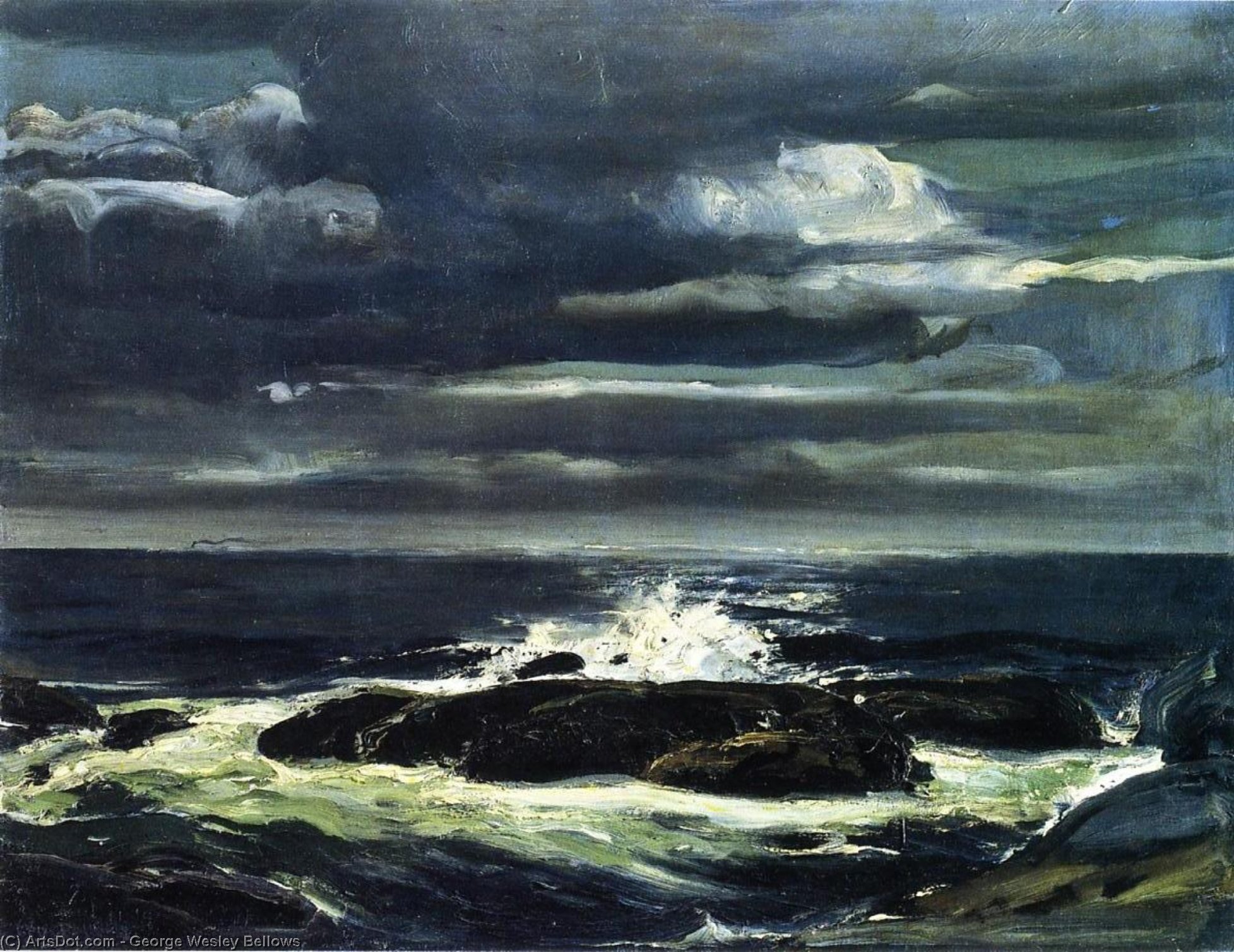
The Sea


 Lire la suite
Giclées et impressions d'art
Impressions giclées ou sur toile de qualité musée, avec une production rapide et des finitions au choix. ( Commander la reproduction peinte à la main Télécharger l'image haute résolution)




P118B $10

P118H $10

P118W $10

P438Z $10

P508JH $12

P508YH $12

P805H $10

P805Z $10

P919BZ $10

P919G $10

P919XJ $10

P959ZH $10

P968JZ $12

W106C $8

W218G $10

W218JH $8

W218Y $10

W307PJ $10

W316G $10

W316PJ $8

W316Y $10

W398PJ $8

W4111J $10

W500HY $15

W500JH $15

W692G $12

W849H $8

W940BG $15

W953PJ $8




Choisissez parmi nos formats prédéfinis qui respectent les proportions originales de l’œuvre.

Vous pouvez saisir vos propres dimensions pour vous adapter à un cadre ou à un espace spécifique. Si la taille sélectionnée ne correspond pas aux proportions de l'image originale, nous recadrerons l'œuvre ou étendrons l'image avec une bordure en miroir ou une couleur unie. Une maquette numérique vous sera envoyée pour approbation avant le début de la production.
Veuillez noter que l'aperçu à l'écran ne reflète pas le recadrage ou l'extension réelle. Seule la maquette montrera avec précision la composition finale.
Bien que des tailles personnalisées soient disponibles, nous vous recommandons de choisir une dimension dans la liste prédéfinie afin de préserver les proportions originales.
Livraison dans le monde entier () en 2 semaines au lieu des 4/5 semaines habituelles. (14 août)

Livraison express gratuite dans le monde entier

Toile de lin de qualité supérieure

Assurance transport complète

Garantie de remboursement des droits de douane

Garantie de fidélité des couleurs

Politique de retour de 60 jours (uniquement en cas de défaut)

Garantie de remboursement à 100%

Offre de tarifs dégressifs
 L'option verre n'est disponible que pour les dimensions inférieures à 110 cm.

The Sea
Giclées et impressions d'art
Format de la reproduction
-


Prix total
$ 62
Description de la pièce
A Dramatic Encounter: The Essence of “The Sea”
George Wesley Bellows’ “The Sea,” painted in 1911, isn't merely a depiction of an ocean scene; it’s a visceral experience. This oil on canvas, now residing within the Hirshhorn Museum and Sculpture Garden in Washington D.C., captures a pivotal moment – the raw, untamed power of nature colliding with the steadfast solidity of land. The painting immediately draws the viewer into a world of turbulent energy: colossal waves relentlessly assault jagged rocks in the foreground, their crests foaming white against a bruised, dramatic sky. Clouds swirl and gather, hinting at an impending storm, while scattered boats – some bravely battling the elements, others seeking refuge – punctuate the scene with a sense of scale and vulnerability.
Bellows, a key figure in the Ashcan School movement, rejected idealized representations of American life. Instead, he embraced the gritty reality of urban existence and the natural world, often portraying them with unflinching honesty. “The Sea” exemplifies this approach; it’s not a romanticized seascape but a potent portrayal of nature's dominance, rendered with an intensity that reflects Bellows’ own dynamic artistic vision.
Bold Brushstrokes and Vibrant Color: The Artist’s Technique
Examining the painting closely reveals Bellows’ distinctive style. He employed bold, expressive brushstrokes – thick, impastoed layers of paint that convey movement and texture with remarkable immediacy. Notice how he uses short, choppy strokes to depict the crashing waves, contrasting them with broader, more fluid marks for the sky. The color palette is equally impactful: deep blues and greens dominate, punctuated by flashes of white foam and the somber grays of the storm clouds. This masterful use of color not only creates a sense of drama but also establishes a strong visual hierarchy, guiding the viewer’s eye through the composition.
Bellows' technique was deeply influenced by his background as an athlete; he sought to capture the dynamism and physicality of movement within his art. This is particularly evident in the way he portrays the waves – they seem to surge forward with unstoppable force, mirroring the energy of a boxer’s punch or a runner’s stride.
Historical Context: The Ashcan School and American Modernism
To fully appreciate “The Sea,” it's crucial to understand its place within the broader context of early 20th-century American art. The Ashcan School, which Bellows was a prominent member of, rejected the academic traditions of the time and focused on depicting everyday life in New York City – often with unflinching realism. Artists like Robert Henri championed this approach, encouraging their students to paint what they saw without idealization or sentimentality.
“The Sea” reflects this spirit of social observation and artistic experimentation. It’s a powerful statement about the relationship between humanity and nature, capturing a moment of intense confrontation that speaks to both the beauty and the danger inherent in the natural world. The painting was created during a period of rapid industrialization and urbanization in America, and Bellows' work served as a counterpoint to the prevailing narratives of progress and prosperity.
Symbolism and Emotional Resonance
Beyond its technical brilliance, “The Sea” is rich in symbolism. The crashing waves can be interpreted as representing the overwhelming forces of nature, while the boats symbolize humanity’s struggle against these forces. The dark, ominous sky suggests uncertainty and impending change. Yet, amidst this turmoil, there's also a sense of resilience – the boats continue to navigate the storm, demonstrating an enduring spirit of determination.
Ultimately, “The Sea” evokes a powerful emotional response in the viewer. It’s a painting that captures not only a specific moment in time but also a fundamental human experience: our relationship with the wild and unpredictable forces of nature. A high-quality reproduction allows you to bring this evocative masterpiece into your home or office, serving as a constant reminder of the beauty and power of the natural world.
Œuvres similaires


Biographie de l'artiste
Premières années et éducation
George Wesley Bellows, figure marquante de l'art américain, est né le 12 ou le 19 août 1882 à Columbus, Ohio. Il était le seul enfant de George Bellows et d’Anna Wilhelmina Smith Bellows. Son enfance fut marquée par une inclination précoce pour l'art, comme en témoignent ses dessins bien avant qu'il ne commence l'école maternelle.Carrière artistique
Le parcours artistique de Bellows a débuté avec des illustrations commerciales avant de le mener vers une carrière de peintre. Il s’est inscrit à l'université de l'Ohio (1901-1904), où il jouait au baseball et au basketball, consolidant ainsi ses talents athlétiques. Cependant, sa véritable passion résidait dans l'art, ce qui l'a poussé à déménager à New York en 1904 pour étudier sous la direction de Robert Henri.- George Wesley Bellows s’est associé au groupe "The Eight" et à l'école Ashcan, plaidant pour la représentation de la société américaine contemporaine.
- En 1906, il a installé un atelier au 1947 Broadway Street, marquant le début de sa carrière prolifique.
- Sa première exposition notable en 1908 présentait des études urbaines, qui, bien que jugées grossièrement peintes par certains critiques, étaient également considérées comme audacieusement audacieuses et innovantes.
Œuvres notables et contributions
Oeuvres clés :- Central Park (Ohio State University Faculty Club, États-Unis, huile sur toile) – un témoignage de son talent pour capturer la vie urbaine.
- The Germans Arrive (1918) – une série de lithographies et de peintures qui dépeignaient graphiquement les atrocités commises par l'Allemagne lors de son invasion de la Belgique.
- Le Museum of Modern Art (New York, Royaume-Uni) – bien qu’il ne présente pas exclusivement ses œuvres, il représente le contexte plus large de l’art moderne dans lequel Bellows a prospéré.
- La New York Public Library – bien qu'elle ne soit pas spécifiquement connue pour abriter ses œuvres, ses collections artistiques et ses programmes reflètent la scène artistique vibrante de la ville qui a influencé sa carrière.
Influences et développement artistique
Bellows a été profondément influencé par Robert Henri, dont l'approche réaliste et son engagement envers le sujet social ont façonné sa propre vision artistique. Il s’est inspiré des œuvres d'Edgar Degas pour ses représentations dynamiques de mouvements et d'action, en particulier dans ses peintures de boxeurs. Son intérêt pour la représentation de la vie urbaine a été alimenté par son expérience personnelle de New York City, où il a observé les foules animées, l’activité industrielle et la diversité sociale qui caractérisaient la ville au début du XXe siècle. Bellows a également exploré des thèmes plus personnels dans ses œuvres, comme le portrait et les scènes de famille, démontrant sa capacité à capturer une large gamme d'émotions et d'expériences humaines.Héritage
George Wesley Bellows est décédé le 8 janvier 1925, mais son héritage en tant que « l’artiste américain le plus acclamé de sa génération » (selon le Columbus Museum of Art) perdure. Ses représentations audacieuses de la vie urbaine à New York continuent d'inspirer et d'influencer l'art contemporain.- Découvrez 'Hommes des Quais' de George Bellows (1912) – une puissante peinture réaliste capturant la saleté industrielle et la résilience humaine de NYC. Explorez les coups de pinceau impressionnistes et le commentaire social dans cette œuvre américaine emblématique.
- Découvrez "Marguerite" de George Wesley Bellows, un portrait captivant de 1919 illustrant la scène artistique new-yorkaise et l'école Ashcan.

George Wesley Bellows
1882 - 1925 , États-Unis d'Amérique
L'essentiel de l'artiste
- Artistes Influents: ['Robert Henri']
- Date De Décès: 8 janvier 1925
- Date De Naissance: 12 ou 19 août 1882
- Lieu De Naissance: Columbus, États-Unis
- Mouvement Artistique: Réalisme américain, Ashcan School
- Nationalité: Américaine
- Nom Complet: George Wesley Bellows
- Œuvres Notables:
- Central Park
- The Germans Arrive
Articles connexes

Georges Braque : Les 25 Œuvres Maîtresses du Cubisme et de la Modernité | ArtsDot
Plongez dans l'univers de Georges Braque avec les 25 œuvres incontournables du cubisme. Découvrez l'histoire, les techniques et l'impact de ce maître de l'art moderne. Reproductions d'art exceptionnelles sur ArtsDot.com.

Georges Seurat : Les 25 Œuvres Maîtresses du Pointillisme | ArtsDot
Plongez dans l'univers lumineux de Georges Seurat ! Découvrez les 25 œuvres majeures du pointillisme, de 'Un dimanche après-midi à l'Île de la Grande Jatte' aux 'Poseuses'. Reproductions d'art exceptionnelles et inspiration déco sur ArtsDot.com.

The Allure of the Horizon: A Comprehensive Exploration of Seascape Art Through History & Emotion
Explore the captivating world of seascape art! Discover its history, key artists & movements – from Dutch Masters to Impressionism. Expert insights for collectors and enthusiasts at ArtsDot.

The Enduring Legacy of Oil on Canvas: Technique, History & Aesthetic Impact
Explore the rich history & techniques of oil painting – from Renaissance masters to Impressionism. Discover pigments, layering methods, and why this timeless medium endures. Expert insights for artists & art enthusiasts.

L'Huile sur Toile : Exploration Historique et Technique d'un Médium Artistique Intemporel
Explorez l'histoire fascinante de la peinture à l'huile, des techniques ancestrales aux maîtres flamands comme Van Eyck. Découvrez les secrets des pigments, liants et glacis pour comprendre cet art intemporel.



