


 Aperçu en situation
 Envoyer
 Partager
 Détails de l'œuvre
 Guide
Guide

 Télécharger l'image
 Articles similaires
 Radiographie
 Diaporama
 Statistiques
Leviathan toy ocean liner
 Contemporary Realism
 1927
1927 47.0 x 106.0 cm
 Lire la suite
Reproduction à l'huile faite à la main
Huile sur toile peinte à la main, avec cadre et dimensions personnalisés, réalisée sur commande par nos artistes. ( Passer au format impression Passer au format numérique)




































Choisissez parmi nos formats prédéfinis qui respectent les proportions originales de l’œuvre.

Saisissez la largeur et la hauteur souhaitées, pour s'adapter à votre cadre ou à votre mur. Cette œuvre est peinte à la main ; ainsi, pour un format de forme différente, l'artiste peut peindre un peu plus autour du tableau ou réduire légèrement les bords — c'est vous qui choisissez. Nous vous envoyons une maquette numérique pour approbation avant que la peinture ne commence. L'image présentée sur cette page ne reflète pas le résultat réel — seule la maquette le fait.
Après la commande, l’équipe ArtsDot.com contactera le client par e-mail pour recueillir ses instructions et lui fournira une maquette d’aperçu
Livraison dans le monde entier () en 3 à 4 semaines au lieu des 5 semaines habituelles. (25 octobre). Aucun compromis sur la qualité.

Livraison express gratuite dans le monde entier

Toile de lin de qualité supérieure

Assurance transport complète

Garantie de remboursement des droits de douane

Garantie de fidélité des couleurs

Politique de retour de 100 jours (uniquement en cas de défaut)

Garantie de remboursement à 100%

Offre de tarifs dégressifs
 L'option verre n'est disponible que pour les dimensions inférieures à 110 cm.

Leviathan toy ocean liner
Technique de reproduction
Format de la reproduction
-


Prix total
€ 231
Questions et réponses
Comment « Leviathan toy ocean liner » s'inscrit-il dans les thèmes et le style de Bing Frères ?
«Leviathan toy ocean liner» partage avec les autres œuvres de Bing Frères son style Contemporary Realism ainsi que ses thèmes récurrents : german toy tradition, ww1 naval history, us shipping line legacy, scale model mastery, post-war symbolism, bing brothers precision, luxury & nostalgia, american industrial art.
L'œuvre « Leviathan toy ocean liner » est-elle plutôt claire ou plutôt sombre dans l'ensemble ?
«Leviathan toy ocean liner» de Bing Frères présente une luminosité de brilliant, avec une luminance de Luminous.
À quel artiste est attribuée l'œuvre "Leviathan toy ocean liner" ?
« Leviathan toy ocean liner » est attribué à Bing Frères.
Œuvres similaires


Biographie de l'artiste
Gebrüder Bing: Masters of Miniature Realism
The Bing brothers, Ignaz and Adolf Bing, stand as an unusual testament to the intersection of toy manufacturing and artistic appreciation in late 19th and early 20th century Germany. Founded in Nuremberg in 1863, their company began humbly producing metal kitchen utensils—a pragmatic start for two ambitious entrepreneurs—but swiftly pivoted towards a passion that would define their legacy: model trains and live steam engines. This decision wasn’t merely opportunistic; it reflected a broader cultural fascination with technological advancement and a commitment to meticulous craftsmanship that profoundly impacted the visual arts.Early Years & The Birth of Miniature Worlds
Initially, Bing Brothers focused on producing high-quality metal goods, establishing themselves as respected artisans within Nuremberg's industrial landscape. However, recognizing the burgeoning interest in railways amongst children and collectors alike, they embarked on a transformative journey into toy production. Their initial models were remarkably detailed, utilizing cast iron and brass with an unwavering dedication to accuracy—a stylistic hallmark that would become synonymous with their brand. This meticulous approach wasn’t simply about replicating trains; it was about embodying the spirit of realism itself – a principle championed by prominent artists of the era. Consider Wilhelm Trübner's “Karl Haberstock,” a depiction of a wagon journey—a scene meticulously rendered to convey the textures and nuances of everyday life. The Bing brothers understood that capturing these subtle details could elevate a simple toy into something truly meaningful, mirroring the ambitions of German painters who sought to portray the world with uncompromising honesty.Influences & Artistic Connections
The Bing brothers' influence extended beyond mere production techniques. Their unwavering focus on detail and realism resonated deeply with artists like Franz Marc, whose canvases captured similar qualities. Marc’s “Hay Wagon” exemplifies a comparable commitment to portraying natural landscapes with palpable immediacy—a deliberate choice to convey the essence of observation and sensory experience. These painters weren’t alone in appreciating Bing Brothers’ dedication; their work found its way into collections at institutions like Kunstsammlungen und Museen Augsburg, demonstrating the enduring impact of German toy design on artistic sensibilities. The stylistic parallels between Bing’s miniature creations and Marc's landscapes underscore a shared belief that beauty could be discovered in both grand vistas and intimate representations of nature—a philosophical underpinning that shaped the artistic landscape of the Belle Époque.Bing’s Unique Manufacturing Method & Its Artistic Resonance
What truly distinguished Bing Brothers was their innovative manufacturing process – dubbed “Nuremberg Style.” This method involved stamping out metal sheets with lithographed designs, forming them into intricate shapes, and assembling components using tabs and slots—a technique that ensured exceptional precision and consistency. This meticulous approach wasn’t just about producing toys efficiently; it mirrored the artistic ethos of German painters who prioritized accuracy and detail in their compositions. Artists like Trübner and Marc sought to capture the essence of their subjects with unwavering fidelity, mirroring Bing Brothers' commitment to reproducing reality with remarkable realism—a shared pursuit that cemented their place as cultural icons of their time.Legacy & Recognition
Gebrüder Bing achieved unparalleled success in the toy industry, becoming globally recognized for producing exceptional model trains and live steam engines. Their creations weren’t merely toys; they were miniature representations of industrial progress—a reflection of Germany's burgeoning technological prowess during the Belle Époque. The company continued its operations until 1932, leaving behind a remarkable archive of designs and models that continue to inspire collectors and historians today. Furthermore, Bing Brothers’ commitment to preserving cultural heritage is evident in their contribution to museums like Kunstsammlungen und Museen Augsburg, where their iconic creations are proudly displayed—a lasting symbol of Nuremberg's artistic spirit. Their enduring popularity speaks volumes about the power of craftsmanship combined with an appreciation for observation and detail – a legacy that continues to captivate audiences worldwide.
Bing Frères
1863 - 1933 , Allemagne
L'essentiel de l'artiste
- Artistic Movement Or Style: Realism
- Artists Or Movements Influenced By This Artist: ['Cubism']
- Artists Who Influenced This Artist:
- Wilhelm Trübner
- Franz Marc
- Date Of Birth: 1863
- Full Name: Ignaz Bing & Adolf Bing
- Nationality: German
- Notable Artworks:
- Steeplecab locomotive
- Leviathan toy ocean liner
- Cotton mill
- Place Of Birth: Nuremberg, Germany
Articles connexes

F.A.Q. : Livraison Gratuite Internationale – Détails et Fiabilité pour les Collectionneurs Exigeants
offre une livraison gratuite internationale sécurisée pour les reproductions de peintures et toiles personnalisées. Découvrez notre garantie qualité, le contrôle à chaque étape et un service client dédié aux collectionneurs exigeants.

The Allure of the Pose: Representations of 'Model' Through Art History
Explore the fascinating history of the 'art model' through centuries of painting! Discover academic techniques, social contexts & the evolving role of models in art. ArtsDot offers custom reproductions and expert consultation.
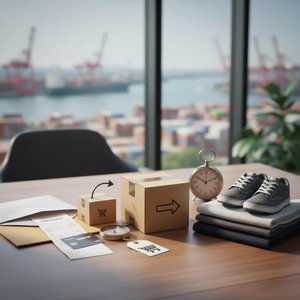
Expédition et retours
APS offre une expédition d'art experte à l'échelle mondiale, avec des soins de niveau musée, un suivi complet et une garantie de remboursement sous 100 jours. Du soutien douanier à la Production Prioritaire, faites confiance à un service transparent, un emballage sécurisé et une livraison fiable pour les collectionneurs, les designers et les galeries.

F.A.Q. : Comment les Frais d'Expédition Sont-ils Calculés pour les Commandes d'Œuvres d'Art ?
Découvrez comment calcule les frais d'expédition de vos œuvres d'art. Livraison sécurisée, assurance premium et gestion douanière experte pour collectionneurs exigeants.

Toile enroulée : Guide expert pour les décorateurs d'intérieur freelance
Guide expert pour les décorateurs freelance : découvrez comment expédier et recevoir des toiles enroulées en toute sécurité. Conseils pratiques, techniques d'emballage et alternatives pour une livraison parfaite.