


 Aperçu en situation
 Envoyer
 Partager
 Détails de l'œuvre

 Télécharger
 Articles similaires
 Radiographie
 Diaporama
 Stats
StatsHunting Picnic
 Oil On Canvas
- WallArt
- Baroque Rococo
 1723
1723 233.0 x 185.0 cm
 Musée d'Art
 Lire la suite
Giclées et impressions d'art
Impressions giclées ou sur toile de qualité musée, avec une production rapide et des finitions au choix. ( Commander la reproduction peinte à la main Switch to Digital Image)




P118B $10

P118H $10

P118W $10

P438Z $10

P508JH $12

P508YH $12

P805H $10

P805Z $10

P919BZ $10

P919G $10

P919XJ $10

P959ZH $10

P968JZ $12

W106C $8

W218G $10

W218JH $8

W218Y $10

W307PJ $10

W316G $10

W316PJ $8

W316Y $10

W398PJ $8

W4111J $10

W500HY $15

W500JH $15

W692G $12

W849H $8

W940BG $15

W953PJ $8




Choisissez parmi nos formats prédéfinis qui respectent les proportions originales de l’œuvre.

Vous pouvez saisir vos propres dimensions pour vous adapter à un cadre ou à un espace spécifique. Si la taille sélectionnée ne correspond pas aux proportions de l'image originale, nous recadrerons l'œuvre ou étendrons l'image avec une bordure en miroir ou une couleur unie. Une maquette numérique vous sera envoyée pour approbation avant le début de la production.
Veuillez noter que l'aperçu à l'écran ne reflète pas le recadrage ou l'extension réelle. Seule la maquette montrera avec précision la composition finale.
Bien que des tailles personnalisées soient disponibles, nous vous recommandons de choisir une dimension dans la liste prédéfinie afin de préserver les proportions originales.
Livraison dans le monde entier () en 2 semaines au lieu des 4/5 semaines habituelles. (8 septembre)

Livraison express gratuite dans le monde entier

Toile de lin de qualité supérieure

Assurance transport complète

Garantie de remboursement des droits de douane

Garantie de fidélité des couleurs

Politique de retour de 100 jours (uniquement en cas de défaut)

Garantie de remboursement à 100%

Offre de tarifs dégressifs
 L'option verre n'est disponible que pour les dimensions inférieures à 110 cm.

Hunting Picnic
Giclées et impressions d'art
Format de la reproduction
-


Prix total
$ 62
A Moment of Leisure: "Hunting Picnic" by François Lemoyne
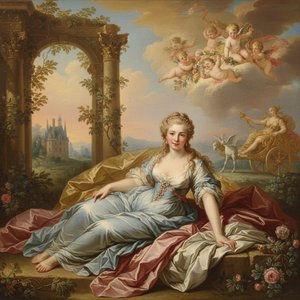
François Lemoyne’s “Hunting Picnic,” painted in 1723, offers a captivating glimpse into the aristocratic leisure activities of 18th-century France – a world where the pursuit of game intertwined seamlessly with refined social gatherings. Measuring an impressive 233 x 185 cm, this oil on canvas work immediately draws the viewer into a scene brimming with vibrant energy and carefully orchestrated detail. The composition centers around a horse-drawn carriage, a symbol of status and mobility, alongside a gentleman in striking red attire – a bold statement against the verdant landscape. This isn’t merely a depiction of hunting; it's an embodiment of Rococo ideals: a celebration of beauty, pleasure, and the cultivated life.
- Subject Matter: The painting portrays a hunting picnic, showcasing a group of individuals enjoying the fruits of their pursuit amidst a picturesque rural setting.
- Key Figures: A prominent gentleman in red dominates the foreground, likely representing the host or a key participant in the hunt, while other figures are scattered throughout the scene, adding to the sense of social interaction and activity.
- Animal Presence: Two horses are prominently featured – one near the center, suggesting the immediate aftermath of the hunt, and another on the right, possibly accompanying the hunters or serving as a companion. A dog is also present, reinforcing the theme of companionship and skill.
Rococo Grandeur and Lemoyne’s Vision
François Lemoyne was a pivotal figure in the revival of large-scale allegorical painting during the Rococo period. Influenced by the legacy of Charles Le Brun, he sought to recapture the grandeur and intellectual depth of classical art while embracing the distinctive characteristics of the Rococo style – characterized by its emphasis on elegance, frivolity, and emotional expression. “Hunting Picnic” exemplifies this ambition; it’s not simply a charming pastoral scene but a carefully constructed tableau designed to evoke feelings of pleasure, sophistication, and aristocratic privilege. Lemoyne's meticulous attention to detail, evident in the rendering of fabrics, textures, and facial expressions, demonstrates his mastery of technique and his commitment to creating works that were both visually stunning and intellectually stimulating.
Historical Context: The painting reflects the tastes of the French aristocracy during the reign of Louis XV, a period marked by lavish spending, elaborate social rituals, and a passion for outdoor pursuits. Hunting was not just a sport but a symbol of status and power, and picnics offered an opportunity to display wealth and cultivate relationships.Technique and Artistic Style
Lemoyne’s brushwork is remarkably fluid and expressive, contributing significantly to the painting's lively atmosphere. He employs a technique known as *alla prima*, meaning “at first sight,” which involves applying paint directly to the canvas in relatively thin layers, allowing for quick changes of tone and texture. This approach results in a sense of immediacy and spontaneity that captures the dynamism of the scene. The use of color is particularly noteworthy – rich greens, blues, and reds create a vibrant palette that enhances the painting’s visual impact. The artist's skillful handling of light and shadow further adds to the depth and realism of the composition.
Symbolism and Emotional Impact
"Hunting Picnic" transcends a simple depiction of leisure; it is laden with symbolic meaning. The red clothing worn by the central figure, for example, could represent passion, courage, or even royalty. The horses symbolize strength and nobility, while the overall scene evokes a sense of harmony between humanity and nature. The painting’s emotional impact lies in its ability to transport the viewer to another time and place – a world of refined pleasure, social connection, and the beauty of the French countryside. This artwork is a testament to Lemoyne's artistic skill and his understanding of the cultural values of his era.
Œuvres similaires


Biographie de l'artiste
François Lemoyne : Une Vie au Service de la Peinture Rococo
- Né: Paris, France (1688)
- Décédé: 1737
François Lemoyne fut un peintre rocaille français éminent du début et du milieu du XVIIIe siècle. Il est reconnu pour ses plafonds allégoriques grandioses et ses scènes mythologiques, contribuant de manière significative au paysage artistique du règne de Louis XV. Bien qu'il soit souvent éclipsé par des contemporains tels que Boucher et Watteau, Lemoyne cherchait à s'établir comme l'héritier de Charles Le Brun, une figure de proue de l'histoire de l'art français.
Jeunesse et Formation
- Apprentissage: Lemoyne étudia initialement sous la direction de Robert le Vrac, son beau-père.
- Académie Royale: Il suivit une formation formelle à l'Académie Royale de peinture et de sculpture à partir de 1701, étudiant avec Louis Galloche puis recevant les conseils de Pierre-Jacques Cazes. L’influence de Cazes est particulièrement notée dans l’utilisation de la couleur par Lemoyne.
- Prix de Rome: En 1711, il réalisa une étape importante en remportant le Prix de Rome, un prix qui accordait généralement un voyage en Italie pour étudier l'art. Cependant, des contraintes financières l'ont empêché de profiter immédiatement de cette opportunité.
Développement Artistique et Influences
- Influence Italienne: Son voyage éventuel en Italie en 1723/24, accompagné de François Berger, s’avéra crucial. Il étudia les œuvres de Raphaël, du Corrège et de Titien, absorbant les techniques et l'esthétique artistiques italiennes.
- Impact de Rubens: Une forte influence sur Lemoyne fut l'œuvre de Pierre Paul Rubens, particulièrement évidente dans son utilisation vibrante de la couleur et ses compositions dynamiques.
- École Vénitienne: L’exposition à la peinture vénitienne, notamment au sein de la collection de Pierre Crozat, façonna davantage son style artistique.
- Style Rocaille: Bien qu'influencé par des maîtres antérieurs, l'œuvre de Lemoyne appartenait fermement à la période rococo, caractérisée par l’élégance, l’ornementation et un accent sur la beauté décorative.
Œuvres Majeures et Réalisations
- Plafonds Fresques: Lemoyne est surtout connu pour ses plafonds fresques monumentaux, notamment L'Apothéose d'Hercule au Salon d’Hercule du Palais de Versailles. Cette œuvre démontra sa maîtrise des techniques illusionnistes et fut largement saluée par les contemporains, dont Voltaire et le Cardinal Fleury.
- Peintures Religieuses: Il créa également des œuvres religieuses importantes, telles que La Transfiguration dans le chœur de l'église du Jacobin (aujourd’hui église paroissiale Saint-Thomas d’Aquin) à Paris.
- Premier Peintre du Roi: En 1736, Lemoyne atteignit le sommet de sa carrière en étant nommé Premier peintre du roi sous Louis XV.
Signification Historique et Héritage
François Lemoyne a joué un rôle essentiel dans la formation de la peinture rocaille française. Son ambition était de raviver la tradition des plafonds allégoriques à grande échelle, qui étaient tombés en désuétude. Bien que sa carrière ait été tragiquement interrompue par son suicide en 1737, son œuvre a laissé un impact durable sur les générations d'artistes suivantes.
- Influence sur les Élèves: Lemoyne servit de tuteur à des artistes éminents tels que Charles-Joseph Natoire et François Boucher, transmettant ses connaissances artistiques et influençant leur développement.
- Déclin de la Peinture de Plafond: Sa mort marqua la fin d'une époque, coïncidant avec le déclin de la popularité des grandes peintures allégoriques sur plafond.
- Reconnaissance Aujourd’hui: Bien qu'il ne soit peut-être pas aussi largement reconnu que certains de ses contemporains, les contributions de Lemoyne à l'art rocaille français sont de plus en plus appréciées pour son habileté technique et son ambition artistique.

François Lemoyne
1688 - 1737 , France
L'essentiel de l'artiste
- Artistes Influents:
- Charles Le Brun
- Rubens
- Date De Décès: 1737
- Date De Naissance: 1688
- Influence Sur Les Artistes:
- François Boucher
- Charles-Joseph Natoire
- Lieu De Naissance: Paris, France
- Mouvement Artistique: Rococo
- Nationalité: Français
- Nom Complet: François Lemoyne
- Oeuvres Notables:
- L'Apothéose d'Hercule
- La Transfiguration
Articles connexes
François Boucher: Rococo Master of Myth, Sensuality, and the French Court
Explore the captivating world of François Boucher, master of Rococo painting! Discover his iconic works, aristocratic patronage, and lasting influence on French art history. Learn more at ArtsDot.

Les 10 Chefs-d'Œuvre du Rococo : Artistes, Histoire & Décor Intérieur
Plongez dans l'univers raffiné du Rococo avec les 10 chefs-d'œuvre de Fragonard, Boucher & Watteau. Découvrez l'histoire, les techniques et la magie de ce mouvement artistique. Reproductions tableaux de qualité muséale sur .

L'Esthétique Rococo : Opulence, Rébellion et la Quête du Plaisir au XVIIIe Siècle
Explorez l'esthétique rococo : opulence, rébellion et quête du plaisir au XVIIIe siècle. Découvrez les maîtres (Watteau, Boucher, Fragonard) et l'influence durable de ce style artistique raffiné. Analyse approfondie & reproductions d'exception.

The Enduring Legacy of Fine Art Prints: Technique, History & Aesthetic Impact
Explore the rich history & techniques of fine art prints. Discover investment potential, assess authenticity, and learn how to preserve your collection with expert guidance. Trusted insights for discerning collectors.

Giclée Prints: Archival Quality & Aesthetic Nuances for the Discerning Collector
Explore the world of giclée prints with ArtsDot. Learn about archival quality, aesthetic nuances & investment potential. Expert guidance for discerning art collectors seeking museum-quality reproductions and lasting value.

