

 Aperçu en situation
 Envoyer
 Partager
 Détails de l'œuvre

 Télécharger
 Articles similaires
 Radiographie
 Diaporama
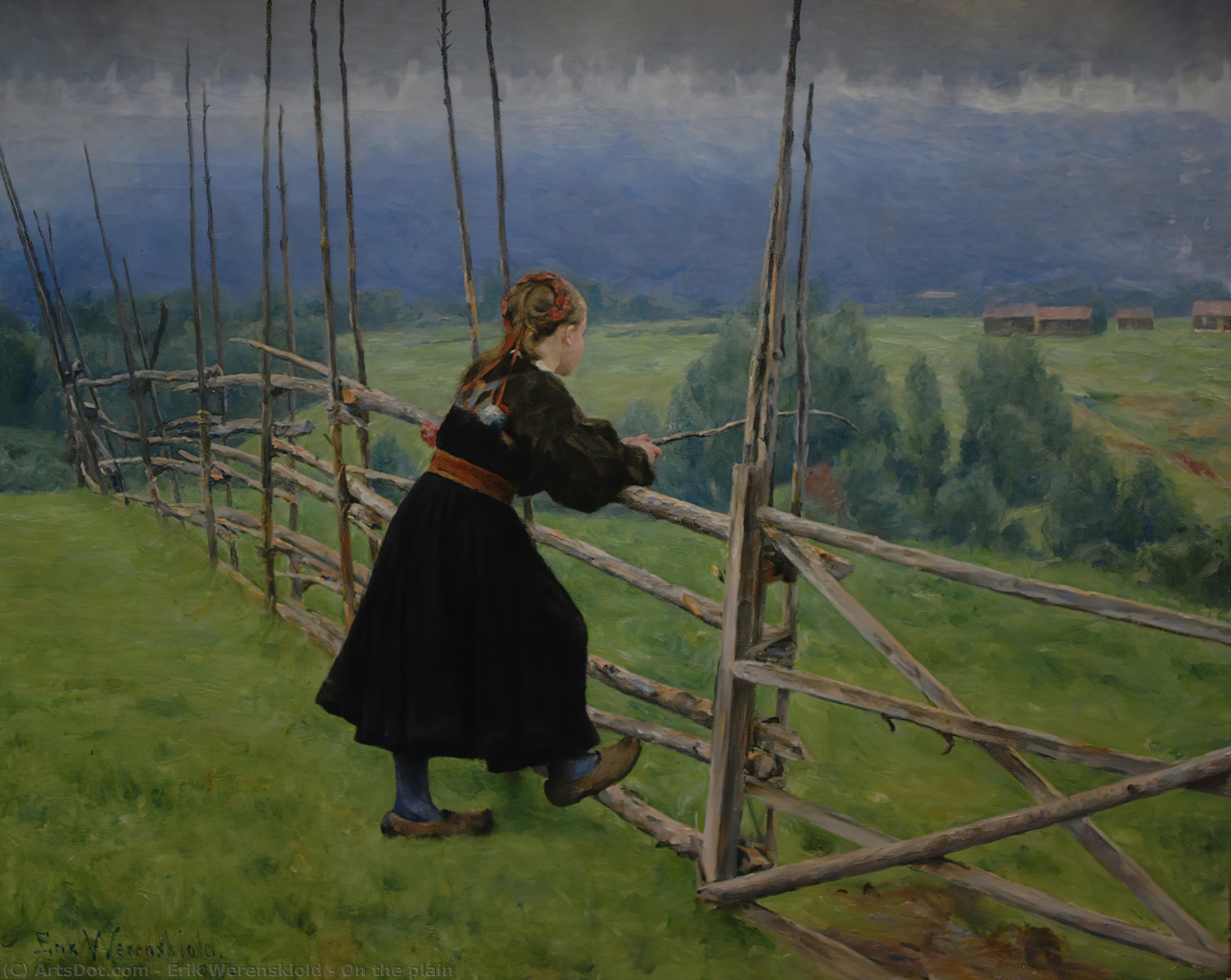
On the plain

 Lire la suite
Reproduction à l'huile faite à la main
Huile sur toile peinte à la main, avec cadre et dimensions personnalisés, réalisée sur commande par nos artistes. ( Acheter l'impression Acheter l'image)




































Choisissez parmi nos formats prédéfinis qui respectent les proportions originales de l’œuvre.

Vous pouvez saisir vos propres dimensions pour l'adapter à un cadre ou à un espace spécifique. Si la taille sélectionnée ne correspond pas aux proportions de l'image d'origine, nous recadrerons l'œuvre ou prolongerons la peinture avec des éléments peints à la main supplémentaires. Une maquette numérique vous sera envoyée pour approbation avant le début de la production.
Veuillez noter que l'aperçu à l'écran ne reflète pas le recadrage ou l'extension réels. Seule la maquette montrera fidèlement la composition finale.
Bien que des tailles personnalisées soient disponibles, nous vous recommandons de sélectionner une dimension dans la liste prédéfinie afin de préserver les proportions d'origine.
Après la commande, l’équipe ArtsDot.com contactera le client par e-mail pour recueillir ses instructions et lui fournira une maquette d’aperçu
Livraison dans le monde entier () en 3 à 4 semaines au lieu des 5 semaines habituelles. (12 août). Aucun compromis sur la qualité.

Livraison express gratuite dans le monde entier

Toile de lin de qualité supérieure

Assurance transport complète

Garantie de remboursement des droits de douane

Garantie de fidélité des couleurs

Politique de retour de 60 jours (uniquement en cas de défaut)

Garantie de remboursement à 100%

Offre de tarifs dégressifs
 L'option verre n'est disponible que pour les dimensions inférieures à 110 cm.

On the plain
Technique de reproduction
Format de la reproduction
-


Prix total
$ 263
Œuvres similaires


Biographie de l'artiste
Erik Werenskiold: A Painter of Norwegian Soul
Erik Theodor Werenskiold, born in 1855 in the quiet village of Eidskog, nestled within Hedmark county, Norway, wasn’t merely a painter; he was a conduit for capturing and preserving the essence of his nation's folklore, landscapes, and people. His life unfolded against a backdrop of significant societal shifts – from rural agrarianism to burgeoning industrialization – profoundly shaping his artistic vision. Growing up in Kongsvinger Fortress, as the fourth son of the commander, instilled within him a deep connection to Norwegian history and identity, a theme that would permeate much of his work. His early years were spent immersed in the traditions of wood carving and rosemaling, foundational elements that informed his later style, blending academic training with an authentic appreciation for folk art.Early Influences and Artistic Training
Werenskiold’s artistic journey began with a formal education at the Kongsvinger National School followed by three years at Harald Aars and Peter Voss' private Latin school in Christiania. Seeking further refinement, he enrolled in a painter’s college, guided by the advice of Adolph Tidemand, a respected Norwegian artist who recognized Werenskiold’s potential. This period proved pivotal, exposing him to classical techniques while simultaneously nurturing his burgeoning artistic sensibilities. Crucially, his time in Munich from 1875 to 1879 dramatically altered his perspective. A chance encounter with Charles-François Daubigny, a French plein air painter, ignited within him a profound admiration for the Impressionist movement’s emphasis on capturing light and atmosphere directly from nature – a stark contrast to the prevailing studio painting of the time. This shift marked a decisive break from traditional German artistic norms, influencing his approach to landscape and color.Illuminating Norwegian Folklore
Werenskiold's most enduring legacy lies in his illustrations for the Asbjørnsen and Moe collection of *Norske Folkeeventyr* (Norwegian Folk Tales) and the Norwegian edition of Snorri Sturlason’s *Heimskringla*. These works weren’t simply decorative; they were imbued with a deep understanding of the stories themselves, capturing their spirit and atmosphere with remarkable sensitivity. His illustrations for the fairy tales, in particular, developed a distinctive Norwegian illustrative identity – whimsical yet grounded in the realities of rural life. Collaborating closely with Theodor Kittelsen, another master of Norwegian folklore illustration, Werenskiold created images that have become iconic representations of Norwegian storytelling. The meticulous detail and evocative characterizations resonated deeply with audiences, solidifying his place as a key figure in preserving and popularizing Norwegian cultural heritage.A Painter of Landscapes and Portraits
Beyond his illustrations, Werenskiold was a skilled landscape painter, often depicting the rugged beauty of Telemark – a region he frequently visited during the summers. His paintings captured the essence of rural Norway: rolling hills, shimmering lakes, and humble farmhouses, rendered with a warm palette and an appreciation for light and shadow. He also produced portraits, notably capturing the dignity and character of prominent Norwegian figures. The “Untitled (AS7CMV)” artwork exemplifies his skill in black and white portraiture, showcasing intricate cross-hatching techniques to convey depth and emotion. His work during the spring of 1895 included a study trip to Rome and Florence, further expanding his artistic horizons and refining his technique.Legacy and Historical Significance
Erik Werenskiold’s impact extended beyond his individual creations. He actively championed the rights of artists within Norway, advocating for fairer recognition and opportunities. His work served as a powerful symbol of national identity during a period of significant social and political change. His paintings and illustrations continue to be celebrated for their beauty, authenticity, and profound connection to Norwegian culture. Werenskiold’s legacy endures not only in the galleries and museums that display his works but also in the hearts of those who appreciate the rich tapestry of Norwegian folklore and landscape – a testament to an artist who truly captured the soul of his nation.
erik werenskiold
1855 - 1938
L'essentiel de l'artiste
- Artistic Movement Or Style: Naturalism, Romanticism
- Artists Or Movements Influenced By This Artist: ['Charles-François Daubigny']
- Artists Who Influenced This Artist:
- Adolph Tidemand
- Julius Middelthun
- Date Of Birth: February 11, 1855
- Date Of Death: November 23, 1938
- Full Name: Erik Theodor Werenskiold
- Nationality: Norwegian
- Notable Artworks:
- Children Playing
- Untitled (AS7CMV)
- Peasant Burial
- Place Of Birth: Eidskog, Norway

