


 Aperçu en situation
 Envoyer
 Partager
 Détails de l'œuvre

 Télécharger
 Articles similaires
 Radiographie
 Diaporama
El Grito (The Cry) – left panel distant view


 Lire la suite
Giclées et impressions d'art
Impressions giclées ou sur toile de qualité musée, avec une production rapide et des finitions au choix. ( Commander la reproduction peinte à la main Acheter l'image haute résolution)




P118B $10

P118H $10

P118W $10

P438Z $10

P508JH $12

P508YH $12

P805H $10

P805Z $10

P919BZ $10

P919G $10

P919XJ $10

P959ZH $10

P968JZ $12

W106C $8

W218G $10

W218JH $8

W218Y $10

W307PJ $10

W316G $10

W316PJ $8

W316Y $10

W398PJ $8

W4111J $10

W500HY $15

W500JH $15

W692G $12

W849H $8

W940BG $15

W953PJ $8




Choisissez parmi nos formats prédéfinis qui respectent les proportions originales de l’œuvre.

Vous pouvez saisir vos propres dimensions pour vous adapter à un cadre ou à un espace spécifique. Si la taille sélectionnée ne correspond pas aux proportions de l'image originale, nous recadrerons l'œuvre ou étendrons l'image avec une bordure en miroir ou une couleur unie. Une maquette numérique vous sera envoyée pour approbation avant le début de la production.
Veuillez noter que l'aperçu à l'écran ne reflète pas le recadrage ou l'extension réelle. Seule la maquette montrera avec précision la composition finale.
Bien que des tailles personnalisées soient disponibles, nous vous recommandons de choisir une dimension dans la liste prédéfinie afin de préserver les proportions originales.
Livraison dans le monde entier () en 2 semaines au lieu des 4/5 semaines habituelles. (6 septembre)

Livraison express gratuite dans le monde entier

Toile de lin de qualité supérieure

Assurance transport complète

Garantie de remboursement des droits de douane

Garantie de fidélité des couleurs

Politique de retour de 100 jours (uniquement en cas de défaut)

Garantie de remboursement à 100%

Offre de tarifs dégressifs
 L'option verre n'est disponible que pour les dimensions inférieures à 110 cm.

El Grito (The Cry) – left panel distant view
Giclées et impressions d'art
Format de la reproduction
-


Prix total
$ 62
A Window into Chicano Life: The Essence of El Grito
In the sweeping, evocative left panel of El Grito (The Cry), artist Eduardo Carrillo Nava invites us to step onto a bustling city sidewalk, where the rhythm of daily existence unfolds with profound intimacy. This particular view offers a distant perspective on a vibrant urban tableau, capturing a moment in time from 1979 that feels both fleeting and eternal. As we gaze upon the scene, we encounter a tapestry of human movement; pedestrians drift across the frame, some lost in their own thoughts, others engaged in the quiet choreography of street life. The presence of a horse, positioned toward the right, introduces a striking element of vitality and historical resonance, bridging the gap between the modern urban landscape and the deep-rooted pastoral traditions of Mexican heritage.
The composition serves as more than just a depiction of a street; it is a masterful study in atmosphere and social connection. Through his skilled use of perspective, Nava directs the eye through the layers of the crowd, creating a sense of depth that pulls the viewer into the very heart of the community. The painting captures the essence of Chicano life—a delicate balance between the individual journey and the collective experience of the city. For the collector or interior designer, this piece offers a narrative richness that transforms a space, providing a focal point that is both intellectually stimulating and visually soothing.
The Intersection of Surrealism and Heritage
Eduardo Carrillo Nava was a pivotal figure in the Chicano art movement, and his technical approach in El Grito reflects a sophisticated blend of surrealist-inspired landscapes and figurative realism. His brushwork does not merely replicate reality; it interprets it through a lens of cultural memory. The way light interacts with the figures and the architecture suggests a dreamlike quality, where the boundaries between the mundane and the mythic begin to blur. This technique allows the mural to transcend simple documentation, turning a street scene into a symbolic exploration of identity and resilience.
The emotional impact of this work lies in its ability to evoke nostalgia and a sense of belonging. There is a quiet dignity in the way Nava portrays his subjects, treating the everyday motions of city dwellers with the reverence typically reserved for grand historical portraits. For those seeking to adorn a home or gallery with art that carries weight and soul, this reproduction offers an opportunity to possess a fragment of a monumental legacy. It is a piece that speaks of movement, of the "cry" of a people finding their voice, and of the enduring beauty found in the shared spaces of our urban existence.
Œuvres similaires


Biographie de l'artiste
Premières années et influences
Eduardo Carrillo Nava est né le 8 avril 1937 à Santa Monica, en Californie, aux États-Unis. Il est décédé le 14 juillet 1997 à Tijuana, Baja California, au Mexique. Le parcours artistique de Carrillo était profondément ancré dans l'étude approfondie de l'art et de l'histoire européens et mexicains.Contributions artistiques
Carrillo est reconnu pour ses peintures et ses fresques murales qui non seulement mettaient en valeur sa maîtrise technique, mais reflétaient également son héritage culturel. En tant que figure clé du mouvement artistique Chicano, il a joué un rôle essentiel dans la promotion des artistes, de la culture et des droits civiques Chicanos/as/x.- El Grito, Las Tropicanas, la naissance, la mort et la régénération sont quelques-unes de ses œuvres notables qui illustrent son éventail artistique.
- Son style artistique s'étendait des paysages d’inspiration surréaliste, à l’intersection de l’histoire et du mythe mexicain, en passant par les peintures figuratives et de portraits, les paysages traditionnels et les natures mortes.
- En 1982, il a organisé la conférence révolutionnaire Califas : Art et culture Chicano en Californie, consolidant ainsi son influence sur le monde de l'art.
Évolution artistique et développement
L’œuvre de Carrillo témoigne d’une évolution constante, influencée par ses voyages et ses rencontres avec différents courants artistiques. Son engagement envers la communauté Chicana a profondément marqué son travail, lui conférant une dimension sociale et politique forte. Il a exploré des thèmes tels que l'identité, la justice sociale et la fierté culturelle à travers ses œuvres, utilisant souvent un langage visuel puissant et symbolique. Son passage du surréalisme initial à une expression plus ancrée dans les réalités sociales mexicaines témoigne d’une maturation artistique significative.Réalisations majeures et importance historique
Principales réalisations :- Organisation de la conférence Califas, un événement majeur pour le mouvement artistique Chicano.
- Création d'œuvres emblématiques telles que El Grito, qui symbolise l’appel à la liberté et à l’indépendance.
- Sa contribution significative au développement de l'art Chicano, en tant qu'expression identitaire et revendicatrice.
Collections et héritage
Les œuvres de Carrillo peuvent être admirées dans diverses collections, notamment la Colección Andrés Blaisten (Mexique), qui présente une collection diversifiée d'œuvres d'art latino-américaines. /fr/art/show/art-d3bsg9-fr/ fournit de plus amples informations sur cette collection. Œuvres notables :- Une peinture d'Angel Zarraga, pièce remarquable dans la Colección Andrés Blaisten (Mexique), témoigne de la maîtrise de Zarraga dans la peinture à l'huile. /fr/art/show/painting-by-angel-zarragahttpsArtsDotcomartnsfart-enopen/
- English Greek Girls Picking Up Pebbles by the Sea, une peinture de Lord Frederic Leighton, est un autre point fort de la collection. /fr/art/list/

Eduardo Carrillo Nava
1937 - 1997 , États-Unis d'Amérique
L'essentiel de l'artiste
- Artistic Movement Or Style: Surréalisme, Chicano art
- Artists Or Movements Influenced By This Artist: ['Mouvement Chicano']
- Artists Who Influenced This Artist:
- Art européen
- Art mexicain
- Date Of Birth: 8 avril 1937
- Date Of Death: 14 juillet 1997
- Full Name: Eduardo Carrillo Nava
- Nationality: Américano-mexicain
- Notable Artworks:
- El Grito
- Las Tropicanas
- Birth, Death and Regeneration
- Place Of Birth (City And Country): Santa Monica, États-Unis
Articles connexes

Fresques Murales : L'Élévation de la Cuisine et Salle de Bain en Havres Artistiques
Découvrez comment intégrer des fresques murales pour sublimer votre cuisine et salle de bain. Conseils d'experts, tendances & inspirations pour un intérieur unique. : l'art à portée de tous.

De la Jungle aux Géométries Dorées : Les Tendances Fresques les Plus Demandées par les Designers d'Hôtels
Découvrez les tendances fresques les plus demandées par les designers d'hôtels ! Guide expert sur l'art mural, techniques innovantes & artistes à suivre. : votre partenaire pour des décorations exceptionnelles.
![Transformer les Espaces : Comment les Fresques Personnalisées Forgent l'Identité de Marque et Améliorent l'Expérience Client[Image Placeholder][Article Body Placeholder][Call to Action Placeholder]](/media/articles/images/thumbnails/b9/5d/b95db6de2f674f37942060e32a01df4a.jpg)
Transformer les Espaces : Comment les Fresques Personnalisées Forgent l'Identité de Marque et Améliorent l'Expérience Client[Image Placeholder][Article Body Placeholder][Call to Action Placeholder]
Valorisez votre marque et vos espaces grâce à des fresques murales personnalisées. Découvrez des conseils d’experts sur le design, les artistes, les matériaux et l’installation. Transformez votre environnement : explorez les solutions sur mesure de . [placeholder]

Fresques Murales : L'Art comme Élément Central du Design d'Intérieur
Découvrez l'art de la fresque murale ! Conseils d'experts, inspirations et commandes sur mesure pour sublimer votre intérieur. : qualité, authenticité & service personnalisé.
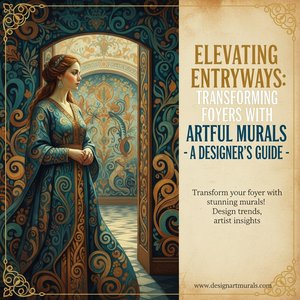
Transformez Votre Hall d'Entrée en Œuvre d'Art : Des Murs qui Impressionnent
Transformez votre hall d'entrée en œuvre d'art ! Découvrez nos conseils d'experts et notre collection exclusive de peintures murales, fresques & reproductions pour un accueil prestigieux. : l'excellence artistique à portée de main.