

 Aperçu en situation
 Envoyer
 Partager
 Détails de l'œuvre

 Télécharger
 Articles similaires
 Radiographie
 Diaporama
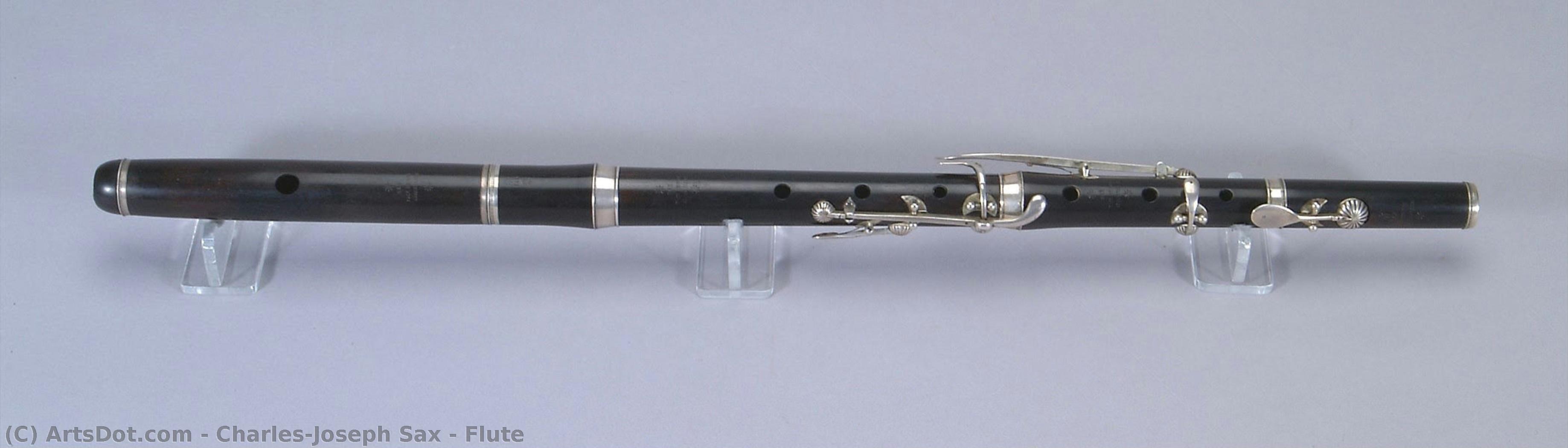
Flute


 Lire la suite
Giclées et impressions d'art
Impressions giclées ou sur toile de qualité musée, avec une production rapide et des finitions au choix. ( Commander la reproduction peinte à la main Télécharger l'image haute résolution)




P118B $10

P118H $10

P118W $10

P438Z $10

P508JH $12

P508YH $12

P805H $10

P805Z $10

P919BZ $10

P919G $10

P919XJ $10

P959ZH $10

P968JZ $12

W106C $8

W218G $10

W218JH $8

W218Y $10

W307PJ $10

W316G $10

W316PJ $8

W316Y $10

W398PJ $8

W4111J $10

W500HY $15

W500JH $15

W692G $12

W849H $8

W940BG $15

W953PJ $8




Choisissez parmi nos formats prédéfinis qui respectent les proportions originales de l’œuvre.

Vous pouvez saisir vos propres dimensions pour vous adapter à un cadre ou à un espace spécifique. Si la taille sélectionnée ne correspond pas aux proportions de l'image originale, nous recadrerons l'œuvre ou étendrons l'image avec une bordure en miroir ou une couleur unie. Une maquette numérique vous sera envoyée pour approbation avant le début de la production.
Veuillez noter que l'aperçu à l'écran ne reflète pas le recadrage ou l'extension réelle. Seule la maquette montrera avec précision la composition finale.
Bien que des tailles personnalisées soient disponibles, nous vous recommandons de choisir une dimension dans la liste prédéfinie afin de préserver les proportions originales.
Livraison dans le monde entier () en 2 semaines au lieu des 4/5 semaines habituelles. (13 août)

Livraison express gratuite dans le monde entier

Toile de lin de qualité supérieure

Assurance transport complète

Garantie de remboursement des droits de douane

Garantie de fidélité des couleurs

Politique de retour de 60 jours (uniquement en cas de défaut)

Garantie de remboursement à 100%

Offre de tarifs dégressifs
 L'option verre n'est disponible que pour les dimensions inférieures à 110 cm.

Flute
Giclées et impressions d'art
Format de la reproduction
-


Prix total
$ 62
Œuvres similaires


Biographie de l'artiste
Charles Joseph Sax (1790 - 1865): A Belgian Instrument Maker Shaping Musical Innovation
Charles Joseph Sax (February 1, 1790 – April 26, 1865) was a Belgian musical instrument maker whose legacy extends far beyond his workshop in Dinant. Born into a family of wood turners—his father Antoine Joseph Sax was also a craftsman—Charles Joseph inherited a passion for precision and artistry that would define his life’s work and ultimately propel his son, Adolphe Sax, to revolutionize the world of music with the invention of the saxophone.
- Early Life & Family: Charles Joseph married Marie-Joseph Masson in 1813, establishing a home rooted in Dinant's vibrant artistic community. Their union produced Antoine Joseph (Adolphe), who would become Sax’s most celebrated son and the father of the saxophone.
- Instrument Making Beginnings: Driven by an innate talent for crafting instruments, Charles Joseph quickly established his own business near Brussels’ opera house—a strategic location reflecting the importance of musical culture in Belgian society at the time. He initially focused on producing flutes, serpents, bassoons, and clarinets, mastering techniques honed over generations of Sax family tradition.
- Recognition & Patronage: Sax's instruments gained considerable acclaim, attracting the attention of influential figures like François-Joseph Fétis, a prominent music critic who lauded Sax’s horn as “the best orchestral horn of the time.” This endorsement secured commissions from Wilhelm I—the King of Prussia—and bolstered Sax’s reputation as a respected instrument maker.
- Innovation & The Saxophone Invention: Charles Joseph's meticulous approach to instrument design profoundly impacted his son Adolphe, who would later transform Sax’s craft into an internationally recognized instrument. Sax’s dedication to acoustic principles and pursuit of superior intonation—a cornerstone of saxophone construction—laid the groundwork for Adolphe’s groundbreaking innovation.
Sax's influence extended beyond his immediate family and workshop; he championed advancements in musical instrumentation, fostering a spirit of experimentation that would resonate throughout the nineteenth century. His unwavering commitment to excellence cemented his place as a pivotal figure in Belgian instrument making history—a legacy forever intertwined with the birth of one of music’s most iconic instruments.
- Notable Instruments: Sax crafted exceptional clarinets and horns, demonstrating unparalleled skill in shaping wood and applying gold plating. These instruments stand as testaments to his mastery of craftsmanship and represent a pinnacle of instrument design during his era.
- The Saxophone Legacy: Adolphe Sax’s saxophone—a descendant of Charles Joseph's innovations—became synonymous with jazz, opera, and orchestral music worldwide. Its distinctive timbre and versatility owe their origins to the father’s meticulous attention to detail and pursuit of acoustic perfection.
Charles Joseph Sax’s contribution to musical history is undeniable. He wasn’t merely a craftsman; he was an innovator who instilled in his son the values of precision, artistry, and unwavering dedication—values that ultimately resulted in the creation of an instrument that continues to captivate audiences across generations.

charles-joseph sax
1790 - 1865 , Belgium
L'essentiel de l'artiste
- Artistic Movement Or Style: Instrument Craftsmanship
- Artists Or Movements Influenced By This Artist: ['Adolphe Sax']
- Artists Who Influenced This Artist: ['Antoine Joseph Sax']
- Date Of Birth: 1790
- Date Of Death: 1865
- Full Name: Charles Joseph Sax
- Nationality: Belgian
- Notable Artworks: ['Flute']
- Place Of Birth: Dinant, Belgium
Articles connexes

Le Classicisme Académique au XIXe Siècle : Renaissance de la Forme et Récits Épiques
Explorez le Classicisme Académique du XIXe siècle : ses principes, artistes majeurs (Poussin, Couture), et l'influence de la peinture d'histoire. Découvrez un mouvement artistique empreint d'ordre et d'allégorie.

Charles Leickert: Capturing the Dutch Golden Age Light – A Comprehensive Study of Technique, Context, and Legacy
Explore the captivating winter landscapes of Charles Leickert, a master of Dutch Golden Age light & atmosphere. Discover his techniques, symbolism, and lasting legacy – a comprehensive study for art enthusiasts and collectors.

Le Réveil de l'Antiquité : Idéaux et Héritage Durable de l'Art Néoclassique
Explorez l'art néoclassique : ses origines, figures clés (David, Canova), et son héritage durable. Découvrez la simplicité, l'harmonie et la vertu de ce mouvement artistique majeur avec ArtsDot.
Harmonies on Canvas: Exploring the Visual Representation of Music in Art History
Explore the fascinating history of music's visual representation in art! From ancient symbolism to modern abstraction, discover how artists have captured sound and emotion on canvas. Expert insights & stunning examples.

L'Exotisme en Peinture au XIXe Siècle : Fascination, Représentations et Critiques de l'Orientalisme
Explorez l'exotisme en peinture au XIXe siècle : de Delacroix à Renoir, découvrez les fascinations, les représentations et les critiques de l'Orientalisme. Analyse approfondie pour passionnés d'art.

