


 Aperçu en situation
 Partager
 Partager
 Détails

 Télécharger
 Articles similaires
 Radiographie
 Voir le diaporama
 Statistiques
The Virgin and Child
 Oil On Canvas
- WallArt
- Baroque Painting
 1670
1670 107.0 x 79.0 cm
 La Collection Wallace
 Afficher la suite
Reproduction à l'huile faite à la main
Huile sur toile peinte à la main, avec cadre et dimensions personnalisés, réalisée sur commande par nos artistes. ( Passer au format impression Passer au format image numérique)




P118B $10

P118H $10

P118W $10

P438Z $10

P508JH $12

P508YH $12

P805H $10

P805Z $10

P919BZ $10

P919G $10

P919XJ $10

P959ZH $10

P968JZ $12

W106C $8

W218G $10

W218JH $8

W218Y $10

W307PJ $10

W316G $10

W316PJ $8

W316Y $10

W398PJ $8

W4111J $10

W500HY $15

W500JH $15

W692G $12

W849H $8

W940BG $15

W953PJ $8




Choisissez parmi nos formats prédéfinis qui respectent les proportions originales de l’œuvre.

Vous pouvez saisir vos propres dimensions pour l'adapter à un cadre ou à un espace spécifique. Si la taille sélectionnée ne correspond pas aux proportions de l'image d'origine, nous recadrerons l'œuvre ou prolongerons la peinture avec des éléments peints à la main supplémentaires. Une maquette numérique vous sera envoyée pour approbation avant le début de la production.
Veuillez noter que l'aperçu à l'écran ne reflète pas le recadrage ou l'extension réels. Seule la maquette montrera fidèlement la composition finale.
Bien que des tailles personnalisées soient disponibles, nous vous recommandons de sélectionner une dimension dans la liste prédéfinie afin de préserver les proportions d'origine.
Après la commande, l’équipe ArtsDot.com contactera le client par e-mail pour recueillir ses instructions et lui fournira une maquette d’aperçu
Livraison dans le monde entier () en 3 à 4 semaines au lieu des 5 semaines habituelles. (19 septembre). Aucun compromis sur la qualité.

Livraison express gratuite dans le monde entier

Toile de lin de haute qualité

Assurance transport complète

Garantie de remboursement des droits de douane

Garantie de fidélité des couleurs

Garantie de retour de 100 jours (uniquement en cas de défaut)

Garantie de remboursement à 100%

Tarifs dégressifs sur quantité
 L'option verre n'est disponible que pour les dimensions inférieures à 110 cm.

The Virgin and Child
Technique de reproduction
Format de la reproduction
-


Prix total final
$ 263
A Glimpse of Divine Intimacy
Bartolomé Esteban Murillo’s “The Virgin and Child,” painted around 1670, isn't merely a depiction of the Madonna and Child; it’s an immersion into a world of serene grace and profound intimacy. Born in Seville during a period of fervent religious devotion and burgeoning artistic innovation – a time when the city pulsed with both spiritual fervor and the vibrant energy of everyday life – Murillo captured something remarkably rare: a genuine connection between mother and child, rendered with a tenderness that transcends the conventions of formal portraiture. The painting immediately draws the viewer in, not through dramatic gestures or elaborate ornamentation, but through an almost palpable sense of quiet contemplation. It’s a scene stripped bare of artifice, revealing a simple truth – the profound love and unwavering devotion at the heart of this iconic biblical narrative.
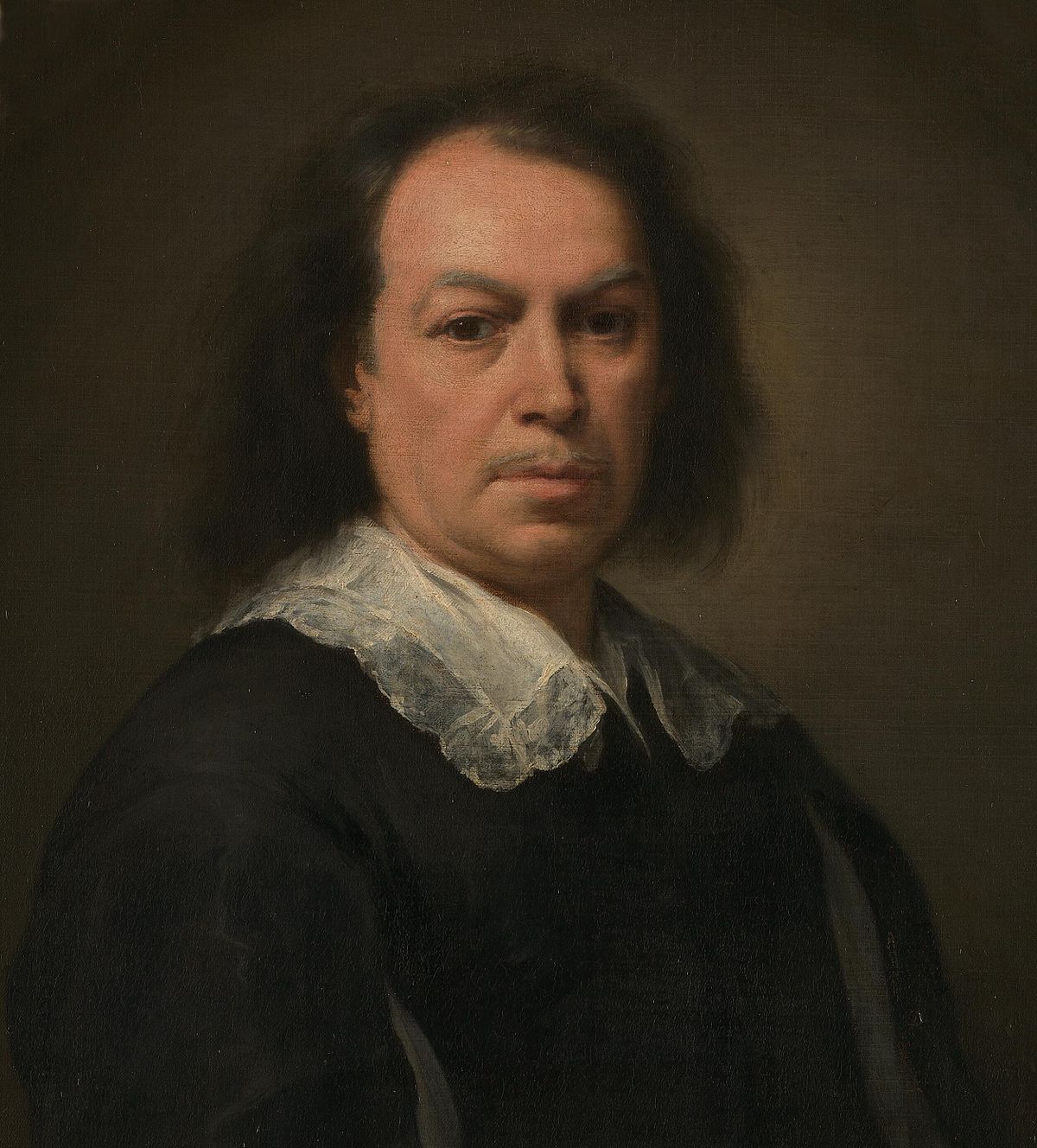
The composition itself is a masterclass in controlled elegance. A triangular arrangement anchors the scene, with Mary seated on what appears to be a simple bench – a deliberate choice that elevates her status without resorting to overtly grand displays of wealth or power. The muted palette—soft blues, gentle pinks, and creamy whites—creates an atmosphere of luminous tranquility. Murillo’s brushwork is remarkably delicate; he employs a technique known as “sfumato,” subtly blurring the edges of forms and creating a sense of atmospheric depth. This isn't the sharp, defined style favored by earlier Baroque masters; instead, it’s a softer, more forgiving approach that emphasizes the emotional resonance of the scene.
The Seville Workshop and Artistic Influences
Murillo’s artistic journey was deeply rooted in the traditions of Seville. He began his training under Juan del Castillo, a local artist known for his meticulous detail and emotionally expressive portraits. However, Murillo quickly absorbed influences from a wider range of sources – the dramatic chiaroscuro (contrast between light and dark) of Francisco de Zurbarán, the refined elegance of Alonso Cano, and even the subtle realism of Flemish masters. The debate surrounding these influences continues to fascinate art historians; some argue that Murillo remained firmly within the Seville tradition, while others suggest he traveled extensively, absorbing artistic techniques from Italy and beyond. Regardless of the precise details, it’s clear that Murillo synthesized these diverse influences into a uniquely personal style – one characterized by its luminous quality, its emphasis on tenderness, and its remarkable ability to capture the essence of human emotion.
- Zurbarán's Influence: Murillo adopted Zurbarán’s use of strong contrasts between light and shadow to create a sense of solemnity.
- Flemish Realism: The subtle modeling of forms, reminiscent of Flemish masters, contributes to the painting’s overall sense of realism.
- Sevillian Tradition: Murillo's work reflects the Seville tradition of depicting religious subjects with a focus on human emotion and everyday life.
Symbolism and Spiritual Depth
Beyond its technical brilliance, “The Virgin and Child” is rich in symbolic meaning. The infant Jesus, swathed in a simple blue cloth, holds a small book – a potent symbol of knowledge and divine wisdom. Mary’s gaze, directed downwards with an expression of gentle affection, suggests humility and devotion. The inclusion of the small angel on the right side of the composition adds another layer of meaning, representing God's watchful presence and his blessing upon this sacred union. The scene itself embodies the core tenets of Christian faith: love, compassion, and the promise of salvation. It’s a reminder that even in the simplest of moments—a mother’s embrace of her child—we can find profound spiritual significance.
A Legacy of Light and Grace
Bartolomé Esteban Murillo's “The Virgin and Child” stands as a testament to his extraordinary talent and his deep understanding of the human spirit. Painted during a pivotal moment in Spanish history, it captures not only the beauty of religious iconography but also the warmth and intimacy of family life. Today, reproductions of this masterpiece continue to inspire awe and admiration, offering viewers a glimpse into a world of divine grace and timeless tenderness. Its enduring appeal lies in its ability to evoke a sense of peace and serenity—a reminder that even amidst the complexities of modern life, we can always find solace in the simple beauty of love and devotion.
Œuvres similaires


Biographie de l'artiste
Premières années et formation
Bartolomé Esteban Murillo, un peintre baroque espagnol de premier plan, est né à Séville, en Espagne, fin décembre 1617 et a été baptisé le 1er janvier 1618. Il était le plus jeune des quatorze enfants de Gaspar Esteban et María Pérez. Après la mort de ses parents en 1627 et 1628, Murillo devint l'ami de son beau-frère, Juan Agustín Lagares. Murillo commença ses études artistiques à Séville sous la direction de Juan del Castillo, un parent de sa mère qui était également artiste. Ses premières œuvres furent influencées par l’approche réaliste et forte de Zurbarán, Jusepe de Ribera et Alonzo Cano.Évolution artistique et style
Le style artistique de Murillo évolua au fil du temps, initialement influencé par la peinture flamande et le « traité sur les images sacrées » de Molanus. À mesure qu'il mûrit, son travail développa un style raffiné qui convenait aux goûts bourgeois et aristocratiques de l’époque, en particulier dans ses œuvres religieuses catholiques romaines.- Jeune homme avec un panier de fruits ou Personification de l'été (c. 1640-50), illustrant son approche réaliste précoce.
- Le Jeune Mendiant (c. 1645, Musée du Louvre, Paris, France), démontrant l’influence de Velázquez.
- Saint Jérôme (c. 1650-52), exemplifiant son style mature, doucement lumineux.
Œuvres majeures et thèmes
Murillo est particulièrement connu pour ses représentations touchantes de l'Enfant Jésus, souvent dépeint comme un enfant jouant ou distribuant de la nourriture aux pauvres. Ces œuvres, empreintes d’une tendresse particulière, captivent par leur réalisme et leur émotion. Il a également peint des scènes de la Vierge Marie avec l'Enfant Jésus, ainsi que des saints et des figures religieuses, toujours caractérisées par une lumière douce et une composition harmonieuse. Ses tableaux de genre, comme Le Jeune Mendiant, témoignent de son intérêt pour les sujets contemporains et de sa capacité à capturer la vie quotidienne avec réalisme et compassion.Collections et héritage
Les peintures de Murillo se trouvent dans divers musées du monde entier, notamment :- Le Museo del Prado (Madrid, Espagne)
- L’Ermitage (Saint-Pétersbourg, Russie)
- La Wallace Collection (Londres)
- Le Timken Museum of Art (San Diego, présentant le Christ sur la croix)
- Le Krannert Art Museum (Champaign, Illinois, présentant le Christ après la flagellation)

Bartolomé Esteban Murillo
1618 - 1682 , Espagne
En bref
- Artistic Movement Or Style: Baroque espagnol
- Artists Or Movements Influenced By This Artist:
- Gainsborough
- Greuze
- Artists Who Influenced This Artist:
- Zurbarán
- Jusepe de Ribera
- Alonzo Cano
- Velázquez
- Date Of Birth: 1618
- Date Of Death: 1682
- Full Name: Bartolomé Esteban Murillo
- Nationality: Espagnol
- Notable Artworks:
- Jeune homme avec un panier de fruits
- Le Jeune Mendiant
- Saint Jérôme
- L'Adoration des bergers
- Place Of Birth (City And Country): Séville, Espagne
Articles similaires

The Golden Age Reforged: Dramatic Realism & Religious Zeal in Spanish Baroque Art
Explore the dramatic world of Spanish Baroque art! Discover masters like Zurbarán & the powerful influence of religious zeal on painting techniques – a guide for collectors and enthusiasts.

Juan de Valdés Leal: Baroque Realism, Memento Mori & Theatricality of Spanish Grief
Explore the powerful Baroque realism of Juan de Valdés Leal (1622-1690). Discover his somber masterpieces, iconic 'In Ictu Oculi', and profound explorations of mortality. Museum-quality reproductions available at ArtsDot.

Les 10 Chefs-d'œuvre Baroques qui ont Révolutionné l'Art |
Plongez au cœur du baroque avec les 10 chefs-d'œuvre de Caravaggio, Rembrandt et Rubens. Découvrez l'histoire fascinante de ces artistes et leurs tableaux célèbres. Reproductions d'art de qualité muséale sur – Explorez la collection !

The Dramatic Flourish: Exploring the Baroque Movement's Enduring Legacy in Art History
Explore the dramatic world of Baroque art! Discover iconic artists like Caravaggio & Rubens, defining techniques, and its lasting impact on art history. Expert insights for collectors & enthusiasts at ArtsDot.

Bartolomé Esteban Murillo: Divine Light & Social Commentary in Golden Age Seville
Explore the captivating world of Bartolomé Esteban Murillo, a master of Spanish Baroque painting. Discover his luminous religious scenes, tender genre paintings & lasting legacy in Golden Age Seville. Learn more at ArtsDot.


