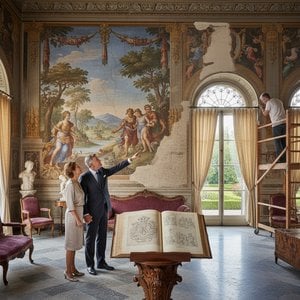
Pinturicchion arvoituksellinen sielukku: Renessanssin mestari
Bernardino di Betto, maailmalta nimellä Pinturicchio tunnettu – lempinimi, joka hänelle annettiin hellästi hänen pienikokoisuudestaan johtuen – nousi esiin Perugian taiteellisesta sydämestä vuonna 1454. Hänen elämänsä kietoutui valtavan kulttuurisen murroksen aikaan, jolloin korkearenessanssi kukoisti ympäri Italiaa, mutta Pinturicchio löysi itselleen ainutlaatuisen polun. Hän yhdisti goottilaisten perinteiden viipyilevän eleganssin aikakauden nouseviin innovaatioihin. Vaikka jättiläiset kuten Leonardo da Vinci ja Michelangelo tavoittelivat anatomista täydellisyyttä ja dramaattista realismia, Pinturicchio vaali tyyliä, jota leimasivat hienostunut sulavuus, monimutkainen yksityiskohtaisuus ja eläväinen, koristeellinen herkkyys. Hänen matkansa ei ollut vallankumouksellinen mullistus, vaan pikemminkin äärimmäistä hienostuneisuutta – todiste hänen taidostaan muuttaa vakiintuneet muodot joksikin ainutlaatuminen lumoavaksi.Umbrialaisista työpajoista paavillisiin tilauksiin
Pinturicchion varhaiset opinnot pysyvät osittain mysteerin peitossa, vaikka uskotaan hänen hioneen taitojaan vähemmän tunnettujen perugialaisten mestareiden, kuten Bonfiglin ja Fiorenzo di Lorenzon, johdolla. Ratkaiseva hetki koitti, kun hän pääsi osaksi Pietro Perugino, umbrialaisen koulukunnan johtohahmon, vaikutuspiiriä. Giorgio Vasarin mukaan Pinturicchio toimi Perugino avustajana, mikä muokkasi kiistatta hänen taiteellista kehitystään. Tämä yhteys osoittautui ratkaisevaksi Rooman Sistini kappelin työn saamiseksi 1500-luvun alussa. Työskenneltyään aikansa kuuluisimpien taiteilijoiden, kuten Botticellin, Ghirlandain ja Signorellin rinnalla, Pinturicchio osallistui tähän monumentaaliseen projektiin, vaikka hänen freskonsa myöhemmin tuhottiinkin Michelangelon Viimeinen tuomio -teoksen tieltä. Tämä kokemus toimi kuitenkin tärkeänä ponnahduslautana, joka altisti hänet uusille vaikutteille ja vakiinnutti hänen mainettaan.Hedelmällinen kausi: Rooma ja Borgia-huoneet
Vuodet 1484 ja 1492 merkitsivät Pinturicchiolle intensiivisen tuottavuuden aikaa, joka keskittyi pääasiassa Roomaan. Hän sai tilauksia arvostetuilta suvuilta, kuten Della Roverelta, koristellen Santa Maria del Popolon kirkon kappeleita omintakeisella tyylillään. Nämä teokset osoittivat hänen freskotekniikkansa mestaruuden, jolle olivat tyypillisiä herkät hahmot, rikkaasti koristellut taustat ja taipumus monimutkaisiin koristeaiheisiin. Kuitenkin juuri työ paavi Aleksanteri VI:n – Rodrigo Borgian – puolesta sinetöi hänen paikkansa taidehistoriassa. Pyytäessään häntä koristelemaan Vatikaanin palatsin Borgia-huoneet vuosien 1492 ja 1494 välillä, paavi antoi Pinturicchiolle mahdollisuuden luoda huonekokonaisuus, joka oli loistokkaasti koristeltu mytologisilla kohtauksilla, muotokuvilla ja allegorisilla esityksillä. Nämä huoneet, vaikka ne ovatkin kiistanalaisia yhteydessään kuuluisaan Borgia-sukuun, seisovat renessanssin koristeellisen taiteen upeana esimerkkinä paljastaen Pinturicchion kyvyn yhdistää klassiset aiheet omaan ainutlaatuiseen esteettiseen herkkyyteensä. Kullan käyttö, eloisat värit ja illuusiotekniikat loivat ylellisyyden tuntua, joka heijasti paavillisen hovin valtaa ja kunnianhimoa.Perintö ja kestävä vaikutus
Pinturicchion taiteellinen perintö on hienostunutta eleganssia ja huolellista käsityötä. Vaikka hän ei ehkä saavuttanut samaa kuuluisuuden astetta kuin jotkut aikalaisensa, hänen vaikutuksensa myöhempiin taiteilansauluksiin on kiistaton. Hänen ainutlaatuinen tyylinsä – goottilaisen sulavuuden ja renessanssin innovaatioiden harmoninen liitto – puhutteli niitä, jotka arvostivat hienovaraisuutta ja yksityiskohtia. Hän osoitti poikkeuksellista kykyä luoda visuaalisesti häikäiseviä kokonaisuuksia, jotka olivat sekä esteettisesti miellyttäviä että älyllisesti stimuloivia. Hänen työnsä Sienan Piccolomini-kirjastossa, joka valmistui pian ennen hänen kuolemaansa vuonna 1513, on todistus hänen kestävästä lahjakkuudestaan. Paavi Pius II:n elämää esittävät freskot osoittavat muodon ja värin selkeyttä, joka ennakoi korkearenessanssin tyyliä. Pinturicchion taide jatkaa lumoamista katsojia vielä tänäkin päivänä tarjoten ikkunan kauneuden, hienostuneisuuden ja taiteellisen mestaruuden maailmaan – maailmaan, jossa "pienen maalarin" herkkä kosketus jätti peruuttamattoman jäljen italialaisen renessanssitaiteen maisemaan.- Merkittäviä teoksia: Sistini kappelin freskot (tuhoutuneet), Borgia-huoneet Vatikaanissa, Piccolomini-kirjasto Sienassa.
- Vaikutteet: Perugino, umbrialainen maalauskoulu, goottilaiset perinteet.
Kysymykset ja vastaukset
Mistä löydän Pinturicchio teokset ryhmiteltynä tekniikan mukaan?
Löytääksesi kaikki Pinturicchio teokset tietyssä tekniikassa, käytä taiteilijan Kaikki tekniikat -sivua.
Millä muilla nimillä tai nimimerkeillä Pinturicchio tunnetaan?
Pinturicchio esiintyy myös nimillä Bernardino di Betto, Benetto di Biagio, Sordicchio.
Mistä voin löytää tilastoja Pinturicchio teoksista?
Pinturicchio-artistille on olemassa Tilastot-sivu, joka esittää tilastoja artistin teoksista tämä verkkosivusto-sivustolla.