


 Katso seinällä
 Lähetä
 Jaa
Jaa
 Tarkemmat tiedot
 Opas
Opas

 Lataa kuva
 Samanlaisia kohteita
 Röntgenkuvaus
 Diaesitys
 Tilastot
Venice, Evening

 Lue lisää
Giclée- ja taideprintit
Museolaatuisia giclée- tai kankaitaulun tulosteita nopealla tuotannolla ja joustavilla viimeistelyvaihtoehdoilla. ( Tilaa käsinmaalattu jäljennös Siirry digitaaliseen kuvaan)




































Valitse valmiista mitoistamme sellaiset, jotka vastaavat teoksen alkuperäisiä mittasuhteita.

Kirjoita tarvitsemasi leveys ja korkeus, jotta tuloste sopii kehyskokoon tai seinällesi. Tulostetta voidaan vain leikata, sitä ei voi koskaan tehdä suuremmaksi kuin alkuperäinen kuva, joten eri muotoinen koko aiheuttaa osan kuvasta katoamisen. Lähetämme sinulle digitaalisen mallikuvan hyväksyttäväksi ennen kuin aloitamme tulostuksen. Tällä sivulla näkyvä kuva ei näytä lopullista leikkausta — vain mallikuva näyttää sen.
Maailmanlaajuinen toimitus () 2 viikossa tavallisen 4–5 viikon sijaan. (23 lokakuu)

Ilmainen pikatoimitus ympäri maailman

Korkealaatuinen pellavakangas

Kattava kuljetusvakuutus

Tulliveron palautustakuu

Takuu täydellisestä värien vastaavuudesta

100 päivän palautusoikeus valmistusvirhetapauksissa

100% rahat takaisin -takuu

Määräalennus saatavilla
 Lasivaihtoehto on saatavilla vain alle 110 cm kokoisille teoksille

Venice, Evening
Giclée- ja taideprintit
Replikaatin koko
-


Kokonaishinta
€ 54
Samankaltaisia teoksia


Taiteilijan elämäkerta
William Wyld (1806–1889): A Life Bridging Diplomacy, Commerce, and Artistic Vision
William Wyld, born in London in 1806, embodies a fascinating intersection of worlds – the refined circles of diplomacy, the bustling energy of commerce, and ultimately, the captivating realm of art. His journey was not one of immediate artistic dedication, but rather a gradual unfolding of passion nurtured by circumstance and opportunity. Inheriting drawing materials at the tender age of six following a family tragedy sparked an early inclination towards visual expression, yet his path initially led him away from formal training. Following his father’s death, connections secured Wyld a position as secretary to the British Consulate in Calais, immersing him in European culture and political landscapes. This formative period proved crucial, exposing him not only to international affairs but also to artistic influences that would shape his future style. It was in Calais that he came under the tutelage of François Louis Thomas Francia, a watercolourist deeply influenced by masters like Thomas Girtin and Richard Parkes Bonington – a mentorship that laid the groundwork for Wyld’s own distinctive approach.Early Influences and Artistic Beginnings
Wyld's formative years in Calais instilled within him a profound appreciation for observation and detail—qualities that would become hallmarks of his artistic style. Francia’s guidance honed Wyld’s watercolour technique, emphasizing tonal harmony and capturing the subtle nuances of light and shadow. This influence resonated deeply with Bonington and Girtin, artists who championed atmospheric perspective and rendered landscapes with breathtaking realism. The tragic loss of his father undoubtedly fueled Wyld's desire to create—a yearning for permanence amidst fleeting moments that would permeate his oeuvre. While he eschewed the rigid structures of academic art academies, Wyld’s innate talent shone through, demonstrating a remarkable ability to translate visual impressions onto canvas.From Champagne Exports to Artistic Pursuits
A stroke of serendipity combined with genuine friendship propelled Wyld into an unexpected sphere: the world of champagne export. Between 1827 and 1833, he established a business transporting Épernay champagne to England, fostering valuable connections within aristocratic circles and deepening his understanding of French viticulture. This commercial venture wasn’t merely a means of livelihood; it served as a catalyst for artistic exploration—providing him with opportunities to travel extensively and absorb the visual richness of France. Notably, he collaborated closely with Horace Vernet, sharing experiences and inspiration during their expeditions across the countryside. Vernet's masterful depictions of Alpine landscapes profoundly impacted Wyld’s aesthetic sensibilities, encouraging him to prioritize capturing the grandeur and beauty of nature.Recognition at the Salon and Royal Patronage
The year 1833 marked a pivotal moment in Wyld’s artistic trajectory—a journey to Algiers ignited his fascination with North African vistas and culture. This exposure coincided with encouragement from Vernet, who championed Wyld's ambition to pursue painting professionally and even offered invaluable support for relocating to Rome. In Rome, Wyld swiftly gained acclaim, receiving commissions for Orientalist paintings and drawing inspiration from the monumental sculptures of Michelangelo and Raphael—artists whose mastery captivated him. His breakthrough arrived at the Paris Salon of 1839 with “Venice at Sunrise,” a large-scale masterpiece that secured him a prestigious first gold medal. This triumph catapulted Wyld into artistic prominence, culminating in a commission from Queen Victoria herself to commemorate her visit to Manchester in 1851—a project that solidified his reputation as one of England’s foremost watercolourists.A Legacy of Detail and Atmospheric Skill
Throughout his prolific career, Wyld remained actively engaged with the artistic community, becoming a member of both the New Society of Painters in Watercolour and later the Royal Institute of Painters in Watercolour. His travels extended to Brittany, where he forged friendships—particularly with Comtesse de Tromelin, to whom he dedicated “Chemin à Ploujean”—further enriching his artistic vision. Wyld continued exhibiting at various salons until his death in Paris in 1889, leaving behind a substantial body of work characterized by meticulous observation, masterful watercolour technique, and an unparalleled ability to convey the emotive power of landscape—a testament to his enduring contribution to British art history. His paintings stand as beacons of Romantic idealism, reflecting both the grandeur of nature and the transformative influence of artistic mentors like Francia and Bonington. Wyld’s legacy resides in his unwavering dedication to capturing the essence of place through luminous colour palettes and nuanced tonal gradations—a style that continues to inspire artists today.
William Wyld
1806 - 1889 , Iso Britannia
Tietoa taiteilijasta
- Artistic Movement Or Style: Watercolor
- Artists Or Movements Influenced By This Artist: ['Watercolorist']
- Artists Who Influenced This Artist:
- François Louis Thomas Francia
- Thomas Girtin
- Richard Parkes Bonington
- Date Of Birth: 1806
- Date Of Death: 1889
- Full Name: William Wyld
- Nationality: Englanti
- Notable Artworks:
- Venetsia auringonlasku
- Veronan näkymä
- Hanover, Saksa
- Place Of Birth: London, UK
Aiheeseen liittyvät artikkelit

Evocations of Place: A Historical Journey Through Landscape Art
Explore the rich history of landscape art with ArtsDot. Discover renowned artists, movements like Impressionism & Romanticism, and expert guidance for collecting timeless pieces. Find your perfect serene escape today!
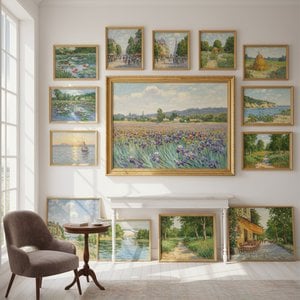
Impressionismin mestariteokset: Maisemamaalauksen lumo ArtsDotissa
Tutustu impressionismin lumoavaan maailmaan! Koe Claude Monet'n, Renoir'n ja muiden mestareiden ikonisten maisemamaalausten tarinat. Löydä inspiraatiota sisustukseen ArtsDotista – taidetta museolaadulla. Explore the full collection online!

Beyond the Horizon: A Curated Guide to Integrating Post-Impressionist Landscapes into Modern Interiors
Transform your home with the emotive power of Post-Impressionist landscapes. Discover expert tips on selecting hand-painted oil reproductions to create a soulful, vibrant interior that reflects your unique style and connection to nature.

Penry Williams: Evoking Welsh Nostalgia Through Impressionistic Landscapes
Explore the captivating world of Penry Williams (1802-1885), a Welsh artist renowned for his evocative Impressionistic landscapes and scenes of Italy. Discover his life, style & legacy with ArtsDot.

Top 10 Impressionistimaisemaa: Taideteokset jotka muuttivat taiteen – ArtsDot.fi
Tutustu 10 ikoniseen impressionistimaisemaan! Claude Monet’n ja muiden mestareiden teokset heräävät eloon. Taiteen historiaa, tekniikoita ja inspiraatiota kotiisi – ArtsDot.com:sta löydät museolaatuiset taideprintit ja sisustusehdotukset. Tutki kokoelma verkossa!