


Kuva noudattaa valintojasi: , .
Keräilykohteen kuvaus
Explore the Arts and Crafts movement's influence on ceramic art with William Morris’s Petroglyph Vessel – a beautifully textured vase blending organic lines and vibrant blues, reds, and yellows.
 Lue lisää
Taiteilijan elämäkerta
Tutustu William Hogarthin mestariteokseen: Kapteeni Thomas Coramin muotokuva vuodelta 1740. Löydä taiteellinen innovaatio, sosiaalinen vastuu ja brittiläisen taiteen ylpeys!
Käsinmaalattu öljyvärinen jäljennös
Käsinmaalattu öljyväri kankaalle haluamassasi koossa ja kehyksissä, taiteilijoidemme valmistamana tilauksesta. ( Vaihda tulosteeseen Siirry digitaaliseen kuvaan)
Lisää tästä teoksesta
 Esikatselu
 Jaa teos
 Jaa
Jaa
 Tiedot
 Opas
Opas

 Lataa kuva
 Samanlaisia kohteita
 Röntgenkuvaus
 Diaesitys
 Kysymykset ja vastaukset
 Tilastot
Tilaa maalauksesi neljässä helpossa vaiheessa
Älä kiirehdi. Voit muuttaa mitä tahansa vastausta; tilauksesi loppusumma päivittyy jokaisen valinnan myötä.
1 Ensimmäinen vaihe neljästä
Minkä kokoisen haluaisit?
Nämä koot säilyttävät alkuperäisen maalauksen mittasuhteet. Piirros näyttää valitsemasi koon seinällä, kahden metrin pitkän sohvan yläpuolella.
Tai anna omat mitat
Valitse valmiista mitoistamme sellaiset, jotka vastaavat teoksen alkuperäisiä mittasuhteita.

Kirjoita tarvitsemasi leveys ja korkeus, jotta teos sopii kehyksiisi tai seinällesi. Koska kyseessä on käsinmaalattu teos, taiteilija voi maalata hieman enemmän kuvan ympärille tai rajata sitä hieman, jos haluat eri muotoisen koon — valinta on sinun. Lähetämme sinulle digitaalisen mallikuvan hyväksyttäväksi ennen kuin maalaus alkaa. Tällä sivulla näkyvä kuva ei vastaa lopullista tulosta — vain mallikuva näyttää sen.
2 Toinen vaihe neljästä
Miten teoksen tulisi olla valmiina: rullattuna, kangasjännitteenä vai kehystettynä?
Alla olevat hinnat koskevat ensimmäisessä vaiheessa valitsemaasi kokoa.
Valitse kangaspinnan reunat
Valitse kehys

Valkoinen reuna €1

pehmennetty reuna €1

Jatkuva reuna €1

P118B €10

P118H €10

P118W €10

P438Z €10

P508JH €12

P508YH €12

P805H €10

P805Z €10

P919BZ €10

P919G €10

P919XJ €10

P959ZH €10

P968JZ €12

W106C €8

W218G €10

W218JH €8

W218Y €10

W307PJ €10

W316G €10

W316PJ €8

W316Y €10

W398PJ €8

W4111J €10

W500HY €15

W500JH €15

W692G €12

W849H €8

W940BG €15

W953PJ €8

H24-GOLD €30

H24-SILVER €30

H36-GOLD €45

H36-SILVER €45
Kehystetty
Kehystys: . Kokonaismitat kehyksen kanssa: .
3 Kolmas vaihe neljästä
Haluaisitko tehdä maalaukseen jonkin muutoksen?
Useimmat vastaavat kieltävästi. Koska jokainen maalaus on käsintehty, taiteilijamme voi myös muokata sitä sinua varten.
Tilauksen jälkeen ArtsDot.com -tiimi lähettää asiakkaalle sähköpostia ohjeita varten ja toimittaa luonnoksen esikatselun
4 Neljäs vaihe neljästä
Muutamia viimeistelyvaihtoehtoja
Kaikki ovat valinnaisia. Jo valitut vastaukset eivät aiheuta lisäkustannuksia.
Kuka sen maalaa?
Maailmanlaajuinen toimitus () 3–4 viikossa tavallisen 5 viikon sijaan. (10 marraskuu). Laadusta ei tingitä.
Nimikyltti, kuten museossa?
Kaiverretun pronssilaatan tiedot
This elegant plaque features the artist's name and the title of the artwork, finely engraved for a timeless presentation.
It is made from bronze with a refined, elegant finish. The text is precisely laser-engraved for a sharp and permanent result. Measuring 9x2 cm, the plaque is compact yet easy to read. It's built to be durable and scratch-resistant, offering a professional, museum-quality look. Mounting is simple thanks to the included adhesive backing.
Läpinäkyvän akryylilaatan tiedot
The plaque includes essential engraved details such as the artist's name, the title of the artwork, the date it was created, the type of media used-like oil on canvas or watercolor-a brief description of the piece, and a QR code that links to the complete artwork information.
It is crafted from clear acrylic, offering a sleek, modern appearance. The text is UV-engraved in black to ensure strong visual contrast. With a size of 10x15 cm, it ensures optimal readability. It comes equipped with two metal hooks for secure wall mounting. The plaque is designed to be weather-resistant, making it suitable for various environments, and it includes interactive features that work seamlessly with smartphone scanning.
Mustan akryylilaatan tiedot
This elegant plaque includes engraved information such as the artist's name, the title of the artwork, the date it was created, the type of media used (like oil on canvas or watercolor), a short description of the artwork, and a QR code for quick access to more information.
The plaque itself is made from refined black acrylic with a premium finish. The text is laser-engraved in white for high contrast and readability. Its size is 10x15 cm, designed to be easy to read. It comes with two metal hooks for professional mounting. The design is sleek and fits any interior style. It is also weather-resistant and durable, with built-in digital integration for mobile compatibility.
Suojaava lakka?
Milloin tarvitset sen?
✓ Tarkista ja tilaa
Maalauksesi juuri niin kuin tilasit

Petroglyph Vessel
Reproduktiotekniikka
Replikaatin koko
-

Kokenut huipputaiteilija
Lisää yksityiskohtia, hienostuneisuutta ja enemmän aikaa tuotantoon
-

Reproduktion kehystysvaihtoehdot
-
-
Teoksille tai reproduktioille, joiden mikä tahansa sivu on suurempi kuin 105 cm (noin 41 tuumaa), kehys toimitetaan osina purettuna sarjana. Tämä menetelmä varmistaa turvallisen toimituksen ja ehkäisee vaurioita kuljetuksen aikana.
Vaatii ammattimaista kokoamista – kyseessä ei ole tee-se-itse-tuote.
Sarja on koottava ja kangas kiristettävä kokeneen kehystysammattilaisen toimesta käyttäen puuliimaa (ei sisälly pakkaukseen), kangaspinnetteitä ja puristimia, jotta kehyksen kulmat pysyvät suorina liiman kuivuessa. Virheellinen kokoaminen tai epätasainen kankaan kiristys voi vaurioittaa teosta pysyvästi, eikä tällaiset vauriot ala takuun piiriin.
 Teoksille tai reproduktioille, joiden mikä tahansa sivu on suurempi kuin 105 cm (noin 41 tuumaa), kehys toimitetaan osina purettuna sarjana. Tämä menetelmä varmistaa turvallisen toimituksen ja ehkäisee vaurioita kuljetuksen aikana.
Kaikki massiivipuupalat sisältyvät, tarkasti mittojen mukaan leikattuina.
Kootaan mukana tulevilla ruuveilla sekä kulmaliitoksia varten tarvittavalla puuliimalla, jota ei toimiteta, joten se on hankittava kehystäjältä.
Vaatii ammattilaisvälineitä, jotka eivät sisälly pakkaukseen: kankaan venytyspihdit (kiristin) ja puristimet, joilla pidetään kehyksen puut suorassa liiman kuivuessa.
Tärkeää:
Kulmaliitoksissa tarvitaan puuliimaa, kehyksien osat on pidettävä puristimilla, kunnes liima on täysin kuivunut, ja koottuun kehykseen jännitettävän kankaan kiristämiseen tarvitaan kangaspenssipihti. Mikään näistä ei sisälly pakkaukseen. Suosittelemme varmistamaan kokeneen kehystäjän saatavuuden ennen tämän kokoisen kehyksen tilaamista.

Nimilaatta
-
-

Suojalakkaus
Kiiltävä lakka (syventää värejä, suojaa valolta ja kosteudelta)
-

Mukauta taideteokseni
Esimerkkejä muokattavista asioista: Vaihda kasvot asiakkaan omaan valokuvaan; Lisää lemmikki (esim. vaihda kissa koiraan); Lisää taustalle piilotettu viesti; Muuta taustan maisemaa tai elementtejä.
-

Pikatoimitus
Maailmanlaajuinen toimitus () 3–4 viikossa tavallisen 5 viikon sijaan. (10 marraskuu). Laadusta ei tingitä.
-
Pikatoimitus
Maailmanlaajuinen toimitus () 5 viikon kuluessa. (17 marraskuu).
Sisältyy hintaan
Kokonaishinta
€ 235
Lasivaihtoehto on saatavilla vain alle 110 cm kokoisille teoksille
Sisältyy jokaiseen tilaukseen
- Ilmainen pikatoimitus ympäri maailman
- Korkealaatuinen pellavakangas
- Kattava kuljetusvakuutus
- Tulliveron palautustakuu
- Takuu täydellisestä värien vastaavuudesta
- 100 päivän palautusoikeus (vain valmistusvirheet)
- 100% rahat takaisin -takuu
- Määräalennus tarjolla


A Vessel Echoing Ancient Whispers: Exploring William Morris’s Petroglyph Vase
The ceramic vase stands quietly in the gallery light, its unassuming form concealing a profound connection to artistic heritage and a masterful embodiment of Arts and Crafts ideals. Created in 1987 by William Morris—a name synonymous with organic beauty and romantic storytelling—this piece transcends mere decoration; it’s an invitation into a world where craftsmanship speaks louder than convention and nature reigns supreme.The Inspiration Behind the Design
Morris's artistic vision stemmed from a deep reverence for the medieval past, specifically the traditions of Celtic and Norse art. He drew inspiration from petroglyphs—ancient rock carvings found across Europe—where stylized images convey narratives and spiritual beliefs through simplified forms and repetitive patterns. These symbols weren’t intended to represent literal depictions but rather to evoke emotions and communicate ideas in a timeless manner – mirroring the vase's aim to capture essence rather than precise detail. The artist deliberately eschewed academic precision, prioritizing instead an intuitive understanding of visual language rooted in folklore and mythology.A Symphony of Color and Texture
The vase’s palette—dominated by blues and reds accented with yellows and greens—reflects Morris’s belief that color possesses inherent moral qualities. Deep navy blues symbolize tranquility and contemplation, while vibrant reds evoke passion and vitality. These hues are skillfully blended to create a harmonious visual experience, mirroring the natural world's interplay of light and shadow. Furthermore, the textured glaze—a technique honed by Morris’s workshop—adds another layer of complexity. Visible mottled effects across the surface emulate the weathered appearance of stone formations, grounding the vase in its artistic inspiration and emphasizing the tactile quality of handmade artistry. The artist meticulously applied pigment to achieve this effect, demonstrating a dedication to material exploration that was characteristic of the Arts and Crafts movement.Craftsmanship as Moral Expression
Morris championed craftsmanship not merely as a skill but as a moral imperative—a way of honoring tradition and elevating the everyday through meticulous attention to detail. He firmly opposed mass production, advocating instead for handcrafted objects created with care and imbued with artistic intention. The vase exemplifies this ethos; its creation demanded considerable labor and expertise, reflecting Morris’s conviction that beauty arises from purposeful engagement with materials and techniques. This dedication to artisanal excellence aligns perfectly with the Arts and Crafts movement's broader critique of industrialization and its celebration of handcrafted artistry as a counterpoint to soulless uniformity.Symbolism Beyond Surface Decoration
Beyond its aesthetic qualities, the vase’s design carries symbolic weight. The curvilinear forms—inspired by Celtic spirals—represent cycles of life and death, mirroring Morris's fascination with natural rhythms and spiritual transformation. Similarly, the repetition of geometric patterns echoes the stylized imagery found in petroglyphs, reinforcing the connection to ancient traditions and conveying a sense of timelessness. These subtle visual cues invite contemplation and encourage viewers to consider the vase as more than just an object—but as a vessel for conveying profound ideas about beauty, spirituality, and human connection to the natural world.A Legacy Enduring Through Reproduction
Today, reproductions of Morris’s Petroglyph Vase offer art lovers and collectors alike the opportunity to experience the enduring power of Arts and Crafts artistry. By capturing the essence of Morris's vision—his reverence for nature, his commitment to craftsmanship, and his belief in the moral significance of artistic expression—these high-quality prints allow admirers to bring a piece of this remarkable heritage into their homes.Kysymykset ja vastaukset
Voiko teoksen "Petroglyph Vessel" nähdä lisätyn todellisuuden (AR) esikatseluna?
Teoksen William Morris:n "Petroglyph Vessel" Tarkastele teosta AR-tilassa sivu käyttää lisättyä todellisuutta näyttääkseen teoksen omassa tilassasi yhteensopivalla laitteella.
Mikä on teoksen William Morris:n "Petroglyph Vessel" valmistumisvuosi ja tyylisuunta?
"Petroglyph Vessel" on luotu vuonna 1987 Arts and Crafts-suuntauksen teoksena. Teoksen valmistumisvuosi ja tyylisuunta ankkuroivat sen taidehistoriaan.
Milloin teos William Morris:n "Petroglyph Vessel" on luotu?
Teos William Morris:n "Petroglyph Vessel" on valmistunut vuonna 1987.
Samankaltaisia teoksia


William Morris
1834 - 1896, Iso Britannia
Taiteilijan elämäkerta
William Morris (1834–1896) – A Life Rooted in Nature and Romance
William Morris, born on March 24, 1834, in Walthamstow, Essex, emerged from a comfortably affluent middle-class background—a circumstance that afforded him the freedom to pursue passions rather than professions. His father’s success as a financier provided not only security but also an environment where aesthetic sensibilities could flourish. Morris's childhood was deeply shaped by the English countryside surrounding his home and a fascination with tales of medieval chivalry, laying the groundwork for a lifelong devotion to both natural beauty and romantic narratives. These early influences weren’t merely sentimental; they formed the core of his artistic philosophy. He wasn’t simply *inspired* by nature or the past—he believed in their inherent moral and aesthetic superiority to the rapidly industrializing present. His formal education at Oxford University initially steered him toward a clerical path, but it was within the vibrant intellectual circles of the university that his true calling began to take shape. He joined “The Set,” a group of students who shared an intense interest in art, literature, and medieval history, forging friendships—most notably with Edward Burne-Jones—that would profoundly impact his artistic trajectory. It was during this period that he encountered the writings of John Ruskin, whose critique of industrial society and advocacy for craftsmanship resonated deeply with Morris’s burgeoning beliefs.The Arts & Crafts Revolution
Following Oxford, a brief foray into architecture quickly gave way to painting, as Morris collaborated with Dante Gabriel Rossetti on mural projects. However, it was the founding of Morris, Marshall, Faulkner & Co. in 1861—later known simply as Morris & Co.—that marked a pivotal moment, not just in his career but in the history of design. This wasn’t merely a business venture; it was an attempt to create a new way of life, one where art permeated every aspect of daily existence and craftsmanship was valued above all else. Alongside Burne-Jones, Rossetti, Philip Webb, and others, Morris sought to revive traditional techniques and produce beautiful, well-made objects for the home. The firm’s early work was profoundly influenced by Red House, a home Morris commissioned from Webb—a structure that embodied the Arts & Crafts ideal of creating a unified aesthetic environment through handcrafted furnishings and decoration. Morris became a leading voice in the burgeoning Arts & Crafts movement, championing handmade craftsmanship as an antidote to the perceived dehumanizing effects of mass production. He believed passionately that art should be accessible to all, not just the wealthy elite, and that it should be integrated into everyday life—a radical notion at a time when design was often seen as separate from function. This conviction extended beyond mere aesthetics; it was rooted in a deep social conscience and a desire to improve the lives of working people.A Legacy Woven in Textiles, Poetry, and Print
Morris’s creative energy wasn’t confined to the visual arts; he was also a prolific writer, composing poetry, novels, and translations. *The Earthly Paradise* (1868–1870) and *News from Nowhere* (1890) are testaments to his literary talent and his utopian vision of a society rooted in craftsmanship and social justice. He didn’t just *design* these patterns; he immersed himself in the process of their creation, understanding the nuances of dyeing techniques and weaving methods. While Morris & Co. encompassed a wide range of decorative arts—furniture, stained glass, carpets—he is perhaps most celebrated for his textile designs. These weren’t simply patterns; they were intricate narratives woven with flowing floral motifs, lush foliage, and rich, evocative colors. His wallpapers, in particular, revolutionized interior design, moving away from the sterile imitations prevalent during the Victorian era toward nature-inspired creations that were both beautiful and functional. He revived the art of tapestry making, producing large-scale narrative tapestries based on medieval romances and Arthurian legends—works that showcased his skill as a storyteller and his deep connection to the past.Socialism, Conservation, and Enduring Influence
Morris’s commitment extended beyond aesthetics into the realm of social activism. He became increasingly involved in socialist politics, advocating for workers' rights and social reform. He believed that a truly beautiful society couldn’t exist without economic equality and justice—a conviction that informed both his art and his political writings. Morris founded Kelmscott Press in 1890, aiming to produce high-quality books with beautiful typography and illustrations – a venture that profoundly influenced modern book design. His vision of a world where beauty and utility are intertwined—and where art is accessible to all—remains as relevant today as it was in the 19th century. William Morris wasn’t just an artist; he was a visionary who sought to transform society through the power of design, craftsmanship, and social justice.

Aiheeseen liittyvät artikkelit
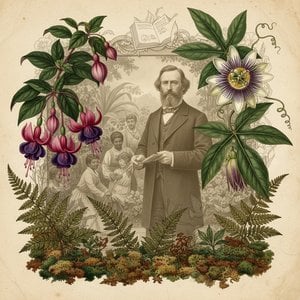
William Salter: A Life Immersed in Colour – Victorian Botanical Art & Social Vision
Explore the life & art of William Salter (1804-1875), a Victorian master renowned for his botanical illustrations and striking portraits. Discover his social vision & legacy at ArtsDot.

The Alchemy of Clay: A Collector's Guide to the Mastery, Texture, and Timeless Form of Ceramic Art
Discover the profound beauty of ceramic art. Our expert guide explores the alchemy of clay, texture, and glaze, offering collectors deep insights into mastering earth and fire to create timeless, sculptural masterpieces for any curated collection.

Sir William Blake Richmond: A Visionary of Aestheticism & Symbolism
Explore the life & art of Sir William Blake Richmond, a pivotal figure bridging Pre-Raphaelitism and Aestheticism. Discover his stunning portraits, mosaics at St Paul's Cathedral, and lasting influence on Victorian art.