

 Esikatselu
 Jaa teos
 Jaa
Jaa
 Tiedot
 Opas
Opas

 Lataa kuva
 Samanlaisia kohteita
 Röntgenkuvaus
 Diaesitys
 Kysymykset ja vastaukset
 Tilastot
Giusto Ferdinando Tenducci


 Lue lisää
Giclée- ja taideprintit
Museolaatuisia giclée- tai kankaitaulun tulosteita nopealla tuotannolla ja joustavilla viimeistelyvaihtoehdoilla. ( Osta käsinmaalattu taideteos Siirry digitaaliseen kuvaan)




P118B €10

P118H €10

P118W €10

P438Z €10

P508JH €12

P508YH €12

P805H €10

P805Z €10

P919BZ €10

P919G €10

P919XJ €10

P959ZH €10

P968JZ €12

W106C €8

W218G €10

W218JH €8

W218Y €10

W307PJ €10

W316G €10

W316PJ €8

W316Y €10

W398PJ €8

W4111J €10

W500HY €15

W500JH €15

W692G €12

W849H €8

W940BG €15

W953PJ €8




Valitse valmiista mitoistamme sellaiset, jotka vastaavat teoksen alkuperäisiä mittasuhteita.

Syötä tarvitsemasi leveys ja korkeus, jotta tuloste sopii kehyksiisi tai seinällesi. Tulostetta voidaan vain leikata, sitä ei voida koskaan suurentaa alkuperäistä kuvaa suuremmaksi, joten eri muotoinen koko aiheuttaa osan kuvasta katoamisen. Lähetämme sinulle digitaalisen mallikuvan hyväksyttäväksi ennen kuin aloitamme tulostuksen. Tällä sivulla näkyvä kuva ei näytä lopullista rajausta — vain mallikuva näyttää sen.
Maailmanlaajuinen toimitus () 2 viikossa tavallisen 4–5 viikon sijaan. (6 marraskuu)

Ilmainen pikatoimitus ympäri maailman

Korkealaatuinen pellavakangas

Kattava kuljetusvakuutus

Tulliveron palautustakuu

Takuu täydellisestä värien vastaavuudesta

100 päivän palautusoikeus (vain valmistusvirheet)

100% rahat takaisin -takuu

Määräalennus tarjolla
 Lasivaihtoehto on saatavilla vain alle 110 cm kokoisille teoksille

Giusto Ferdinando Tenducci
Giclée- ja taideprintit
Replikaatin koko
-


Kokonaishinta
€ 56
The Enigmatic Voice Captured – Giusto Ferdinando Tenducci
Thomas Gainsborough’s portrait of Giusto Ferdinando Tenducci, painted circa 1773-1775, is more than a simple likeness; it's a carefully constructed tableau brimming with the spirit and allure of the late 18th-century operatic world. The subject himself – a castrato opera singer renowned for his captivating voice and flamboyant personality – embodies a fascinating intersection of artistry, performance, and societal constraints. Tenducci’s stillness, captured in a moment of apparent repose, belies the vibrant energy he undoubtedly possessed on stage, suggesting a brief pause between performances or perhaps a quiet contemplation of his craft.
The painting immediately draws the eye to Tenducci's face – a study in serene composure. His eyes are closed, creating an intimate and almost melancholic effect, as if inviting the viewer into his inner world. The subtle curve of his lips hints at a gentle smile, suggesting a man accustomed to adoration and appreciative applause. Gainsborough masterfully utilizes light and shadow to sculpt Tenducci’s features, emphasizing the delicate structure of his face and the rich texture of his hair – meticulously powdered in the fashionable style of the era. The muted palette, dominated by browns, blues, and creams, contributes to a sense of understated elegance, allowing Tenducci's presence to command attention without resorting to overt display.
A Window into Georgian Society & Opera’s Rise
To fully appreciate this portrait, one must understand the context in which it was created. The 1770s marked a golden age for opera in Britain, fueled by Italian influence and a growing appetite among the aristocracy for lavish theatrical productions. Castrati singers – men who had undergone castration to preserve their vocal range and agility – were immensely popular, commanding enormous fees and attracting devoted audiences. Their voices, often described as possessing an ethereal quality, were considered uniquely beautiful and captivating.
Gainsborough’s fascination with music is evident throughout his oeuvre, and this portrait reflects a deep engagement with the cultural phenomenon of opera. He wasn't merely depicting a singer; he was capturing the essence of performance itself – the anticipation, the artistry, and the connection between performer and audience. The inclusion of the sheet music in Tenducci’s hand serves as a potent symbol of his profession, grounding the portrait within the world of musical creation.
Technique & Gainsborough's Signature Style
Gainsborough’s technique is characterized by its loose brushwork and vibrant color palette. He employed a ‘broken’ style, layering thin washes of paint to create a sense of luminosity and movement. Notice the subtle variations in tone – the delicate highlights on Tenducci’s forehead, the soft shadows that define his features, and the hazy atmosphere surrounding him. These details contribute to the painting's remarkable depth and realism.
The composition is carefully balanced, with Tenducci positioned slightly off-center, creating a sense of dynamism. Gainsborough’s use of light is particularly noteworthy – it appears to emanate from the left side of the canvas, casting gentle shadows on the right, which adds depth and drama to the scene. The artist's signature, “Gainsborough,” is discreetly placed in the lower right corner, a testament to his confidence and skill.
Symbolism & Emotional Resonance
Beyond its technical merits, this portrait resonates with profound symbolism. Tenducci’s closed eyes evoke a sense of introspection and vulnerability, suggesting that beneath the surface of performance lies a complex and perhaps melancholic soul. The sheet music represents not only his profession but also his passion and dedication to his art. The overall mood is one of quiet dignity and understated elegance – a testament to Gainsborough's ability to capture the essence of his subject with remarkable sensitivity.
This painting offers a rare glimpse into the world of Georgian opera, inviting us to contemplate the artistry, the social context, and the emotional depth of a truly exceptional performer. It’s a captivating work that continues to resonate with viewers today, reminding us of the enduring power of music and art to move and inspire.
Kysymykset ja vastaukset
Mitä Thomas Gainsborough:n "Giusto Ferdinando Tenducci" esittää?
Teoksen Thomas Gainsborough:n "Giusto Ferdinando Tenducci" teemoihin kuuluvat portraiture, baroque, music, seventeenth century, castrato, england, tenducci. Yhdessä ne tiivistävät teoksen aiheen.
Milloin "Giusto Ferdinando Tenducci" on luotu ja mihin taidesuuntaukseen se kuuluu?
"Giusto Ferdinando Tenducci" on tehty vuonna 1775 Rococo Painting-suuntauksen piirissä.
Mitä aihetta ja tunnelmaa Thomas Gainsborough:n "Giusto Ferdinando Tenducci" yhdistää?
Thomas Gainsborough:n "Giusto Ferdinando Tenducci" yhdistää portraiture, baroque, music, seventeenth century, castrato, england, tenducci-aiheet Calm-tunnelmaan.
Samankaltaisia teoksia


Taiteilijan elämäkerta
A Suffolk Beginning: The Early Life and Artistic Awakening
Thomas Gainsboroughin tarina, yksi Britannian tunnetuimmista taiteilijoista, avautuu ei muun muassa suuren akatemian tai vilkkaamman metropolikaupungin sisällä, vaan rauhallisessa Sudburyn markkinakaupungissa, Suffolkissa. Syntynyt vuonna 1727, John Gainsboroughin, kankaanvalmistajan ja vaimonsa Mary Gainsboroughin nuorin poika, nuori Thomas osoitti luontaista taiteellista aistimusta jo erittäin varhain. Vaikka hänen veljensä tavoittelivat perinteisempiä polkuja, Thomasin maailma upposi nopeasti piirtämiseen ja maalaamiseen – pieniä itseportraitsseja ja herkkiä maisemia syntyen hänen kädestään jopa ennen kymmenen vuoden ikää. Tämä etumerkkiusko ei ollut pelkästään lapsuuden harrastus; se oli näyn kehittyminen, joka muokkaisi brittiläistä taidetta. Hänen isänsä, joka tunnusti tämän ainutlaatuisen lahjan, kannusti sen kehitystä, asettaen nuoren Thomasin polun, joka erosi selvästi perheen kauppatavasta. Suffolkin itse maasto tuli hänen ensimmäiseksi ateljeekseen, imeyttäen myöhempiin töihin syvän ja pysyvän rakkauden englantilaisen maan luontoon – piirteen, joka erottui hänen uransa ajan alusta lähtien. Tämä varhainen uppoutuminen maisemaan ei ollut vain kaiken toistamista, vaan *tuntemista* englantilaisen maan hengen, tunteen, joka läpäisi hänen maalinsa vuosikymmenten ajan.London and the Shaping of a Style: Influences and Early Commissions
Vuonna 1740, kolmetoista vuoden ikäisenä Gainsborough matkusti Lontooseen, aloittaen muodollisia taidetta opiskelevan Hubert Gravelotin, ranskalaisen kaivertajan, johdatusa. Tämä altistuminen osoittautui ratkaisevaksi, sillä se esitteli hienostuneita tekniikoita ja muodin estetiikkaa. Kuitenkin hänen liittymisensä William Hogarthin ja St Martin’s Lane Academyn kanssa alkoi todella muokata hänen taiteellista identiteettiään. Aluksi vaikutuksen alla oli Hogarthin tarinallinen lähestymistapa, mutta Gainsborough kartoitti pian oman polkunsa, kehittäen tunnusomaisen tyylinsä, joka oli sen keveän kosketuksen, virtaavan siveltimen ja hienovaraisen värimaailman vuoksi. Hän oppi opit eri mestareilta, mutta vastusti tiukkaa noudattamista mihinkään tiettyyn kouluun, luoden polun, joka yhdisti havainnon mielikuvituksen kanssa. Palattuaan Sudburyyn noin 1748 Margaret Burrin kanssa, Gainsborough perusti itsensä muotokuvamaalariksi paikallisten aateliston ja kauppiaiden keskuudessa. Tämä aikakausi hionti hänen taitojaan ihmishahmojen vangitsemisessa ja persoonallisuuden esittämisessä, mutta se oli myöhemmin hänen siirtymistään Ipswichiin ja myöhemmin Baathiin, jossa hän houkutteli monien varakkaiden kylpylävierailijoiden keskuudesta enemmän sofistikoitua asiakaskuntaa. Hänen muotokuvansa eivät olleet vain esityksiä; ne olivat lausuntoja identiteetistä ja sosiaalisesta asemasta.Bath and Beyond: Portraiture, Landscape, and Royal Patronage
Baathin (1759-1774) vuodet merkitsivät Gainsboroughin uran merkittävää käännekohtaa. Kaupunki oli muodollisen yhteiskunnan keskus, joka tarjosi hänelle runsaasti mahdollisuuksia maalata muotokuvia varakkaiden ja vaikutusvaltaisten ihmisten keskuudessa. Hän sai nopeasti mainetta ei vain fyysisen samankaltaisuuden vaan myös hahmon ja sosiaalisen aseman vangitsemisesta. Hänen muotokuvansa eivät olleet pelkästään esityksiä; ne olivat lausuntoja identiteetistä ja sosiaalisesta asemasta. Vaikka hän oli keskittyneenä muotokuvien maalaamiseen, Gainsborough ei koskaan luopunut intohimostaan maisemamaalaukseen. Oikeastaan hän yhdisti usein nämä kaksi genreä yhdeksi kokonaisuudeksi innovatiivisilla tavoilla. Tämä innovatiivinen lähestymistapa – tunnusmerkki hänen tyylilleen – erotti hänet monista vastustajistaan. Vaikka monet maalariensa keskuudessa keskittyivät tarkkaan esitykseen, Gainsboroughin työ oli paljon luovempaa ja tunteellisempaa. Kun hän keräsi asiakkaita kaupungissa, hän sai ystäviä musiikki- ja teatteriyhteisöjen kautta. Erityisen merkittäväksi muodostui ystävyys Linleyn perheen kanssa, jonka jäsenistä hän maalasi muotokuvia.A Legacy of Innovation: Enduring Appeal and Influence
Thomas Gainsborough kuoli vuonna 1788, jättäen jälkeensä teoksen, joka vangitsee edelleen katsojien huomion. Hänen vaikutuksensa myöhemmän sukupolven brittiläisten taiteilijoiden urassa on kiistaton. Hän vapautti muotokuvarealismia jäykkästä muodollisuudesta ja inspiroi sitä tunteellisen resonanssin kautta. Hänen kevyet siveltimet ja tunnelmalliset efektit avasivat tien impressionisteille, kun taas hänen runolliset maisemansa inspiroivat taiteilijoita kuten John Constablea, joka arvosti syvästi Gainsboroughin kykyä vangita englantilaisten maan henki. Gainsboroughin perintö ei rajoitu tekniikkaan; se perustuu hänen ihmishahmojen ja mielikuvituksen syvälliseen ymmärrykseen sekä taiteellisen ilmaisun vakauteen. Hän ei ollut pelkästään maalari muotokuvia tai maisemia; hän oli tarinankertoja, valon ja värin runoilija ja visioiva henkilö, joka muutti brittiläistä taidetta.Exploring Gainsborough's World Today
Thomas Gainsboroughin teosten kokeminen on edelleen helposti saatavilla. Gainsborough’n talo, hänen kotikaupungissaan Sudburyssa, toimii testamenttina hänen elämälleen ja teoksilleen, tarjoten vieraileville ihmisille intiimin näkemyksen varhaisista vaikutteistaan ja taiteellisesta kehityksestään. Christchurch Mansionissa Ipswichissa on merkittävä kokoelma Gainsboroughin maalauksia yhdessä Constablen ja muiden mestarien teosten kanssa. Monet museot ympäri Iso-Britanniaa ja maailmalla esittelevät hänen mestariteoksiaan, mukaan lukien National Gallery Lontoossa ja Metropolitan Museum of Art New Yorkissa. Hänen työnsä tutkitaan edelleen, analysoidaan ja juhlitaan, mikä varmistaa, että hänen taiteellinen näkemyksensä säilyy sukupolvien ajan. Gainsboroughin taiteen kestävä vetovoima ei perustu pelkästään sen tekniseen loistoon vaan myös ajattomuuteen ja tunteelliseen syvyyteen – ominaisuuksiin, jotka resonoi katsojien kanssa vuosisatojen ajan. Hänen maalauksensa ovat todiste voimasta havainnolle, mielikuvitukselle ja englantilaisen maan pysyvän viehätyksen.
Thomas Gainsborough
1727 - 1788 , Iso-Britannia
Pähkinänkuoressa
- Artistic Movement Or Style: Rokokko, muotokuvaus
- Artists Or Movements Influenced By This Artist: ['John Constable']
- Artists Who Influenced This Artist:
- Hubert Gravelot
- William Hogarth
- Date Of Birth: 1727
- Date Of Death: 1788
- Full Name: Thomas Gainsborough
- Nationality: Englannin taidemaalari
- Notable Artworks:
- Mrs. Thomas Gainsborough
- Mr and Mrs Andrews
- Place Of Birth (City And Country): Sudbury, Iso-Britannia
Aiheeseen liittyvät artikkelit

John Singer Sargent's 25 Masterpieces: Portraits & Beyond | ArtsDot
Explore 25 iconic John Singer Sargent paintings – from dazzling portraits to Impressionist landscapes. Discover the stories behind Madame X, El Jaleo & more! Find museum-quality art reproductions and elevate your home decor with ArtsDot.com.

Rokokoon mestariteokset: Taidetta ja eleganssia kotiisi – ArtsDot.com
Uppoudu rokokoon maailmaan! Tutustu 10 mestariteokseen – Fragonard, Watteau ja muut. Taidetta, eleganssia & inspiraatiota kotiisi. Laadukkaat taideprintit ArtsDot.com:ssa. Explore the full collection online!

The Rococo Style: Aristocratic Leisure & the Pursuit of Delight in 18th-Century Art
Explore the opulent world of Rococo art! Discover Watteau, Boucher & Nattier's masterpieces. Expert insights for collectors seeking museum-quality reproductions and custom portraits at ArtsDot.

The Rococo Aesthetic: Opulence, Rebellion & the Pursuit of Pleasure in 18th-Century Art
Explore the opulent world of Rococo art! Discover its origins, key artists like Watteau & Boucher, and lasting influence on design. Expert insights for collectors & enthusiasts.
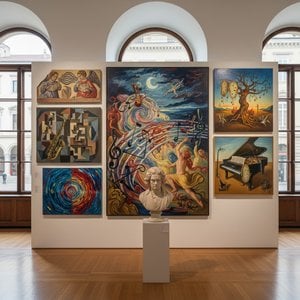
Harmonies on Canvas: Exploring the Visual Representation of Music in Art History
Explore the fascinating history of music's visual representation in art! From ancient symbolism to modern abstraction, discover how artists have captured sound and emotion on canvas. Expert insights & stunning examples.


