

 Esikatselu
 Jaa teos
 Jaa
Jaa
 Tiedot
 Opas
Opas

 Lataa kuva
 Samanlaisia kohteita
 Röntgenkuvaus
 Diaesitys
 Kysymykset ja vastaukset
 Tilastot
Gustave Klimt


 Lue lisää
Tällä sivulla esitettyä taideteosta suojaa tekijänoikeuslaki, mikä tarkoittaa, ettemme voi laillisesti luoda tai myydä täsmälleen samanlaista jäljennöstä. Tämä suoja toteutetaan kansainvälisten sopimusten, kuten esimerkiksi Berne-konventio ja kansallisilla laeilla, mukaan lukien niillä määritellyt Yhdysvaltain tekijänoikeuslaki – Luku 17. Kaikki oikeudet pidätetään. Luvaton kopiointi tai jäljittely on kielletty.
Tämä menetelmä noudattaa täysin tekijänoikeussäännöksiä, sillä se ei sisällä suojatun taideteoksen kopioimista tai jäljentämistä. Sen sijaan kyseessä on luova uudelleentulkinta – uusi maalaus, joka ammentaa vaikutteita alkuperäisestä, mutta ei ole sen identtinen kopio.
Giclée- ja taideprintit
Museolaatuisia giclée- tai kankaitaulun tulosteita nopealla tuotannolla ja joustavilla viimeistelyvaihtoehdoilla. ( Osta käsinmaalattu taideteos Siirry digitaaliseen kuvaan)




P118B €10

P118H €10

P118W €10

P438Z €10

P508JH €12

P508YH €12

P805H €10

P805Z €10

P919BZ €10

P919G €10

P919XJ €10

P959ZH €10

P968JZ €12

W106C €8

W218G €10

W218JH €8

W218Y €10

W307PJ €10

W316G €10

W316PJ €8

W316Y €10

W398PJ €8

W4111J €10

W500HY €15

W500JH €15

W692G €12

W849H €8

W940BG €15

W953PJ €8




Valitse valmiista mitoistamme sellaiset, jotka vastaavat teoksen alkuperäisiä mittasuhteita.

Syötä tarvitsemasi leveys ja korkeus, jotta tuloste sopii kehyksiisi tai seinällesi. Tulostetta voidaan vain leikata, sitä ei voida koskaan suurentaa alkuperäistä kuvaa suuremmaksi, joten eri muotoinen koko aiheuttaa osan kuvasta katoamisen. Lähetämme sinulle digitaalisen mallikuvan hyväksyttäväksi ennen kuin aloitamme tulostuksen. Tällä sivulla näkyvä kuva ei näytä lopullista rajausta — vain mallikuva näyttää sen.
Maailmanlaajuinen toimitus () 2 viikossa tavallisen 4–5 viikon sijaan. (7 marraskuu)

Ilmainen pikatoimitus ympäri maailman

Korkealaatuinen pellavakangas

Kattava kuljetusvakuutus

Tulliveron palautustakuu

Takuu täydellisestä värien vastaavuudesta

100 päivän palautusoikeus (vain valmistusvirheet)

100% rahat takaisin -takuu

Määräalennus tarjolla
 Lasivaihtoehto on saatavilla vain alle 110 cm kokoisille teoksille

Gustave Klimt
Giclée- ja taideprintit
Replikaatin koko
-


Kokonaishinta
€ 56
A Collision of Eras: The Poignant Vision of Tammam Azzam
In the evocative piece titled Gustave Klimt, contemporary Syrian artist Tammam Azzam orchestrates a breathtaking dialogue between the gilded splendor of the past and the fractured reality of the present. At first glance, the viewer is drawn into a familiar embrace, recognizing the unmistakable essence of Klimt’s iconic romanticism. However, as the eye wanders across the canvas, the illusion of a seamless masterpiece begins to splinter. Azzam utilizes a sophisticated collage technique that overlays the lush, golden warmth of Art Nouveau with the stark, gritty textures of urban decay. This juxtaposition creates a profound tension, where the timeless beauty of a lover's embrace meets the literal and metaphorical cracks of a world in transition.
The subject matter serves as a hauntingly beautiful meditation on resilience. By integrating elements of modern street art and architectural fragmentation, Azzam transforms a classic symbol of intimacy into a commentary on survival. The presence of contemporary detritus—the subtle inclusion of modern objects like cell phones amidst the painted scenery—acts as a temporal bridge, pulling the viewer out of the historical dreamscape and into our immediate, hyper-connected reality. This technique forces an emotional confrontation: we are asked to witness how much of our classical heritage remains intact when faced with the relentless pressures of modern conflict and urban transformation.
Technique and Visual Narrative
The visual impact of this work lies in its masterful use of contrast. The vibrant yellow palette provides an energetic focal point for any sophisticated space, yet beneath this brightness lies a deep, intellectual gravity. Azzam’s method is not merely a reproduction of a style, but a reimagining of history itself. Through the careful layering of textures, he creates a sense of depth that invites the eye to linger on both the smooth, painted surfaces and the jagged, broken edges of the composition. The image presents a close-up view where a man's face is rendered in stark black against a luminous background, creating a silhouette that feels both intimate and ghostly.
For the discerning collector or interior designer, this artwork offers a unique opportunity to introduce a conversation piece that transcends mere decoration. It functions as an anchor for a room, providing a sense of movement and narrative depth. The way the light seems to emanate from the golden tones, only to be interrupted by the shadows of urban fragmentation, makes it a dynamic element in any curated environment. Whether placed in a minimalist modern gallery or a richly textured classical study, the piece commands attention through its ability to bridge the gap between the museum and the street.
Symbolism and Emotional Resonance
Beyond its aesthetic brilliance, Gustave Klimt carries a heavy emotional weight. It is a work that speaks to the human condition—the struggle to maintain beauty and connection in the face of destruction. The fragmentation of the image serves as a metaphor for the fractured lives of those living through conflict, yet the persistence of the central figures suggests an unbreakable bond of humanity. This duality makes the piece incredibly powerful; it is simultaneously a lament for what has been lost and a celebration of what remains.
Owning a high-quality reproduction of this work allows one to curate an environment filled with meaning. It is more than just art; it is a window into a complex historical and contemporary dialogue. The piece invites viewers to reflect on the fragility of civilization and the enduring power of art to reconstruct our sense of self. For those seeking inspiration, Azzam’s vision provides a profound reminder that even amidst the cracks of a broken world, beauty continues to find a way to emerge.
Kysymykset ja vastaukset
Mikä teos "Gustave Klimt" on?
"Gustave Klimt" on WallArt-teos.
Voiko Atassi Foundation for Art and Culture-museon kokoelmiin kuuluvaa teosta Tammam Azzam:n "Gustave Klimt" jäljentää laillisesti?
Teoksen Tammam Azzam:n "Gustave Klimt" tekijänoikeustilanne on selvä: teos on on edelleen tekijänoikeuden alainen. Sen sijainti museossa Atassi Foundation for Art and Culture ei muuta tätä tilaa.
Miten Tammam Azzam:n "Gustave Klimt" yhdistää Contemporary Art-suuntauksen taiteilijan kotimaahan?
Gustave Klimt on Tammam Azzam tekemä teos, joka on syntynyt Contemporary Art-suuntauksen vaikutuksesta; taiteilija on kotoisin Syrian Arab Republic. Taiteilijan alkuperä yhdistää teoksen Contemporary Art-tyyliin, jota Syrian Arab Republic-maasta kotoisin olevat taiteilijat edustavat.
Samankaltaisia teoksia


Taiteilijan elämäkerta
Tammam Azzam: Bridging Destruction and Beauty Through Collage
Tammam Azzam (born Damascus, Syrian Arab Republic in 1980) is a Syrian artist whose distinctive approach to visual storytelling combines the grandeur of European masters with the stark realities of urban decay. His work powerfully confronts themes of loss, resilience, and the imperative to rebuild after conflict—a reflection of his own experiences navigating the turbulent landscape of Syria’s recent history. Graduating from Damascus Faculty of Fine Arts in 2001, Azzam honed his skills through intensive workshops led by Marwan, a celebrated Syrian artist who profoundly shaped his artistic vision. Initially experimenting with mixed media, he swiftly recognized the potential of collage as a medium to articulate complex emotions and narratives.- Early Influences: Marwan’s mentorship instilled in Azzam a dedication to confronting difficult subjects with sensitivity and artistry.
- The Klimt Overlay Technique: Azzam gained international acclaim in 2013 when he pioneered the innovative method of layering photographs of bombed buildings onto reproductions of iconic artworks like Gustav Klimt's *The Kiss*. This technique serves as a poignant juxtaposition—a visual dialogue between devastation and enduring beauty.
- Material Exploration: Azzam’s artistic practice utilizes acrylic paint alongside collage materials, including paper fragments and architectural elements. He meticulously constructs his compositions to emphasize the physical remnants of conflict while simultaneously conveying an optimistic message about rebuilding and reimagining spaces.
A Collage Narrative – Fragments of Memory
His signature style—characterized by fragmented images and textured surfaces—captures the essence of urban landscapes scarred by war. Azzam’s works depict skeletal buildings, symbolizing not merely physical destruction but also the erasure of history and identity. The deliberate use of collage underscores this concept, mirroring the process of reconstructing a shattered world from salvaged pieces. Azzam's artistic exploration extends beyond Syria; he has resided in Germany since 2016, fostering collaborations with fellow artists at institutes like the Institute of Advanced Studies in Delmenhorst.Exhibitions and Recognition
Azzam’s compelling artwork has garnered recognition across continents. He showcased his talent at Ayyam Gallery in Dubai, Art Dubai, Untitled Miami, and Haines Gallery San Francisco, notably achieving success at the Armory Show in New York in 2018. These exhibitions have cemented Azzam's position as a significant voice within contemporary art discourse—a testament to his ability to transform personal experience into universally resonant artistic statements.Contemporary Significance
Tammam Azzam’s work transcends mere aesthetic appeal; it embodies a powerful commentary on the human condition amidst adversity. By repurposing classical imagery alongside photographic documentation of destruction, he compels viewers to contemplate the enduring power of art as a tool for remembrance and transformation. His artistic legacy continues to inspire dialogue about confronting trauma and envisioning futures rooted in compassion and creativity.
Tammam Azzam
1980 - , Syrian Arab Republic
Pähkinänkuoressa
- Artistic Movement Or Style: Mixed media & Collage
- Artists Or Movements Influenced By This Artist: Classical Masters
- Artists Who Influenced This Artist: Marwan
- Date Of Birth: 1980
- Full Name: Tammam Azzam
- Nationality: Syrian
- Notable Artworks:
- Gustave Klimt's The Kiss
- Untitled
- Place Of Birth: Damascus, Syrian Arab Republic
Aiheeseen liittyvät artikkelit
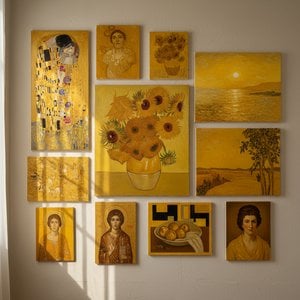
Keltaokran sävyjen mestariteoksia: 10 kuuluisinta maalausta kotiisi
Tutustu 10 kuuluisimpaan maalaukseen, joita hallitsee keltaokran sävy! Van Goghista Rembrandtiin – taiteen historiaa ja inspiraatiota sisustukseesi. Laadukkaat öljyvärimaalauksien kopiot ArtsDot.comissa. Tutki kokoelma verkossa!

Gustav Klimtin 25 mestariteosta: Taidetta ja inspiraatiota kotiisi | ArtsDot
Tutustu Gustav Klimtin 25 mestariteokseen! Uppoudu koristeellisen taiteen, jugendtyylin ja symbolismin maailmaan. Löydä tarinat öljyvärimaalausten takaa ja inspiroi sisustusta ArtsDot.com:ssa. Tutki kokoelma verkossa!
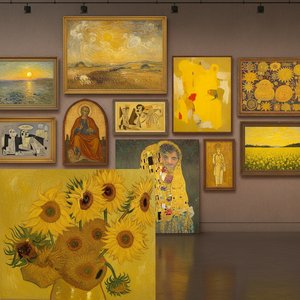
Kymmenen mestariteosta: Kromikeltainen sävy taidemaalauksissa – ArtsDot.com
Tutustu 10 tunnetuimpaan kromikeltaisen sävyn taidemaalaukseen! Van Goghin, Monetin ja Picasson mestariteoksia – tarinat, tekniikat & inspiraatio sisustukseen. Laadukkaat taidevedokset ArtsDot.com:ssa. Tutki kokoelma verkossa!

Concrete Visions: Exploring the Urban Landscape in Painting – From Realism to Contemporary Art
Explore the evolution of cityscape painting from Realism to contemporary art with ArtsDot. Discover key artists & invest in timeless urban visions. Expert guidance, museum-quality reproductions.

Romantic Realism's Finest: 10 Masterpieces for Your Home | ArtsDot
Explore 10 defining masterpieces of Romantic Realism! Discover Courbet, Millet & Daumier's powerful paintings—capturing emotion and social realities. Find museum-quality reproductions for your home at ArtsDot.com.