

 Esikatselu
 Jaa teos
 Jaa
Jaa
 Tiedot
 Opas
Opas

 Lataa kuva
 Samanlaisia kohteita
 Röntgenkuvaus
 Diaesitys
 Kysymykset ja vastaukset
 Tilastot
Combat

 Lue lisää
Tällä sivulla esitettyä taideteosta suojaa tekijänoikeuslaki, mikä tarkoittaa, ettemme voi laillisesti luoda tai myydä täsmälleen samanlaista jäljennöstä. Tämä suoja toteutetaan kansainvälisten sopimusten, kuten esimerkiksi Berne-konventio ja kansallisilla laeilla, mukaan lukien niillä määritellyt Yhdysvaltain tekijänoikeuslaki – Luku 17. Kaikki oikeudet pidätetään. Luvaton kopiointi tai jäljittely on kielletty.
Tämä menetelmä noudattaa täysin tekijänoikeussäännöksiä, sillä se ei sisällä suojatun taideteoksen kopioimista tai jäljentämistä. Sen sijaan kyseessä on luova uudelleentulkinta – uusi maalaus, joka ammentaa vaikutteita alkuperäisestä, mutta ei ole sen identtinen kopio.
Giclée- ja taideprintit
Museolaatuisia giclée- tai kankaitaulun tulosteita nopealla tuotannolla ja joustavilla viimeistelyvaihtoehdoilla. ( Osta käsinmaalattu taideteos Siirry digitaaliseen kuvaan)




P118B €10

P118H €10

P118W €10

P438Z €10

P508JH €12

P508YH €12

P805H €10

P805Z €10

P919BZ €10

P919G €10

P919XJ €10

P959ZH €10

P968JZ €12

W106C €8

W218G €10

W218JH €8

W218Y €10

W307PJ €10

W316G €10

W316PJ €8

W316Y €10

W398PJ €8

W4111J €10

W500HY €15

W500JH €15

W692G €12

W849H €8

W940BG €15

W953PJ €8




Valitse valmiista mitoistamme sellaiset, jotka vastaavat teoksen alkuperäisiä mittasuhteita.

Syötä tarvitsemasi leveys ja korkeus, jotta tuloste sopii kehyksiisi tai seinällesi. Tulostetta voidaan vain leikata, sitä ei voida koskaan suurentaa alkuperäistä kuvaa suuremmaksi, joten eri muotoinen koko aiheuttaa osan kuvasta katoamisen. Lähetämme sinulle digitaalisen mallikuvan hyväksyttäväksi ennen kuin aloitamme tulostuksen. Tällä sivulla näkyvä kuva ei näytä lopullista rajausta — vain mallikuva näyttää sen.
Maailmanlaajuinen toimitus () 2 viikossa tavallisen 4–5 viikon sijaan. (6 marraskuu)

Ilmainen pikatoimitus ympäri maailman

Korkealaatuinen pellavakangas

Kattava kuljetusvakuutus

Tulliveron palautustakuu

Takuu täydellisestä värien vastaavuudesta

100 päivän palautusoikeus (vain valmistusvirheet)

100% rahat takaisin -takuu

Määräalennus tarjolla
 Lasivaihtoehto on saatavilla vain alle 110 cm kokoisille teoksille

Combat
Giclée- ja taideprintit
Replikaatin koko
-


Kokonaishinta
€ 56
Samankaltaisia teoksia


Taiteilijan elämäkerta
Early Life and Education
- Born: Hackney, United Kingdom, December 27, 1901
- Family Background: Son of painter William Harry Hayter.
- Education: Received a degree in chemistry and geology from King’s College London.
- Early Career: Worked for the Anglo-Persian Oil Company (later BP) in Abadan, Iran, from 1922 to 1925. This experience inspired paintings and drawings that were exhibited upon his return to London.
The Founding of Atelier 17 and Printmaking Innovations
- Move to Paris: In 1926, Hayter moved to Paris and briefly studied at the Académie Julian.
- Mentorship: Met Polish printmaker Józef Hecht, who introduced him to copper engraving using the burin technique.
- Establishment of Atelier 17 (1927): Founded a studio for artists to explore engraving techniques collaboratively. The studio became internationally renowned and was located at No. 17, rue Campagne-Première.
- Viscosity Printing: Developed the innovative technique of viscosity printing, which utilizes varying ink viscosities to create multi-colored intaglio prints on a single plate. This significantly expanded the possibilities of printmaking.
- Collaborations with Major Artists: Atelier 17 became a hub for artistic collaboration, hosting artists such as Pablo Picasso, Alberto Giacometti, Joan Miró, Alexander Calder, Marc Chagall, Jackson Pollock, Mark Rothko, Mauricio Lasansky, K.R.H. Sonderborg, and Flora Blanc.
- Support for Republican Cause: Hayter organized print editions (fraternité and solidarité) with Miró, Picasso, and Kandinsky to raise funds for the Spanish Republic during the Spanish Civil War.
World War II and Post-War Developments
- Relocation to New York: During World War II, Hayter moved Atelier 17 to New York City and taught printmaking at The New School.
- Camouflage Training Unit: Collaborated with British artist Roland Penrose and others in setting up a camouflage training unit.
- Return to Paris (1950): Re-established Atelier 17 in Paris.
- Publications: Published New Ways of Gravure (1949) and About Prints (1962), documenting his printmaking techniques and philosophy.
Artistic Style, Influences, and Legacy
- Surrealism and Abstract Expressionism: Hayter’s work was associated with Surrealism in the 1930s and later with Abstract Expressionism. He embraced automatism and explored improvisation in his art.
- Painting Alongside Printmaking: Maintained a consistent painting practice alongside his printmaking, demonstrating flexibility across various media (painting, drawing, engraving, collage, low relief).
- Opposition to Traditional Techniques: Advocated for a vigorous opposition to preparatory drawings and retroussage (hand-wiping with whiting) in printmaking, endorsing strong plate tone and improvisation.
- Influence on American Printmaking Education: His approach significantly influenced the instruction of printmaking within the American academy.
- Prolific Output: Completed over 400 works in printmaking before his death.
Later Life and Death
- Marriages: Married three times: to Edith Fletcher (dissolved 1929), Helen Phillips (dissolved 1971), and Désirée Moorhead.
- Children: Had three sons: Patrick, Augy, and Julian.
- Death: Died on May 4, 1988, in Paris.
- Archive Acquisition: In 2005, the Tate Archive acquired Hayter’s papers.

Stanley William Hayter
1901 - 1988 , United Kingdom
Pähkinänkuoressa
- Full Name: Stanley William Hayter
- Nationality: English
- Date Of Birth: 1901
- Date Of Death: 1988
- Place Of Birth: Hackney, United Kingdom
- Notable Artworks: ['Combat']
- Artistic Movement Or Style:
- Surrealism
- Abstract Expressionism
Aiheeseen liittyvät artikkelit

Monochrome Visions: Exploring the Aesthetic & Historical Significance of Black & White Photography
Explore the rich history & artistic power of black and white photography. From early techniques to iconic masters like Ansel Adams, discover why monochrome continues to captivate art lovers today. Expert insights for collectors.

Timeless & Chic: Elevating Your New Home with the Sophistication of Black and White Photography
Transform your new home with the timeless allure of black and white photography. ArtsDot.com specializes in elegant monochrome decor and custom hand-painted wedding portraits that turn cherished milestones into lasting, soulful masterpieces. Elevate your space with ease.

Mustan sävyt taiteessa: 10 kuuluisinta mestariteosta ja niiden tarinat
Tutustu 10 kuuluisimpaan mustasävyiseen mestariteokseen! Rembrandtista Manetiin, syvenny taiteen historiaan ja synkkiin tunnetiloihin. Laadukkaat taidevedokset sisustukseesi ArtsDot.com:ssa. Tutustu kokoelmaamme verkossa!
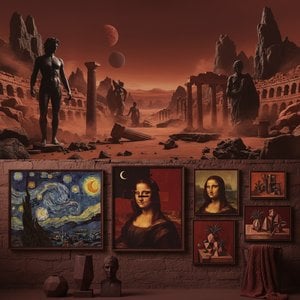
Mustan sävyt taiteessa: 10 kuuluisinta mestariteosta ja niiden tarinat
Tutustu 10 kuuluisimpaan maalaukseen, joita hallitsee syvä musta sävy. Rembrandtista Manetiin – taidemaalareiden tarinat ja mestariteosten merkitys. Löydä inspiraatiota sisustukseesi ArtsDot.com:sta! Tutki kokoelma verkossa.

Valkean mestariteoksia: Top 10 kuuluisinta maalausta ja niiden tarinat – ArtsDot.com
Tutustu 10 kuuluisimpaan valkoiseen maalauteen – Monet'sta Rothkoon. Inspiroivat tarinat, taidehistoriaa ja tekniikoita. Löydä täydellinen sisustustaulu ArtsDot.com:ista! Tutki kokoelma verkossa.