

 Esikatselu
 Jaa
Jaa Jaa
Jaa
 Tarkemmat tiedot

 Lataa
Lataa
 Samanlaisia
 Röntgenkuva
 Diaesitys
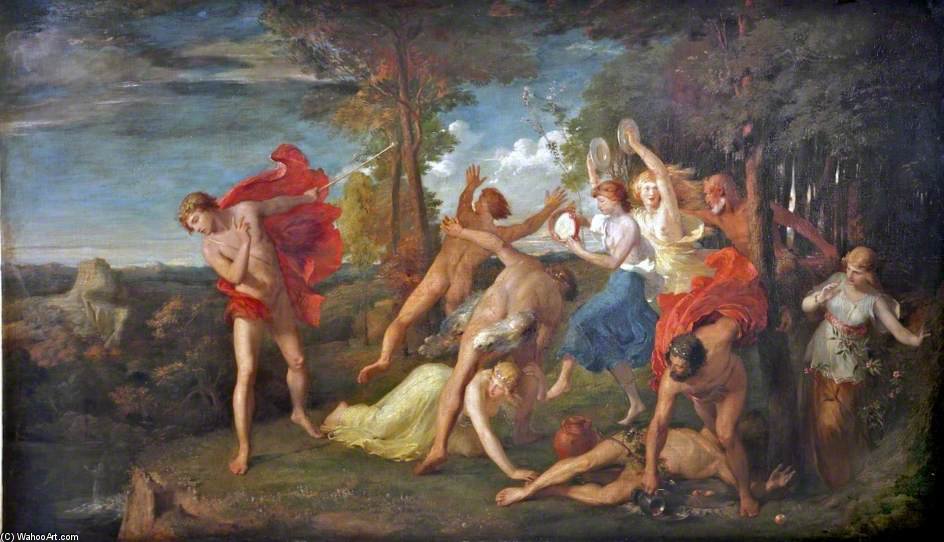
Comus
 Näytä lisää
Käsinmaalattu öljykopio
Käsinmaalattu öljyväri kankaalle haluamassasi koossa ja kehyksissä, taiteilijoidemme valmistamana tilauksesta. ( Osta printti Osta kuva)




































Valitse valmiista mitoistamme sellaiset, jotka vastaavat teoksen alkuperäisiä mittasuhteita.

Voit syöttää omat mitat sopimaan tiettyyn kehykseen tai tilaan. Jos valitsemasi koko ei vastaa alkuperäisen kuvan mittasuhteita, rajaamme taideteoksen tai jatkamme maalausta käsin maalatuilla elementeillä. Digitaalinen esikatselu lähetetään hyväksyttäväksi ennen tuotannon aloittamista.
Huomioithan, että näytöllä oleva esikatselu ei vastaa todellista rajausta tai jatkamista. Vain digitaalinen mallikuva näyttää lopullisen sommittelun tarkasti.
Vaikka mittatilaustyöt ovat mahdollisia, suosittelemme valitsemaan mitan ennalta määritetystä listasta alkuperäisten mittasuhteiden säilyttämiseksi.
Tilauksen jälkeen ArtsDot.com -tiimi lähettää asiakkaalle ohjeet ja esikatselukuvan.
Maailmanlaajuinen toimitus () 3–4 viikossa tavallisen 5 viikon sijaan. (18 elokuu). Laadusta ei tingitä.

Ilmainen pikatoimitus ympäri maailman

Korkealaatuinen pellavakangas

Kattava kuljetusvakuutus

Tulliveron palautustakuu

Täydellinen värien vastaavuustakuu

60 päivän palautusoikeus (vain valmistusvirheet)

100% rahat takaisin -takuu

Määräalennus tarjous
 Lasivaihtoehto on saatavilla vain alle 110 cm kokoisina teoksina

Comus
Reproduktiotekniikka
Replikaatin koko
-


Kokonaishinta
$ 263
Samankaltaisia teoksia


Taiteilijan elämäkerta
Early Life and Influences
Sir William Blake Richmond (1842–1921) was born at 10 York Street, London, England on November 29, 1842. His formative years were deeply shaped by his affiliation with the ancients, a movement dedicated to exploring the profound connection between imagination and reality—inspired primarily by the visionary poet and artist William Blake. This influence manifested prominently in Richmond’s initial artistic endeavors, notably exemplified by paintings such as “Abel the Shepherd” and “Christ and the Woman of Samaria,” which debuted at the Royal Academy in 1825. These early works underscored a preoccupation with spiritual themes and symbolic imagery characteristic of Blake's aesthetic vision.Career Highlights
Richmond swiftly established himself as a celebrated portrait painter, skillfully capturing the nuanced personalities and social standing of prominent figures within British society—particularly the aristocracy and nobility. His technique was marked by meticulous attention to detail and an ability to convey emotion with remarkable sensitivity. Among his most notable achievements were “Trees at Bocca d’Arno,” a landscape infused with Romantic idealism, and “The Crown of Peace,” a monumental depiction reflecting Victorian grandeur and commemorating Queen Victoria's reign. These paintings stand as testaments to Richmond’s mastery of artistic conventions while simultaneously embodying the spirit of his era.Notable Associations and Travels
A pivotal moment in Richmond’s artistic journey occurred in 1828 when he embarked on a transformative voyage to Paris, where he immersed himself in the vibrant intellectual milieu of the École des Beaux-Arts and Hospitals. This immersive experience fostered connections with influential artists and thinkers—including Ruskin—and broadened his understanding of European art history. Furthermore, Richmond’s encounter with Beau Brumell at Calais proved significant; exchanging snuff pins served as a symbolic gesture reflecting their shared appreciation for refined taste and aesthetic ideals. His patronage by Lord Sidmouth yielded invaluable counsel and resulted in the creation of a portrait commemorating the lord's distinguished service to the Crown—a piece now housed within the National Portrait Gallery.Legacy and Later Artistic Development
While Richmond’s artistic output shifted towards more conventional portraits during his later years, his enduring legacy as a pioneering figure in British Romanticism remains undeniable. He continued to refine his craft, producing works that showcased both technical prowess and expressive depth. His dedication to capturing the essence of his subjects ensured that his art would resonate across generations—inspiring artists and captivating audiences alike with its beauty and intellectual richness. Richmond’s contribution to the artistic landscape cemented his place as one of the foremost portrait painters of his time.
Sir William Blake Richmond
1809 - 1896 , Yhdistynyt kuningaskunta
Pikatiedot
- Artistic Movement Or Style: Romanticism
- Artists Who Influenced This Artist: ['William Blake']
- Date Of Birth: March 28, 1809
- Date Of Death: March 19, 1896
- Full Name: Sir William Blake Richmond
- Nationality: British
- Notable Artworks:
- Trees at Bocca d'Arno
- The Crown of Peace
- Place Of Birth: Brompton, United Kingdom

