


 Katso seinällä
 Lähetä
 Jaa
Jaa
 Tarkemmat tiedot
 Opas
Opas

 Lataa kuva
 Samanlaisia kohteita
 Röntgenkuvaus
 Diaesitys
 Tilastot
Angel


 Lue lisää
Giclée- ja taideprintit
Museolaatuisia giclée- tai kankaitaulun tulosteita nopealla tuotannolla ja joustavilla viimeistelyvaihtoehdoilla. ( Tilaa käsinmaalattu jäljennös Siirry digitaaliseen kuvaan)




P118B €10

P118H €10

P118W €10

P438Z €10

P508JH €12

P508YH €12

P805H €10

P805Z €10

P919BZ €10

P919G €10

P919XJ €10

P959ZH €10

P968JZ €12

W106C €8

W218G €10

W218JH €8

W218Y €10

W307PJ €10

W316G €10

W316PJ €8

W316Y €10

W398PJ €8

W4111J €10

W500HY €15

W500JH €15

W692G €12

W849H €8

W940BG €15

W953PJ €8




Valitse valmiista mitoistamme sellaiset, jotka vastaavat teoksen alkuperäisiä mittasuhteita.

Kirjoita tarvitsemasi leveys ja korkeus, jotta tuloste sopii kehyskokoon tai seinällesi. Tulostetta voidaan vain leikata, sitä ei voi koskaan tehdä suuremmaksi kuin alkuperäinen kuva, joten eri muotoinen koko aiheuttaa osan kuvasta katoamisen. Lähetämme sinulle digitaalisen mallikuvan hyväksyttäväksi ennen kuin aloitamme tulostuksen. Tällä sivulla näkyvä kuva ei näytä lopullista leikkausta — vain mallikuva näyttää sen.
Maailmanlaajuinen toimitus () 2 viikossa tavallisen 4–5 viikon sijaan. (23 lokakuu)

Ilmainen pikatoimitus ympäri maailman

Korkealaatuinen pellavakangas

Kattava kuljetusvakuutus

Tulliveron palautustakuu

Takuu täydellisestä värien vastaavuudesta

100 päivän palautusoikeus valmistusvirhetapauksissa

100% rahat takaisin -takuu

Määräalennus saatavilla
 Lasivaihtoehto on saatavilla vain alle 110 cm kokoisille teoksille

Angel
Giclée- ja taideprintit
Replikaatin koko
-


Kokonaishinta
€ 54
A Vision of Grace: Botticelli’s Angel and the Renaissance Ideal
In the quietude of the Florentine Renaissance, few images capture the ethereal intersection of the divine and the human as poignantly as Sandro Botticelli’s “Angel.” Painted during the height of the Quattrocento, approximately between 1475 and 1485, this masterpiece serves as a profound window into an era defined by spiritual longing and classical rebirth. The painting presents us with a celestial figure—an angel manifested in the delicate form of a woman—whose presence commands the canvas with a serene yet powerful grace. As her gaze drifts upward toward the heavens, she invites the viewer to share in her moment of profound contemplation, bridging the gap between our earthly realm and the infinite.
The composition is a masterclass in pyramidal stability, a hallmark of Renaissance technique that provides the artwork with an enduring sense of balance and permanence. While the angelic figure dominates the left side of the frame, her reaching arm suggests a dynamic movement, a silent dialogue with the unseen. Beside her, the secondary presence of a male figure adds a layer of narrative depth, grounding the celestial event within a human context. This careful arrangement ensures that while the subject matter is supernatural, the emotional resonance remains deeply relatable to the human experience.
Mastery of Line and the Luminous Tempera Technique
To behold this work is to witness Botticelli’s unparalleled command over line and luminosity. Eschewing the heavy, dramatic realism that would later define the Baroque period, Botticelli utilizes a style characterized by flowing, rhythmic curves and soft, pastel hues. His use of tempera on panel—a medium requiring meticulous, layer-by-layer application—allows for a translucent quality that makes the angel’s skin appear to glow from within. Every fold of her drapery and every strand of her cascading hair is rendered with a precision that celebrates the beauty of detail.
This delicate approach to technique does more than just showcase skill; it reinforces the painting's thematic essence. The soft edges and fluid contours mirror the humanist ideals of the time, which sought to find harmony and proportion in all things. For the discerning collector or interior designer, this piece offers a sophisticated aesthetic that brings a sense of calm, classical elegance to any space. The subtle tonal variations and the gentle interplay of light and shadow create an atmosphere of quiet luxury, making it a timeless addition to a curated collection.
Historical Resonance and Emotional Depth
The historical backdrop of this painting is as rich as its visual textures. Created during the illustrious reign of Lorenzo de' Medici, the "Magnificent," the work is steeped in the intellectual ferment of Florence. This was a period when the rediscovery of classical antiquity fueled an artistic revolution, encouraging painters to explore the divine through the lens of idealized human beauty. The angel’s upward gaze is not merely a gesture; it is a symbol of aspiration and spiritual transcendence, reflecting the Renaissance belief in the potential of the soul to reach toward the divine.
Ultimately, Botticelli’s “Angel” transcends its historical era to offer a universal emotional impact. It evokes a sense of wonder, peace, and reverence that remains undiminished by the passage of centuries. Whether viewed as a historical artifact of the Florentine school or as a breathtaking piece of decorative art, the painting continues to inspire awe. For those seeking to surround themselves with art that speaks to the soul, this reproduction offers an opportunity to possess a fragment of the Renaissance spirit—a permanent reminder of grace, beauty, and the eternal search for meaning.
Kysymykset ja vastaukset
Mikä on teoksen Sandro Botticelli:n "Angel" yleinen tunnelma?
"Angel"-teoksessa on Ethereal tunnelma.
Mitä "Angel" jakaa muun Sandro Botticelli'n tuotannon kanssa?
"Angel" kuuluu Sandro Botticelli:n Early Renaissance tuotantoon, jonka tunnettuun teemaan kuuluvat botticelli’s humanist ideals, religious symbolism, gracefulness, medici patronage, prestige, florence’s artistic zenith, iconic depiction of faith."
Mistä "Angel" on valmistettu?
Teoksen Sandro Botticelli:n "Angel" tekniikka on Tempera On Panel. Vedosten tavoitteena on jäljitellä tämän tekniikan ulkoasua.
Samankaltaisia teoksia


Taiteilijan elämäkerta
Early Life and Florentine Beginnings
Sandro Botticelli, syntymänimi Alessandro di Mariano di Vanni Filipepi, nousi esiin poikkeuksellisen kulttuurikauden keskellä – varhaisrenessanssin (Quattrocento) aikana. Hänen elämänsä oli syvään juurtunut Firenzessä, kaupunkiin, joka oli tunnettu taiteellisesta ja sosiaalisesta elämästään; hän ei koskaan poistunut kotoaan Ognissanti -alueelta, mikä todistaa sekä perheen siteistä että luovaan ekosysteemiin, joka ruokki häntä. Hänen isänsä, Mariano Filipepi, oli aluksi kultaseppä ja myöhemmin tanner, mikä tarjosi hänelle varhaisen altistuksen käsityölle ja huolellisuudelle – ominaisuuksille, jotka vaikuttivat syvästi Botticellin taiteelliseen lähestymistapaan. Vaikka aluksi huhuttiin hänen harjoittelevan kultaseppänä, hän pian löysi kutsuntonsa Fra Filippo Lippin opettajuuden, merkittävän ajan Firenzen maalarin. Tämä harjoitus oli ratkaiseva, sillä se upposi hänet Firenzen koulun tekniikoihin ja esteettisiin arvoihin samalla kun se yhdisti hänet vaikutusvaltaisten sukunimiin, kuten Medicien sukuun.A Style Defined by Grace and Myth
Botticellin taiteellinen tyyli on heti tunnistettavissa sen liriseen kauneuteen, johon kuuluu elegantti linjaisuus, virtaavat muodot ja herkkiä värejä. Hän mestarillisesti yhdisti myöhäisen goottilaisten traditioiden ja renessanssin nousun aikaa, ottaen vaikutteita taiteilijoista kuten Fra Angelico ja Paolo Uccello, mutta luoden samalla oman ainutlaatuisen näkökulmansa. Hänen hahmonsa ovat eteerisiä, usein kuvattuna pitkissä mittasuhteissa ja sulavissa asennoissa, jotka välittävät sekä rauhaa että hienovaraista melankoliaa. Työnsä keskeinen piirre on usein klassisen mytologian sisällyttäminen – heijastuksena renessanssin humanististen kiinnostusten koettelemisesta Firenzessä. Hän ei ainoastaan kuvannut näitä muinaisia tarinoita; hän upotti ne uusiin merkityksiin, tutkien teemoja kuten rakkautta, kauneutta ja hengellistä kaipuuta. Botticelli oli innovatiivinen aikansa standardeihin verrattuna. Hän käytti usein hopeakynän piirustusta alustuksena maalauksilleen, mikä edesauttoi niiden hehkua ja herkkiä yksityiskohtia. Hänen temperan maalin käyttönsä mahdollisti tarkat esitykset ja eloisat värit, kun taas myöhemmät kokeilut öljymaaleilla laajensivat hänen ilmaisukykyään.Iconic Masterpieces and Artistic Development
Botticelli’n perintö perustuu muutamiin ikonisiin maalauksiin, jotka vangitsevat edelleen yleisön huomion vuosisatojen jälkeen. Venuksen syntymä (c. 1486), luotu esimerkiksi, on ikoninen teos, joka esittää jumalatar Venusta syntymässä meren vaahdosta, ja se symboloi renessanssin aikakauden ihanteita kauneudesta ja harmoniasta. Sen elegantti kompositiot, herkät väripaletit ja herättävät symboliikat ovat tehneet siitä ikuisen symbolin ajanjaksona. Samoin tunnettu Kevät (c. 1482), luotu esimerkiksi, on monimutkainen allegorinen maalaus keväästä ja rakkaudesta, joka on täynnä symbolisia hahmoja klassisen mytologian hahmoista. Kevät on kooltaan varsin suuri, noin kaksi metriä korkea ja runsaat kolme metriä leveä. Botticelli’n taiteellinen matka kehittyi selkeisiin vaiheisiin. Varhaiset 1470-luvun vuodet näkivät hänet keskittyneen uskonnollisiin aiheisiin, hioen teknisiä taitojaan ja vakiinnuttaen mainetta taitavana suorittajana. 1480-luvulla tapahtui hänen luovuutensa huippu, kun hän loi tunnetuimmat mytologiset maalauksensa. Myöhemmin 1490-luvulla hänen tyylinsä muuttui kuitenkin vaikutteesta Girolamo Savonarolan intohimoiseen opetukseen – Dominikaaniluostarin munkki, joka tuomitsi mitä hän näki dekadenssin ja moraalin korruptioksi Firenzessä. Tämä aika johti synkempien ja tunteellisesti latautuneempiin teoksiin, jotka heijastivat kasvavaa hengellistä intensiteettiä.Major Works
- Venuksen syntymä (c. 1486): Ikoninen teos, joka edustaa renessanssin aikakauden ihanteita kauneudesta ja harmoniasta.
- Kevät (c. 1482): Monimutkainen allegorinen maalaus keväästä ja rakkaudesta.
- Adoration of the Magi (1475-1476): Osoittaa varhaista mestarillisuutta kompositiossa ja perspektiivissä.
- Mystic Nativity (1501): Heijastaa muutosta hengellisiin teemoihin hänen myöhemmässä urassaan.
Influences and Legacy
Botticelli’n taiteen kehitykseen vaikuttivat merkittävästi varhaiset renessanssimaalarit kuten Fra Filippo Lippi ja Paolo Uccello, sekä antiikin kreikkalaisen ja roomalaisten taiteilijoiden vaikutus. Hänen tyylinsä yhdisti goottilaista ja renessanssimuotoa, mikä johti uuteen ja ainutlaatuiseen visioon. Botticelli’n teoksissa on usein nähtävissä klassisen mytologian hahmoja, kuten Venuksen, Cupidon ja Zephyrin, jotka edustavat antiikin jumaluuksia ja ihanteita. Hänen tyylinsä vaikutti myös Pre-Raphaeliteihin, jotka olivat 1800-luvun lopulla ja 1900-luvun alussa vaikuttanut taidekollektiivi, joka arvosti Botticelli’n linjaista tyyliä ja hänen luovaa näkemystään. Botticelli’n teokset ovat edelleen inspiraation lähde monille taiteilijoille ympäri maailmaa. Hänen työnsä on todiste Firenzen taiteellisesta saavutuksesta ja renessanssin humanismin voimasta.
Sandro Botticelli
1445 - 1510 , Italia
Tietoa taiteilijasta
- Artistic Movement Or Style: Varhaisrenesanssi
- Artists Or Movements Influenced By This Artist: ['Pre-Raphaelistit']
- Artists Who Influenced This Artist:
- Fra Filippo Lippi
- Paolo Uccello
- Date Of Birth: 1445
- Date Of Death: 1510
- Full Name: Alessandro di Mariano Filipepi
- Nationality: Italian
- Notable Artworks:
- Venuksen syntymä
- Kevät
- Madonnat
- Place Of Birth: Firenze, Italia
Aiheeseen liittyvät artikkelit

Celestial Messengers: A Comprehensive Exploration of Angelic Representation in Art History
Explore the captivating history of angels in art! Discover symbolism, iconic Renaissance masterpieces & renowned artists. Expert insights for art lovers & collectors at ArtsDot.

Uffizin 25 mestariteosta: Renessanssin helmet Firenzeen – Taidetta kotiisi ArtsDotilla
Uppoudu Firenzen Uffizin 25 mestariteokseen! Tutustu Botticellin, Da Vincin ja muiden renessanssin huipputaiteilijoiden tarinoihin. Löydä inspiraatiota sisustukseesi ja korkealaatuiset taideprintit ArtsDotilla. Explore the full collection online!

10 legendaarista pronssiveistosta, jotka mullistivat taiteen – ArtsDot.com
Tutustu 10 legendaariseen pronssiveistokseen, jotka ovat muuttaneet taiteen historiaa! Rodinista Michelangeloon – opi mestareiden tarinat ja löydä täydellinen taideteos kotiisi ArtsDot.com:ssa. Laadukkaat jäljennökset & sisustusideat.
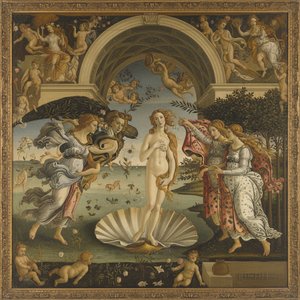
Sandro Botticellin 25 mestariteosta: Renessanssin kauneutta kotiisi – ArtsDot.com
Tutustu Sandro Botticellin 25 upeimpaan mestariteokseen! Uppoudu renessanssin kauneuteen, mystisiin tarinoihin ja taiteilijan ainutlaatuiseen tyyliin. Taideprintit ja korkealaatuiset kopiot kotiisi ArtsDot.com:ssa. Tutustu kokoelma!

Celestial Messengers: Angels in Painting – A Historical & Artistic Exploration
Explore the captivating history of angels in painting! Discover symbolism, iconic Renaissance & Byzantine masterpieces, and renowned artists. Expert insights for art lovers & collectors at ArtsDot.


