

 Esikatselu
 Jaa teos
 Jaa
Jaa
 Tiedot
 Opas
Opas

 Lataa kuva
 Samanlaisia kohteita
 Röntgenkuvaus
 Diaesitys
 Kysymykset ja vastaukset
 Tilastot
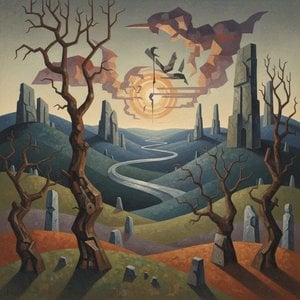
Landscape of Bleached Objects

- 74.0 x 62.0 cm


 Lue lisää
Giclée- ja taideprintit
Museolaatuisia giclée- tai kankaitaulun tulosteita nopealla tuotannolla ja joustavilla viimeistelyvaihtoehdoilla. ( Osta käsinmaalattu taideteos Siirry digitaaliseen kuvaan)




P118B €10

P118H €10

P118W €10

P438Z €10

P508JH €12

P508YH €12

P805H €10

P805Z €10

P919BZ €10

P919G €10

P919XJ €10

P959ZH €10

P968JZ €12

W106C €8

W218G €10

W218JH €8

W218Y €10

W307PJ €10

W316G €10

W316PJ €8

W316Y €10

W398PJ €8

W4111J €10

W500HY €15

W500JH €15

W692G €12

W849H €8

W940BG €15

W953PJ €8




Valitse valmiista mitoistamme sellaiset, jotka vastaavat teoksen alkuperäisiä mittasuhteita.

Syötä tarvitsemasi leveys ja korkeus, jotta tuloste sopii kehyksiisi tai seinällesi. Tulostetta voidaan vain leikata, sitä ei voida koskaan suurentaa alkuperäistä kuvaa suuremmaksi, joten eri muotoinen koko aiheuttaa osan kuvasta katoamisen. Lähetämme sinulle digitaalisen mallikuvan hyväksyttäväksi ennen kuin aloitamme tulostuksen. Tällä sivulla näkyvä kuva ei näytä lopullista rajausta — vain mallikuva näyttää sen.
Maailmanlaajuinen toimitus () 2 viikossa tavallisen 4–5 viikon sijaan. (10 marraskuu)

Ilmainen pikatoimitus ympäri maailman

Korkealaatuinen pellavakangas

Kattava kuljetusvakuutus

Tulliveron palautustakuu

Takuu täydellisestä värien vastaavuudesta

100 päivän palautusoikeus (vain valmistusvirheet)

100% rahat takaisin -takuu

Määräalennus tarjolla
 Lasivaihtoehto on saatavilla vain alle 110 cm kokoisille teoksille

Landscape of Bleached Objects
Giclée- ja taideprintit
Replikaatin koko
-


Kokonaishinta
€ 56
Identification of the Artwork and Artist
Landscape of Bleached Objects is an oil on canvas painted by Paul Nash. Created circa 1934, the work emerged during a period when Nash was a central figure in the development of British modernism and the instigator of the Unit One group.
Born in Kensington, United Kingdom, in 1889, Nash established a significant presence in the twentieth-century art scene. His practice often integrated the formal qualities of found objects into symbolic, often surreal, landscapes. He remained active in the arts until his death in 1946.
- Title: Landscape of Bleached Objects
- Artist: Paul Nash
- Date: circa 1934
- Medium: Oil on canvas
Composition and Visual Elements
The composition centers on two found objects situated within a barren, perhaps seaside, landscape. One form resembles a standing stone, while the other takes a phallic shape. These contrasting organic forms are positioned to cast a combined shadow across the ground. This shadow specifically embraces two egg-like shapes, creating a geometric relationship between the objects and their silhouettes.
The arrangement utilizes bleached, bone-like objects to populate an ambiguous setting. The visual weight is distributed through the interaction of these solid forms and the negative space created by their shadows. The subject matter relies on the following elements:
- A standing stone-like object
- A phallic form
- Two egg-like shapes within a shared shadow
- Bleached or bone-like textures
The landscape remains indistinct, providing a muted backdrop for the primary subjects. The interplay of light and shadow defines the spatial relationship between the organic forms and the terrain.
Artistic Style and Movement
The work exhibits distinct abstract and surrealist tendencies, aligning with the Surrealist movement's interest in the subconscious. As a British surrealist painter and war artist, Nash utilized symbolic landscapes to recontextualize everyday objects. This approach often involved placing found items into an ambiguous setting to grant them a new identity and symbolic weight.
This piece belongs to a specific series in which the artist contemplated the personal beauty of natural elements. By isolating and magnifying these forms, the work moves away from traditional representation toward a more formal, poetic exploration of shape. The artist's practice during this period focused on several key interests:
- The formal qualities of found objects such as stones, wood, bark, and shells.
- The intersection of abstraction and surrealism within the British art scene.
- The use of organic forms to create imaginary happenings.
As the instigator of the short-lived Unit One group, Nash helped bridge the gap between traditional landscape painting and modernist aesthetics. His style emphasizes the tension between the physical reality of natural objects and the dreamlike, illogical juxtapositions characteristic of Surrealism.
Kysymykset ja vastaukset
Mikä on teoksen Paul Nash:n "Landscape of Bleached Objects" valmistumisvuosi ja tyylisuunta?
"Landscape of Bleached Objects" on tehty vuonna 1934 Surrealism-suuntauksen piirissä.
Miten voin esikatsella teoksen Paul Nash:n "Landscape of Bleached Objects" reproduktiota?
Voit esikatsella teosta Paul Nash:n "Landscape of Bleached Objects" sivulla Esikatselu tilassa.
Miten Paul Nash:n "Landscape of Bleached Objects" yhdistää Surrealism-suuntauksen taiteilijan kotimaahan?
Landscape of Bleached Objects on Paul Nash tekemä teos, joka on syntynyt Surrealism-suuntauksen vaikutuksesta; taiteilija on kotoisin Iso-Britannia. Taiteilijan alkuperä yhdistää teoksen Surrealism-tyyliin, jota Iso-Britannia-maasta kotoisin olevat taiteilijat edustavat.
Samankaltaisia teoksia


Taiteilijan elämäkerta
Paul Nash: Maisemien ja sodan runoilija
Paul Nash, syntyjään John Northcote Nash, oli brittiläinen taidemaalari, jonka elämä (1889-1946) ja ura kietoutuivat syvästi sekä maiseman kauneuteen että sodan kauhuihin. Lontoon Kensingtonissa syntynyt Nash vietti lapsuutensa Iver Heathissä Buckinghamshiressa, paikka joka jätti pysyvän jäljen hänen taiteelliseen näkemyksensä. Hänen perheensä oli epätavallinen: isä lakimies ja äiti, jonka mielenterveysongelmat vaativat perheen muuttoa maaseudulle toivossa paranemisesta. Tämä varhainen kokemus vaikutti syvästi Nashin kykyyn havainnoida maailmaa sekä kauneuden että haavoittuvuuden näkökulmasta. Parsons School of Artissa ja myöhemmin Slade School of Fine Artissa saatu koulutus vahvisti hänen perinteisiä taitojaan, mutta hän kamppaili ihmiskuvien kanssa, mikä ohjasi hänet kohti maisemamaalauksen syvempää tutkimista. Nashin taiteellinen kehitys oli monimutkainen ja jatkuva prosessi. Hänen varhaiset työnsä heijastavat vahvoja vaikutteita William Blake’n ja J.M.W. Turnerin teoksista, joissa yhdistyvät romanttisen visionäärisyyden ja impressionistisen valon käsittelyn elementit. Hän löysi inspiraatiota myös muinaisista historiallisista paikoista, kuten hautakumpuista ja rautakauden linnoituksista, jotka herättivät hänessä kiinnostuksen aikaa uhmaavaa maisemaa kohtaan. Nashin tyyli alkoi vähitellen erottua, yhdistäen modernismin rohkeat värit ja geometriset muodot perinteisiin tekniikoihin. Vuonna 1928 nähnyt Giorgio de Chiricon näyttely avasi hänelle uusia ovia surrealistisen maailman suuntaan, vaikka Nash ei koskaan täysin omaksunut liikkeen dogmaattista lähestymistapaa. Hänen maisemansa muuttuivat symbolisiksi ja unenomaisiksi, joissa arkipäiväiset esineet saivat uusia merkityksiä ja luovat aavemaisen tunnelman. Ensimmäisen maailmansodan aikana Nash toimi virallisena sodan taiteilijana, kokemus joka jätti syvän jäljen hänen elämäänsä ja taiteeseensa. Hänen kuvauksensa tuhoutuneista taistelukentistä, kuten kuuluisassa teoksessaan "The Menin Road", ovat poikkeuksellisen vaikuttavia – ei niinkään glorifioivia sotatoimia, vaan pikemminkin surullisia muistomerkkejä ihmisyyden haavoittuvuudesta ja luonnon tuhoutumisesta. Toinen maailmansota synnytti Nashin tunnetun "Aerial Creatures" -sarjan, jossa lentokoneet esitetään antropomorfisina olentoina, jotka ovat pudonneet maisemaan. Nämä teokset heijastavat hänen kasvavaa huoltaan teknologian ja luonnon välisestä suhteesta sekä sodan aiheuttamasta henkisestä traumasta. Nashin taiteellinen ilmaisu oli syvällistä ja monitasoista, kykenevä vangitsemaan sekä kauneuden että kauhun ytimen. Nashin merkitys brittiläiselle modernismille on kiistaton. Hän toimi siltana perinteisen maisemamaalauksen ja modernististen esteettisten ihanteiden välillä, luoden ainutlaatuisen taiteellisen kielen, joka resonoi syvästi hänen aikalaistensa kanssa. Vuonna 1933 hän oli perustamassa Unit One -ryhmää Ben Nicholsonin ja Barbara Hepworthin kanssa, mikä vahvisti hänen asemaansa brittiläisen taideskenen keskeisenä hahmona. Nash ei ollut pelkästään maalaaja; hän oli myös arvostettu taidekirjoittaja ja suunnittelija, joka työskenteli muun muassa teatteri- ja tekstiilisuunnittelussa. Hänen vaikutuksensa ulottui laajalle, inspiroiden lukemattomia myöhempiä taiteilijoita ja jättäen pysyvän perinnön brittiläiseen taidehistoriaan. Nashin teoksia on esillä arvostetuissa kokoelmissa ympäri maailmaa, kuten Ruskin Galleryssä, Tate Britanniassa, Imperial War Museumissa ja York Art Galleryssa, todistaen hänen jatkuvaa merkitystään ja vetovoimaansa nykyisille katsojille.Influences and Legacy
- Influence on Subsequent Artists: Nash's unique style and use of color influenced generations of artists who followed.
- Connection to Romanticism: His work is often linked to the English Romantic tradition, particularly through his connection to William Blake and J.M.W. Turner.
- Exploration of Man vs. Nature: A recurring theme in Nash's later works was the relationship between humanity and nature, explored through symbolic imagery.
- Continued Relevance: His paintings continue to be celebrated for their beauty, symbolism, and historical significance, remaining relevant to contemporary audiences.
Exhibitions and Collections
- Ruskin Gallery: Nash's work has been exhibited at the Ruskin Gallery in the United Kingdom.
- Tate Britain: His pieces can be found within the Tate Britain’s collection.
- Imperial War Museum: Several of his war art pieces are housed in the Imperial War Museum.
- York Art Gallery: His work is also part of the York Art Gallery's collection.
- Government Art Collection: A selection of Nash’s artworks are displayed within the Government Art Collection.

Paul Nash
1889 - 1946 , Iso-Britannia
Pähkinänkuoressa
- Artistic Movement Or Style: Modernismi, Surrealismi
- Artists Or Movements Influenced By This Artist: ['Nykyaikaiset taiteilijat']
- Artists Who Influenced This Artist:
- William Blake
- J.M.W. Turner
- Date Of Birth: 11. toukokuuta 1889
- Date Of Death: 11. heinäkuuta 1946
- Full Name: Paul Nash
- Nationality: Brittiläinen
- Notable Artworks: ['The Menin Road']
- Place Of Birth: Kensington, Iso-Britannia
Aiheeseen liittyvät artikkelit

Paul Kleen mestariteokset: 25 taideteosta, jotka inspiroivat kotiisi – ArtsDot.com
Tutustu Paul Kleen 25 mestariteokseen! Uppoudu sveitsiläisen taiteilijan abstraktiin maailmaan – ekspressionismista kubismiin. Löydä inspiraatiota kotiisi ja osta korkealaatuisia taide-reproduktioita ArtsDot.comissa. Tutki kokoelma verkossa!

Wassily Kandinskin 25 mestariteosta: Värien ja muodon syvä maailma | ArtsDot
Tutustu Wassily Kandinskin 25 vaikuttavinta teosta! Uppoudu abstraktin taiteen maailmaan, värien symboliikkaan ja modernin ekspressionismin historiaan. Löydä inspiraatiota kodin sisustukseen ArtsDot.com:ista – laadukkaat taideprintit ja reproduktiot.

Geometrisen abstraktion mestariteokset: Taidetta kotiin ArtsDotilta
Tutustu geometrisen abstraktion 10 mestariteokseen! Piet Mondrian, Kandinsky ja muut taiteilijat muovasivat modernin taiteen historiaa. Löydä inspiraatiota kotiisi ArtsDotilta – laadukkaat taideprintit ja sisustusehdotukset odottavat. Tutki kokoelma verkossa!
Paul Nash: Modernism, Myth & the British Landscape – A Visionary Artist
Explore the evocative landscapes & poignant war art of Paul Nash (1889-1946), a key figure in British Modernism. Discover his unique style and lasting impact on art history with ArtsDot.

Paul Cézannen 25 mestariteosta: Taidetta kotiisi – ArtsDot.com
Tutustu Paul Cézannen 25 vaikuttavinta mestariteosta! Postimpressionismin huipputeoksia, still life -maalauksia ja ikonisia maisemia. Löydä taiteen tarinat ja inspiroi kotisi sisustusta ArtsDot.com:ssa. Tutki kokoelma verkossa!
