

 Esikatselu
 Jaa teos
 Jaa
Jaa
 Tiedot
 Opas
Opas

 Lataa kuva
 Samanlaisia kohteita
 Röntgenkuvaus
 Diaesitys
 Kysymykset ja vastaukset
 Tilastot
Number 23, 1951

- 148.0 x 119.0 cm


 Lue lisää
Giclée- ja taideprintit
Museolaatuisia giclée- tai kankaitaulun tulosteita nopealla tuotannolla ja joustavilla viimeistelyvaihtoehdoilla. ( Osta käsinmaalattu taideteos Siirry digitaaliseen kuvaan)




P118B €10

P118H €10

P118W €10

P438Z €10

P508JH €12

P508YH €12

P805H €10

P805Z €10

P919BZ €10

P919G €10

P919XJ €10

P959ZH €10

P968JZ €12

W106C €8

W218G €10

W218JH €8

W218Y €10

W307PJ €10

W316G €10

W316PJ €8

W316Y €10

W398PJ €8

W4111J €10

W500HY €15

W500JH €15

W692G €12

W849H €8

W940BG €15

W953PJ €8




Valitse valmiista mitoistamme sellaiset, jotka vastaavat teoksen alkuperäisiä mittasuhteita.

Syötä tarvitsemasi leveys ja korkeus, jotta tuloste sopii kehyksiisi tai seinällesi. Tulostetta voidaan vain leikata, sitä ei voida koskaan suurentaa alkuperäistä kuvaa suuremmaksi, joten eri muotoinen koko aiheuttaa osan kuvasta katoamisen. Lähetämme sinulle digitaalisen mallikuvan hyväksyttäväksi ennen kuin aloitamme tulostuksen. Tällä sivulla näkyvä kuva ei näytä lopullista rajausta — vain mallikuva näyttää sen.
Maailmanlaajuinen toimitus () 2 viikossa tavallisen 4–5 viikon sijaan. (12 marraskuu)

Ilmainen pikatoimitus ympäri maailman

Korkealaatuinen pellavakangas

Kattava kuljetusvakuutus

Tulliveron palautustakuu

Takuu täydellisestä värien vastaavuudesta

100 päivän palautusoikeus (vain valmistusvirheet)

100% rahat takaisin -takuu

Määräalennus tarjolla
 Lasivaihtoehto on saatavilla vain alle 110 cm kokoisille teoksille

Number 23, 1951
Giclée- ja taideprintit
Replikaatin koko
-


Kokonaishinta
€ 56
The Raw Nerve: Paul Jackson Pollock’s Black Pouring
Paul Jackson Pollock's "Number 23, 1951" isn’t merely a painting; it’s an immersion. Created during a pivotal period of his artistic evolution – the “black pourings” – this work represents a deliberate retreat from the vibrant, all-over drips that initially defined his fame and a profound exploration into the subconscious. It's a piece that vibrates with a potent energy, a visual manifestation of anxiety, introspection, and a burgeoning interest in surrealist imagery and psychological depth. The stark monochrome palette immediately commands attention, stripping away any pretense of representational art and forcing the viewer to confront the raw materiality of paint itself.
- The Technique: Pollock’s method here is strikingly precise yet utterly chaotic. He thinned enamel paint – a material he experimented with extensively – to an almost liquid consistency, then employed a large basting syringe to fling and squirt it onto the unprimed canvas. This wasn't a spontaneous act of abandon; rather, it was a carefully orchestrated process, resulting in swirling patterns that seem to both coalesce and disintegrate before your eyes. The slow drying time allowed for an unexpected merging of colors and textures, creating a layered effect reminiscent of geological strata or even the shifting sands of memory.
- The Figures: Embedded within this turbulent field are enigmatic figures – faces, breasts, hands—fragments that emerge from the swirling chaos with a disconcerting immediacy. These aren’t easily deciphered; they're not portraits in the traditional sense but rather symbolic representations of anxieties and desires lurking beneath the surface. Their fragmented nature mirrors the fractured state of the psyche, suggesting a struggle to articulate inner turmoil.
A Surrealist Awakening: Influences and Intent
Pollock’s exploration of black paint wasn't born in isolation. The period coincided with a renewed interest in surrealism, fueled by his exposure to the works of artists like Joan Miró and Max Ernst. He was captivated by the idea of tapping into the unconscious mind, believing that painting could be a vehicle for accessing hidden emotions and symbolic imagery. “Number 23” is therefore a direct response to this influence, a deliberate attempt to bypass rational thought and delve into the realm of dreams and intuition. The absence of a clear narrative or subject matter further reinforces this surrealist impulse, inviting viewers to project their own interpretations onto the canvas.
Historical Context:The painting was created in 1951, a time of significant global upheaval – the Korean War raged on, and anxieties about the Cold War were escalating. Pollock’s work reflects this atmosphere of uncertainty and tension, capturing a sense of unease and psychological strain.
Decoding the Symbols: Faces and the Unconscious
The recurring presence of faces within “Number 23” is particularly intriguing. These aren't idealized or flattering representations; they are distorted, fragmented, and often obscured by layers of paint. Some scholars interpret them as self-portraits—a visual manifestation of Pollock’s own anxieties and insecurities. Others see them as archetypal figures representing primal instincts and unconscious desires. The ambiguity is deliberate, encouraging viewers to engage in a dialogue with the painting and construct their own meaning.
- The Breast/Hand Motif: The prominent presence of what appears to be a breast or hand—a recurring motif in Pollock’s black pourings—has been interpreted as symbols of vulnerability, creation, and perhaps even mortality.
- Fragmented Forms: The overall fragmentation of the figures suggests a sense of psychological disintegration, reflecting the anxieties of the post-war era.
A Legacy in Monochrome: Reproduction and Appreciation
"Number 23, 1951" stands as a testament to Pollock’s groundbreaking approach to painting—a radical departure from traditional techniques and a profound exploration of the human psyche. ArtsDot offers high-quality reproductions that capture the essence of this iconic work, allowing you to bring its raw energy and enigmatic symbolism into your own space. Consider it not just a decoration, but an invitation to contemplate the complexities of the human experience.
Kysymykset ja vastaukset
Onko Jackson Pollock teos "Number 23, 1951" tekijänoikeudeltaan vapaa (public domain), ja miksi?
Jackson Pollockn teos "Number 23, 1951" on vapaasti käytettävissä – tekijänoikeussuoja on päättynyt. Tekijänoikeusajat lasketaan taiteilijan kuolinvuodesta, ja Jackson Pollock kuoli vuonna 1956.
Miten voin ladata kuvan teoksesta Jackson Pollock:n "Number 23, 1951"?
Teos "Number 23, 1951" on ladattavissa: teoksen Lataa digitaalinen kuva -sivulta löytyy korkearesoluutioinen digitaalinen kuvalataus.
Voinko tutkia teosta "Number 23, 1951" yksityiskohtaisemmin?
Jackson Pollock:n "Number 23, 1951" -teoksen Röntgentutkimus -sivu on interaktiivinen katseluohjelma, jonka avulla voit selata teoksen kuvaa yhdennellätoista optisella kerroksella, mukaan lukien röntgenkuvamainen näkymä.
Samankaltaisia teoksia


Taiteilijan elämäkerta
Varhaisluonnos, perhe ja koulutus
Jackson Pollockin tarina alkaa Wyomingin Codyn karusta maisemasta, missä hän syntyi 28. tammikuuta 1912. Hän oli viidestä veljestä nuorin, Stella May McCluren ja LeRoy Pollockin poika. Hänen isänsä työskenteli maanmittaajana, ammatti, joka vaati jatkuvaa liikettä halki valtavan Amerikan lännen. Tämä nomadinen elämäntapa tarkoitti, että nuoren pojan varhaisvuosia määrittivät toistuvat muutot – levottomuus, joka tuntui heijastavan isän työn jatkuvasti muuttuvia horisontteja. Nämä varhaiset matkat lännen halki tarjosivat hänelle suoran ja välittömän kohtaamisen luonnon kanssa sekä alkuperäiskansojen taiteen henkisen resonanssin; vaikutelmia, jotka asettuivat hänen alitajuntaansa hiljaa jo kauan ennen kuin hän koskaan tarttui siveltimeen.
Kasvaessaan paikan etsintä johti hänet rannikon urbaaniin energiaan. Hän hakeutui Los Angelesin Manual Arts High Schooliin etsimään muodollista rakennetta kasvaville impulseilleen. Hänen kätensä todellinen muotoutuminen tapahtui kuitenkin paljon myöhemmin, kun hän muutti New Yorkiin. Juuri siellä, Art Students Leaguessa, hän aloitti pitkän ja muuntavan opiskelujakson. Vuosina 1929–1942 hän työskenteli Thomas Hart Bentonin ohjauksessa. Vaikka Benton korosti rytmisiä sommitelmia ja amerikkalaisen elämän narratiivista painoa, nuori opiskelija oli jo alkanut vaeltaa kohti omia, abstraktimpia ja sisäisiä totuuksiaan.
Ainutlaatuisen tekniikan kehittyminen
Vuoteen 1947 mennessä hänen tapansa lähestyä kangasta oli kokenut syvän muutoksen. Hän hylkäsi perinteisen maalaustelineen ja valitsi sen sijaan kankaiden asettamisen suoraan lattialle. Tämä muutos antoi hänelle mahdollisuuden seistä työnsä yläpuolella, muuttuen osaksi itse luovaa prosessia. Hän ei ainoastaan levittänyt väriä; hän tiputteli, roiskutti ja heitti sitä ylhäältä päin, antaen nesteen laskeutua arvaamattomissa kuvioissa. Tämä menetelmä muutti maalaamisen fyysiseksi suoritukseksi, jossa painovoima ja ele määrittivät teoksen lopullisen muodon.
Hänen työkalunsa olivat yhtä epätavallisia kuin hänen menetelmänsäkin. Hän käytti keppejä, veitsiä ja jopa ruiskuja hallitessaan nestemäistä väriainetta. Joskus hän hyödynsi lastoja tai valuvaa maalia saavuttaakseen tiettyjä tekstuureja. Hän raapi usein kankaan pintaa tai käytti erikoisia esineitä luodakseen paksun, kuorenomaisen maalikerroksen, mikä toi teoksiin taktiilista, veistoksellista laatua. Tämä prosessi ei perustunut kontrolloituun siveltimenjälkeen, vaan pikemminkin rytmiseen, lähes alkukantaiseen energian purkautumiseen kankaan pinnalle.
Keskeiset teokset ja taiteellinen ilmaisu
Kun Jackson Pollock irtautui maalaustelineen rajoitteista, hänen kangasprosessinsa alkoi heijastaa syvempää, lähes viskeraalistaista yhteyttä väriaineeseen. Vuonna 1943 hän loi Mural-teoksen, massiivisen 2,4 x 6,1 metrin kokoisen kokonaisuuden, joka osoitti hänen kykynsä hallita valtavaa pinta-alaa. Tänä aikana hänen tutkimuksensa alitajunnan syövereistä ja itse maalaamisen fyysisestä luonteesta huipentuivat teoksiin kuten Eyes in the Heat, joka syntyi noin vuonna 1946. Nämä teokset eivät olleet pelkkiä kuvia, vaan ne olivat fyysisen läsnäolon tallenteita, joissa koko kehon liike määritteli jokaisen väriroiskeen ja väripisaran paikan kankaalla.
Seuraavat vuodet toivat mukanaan rytmisten, niin kutsuttujen "all-over"-kompositioiden hiomisen, joista tuli hänen maineensa perusta. Hän pyrki luomaan rajattoman tilan tunnun, jossa mikään yksittäinen kohta ei hallinnut kokonaisuutta. Tämä lähestymistapa on selvästi nähtävissä teoksessa Number 1, 1949, joka vangitsee raa'an energian purkauksen, sekä teoksessa Lavender Mist, Number 1, 1950, joka on edelleen yksi hänen merkittävimmistä tuotantonsa helmistä. Näissä teoksissa kontrollin ja sattuman välinen vuoropuhelu luo herkän tasapainon, ikään kuin maali olisi vapautettu kankaalle pikemminkin kuin levitetty.
Myöhemmät kokeilut jatkoivat rajojen rikkomista siinä, miten väriä voidaan manipuloida vaakasuoralla pinnalla. Hän käytti usein tikkuja, veitsiä tai jopa suoraan purkkeja pigmentin heijastamiseen, mikä synnytti monimutkaisia viivojen verkostoja. Tämä menetelmä on selkeästi havaittavissa teoksessa Blue Poles, Number 11, 1952 sekä energisessä Convergence-teoksessa. Näiden työn alla hän saavutti tilan, jossa maalaus tuntui omaavan oman elämänsä, syntyen suoraan syvän uppoutumisen tuloksena hänen omaan mielikuvitukseensa.
Suojelijat, työpaja ja tilaukset
Jackson Pollockin uran polku muovautui sekä yhteiskunnallisen välttämättömyyden että muutaman elintärkeän tukijan anteliaisuuden myötä. Vuosien 1938 ja 1942 välisenä aikana hän löysi vakaan työn WPA Federal Art Projectin maalattavana, mikä toi tarvittavaa rytmiä hänen kehittyvään taiteelliseen harjoitukseensa. Tämä vakaus väistyi henkilökohtaisemman ja muuntavammman liittoutuman tieltä, kun Peggy Guggenheim tarjosi hänelle galleriasopimuksen heinäkuussa 1943. Hänen tukensa osoittautui olevan muutakin kuin ammatillista; vuonna 1945 hän myönsi 2 000 dollarin käsirahan auttaakseen häntä hankkimaan kodin, eleenä, joka kietoi Pollockin henkilökohtaisen elämän syvästi yhteen hänen taiteellisen selviytymisensä kanssa.
Hänen luova elämänsä löysi lopulta keskipisteensä East Hamptonista, New Yorkista. Siellä, Pollock-Krasner-talossa ja studiossa, hän eli ja työskenteli vaimonsa, Lee Krasnerin rinnalla. Studio oli intensiivisen fyysisen liikkeen näyttämö, jossa taiteilijan ja kankaan väliset rajat hälvenivät. Hän hylkäsi usein perinteisen maalaustelineen ja laski kankaat mieluummin lattialle, jotta hän voisi kohdata maalin kaikilta puolilta. Tämä työtila ei ollut pelkkä tuotantotila, vaan syvän, levottoman energian lähde, jossa hänen radikaaleimmat kokeilunsa saivat syntyä.
Myöhemmät vuodet ja kuolema
Taiteilijan yksityiselämä oli syvästi kietoutunut hänen luovaan kamppailuunsa. Vuonna 1945 hän avioitui taiteilija Lee Krasnerin kanssa, liitosta, joka toi merkittävän vakauden ja läsnäolon hänen elämäänsä hänen muuntuvimpina vuosinaan. Silti hänen ammatillisen nousunsa alla lepisi jatkuva varjo. Hän kamppaili alkoholiriippuvuuden kanssa läpi koko elämänsä, taistelu, joka usein vaikeutti hänen olemassaoloaan ja kykyään kohdata kasvavan kuuluisuutensa tuomaa painetta.
Tämä sisäinen ja ulkoinen turbulenssi sai traagisen päätöksensä East Hamptonissa, New Yorkissa, Yhdysvalloissa. 11. elokuuta 1956, 44-vuotiaana, hänen elämänsä päättyi äkilliseen ja väkivaltaiseen onnettomuuteen. Ajon aikana hän joutui yksittäisen auton onnettomuuteen, jonka aiheutti alkoholi. Onnettomuus oli kohtalokas, jättäen jälkeensä perinnön, joka oli yhtä myllerryksessä oleva kuin maali, jota hän heitti kankaidensa yli.
Perintö ja vaikutus nykytaiteeseen
Hänen radikaalien menetelmiensä aallot levisivät kauas East Hamptonin studion seinien ulkopuolelle. Rikkomalla perinteisen siteen pensselin ja maalaustelineen välillä hänestä tuli abstraktin ekspressionismin keskeinen hahmo, muutos, joka muutti perustavanlaatuisesti amerikkalaisen luovuuden suunnan. Hänen läsnäolonsa auttoi vakiinnuttamaan New Yorkin aseman modernitaiteen globaalina keskuksena, siirtäen avantgarden sydämen pois Euroopan hallitsevasta asemasta. Hän oli yksi ensimmäisistä amerikkalaisista taiteilijoista, jotka tunnustettiin suurten 1900-luvun eurooppalaisten mestareiden vertaisiksi, todistaen, että täysin uusi ja visuaalinen kieli voi syntyä Yhdysvaltojen maaperästä.
Hänen vaikutuksensa toimi katalyyttinä monille myöhemmille taidesuuntauksille, jotka seurasivat hänen jälkeään. Hänen tapansa kohdata kangas — käsitellen sitä fyysisen toiminnan areenana pelkän esittävän pinnan sijaan — avasi ovia monille, jotka pyrkivät ilmaisemaan alitajuntaansa eleen kautta. Tämä painotus itse luomisprosessissa jätti pysyvän jäljen nykytaiteen historiaan, varmistaen, että spontaanius ja suunnittelemattomuus saavat ikuisesti paikan taiteilijan työkalupakissa.
- Number 1, 1949
- Blue Poles: Number 11, 1952
- Convergence
- Autumn Rhythm. Number 30, 1950
Missä teoksia voi nähdä tänään
Todistaakseen hänen liikkeidensä fyysiset jäljet, on matkattava suuriin instituutioihin, jotka ovat säilyttäneet hänen radikaalin energiansa. New Yorkissa Museum of Modern Art säilyttää useita hänen kangaspuitaan, antaen katsojan seistä laajojen ja keskipisteettömien sommitelmien äärellä, jotka määrittelivät hänen aikakauttaan. Washington D.C.:n National Gallery of Art ylläpitää myös hänen teoksiaan, tarjoten tilan tarkastella niitä monimutkaisia väriverkostoja, jotka hän saavutti ainutlaatuisilla menetelmillään. Atlantin takana Lontoon Tate Gallery pitää hänen läsnäolonsa elossa kokoelmissaan, varmistaen, että hänen vaikutuksensa ulottuu kauas Amerikan rannikoille.
Niille, jotka etsivät intiimimpää yhteyttä hänen luovaan prosessiinsa, East Hamptonin Pollock-Krasner House and Studio tarjoaa syvän tunteen paikasta. Tämä kansallinen historiallinen maamerkki oli tila, jossa hän ja hänen vaimonsa, Lee Krasner, elivät ja työskentelivät. Kiinteistö on edelleen elintärkeä yhteys hänen elämäänsä, säilyttäen sen ympäristön, joka ruokki hänen siirtymäänsä perinteisistä muodoista spontaaneihin, lattialla toteutettaviin menetelmiin, jotka muuttivat modernin maalaamisen suunnan. Näiden tilojen läpi kulkeminen antaa käsityksen hänen luovan kamppailunsa mittakaavasta ja fyysisestä todellisuudesta.
- Number 1, 1949
- Blue Poles: Number 11, 1952
- Mural (1943)
- Convergence

Jackson Pollock
1912 - 1956 , Yhdysvallat
Pähkinänkuoressa
- Artistic Movement Or Style: Abstrakti ekspressionismi
- Artists Or Movements Influenced By This Artist:
- Color Field -maalaus
- Abstrakti ekspressionismi
- Artists Who Influenced This Artist:
- Thomas Hart Benton
- José Clemente Orozco
- David Alfaro Siqueiros
- Date Of Birth: 1912
- Date Of Death: 1956
- Full Name: Paul Jackson Pollock
- Nationality: Amerikkalainen
- Notable Artworks:
- Number 1, 1950 (Lavender Mist)
- One: Number 31, 1950
- Blue Poles: Number 11, 1952
- Convergence
- Place Of Birth: Cody, Yhdysvallat
Aiheeseen liittyvät artikkelit

Francis Baconin 25 mestariteosta: Taidetta, tunnetta ja sisustusta ArtsDot.comissa
Tutustu Francis Baconin 25 mestariteokseen – synkkää tunnetta, modernia taidetta ja ihmiskuvauksen syvyyttä. Löydä tarinat maalauksien takaa ja inspiroi sisustusta ArtsDot.comissa! Tutki koko kokoelma verkossa.
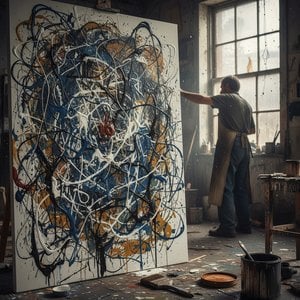
Paul Jackson Pollock: A Radical Departure – Exploring Abstract Expressionism's Pioneering Figure and His Enduring Legacy
Explore the revolutionary art of Jackson Pollock & Abstract Expressionism. Discover his iconic drip paintings, lasting impact, and considerations for collecting this pivotal American artist. Expert insights at ArtsDot.

Beyond Shapes: 10 Iconic Abstract Masterpieces That Redefine Art
Journey through history with 10 iconic abstract masterpieces. From bold expressionism to geometric elegance, discover the stories behind these timeless works. Find museum-quality art reproductions and curated decor inspiration. Explore the full collection online at ArtsDot.com.

Beyond Reality: Exploring Symbolism's Influence on Modern Art & Psychological Expression
Explore the captivating world of Symbolism! Discover key artists, psychological themes & its lasting impact on modern art. Expert insights for collectors and enthusiasts at ArtsDot.

Abstraktin ekspressionismin mestariteokset: Taidetta ja inspiraatiota kotiisi
Tutustu abstraktin ekspressionismin 10 mestariteokseen! Jackson Pollock, Mark Rothko ja muut taiteilijat inspiroivat tunteellisuudellaan. Löydä upeita taidemaalauksia kotiisi ArtsDot.comista – museolaatuista laatua ja sisustusehdotuksia.


