

 Esikatselu
 Jaa teos
 Jaa
Jaa
 Tiedot
 Opas
Opas

 Lataa kuva
 Samanlaisia kohteita
 Röntgenkuvaus
 Diaesitys
 Kysymykset ja vastaukset
 Tilastot
Gothic


 Lue lisää
Giclée- ja taideprintit
Museolaatuisia giclée- tai kankaitaulun tulosteita nopealla tuotannolla ja joustavilla viimeistelyvaihtoehdoilla. ( Osta käsinmaalattu taideteos Siirry digitaaliseen kuvaan)




P118B €10

P118H €10

P118W €10

P438Z €10

P508JH €12

P508YH €12

P805H €10

P805Z €10

P919BZ €10

P919G €10

P919XJ €10

P959ZH €10

P968JZ €12

W106C €8

W218G €10

W218JH €8

W218Y €10

W307PJ €10

W316G €10

W316PJ €8

W316Y €10

W398PJ €8

W4111J €10

W500HY €15

W500JH €15

W692G €12

W849H €8

W940BG €15

W953PJ €8




Valitse valmiista mitoistamme sellaiset, jotka vastaavat teoksen alkuperäisiä mittasuhteita.

Syötä tarvitsemasi leveys ja korkeus, jotta tuloste sopii kehyksiisi tai seinällesi. Tulostetta voidaan vain leikata, sitä ei voida koskaan suurentaa alkuperäistä kuvaa suuremmaksi, joten eri muotoinen koko aiheuttaa osan kuvasta katoamisen. Lähetämme sinulle digitaalisen mallikuvan hyväksyttäväksi ennen kuin aloitamme tulostuksen. Tällä sivulla näkyvä kuva ei näytä lopullista rajausta — vain mallikuva näyttää sen.
Maailmanlaajuinen toimitus () 2 viikossa tavallisen 4–5 viikon sijaan. (12 marraskuu)

Ilmainen pikatoimitus ympäri maailman

Korkealaatuinen pellavakangas

Kattava kuljetusvakuutus

Tulliveron palautustakuu

Takuu täydellisestä värien vastaavuudesta

100 päivän palautusoikeus (vain valmistusvirheet)

100% rahat takaisin -takuu

Määräalennus tarjolla
 Lasivaihtoehto on saatavilla vain alle 110 cm kokoisille teoksille

Gothic
Giclée- ja taideprintit
Replikaatin koko
-


Kokonaishinta
€ 56
Identification of the Artwork Gothic
The canvas known as Gothic emerges from the creative mind of Paul Jackson Pollock. Created in 1944, this work exists within the permanent collection of The Museum of Modern Art in New York. It carries the specific archive designation IN1819.16, a mark of its place within the museum's vast holdings. The piece pulses with a presence that demands immediate attention, pulling the viewer into its immediate, swirling reality.
In this work, Paul Jackson Pollock captures a specific moment of intensity. The painting, Gothic, resides in the heart of New York's most significant art institution. It remains a vital part of the history of the Abstract Expressionist movement, holding its ground within the halls of The Museum of Modern Art. Every line and color choice feels active, as if the energy of 1944 is still vibrating through the pigment.
Visual Composition and Subject Matter
A group of people occupies the center of the frame, caught in a moment of social interaction. At least five individuals appear within the scene, their forms suggesting a dance or a shared activity. They move through a landscape of color, where deep reds, blues, yellows, and greens intertwine. These figures are not static; they seem to be in perpetual motion, mirroring the restless energy of human connection. The arrangement of these people draws the eye inward, pulling the viewer toward the heart of the gathering.
The composition relies on a tension between stability and movement. Horizontal bands of color stretch across the canvas, providing a sense of structure that is constantly interrupted by vertical drips of paint. This interplay creates a visual dialogue, where the steady flow of color meets the sudden, gravity-fed descent of pigment. The result is a scene that feels both organized and chaotic, as if the social interaction of the figures is being mirrored by the very medium itself.
Technique and Artistic Method
The canvas lies flat upon the floor, stripped of the traditional easel. Here, the artist moves around the perimeter, standing over the work to engage with the medium from all sides. This physical performance turns the act of creation into a rhythmic release of energy. Gravity becomes a primary collaborator, guiding the liquid paint as it falls in unpredictable patterns. The signature drip technique transforms the surface into a record of movement, where splatters and pools of color settle where they land.
Unconventional tools dictate the texture of the work. Sticks, knives, and even syringes are used to manipulate the fluid medium, pushing and pulling the pigment across the surface. These gestures create a dense, layered effect. The resulting surface feels almost sculptural, a thick crust of paint that captures a dynamic, restless energy. Every drip and splash contributes to a complex network of lines that seem to possess a life of their own.
Related Works by the Artist
The evolution of this creative energy continues through other canvases that capture the artist's restless spirit. Around 1945, the work There Were Seven in Eight emerges, reflecting a period of intense development. Shortly after, the composition of Number 3 takes shape about 1948, continuing the exploration of rhythm and movement across the surface. These pieces exist as markers of a shifting approach to the canvas, where the physical act of creation becomes a central part of the visual language.
As the years progress, the intensity of the paint application reaches new heights. In 1950, Lavender Mist, Number 1 appears, presenting a complex network of lines and colors that seem to dance in a state of perpetual motion. This momentum carries forward into 1952 with Blue Poles, Number 11, where the interplay of verticality and chaotic splatters creates a sense of boundless space. Each work acts as a record of a specific moment in time, capturing the pulse of an artist constantly redefining the boundaries of abstraction.
Kysymykset ja vastaukset
Kuka on teoksen "Gothic" taiteilija ja mikä on sen tyyli?
"Gothic" on Jackson Pollockn luoma Abstract Expressionism-tyylinen teos. Taiteilija ja tyylisuunta määrittelevät teoksen perinteet.
Voinko nähdä röntgenkuvan teoksesta Jackson Pollock:n "Gothic"?
Jackson Pollock:n "Gothic" -teoksen Röntgentutkimus -sivu on interaktiivinen katseluohjelma, jonka avulla voit selata teoksen kuvaa yhdennellätoista optisella kerroksella, mukaan lukien röntgenkuvamainen näkymä.
Mitä "Gothic" esittää ja millainen tunnelma siinä on?
Jackson Pollock:n "Gothic" yhdistää dance, social interaction, color palette, movement, human figures, vibrant colors, dynamic composition-aiheet Dramatic-tunnelmaan.
Samankaltaisia teoksia


Taiteilijan elämäkerta
Varhaisluonnos, perhe ja koulutus
Jackson Pollockin tarina alkaa Wyomingin Codyn karusta maisemasta, missä hän syntyi 28. tammikuuta 1912. Hän oli viidestä veljestä nuorin, Stella May McCluren ja LeRoy Pollockin poika. Hänen isänsä työskenteli maanmittaajana, ammatti, joka vaati jatkuvaa liikettä halki valtavan Amerikan lännen. Tämä nomadinen elämäntapa tarkoitti, että nuoren pojan varhaisvuosia määrittivät toistuvat muutot – levottomuus, joka tuntui heijastavan isän työn jatkuvasti muuttuvia horisontteja. Nämä varhaiset matkat lännen halki tarjosivat hänelle suoran ja välittömän kohtaamisen luonnon kanssa sekä alkuperäiskansojen taiteen henkisen resonanssin; vaikutelmia, jotka asettuivat hänen alitajuntaansa hiljaa jo kauan ennen kuin hän koskaan tarttui siveltimeen.
Kasvaessaan paikan etsintä johti hänet rannikon urbaaniin energiaan. Hän hakeutui Los Angelesin Manual Arts High Schooliin etsimään muodollista rakennetta kasvaville impulseilleen. Hänen kätensä todellinen muotoutuminen tapahtui kuitenkin paljon myöhemmin, kun hän muutti New Yorkiin. Juuri siellä, Art Students Leaguessa, hän aloitti pitkän ja muuntavan opiskelujakson. Vuosina 1929–1942 hän työskenteli Thomas Hart Bentonin ohjauksessa. Vaikka Benton korosti rytmisiä sommitelmia ja amerikkalaisen elämän narratiivista painoa, nuori opiskelija oli jo alkanut vaeltaa kohti omia, abstraktimpia ja sisäisiä totuuksiaan.
Ainutlaatuisen tekniikan kehittyminen
Vuoteen 1947 mennessä hänen tapansa lähestyä kangasta oli kokenut syvän muutoksen. Hän hylkäsi perinteisen maalaustelineen ja valitsi sen sijaan kankaiden asettamisen suoraan lattialle. Tämä muutos antoi hänelle mahdollisuuden seistä työnsä yläpuolella, muuttuen osaksi itse luovaa prosessia. Hän ei ainoastaan levittänyt väriä; hän tiputteli, roiskutti ja heitti sitä ylhäältä päin, antaen nesteen laskeutua arvaamattomissa kuvioissa. Tämä menetelmä muutti maalaamisen fyysiseksi suoritukseksi, jossa painovoima ja ele määrittivät teoksen lopullisen muodon.
Hänen työkalunsa olivat yhtä epätavallisia kuin hänen menetelmänsäkin. Hän käytti keppejä, veitsiä ja jopa ruiskuja hallitessaan nestemäistä väriainetta. Joskus hän hyödynsi lastoja tai valuvaa maalia saavuttaakseen tiettyjä tekstuureja. Hän raapi usein kankaan pintaa tai käytti erikoisia esineitä luodakseen paksun, kuorenomaisen maalikerroksen, mikä toi teoksiin taktiilista, veistoksellista laatua. Tämä prosessi ei perustunut kontrolloituun siveltimenjälkeen, vaan pikemminkin rytmiseen, lähes alkukantaiseen energian purkautumiseen kankaan pinnalle.
Keskeiset teokset ja taiteellinen ilmaisu
Kun Jackson Pollock irtautui maalaustelineen rajoitteista, hänen kangasprosessinsa alkoi heijastaa syvempää, lähes viskeraalistaista yhteyttä väriaineeseen. Vuonna 1943 hän loi Mural-teoksen, massiivisen 2,4 x 6,1 metrin kokoisen kokonaisuuden, joka osoitti hänen kykynsä hallita valtavaa pinta-alaa. Tänä aikana hänen tutkimuksensa alitajunnan syövereistä ja itse maalaamisen fyysisestä luonteesta huipentuivat teoksiin kuten Eyes in the Heat, joka syntyi noin vuonna 1946. Nämä teokset eivät olleet pelkkiä kuvia, vaan ne olivat fyysisen läsnäolon tallenteita, joissa koko kehon liike määritteli jokaisen väriroiskeen ja väripisaran paikan kankaalla.
Seuraavat vuodet toivat mukanaan rytmisten, niin kutsuttujen "all-over"-kompositioiden hiomisen, joista tuli hänen maineensa perusta. Hän pyrki luomaan rajattoman tilan tunnun, jossa mikään yksittäinen kohta ei hallinnut kokonaisuutta. Tämä lähestymistapa on selvästi nähtävissä teoksessa Number 1, 1949, joka vangitsee raa'an energian purkauksen, sekä teoksessa Lavender Mist, Number 1, 1950, joka on edelleen yksi hänen merkittävimmistä tuotantonsa helmistä. Näissä teoksissa kontrollin ja sattuman välinen vuoropuhelu luo herkän tasapainon, ikään kuin maali olisi vapautettu kankaalle pikemminkin kuin levitetty.
Myöhemmät kokeilut jatkoivat rajojen rikkomista siinä, miten väriä voidaan manipuloida vaakasuoralla pinnalla. Hän käytti usein tikkuja, veitsiä tai jopa suoraan purkkeja pigmentin heijastamiseen, mikä synnytti monimutkaisia viivojen verkostoja. Tämä menetelmä on selkeästi havaittavissa teoksessa Blue Poles, Number 11, 1952 sekä energisessä Convergence-teoksessa. Näiden työn alla hän saavutti tilan, jossa maalaus tuntui omaavan oman elämänsä, syntyen suoraan syvän uppoutumisen tuloksena hänen omaan mielikuvitukseensa.
Suojelijat, työpaja ja tilaukset
Jackson Pollockin uran polku muovautui sekä yhteiskunnallisen välttämättömyyden että muutaman elintärkeän tukijan anteliaisuuden myötä. Vuosien 1938 ja 1942 välisenä aikana hän löysi vakaan työn WPA Federal Art Projectin maalattavana, mikä toi tarvittavaa rytmiä hänen kehittyvään taiteelliseen harjoitukseensa. Tämä vakaus väistyi henkilökohtaisemman ja muuntavammman liittoutuman tieltä, kun Peggy Guggenheim tarjosi hänelle galleriasopimuksen heinäkuussa 1943. Hänen tukensa osoittautui olevan muutakin kuin ammatillista; vuonna 1945 hän myönsi 2 000 dollarin käsirahan auttaakseen häntä hankkimaan kodin, eleenä, joka kietoi Pollockin henkilökohtaisen elämän syvästi yhteen hänen taiteellisen selviytymisensä kanssa.
Hänen luova elämänsä löysi lopulta keskipisteensä East Hamptonista, New Yorkista. Siellä, Pollock-Krasner-talossa ja studiossa, hän eli ja työskenteli vaimonsa, Lee Krasnerin rinnalla. Studio oli intensiivisen fyysisen liikkeen näyttämö, jossa taiteilijan ja kankaan väliset rajat hälvenivät. Hän hylkäsi usein perinteisen maalaustelineen ja laski kankaat mieluummin lattialle, jotta hän voisi kohdata maalin kaikilta puolilta. Tämä työtila ei ollut pelkkä tuotantotila, vaan syvän, levottoman energian lähde, jossa hänen radikaaleimmat kokeilunsa saivat syntyä.
Myöhemmät vuodet ja kuolema
Taiteilijan yksityiselämä oli syvästi kietoutunut hänen luovaan kamppailuunsa. Vuonna 1945 hän avioitui taiteilija Lee Krasnerin kanssa, liitosta, joka toi merkittävän vakauden ja läsnäolon hänen elämäänsä hänen muuntuvimpina vuosinaan. Silti hänen ammatillisen nousunsa alla lepisi jatkuva varjo. Hän kamppaili alkoholiriippuvuuden kanssa läpi koko elämänsä, taistelu, joka usein vaikeutti hänen olemassaoloaan ja kykyään kohdata kasvavan kuuluisuutensa tuomaa painetta.
Tämä sisäinen ja ulkoinen turbulenssi sai traagisen päätöksensä East Hamptonissa, New Yorkissa, Yhdysvalloissa. 11. elokuuta 1956, 44-vuotiaana, hänen elämänsä päättyi äkilliseen ja väkivaltaiseen onnettomuuteen. Ajon aikana hän joutui yksittäisen auton onnettomuuteen, jonka aiheutti alkoholi. Onnettomuus oli kohtalokas, jättäen jälkeensä perinnön, joka oli yhtä myllerryksessä oleva kuin maali, jota hän heitti kankaidensa yli.
Perintö ja vaikutus nykytaiteeseen
Hänen radikaalien menetelmiensä aallot levisivät kauas East Hamptonin studion seinien ulkopuolelle. Rikkomalla perinteisen siteen pensselin ja maalaustelineen välillä hänestä tuli abstraktin ekspressionismin keskeinen hahmo, muutos, joka muutti perustavanlaatuisesti amerikkalaisen luovuuden suunnan. Hänen läsnäolonsa auttoi vakiinnuttamaan New Yorkin aseman modernitaiteen globaalina keskuksena, siirtäen avantgarden sydämen pois Euroopan hallitsevasta asemasta. Hän oli yksi ensimmäisistä amerikkalaisista taiteilijoista, jotka tunnustettiin suurten 1900-luvun eurooppalaisten mestareiden vertaisiksi, todistaen, että täysin uusi ja visuaalinen kieli voi syntyä Yhdysvaltojen maaperästä.
Hänen vaikutuksensa toimi katalyyttinä monille myöhemmille taidesuuntauksille, jotka seurasivat hänen jälkeään. Hänen tapansa kohdata kangas — käsitellen sitä fyysisen toiminnan areenana pelkän esittävän pinnan sijaan — avasi ovia monille, jotka pyrkivät ilmaisemaan alitajuntaansa eleen kautta. Tämä painotus itse luomisprosessissa jätti pysyvän jäljen nykytaiteen historiaan, varmistaen, että spontaanius ja suunnittelemattomuus saavat ikuisesti paikan taiteilijan työkalupakissa.
- Number 1, 1949
- Blue Poles: Number 11, 1952
- Convergence
- Autumn Rhythm. Number 30, 1950
Missä teoksia voi nähdä tänään
Todistaakseen hänen liikkeidensä fyysiset jäljet, on matkattava suuriin instituutioihin, jotka ovat säilyttäneet hänen radikaalin energiansa. New Yorkissa Museum of Modern Art säilyttää useita hänen kangaspuitaan, antaen katsojan seistä laajojen ja keskipisteettömien sommitelmien äärellä, jotka määrittelivät hänen aikakauttaan. Washington D.C.:n National Gallery of Art ylläpitää myös hänen teoksiaan, tarjoten tilan tarkastella niitä monimutkaisia väriverkostoja, jotka hän saavutti ainutlaatuisilla menetelmillään. Atlantin takana Lontoon Tate Gallery pitää hänen läsnäolonsa elossa kokoelmissaan, varmistaen, että hänen vaikutuksensa ulottuu kauas Amerikan rannikoille.
Niille, jotka etsivät intiimimpää yhteyttä hänen luovaan prosessiinsa, East Hamptonin Pollock-Krasner House and Studio tarjoaa syvän tunteen paikasta. Tämä kansallinen historiallinen maamerkki oli tila, jossa hän ja hänen vaimonsa, Lee Krasner, elivät ja työskentelivät. Kiinteistö on edelleen elintärkeä yhteys hänen elämäänsä, säilyttäen sen ympäristön, joka ruokki hänen siirtymäänsä perinteisistä muodoista spontaaneihin, lattialla toteutettaviin menetelmiin, jotka muuttivat modernin maalaamisen suunnan. Näiden tilojen läpi kulkeminen antaa käsityksen hänen luovan kamppailunsa mittakaavasta ja fyysisestä todellisuudesta.
- Number 1, 1949
- Blue Poles: Number 11, 1952
- Mural (1943)
- Convergence

Jackson Pollock
1912 - 1956 , Yhdysvallat
Pähkinänkuoressa
- Artistic Movement Or Style: Abstrakti ekspressionismi
- Artists Or Movements Influenced By This Artist:
- Color Field -maalaus
- Abstrakti ekspressionismi
- Artists Who Influenced This Artist:
- Thomas Hart Benton
- José Clemente Orozco
- David Alfaro Siqueiros
- Date Of Birth: 1912
- Date Of Death: 1956
- Full Name: Paul Jackson Pollock
- Nationality: Amerikkalainen
- Notable Artworks:
- Number 1, 1950 (Lavender Mist)
- One: Number 31, 1950
- Blue Poles: Number 11, 1952
- Convergence
- Place Of Birth: Cody, Yhdysvallat
Aiheeseen liittyvät artikkelit

Paul Jenkins: Abstraction, Color Field Painting & the Pursuit of Lyrical Expression
Explore the captivating world of Paul Jenkins, a pioneer of abstract expressionism & color field painting. Discover his unique ‘Phenomena’ series and investment potential for art collectors. Expert insights at ArtsDot.
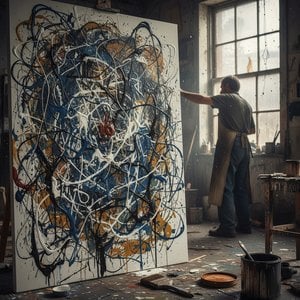
Paul Jackson Pollock: A Radical Departure – Exploring Abstract Expressionism's Pioneering Figure and His Enduring Legacy
Explore the revolutionary art of Jackson Pollock & Abstract Expressionism. Discover his iconic drip paintings, lasting impact, and considerations for collecting this pivotal American artist. Expert insights at ArtsDot.

Beyond Representation: Exploring the Emotional Landscape of Abstract Expressionism
Explore the profound emotional world of Abstract Expressionism with ArtsDot. Discover key artists like Pollock & Rothko, learn about collecting, and find museum-quality reproductions to inspire your space.

Paul Kleen mestariteokset: 25 taideteosta, jotka inspiroivat kotiisi – ArtsDot.com
Tutustu Paul Kleen 25 mestariteokseen! Uppoudu sveitsiläisen taiteilijan abstraktiin maailmaan – ekspressionismista kubismiin. Löydä inspiraatiota kotiisi ja osta korkealaatuisia taide-reproduktioita ArtsDot.comissa. Tutki kokoelma verkossa!

Abstraktin ekspressionismin mestariteokset: Taidetta ja inspiraatiota kotiisi
Tutustu abstraktin ekspressionismin 10 mestariteokseen! Jackson Pollock, Mark Rothko ja muut taiteilijat inspiroivat tunteellisuudellaan. Löydä upeita taidemaalauksia kotiisi ArtsDot.comista – museolaatuista laatua ja sisustusehdotuksia.


