


 Esikatselu
 Jaa
Jaa Jaa
Jaa
 Tarkemmat tiedot

 Lataa
Lataa
 Samanlaisia
 Röntgenkuva
 Diaesitys
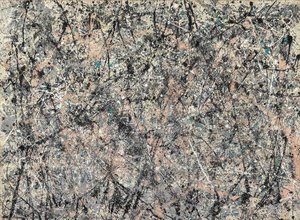
Composition number 1

 Näytä lisää
Osta korkearesoluutioinen, parannettu digitaalikuva, joka on laadultaan huomattavasti parempi kuin verkkosivuston esikatselu.
Jokainen tiedosto valmistellaan huolellisesti omien asiantuntijoidemme toimesta käyttäen edistyneitä työkaluja ja ammattitaitoista manuaalista retusointia. Varmistamme, että jokaisessa kuvassa on poikkeuksellinen selkeys, tarkka värintoisto ja hienovaraiset yksityiskohdat.
Lopputiedosto toimitetaan sähköpostitse 72 tunnin kuluessa, ja se on optimoitu välittömään käyttöön ammattimaisissa, toimituksellisissa ja painoympäristöissä. Laatu on sama, johon huipputason suunnittelustudiot, kustantajat ja galleriat luottavat.
Digitaalinen kuva
Lataa korkearesoluutioinen tiedosto henkilökohtaiseen näyttelyyn, tulostamiseen ja luoviin projekteihin. ( Osta printti Osta käsintehty maalaus)
Sisältyy jokaiseen digitaalisen kuvan tilaukseen
Asiantunteva digitaalinen toimitus, taattuun laatuun
Kun valitset ArtsDot.com-palvelun, et saa vain kuvaa – saat ammattimaisesti parannetun digitaalisen taideteoksen, joka on luotu tarkkuudella ja jonka takaa tulee tyytyväisyystakuu. Tässä on kaikki, mitä tilauksesi sisältää, automaattisesti:

Nopea digitaalinen toimitus
Korkearesoluutioinen digitaalinen kuvatiedostosi lähetetään sähköpostiisi 72 tunnin kuluessa tilauksesta – valmiina käytettäväksi välittömästi.

Tekoälyllä parannettu digitaalinen tiedosto
Taiteilijasi teos on optimoitu ammattimaisesti edistyneiden tekoälytyökalujen ja manuaalisen muokkauksen avulla, mikä takaa maksimaalisen yksityiskohtaisuuden, selkeyden ja väritarkkuuden.

Ilmainen elinikäinen uudelleenlähetyspalvelu
Oletko vahingossa poistanut tai kadottanut tiedostosi? Ei hätää – lähetämme sen sinulle uudelleen milloin tahansa täysin maksutta.

Ei tuontimaksuja – koskaan
Nauti taiteestasi välittömästi ilman tulleja, veroja tai toimitusmaksuja – digitaaliset lataukset ovat aina verovapaita.

Värintoiston tarkkuustakuu
Varmistamme, että digitaalinen kuvasi vastaa alkuperäisiä värejä mahdollisimman tarkasti käyttämällä ammattilaistason työkaluja ja värinhallintaa.

60 päivän tyytyväisyystakuu
Jos et ole tyytyväinen digitaaliseen kuvaasi, muokkaamme sitä tai palautamme 100% takaisin 60 päivän kuluessa – ilman kysymyksiä.

100% Rahat takaisin -takuu
Etkö ole tyytyväinen? Saat täyden hyvityksen 60 päivän kuluessa digitaalisen tiedostosi vastaanottamisesta – ilman kyselyitä.

Suurtilaaja-alennukset
Osta 3 kuvaa, säästä 10% - Osta 5, säästä 15% - Osta 10+, säästä 20%. Erinomainen valinta luoviin projekteihin, gallerioille ja toimistoille.
Keräilykohteen kuvaus
A Symphony of Color and Texture: Exploring Paul Jackson Pollock’s Composition Number 1
Paul Jackson Pollock's *Composition Number 1* stands as a cornerstone of Abstract Expressionism, embodying the movement’s radical departure from traditional artistic conventions. Born in Cody, Wyoming, in 1912, Pollock’s formative years instilled within him an appreciation for expansive landscapes and cultural diversity—influences subtly woven into his artistic sensibility. His formal training at the Art Students League under Thomas Hart Benton solidified his understanding of rhythmic composition and narrative storytelling, albeit Benton's Regionalist approach differed significantly from Pollock’s burgeoning vision.The Technique of Dripping: A Revolutionary Approach
Pollock’s groundbreaking technique—often referred to as “dripping” or “pouring”—represents a pivotal moment in art history. Rejecting easel painting altogether, he laid canvases on the floor and employed brushes, sticks, and even syringes to fling paint onto the surface. This method created an astonishingly textured surface, where pigment dripped, splattered, and pooled, resulting in intricate patterns that defied linear perspective. The sheer physicality of this process mirrored the artist’s emotional state—a deliberate attempt to liberate painting from representational constraints and tap into primal forces. It wasn't merely about applying paint; it was about channeling energy onto the canvas, generating an almost chaotic yet undeniably harmonious visual experience.Historical Context: Challenging Artistic Boundaries
Created in 1947, *Composition Number 1* emerged during a period of intense artistic experimentation following World War II. The postwar era witnessed a fervent desire to redefine art’s role in society and explore new avenues for emotional expression. Pollock's work aligned perfectly with this zeitgeist, mirroring the anxieties and uncertainties of the time while simultaneously asserting an unwavering belief in artistic freedom. He was part of a larger cohort of artists—including Willem de Kooning and Jackson Pollock—who actively questioned established norms and pushed boundaries, establishing Abstract Expressionism as a dominant force in American art.Symbolic Resonance: Layers of Meaning Beyond Surface Appearance
While seemingly devoid of recognizable imagery, *Composition Number 1* is rich in symbolic resonance. The dominant red hue evokes passion, energy, and perhaps even danger—reflecting the turbulent emotional landscape of the postwar era. However, beyond this immediate association, the interwoven patterns and textures suggest a deeper exploration of subconscious thought and instinct. Critics have interpreted the circular forms as representing wholeness and unity, juxtaposed against the fragmented splashes that symbolize disruption and transformation. Pollock himself acknowledged that he wasn’t consciously striving for specific meanings; rather, he sought to capture the essence of feeling itself—a testament to the power of abstract art to communicate emotion without resorting to literal depiction.Emotional Impact: An Invitation to Contemplate
Ultimately, *Composition Number 1* compels viewers to engage in a contemplative dialogue with the artwork. Its dynamic composition and vibrant color palette stimulate sensory perception, inviting contemplation on themes of spontaneity, process, and emotional intensity. The textured surface encourages tactile engagement—a reminder that art is not merely seen but felt. Reproductions of this iconic painting offer collectors and interior designers alike an opportunity to bring a piece of groundbreaking artistic history into their homes, fostering appreciation for Pollock’s revolutionary contribution to the canon of modern art.Samankaltaisia teoksia




Taiteilijan elämäkerta
Early Life and the Seeds of Innovation
Paul Jackson Pollock, born in Cody, Wyoming, in 1912, was a restless spirit from the outset. His early life was marked by frequent relocation as his father, LeRoy Pollock, pursued work as a land surveyor across the vast landscapes of the American West. This itinerant existence instilled in young Pollock a deep connection to the natural world and an exposure to diverse cultures, particularly through encounters with Native American art during those surveying trips – impressions that would subtly permeate his artistic vision later in life. Though he never explicitly imitated Indigenous styles, the raw energy and spiritual resonance of these early experiences undoubtedly left their mark. He grew up in Arizona and Chico, California, absorbing a sense of both rugged individualism and the spirit of the frontier. Pollock’s formal artistic training began at the Manual Arts High School in Los Angeles, followed by studies at the Art Students League of New York under the tutelage of Thomas Hart Benton. Benton, a prominent figure in the Regionalist movement, emphasized rhythmic composition and narrative themes rooted in American life. Pollock initially absorbed these lessons, learning to create works that reflected the landscapes and people of America. However, his inherent inclination leaned toward more abstract explorations, driven by a desire to move beyond representational art and delve into deeper emotional and psychological realms. He was also profoundly impacted by Mexican muralists like José Clemente Orozco, whose powerful depictions of social struggle resonated deeply with him, sparking an interest in conveying complex narratives through visual form. These early influences laid a foundation, but it was the burgeoning world of Surrealism that truly unlocked Pollock’s artistic potential.The Birth of Action Painting and a Revolutionary Technique
The 1930s saw Pollock experimenting with various techniques, seeking alternatives to traditional brushwork. He began pouring paint, exploring its fluidity and unpredictable nature. However, it was around 1947 that his artistic trajectory underwent a radical transformation. Abandoning the easel altogether, Pollock laid canvases directly on the floor, initiating what would become known as his “drip technique.” He then proceeded to drip, splash, and fling paint onto the canvas from above, orchestrating a dynamic dance between artist, medium, and surface. This wasn’t merely about applying paint; it was about embodying the act of creation itself. Pollock's canvases became arenas for physical expression, capturing the immediacy of his gestures and emotions. The resulting paintings are characterized by their “all-over” composition – a lack of central focus that invites the viewer to explore the entire surface as a unified field of energy. Intricate networks of lines and colors intertwine, creating a visual complexity that is both captivating and challenging. He employed unconventional tools—sticks, knives, even syringes—to manipulate the paint in unpredictable ways, further emphasizing the spontaneous nature of his process. This innovative approach positioned Pollock as a central figure in the burgeoning Abstract Expressionist movement, which emerged in post-World War II New York City.Influences and Artistic Development
Pollock’s artistic development was shaped by a diverse range of influences. Beyond Benton and Orozco, he drew inspiration from European modernism, particularly the work of Pablo Picasso, whose innovative use of form and color challenged traditional notions of representation. He also explored Surrealist techniques, embracing the subconscious and dreamlike imagery associated with the movement. The influence of Max Ernst, a pioneer of collage and automatism, is evident in Pollock’s early experiments with chance and improvisation. His marriage to Lee Krasner, a fellow artist and intellectual, was particularly significant; she provided unwavering emotional support and actively encouraged his artistic development, recognizing the groundbreaking nature of his work. She understood his need for freedom and experimentation, fostering an environment where he could push the boundaries of art.Iconic Works and Lasting Legacy
Pollock’s most celebrated works—such as Number 1, 1950 (Lavender Mist), One: Number 31, 1950, Blue Poles: Number 11, 1952, and Convergence—are testaments to his revolutionary technique. These paintings are not simply images; they are records of a performance, imbued with the artist’s physical presence and emotional intensity. The dynamic energy that emanates from these canvases is palpable, drawing viewers into a world of pure abstraction. His work transcended mere aesthetics; it was an exploration of process over product – a deliberate rejection of traditional notions of composition and representation. Pollock delved into Jungian psychology, exploring archetypes and the subconscious in his art, seeking to tap into universal symbols and primal energies. Pollock’s impact on the history of art is immeasurable. He fundamentally altered the way artists approached painting, breaking free from easel-based methods and embracing a more performative approach. His work helped solidify New York City's position as a global center for modern art, shifting the focus away from European dominance. Despite initial skepticism from some critics, Pollock’s reputation grew steadily after his untimely death in 1956 at the age of 44. Today, he is universally recognized as one of the most important and influential artists of the 20th century, a visionary who dared to challenge conventions and redefine the boundaries of artistic expression. His innovative techniques and expressive style continue to inspire and provoke, ensuring his enduring legacy for generations to come.
Paul Jackson Pollock
1912 - 1956 , Yhdysvallat
Lyhyesti esiteltynä
- Artistic Movement Or Style: Abstrakti ekspressionismi
- Artists Or Movements Influenced By This Artist:
- Color Field
- Abstrakti ekspressionismi
- Artists Who Influenced This Artist:
- Thomas Hart Benton
- José Clemente Orozco
- Date Of Birth: 28 tammiku 1912
- Date Of Death: 11 elokuuta 1956
- Full Name: Paul Jackson Pollock
- Nationality: Amerikkalainen
- Notable Artworks:
- Numero 1, 1949
- Syksynrytmi
- Yhdistyminen
- Place Of Birth: Cody, Wyoming

